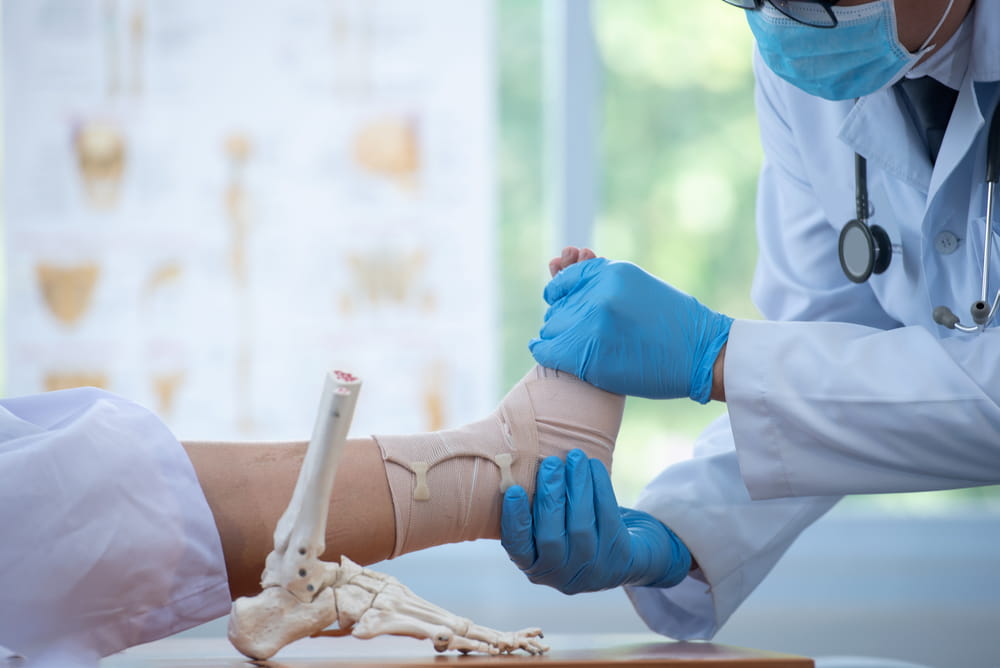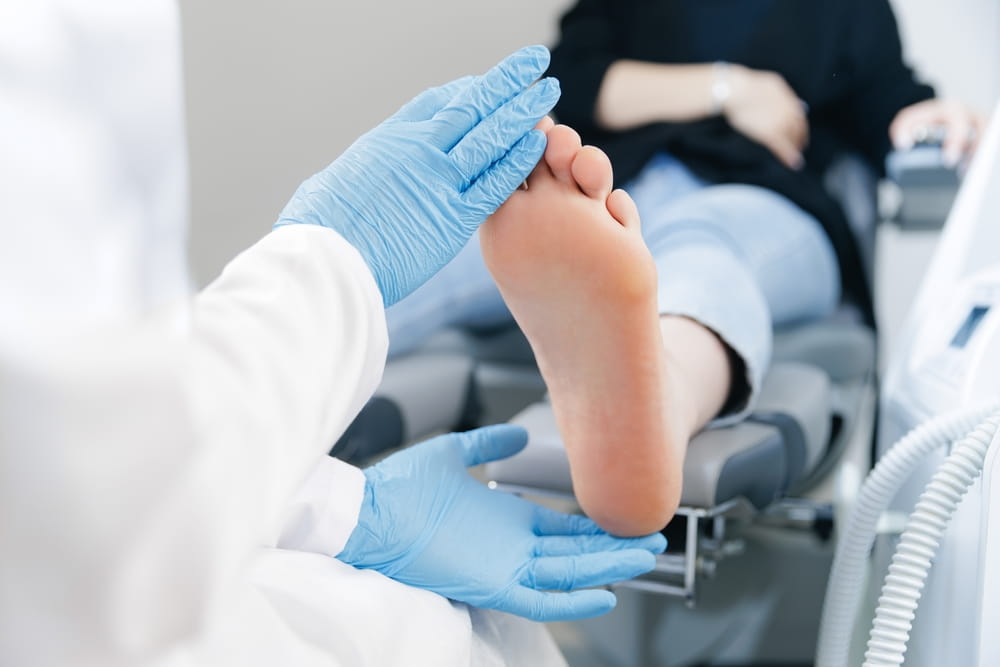
By evening, the shoes that fit perfectly at breakfast feel a size too small. Most people have experienced this at some point, whether after a long shift on their feet, a day of travel, or an unusually active weekend. Swelling happens when fluid collects in the tissues of the feet and ankles, and gravity makes the lower extremities the natural gathering place.
Often, the explanation is simple and the swelling fades with rest and elevation overnight. Sometimes, though, the feet are signaling something that deserves more attention, such as swelling that lingers, affects only one side, or arrives with pain, redness, or warmth. Knowing the difference is the useful skill.
Lone Star Orthopaedic and Spine Specialists, PLLC, which serves patients in Mansfield, Fort Worth, and Burleson, TX, regularly hears questions about swollen feet from people with demanding jobs and active lives, and the answers start with understanding why fluid builds up in the first place.
Understanding Why Swelling Occurs
Swelling develops when excess fluid accumulates within the tissues. The feet and ankles are particularly susceptible because gravity naturally encourages fluid to collect in the lower extremities throughout the day.
Normally, muscles, blood vessels, and the lymphatic system work together to move fluid back toward the heart. When this process slows or becomes overwhelmed, fluid may begin to accumulate, causing visible swelling and a feeling of heaviness or tightness.
Depending on the cause, swelling may affect one foot, both feet, or specific areas such as the ankles, arches, or toes.
Standing for Long Periods
One of the most common causes of foot swelling is prolonged standing. Jobs that require workers to remain on their feet for extended periods place continuous stress on the muscles and circulatory system.
As the day progresses, the muscles in the lower legs may become fatigued, making it more difficult to efficiently move fluid upward against gravity. As a result, fluid may collect in the feet and ankles.
Many people notice that this type of swelling is most apparent at the end of the day and often improves overnight after resting.
Learning more about ankle and foot care can help explain how prolonged standing influences foot function and comfort.
Sitting Too Long Can Have Similar Effects
While standing often receives the most attention, prolonged sitting can produce similar results. Long flights, road trips, or sedentary workdays may reduce the muscle activity needed to support healthy circulation.
Without regular movement, fluid can gradually pool in the lower extremities. This is why many people notice swollen feet or ankles after extended travel.
Simple movement throughout the day can help support circulation and reduce prolonged fluid buildup.
Inflammation and Tissue Irritation
Inflammation is another common contributor to foot swelling. When tissues become irritated, the body responds by increasing blood flow and fluid movement to the affected area.
This response can occur in muscles, tendons, joints, or surrounding soft tissues. While inflammation serves an important purpose, it may also contribute to noticeable swelling and temporary stiffness.
Inflammation-related swelling is often accompanied by additional symptoms such as tenderness, warmth, or discomfort during activity.
Stress on the Feet Adds Up
The feet absorb thousands of pounds of cumulative force throughout a typical day. Walking, climbing stairs, exercising, and standing all place repeated stress on the bones, joints, and soft tissues.
Over time, this repetitive loading may contribute to mild irritation and fluid accumulation, particularly in individuals with demanding work schedules or highly active lifestyles.
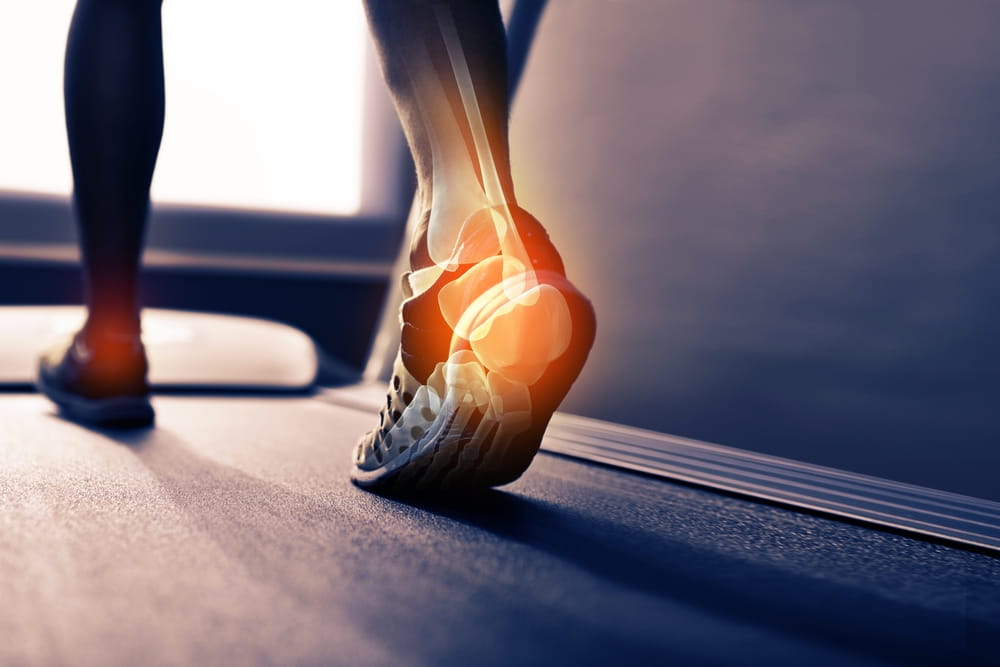
Areas such as the heels, arches, and ankles are especially vulnerable because they play critical roles in weight distribution and shock absorption.
Circulation Plays an Important Role
Healthy circulation helps regulate fluid balance throughout the body. When circulation becomes less efficient, fluid may remain in the feet and ankles longer than normal.
This can be influenced by prolonged inactivity, extended standing, or other factors that affect how effectively blood and fluid return toward the heart.
Because circulation and swelling are closely connected, many people notice that movement helps improve comfort and reduce puffiness.
Looking Beyond the Feet
Foot swelling is not always isolated to the feet themselves. The body’s joints, muscles, and connective tissues work together as a system, and changes in one area may affect another.
For example, altered movement patterns caused by discomfort may place additional stress on nearby structures such as the ankles, knees, or hips. This is one reason why recurring swelling sometimes affects overall mobility and daily comfort.
When Swelling Deserves Closer Attention
While occasional swelling is common, certain patterns may indicate that the body is responding to something beyond everyday activity.
- Swelling that persists for extended periods
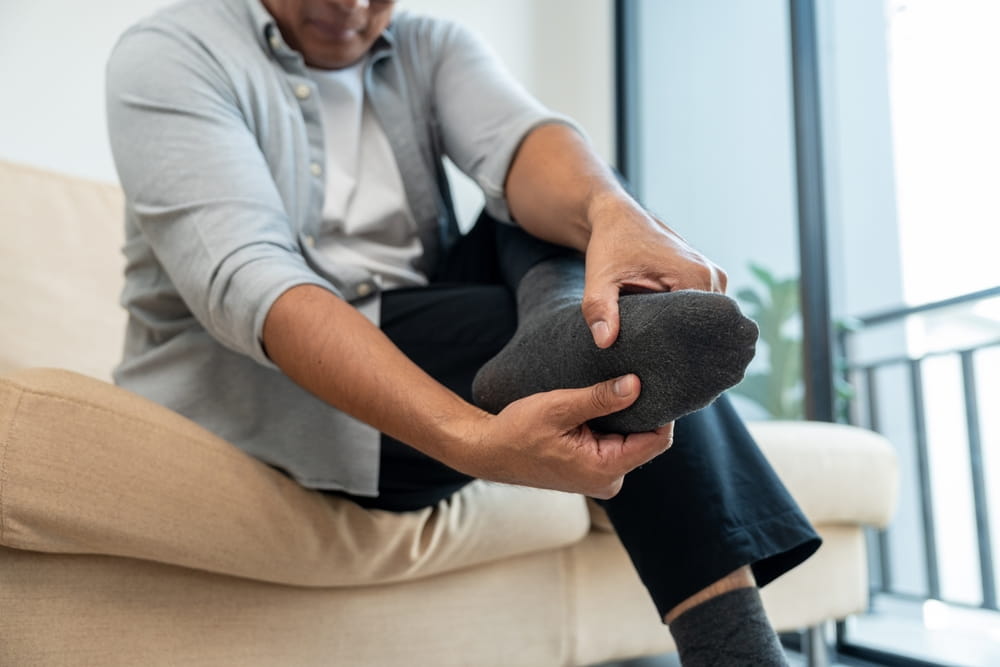
- Noticeable swelling in only one foot or ankle
- Swelling accompanied by pain or difficulty walking
- Redness, warmth, or changes in skin appearance
- Symptoms that continue to worsen over time
These signs do not automatically indicate a serious condition, but they may suggest that further evaluation could be beneficial.
Diagnostic tools such as medical imaging can sometimes help provide additional information about bones, joints, and soft tissues when persistent swelling requires further investigation.
Paying Attention to What Your Feet Are Telling You
The feet keep a fairly honest record of what the body experiences each day, and swelling is one of its most visible entries. The details are what matter: when it appears, how long it lasts, whether it affects one foot or both, and what symptoms accompany it.
Swelling that follows a long day and resolves overnight tells a very different story than swelling that persists, worsens, or shows up alongside pain or skin changes. Reading those patterns turns an everyday observation into genuinely useful health information, and noticing them early often allows concerns to be addressed while they are still simple.
That kind of pattern recognition is central to how Lone Star Orthopaedic and Spine Specialists, PLLC approaches lower-extremity health for patients throughout Mansfield, Fort Worth, and Burleson, TX, where circulation, activity, and foot mechanics are understood as pieces of a single, connected picture.
Sources
Ely, J. W., Osheroff, J. A., Chambliss, M. L., & Ebell, M. H. (2006). Approach to leg edema of unclear etiology. Journal of the American Board of Family Medicine.
Trayes, K. P., Studdiford, J. S., & Pickle, S. (2013). Edema: Diagnosis and management. American Family Physician.
Menz, H. B. (2005). Foot problems in older people: Assessment and management. Churchill Livingstone.