Every step begins with the feet. They absorb impact, maintain balance, and support the body through countless movements each day. Whether someone spends their time walking city streets, working long shifts on hard surfaces, or staying active outdoors, footwear becomes one of the most important factors influencing how the feet feel and function.
Many people underestimate how much shoes shape the mechanics of the body. When footwear supports natural alignment, the entire musculoskeletal system benefits—from the ankles to the knees, hips, and spine. Conversely, shoes that lack stability or cushioning may place extra strain on joints and soft tissues.
In a state like Texas, where warm weather encourages outdoor activity year-round, the right footwear can play a meaningful role in maintaining comfort and mobility. Thoughtful shoe choices help distribute weight evenly, absorb impact from walking or running, and support the intricate structures that allow the feet to move naturally.
The Remarkable Structure of the Human Foot
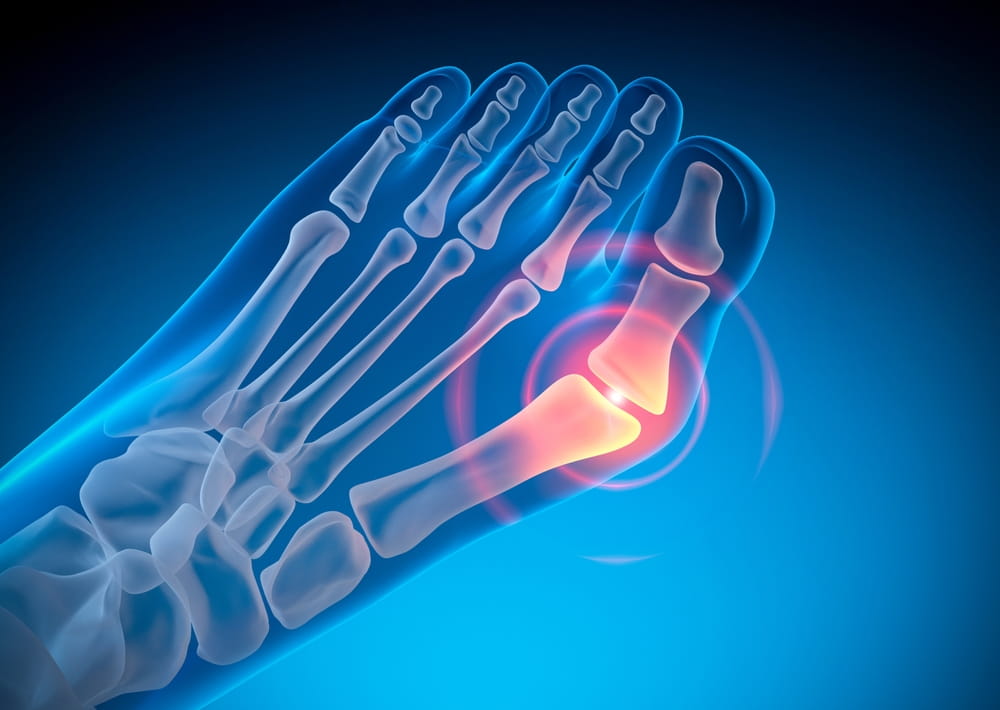
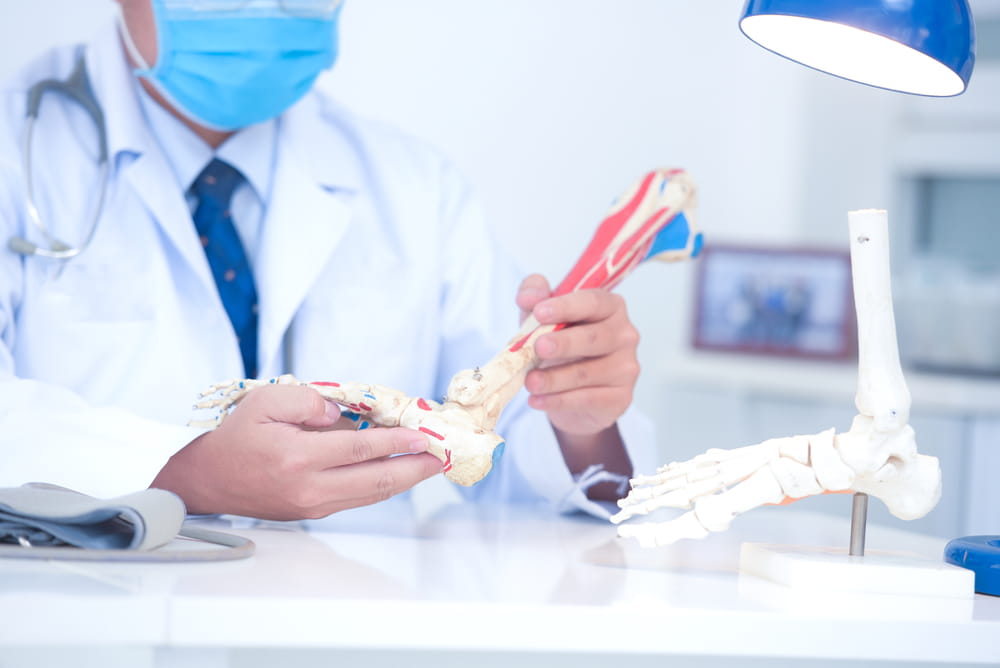
The human foot is an intricate system built for movement. Each foot contains 26 bones and more than 100 ligaments, tendons, and muscles working together to stabilize the body and manage the forces of walking, running, and standing.
One of the most important design features of the foot is the arch. The arch acts as a shock absorber, compressing slightly with each step and then springing back to help propel the body forward. When the arch is properly supported, pressure is distributed evenly across the foot’s surface.
Footwear plays a significant role in maintaining this balance. Shoes that flatten the arch or fail to provide adequate support may alter how the foot moves. Over time, repeated stress can create fatigue in muscles and connective tissues.
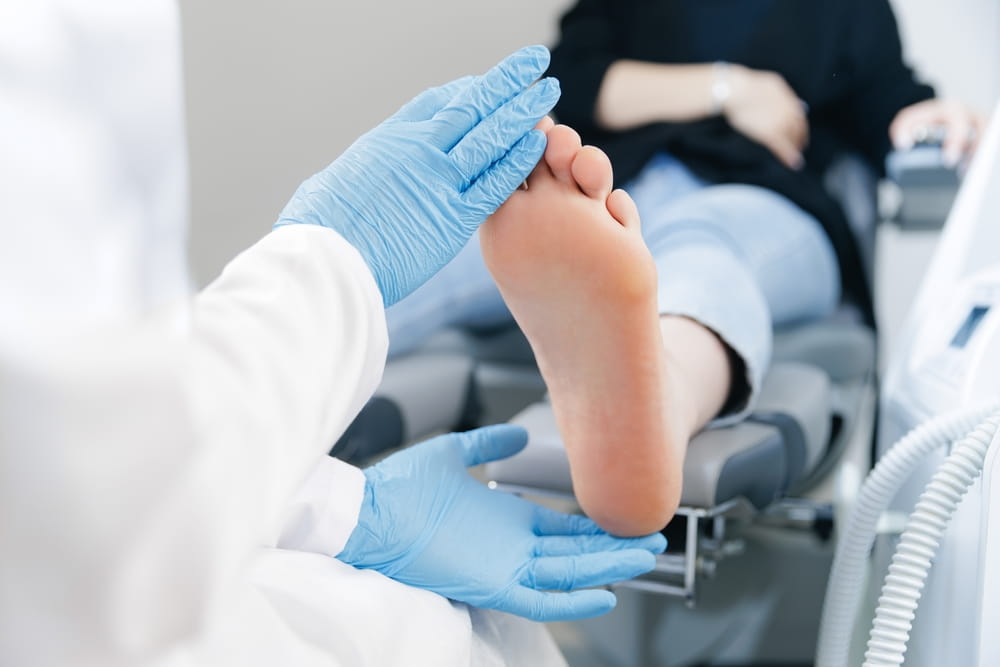
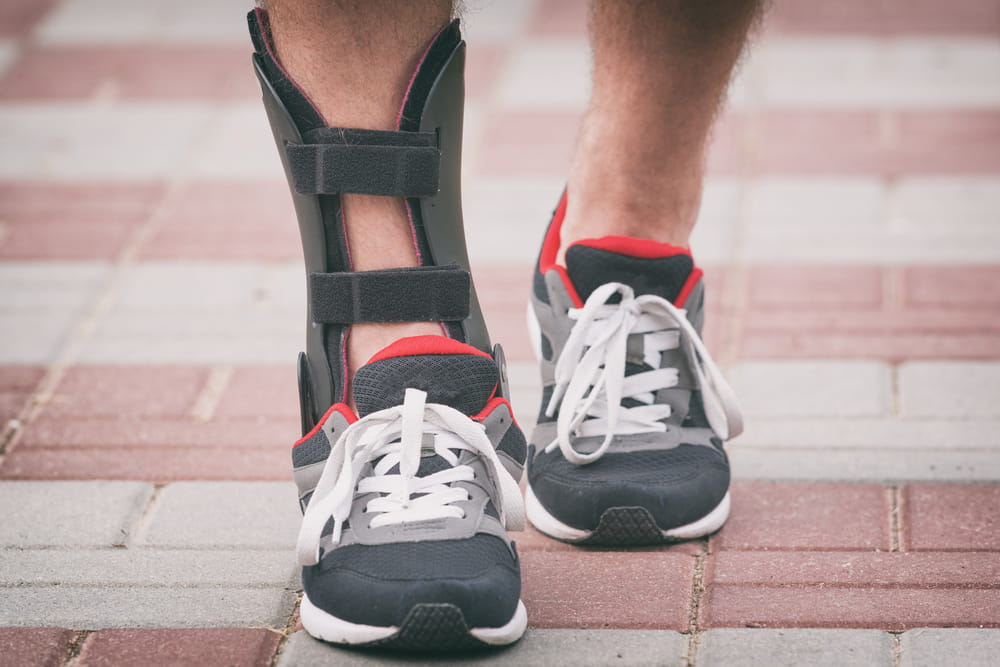
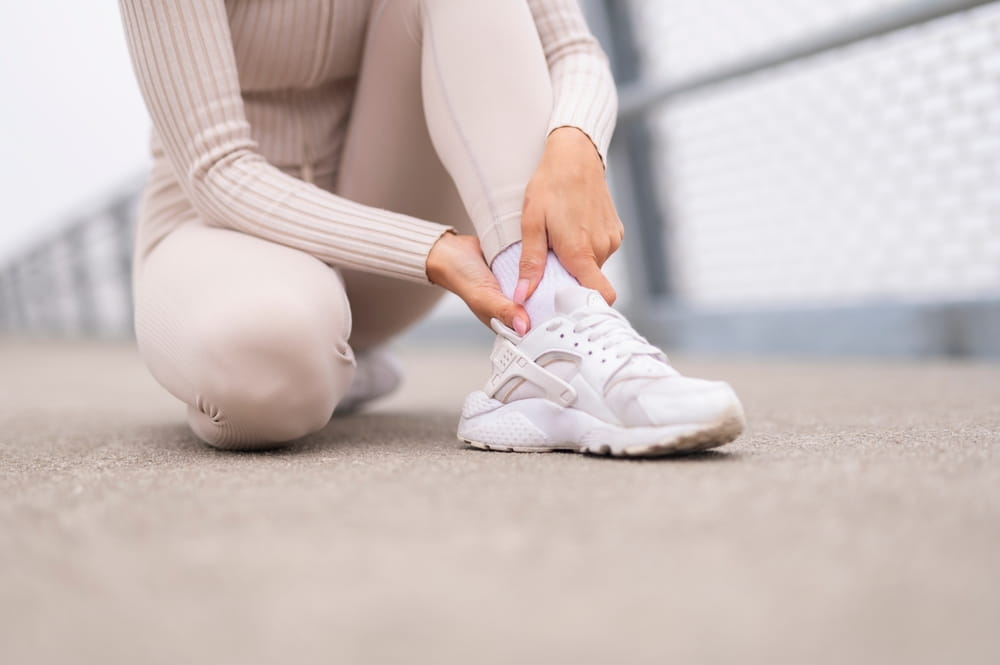
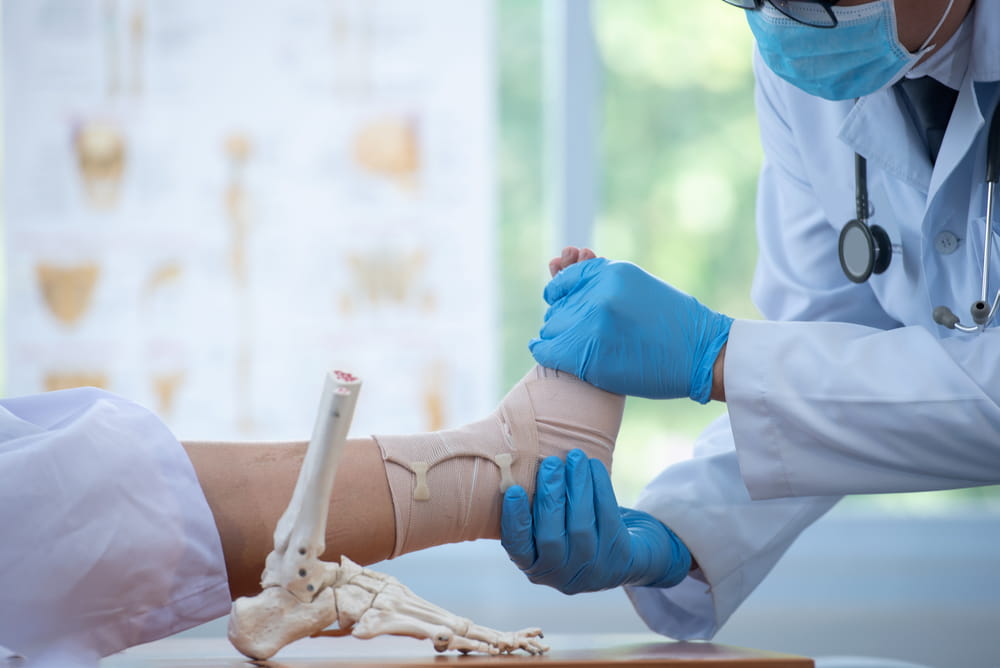
Understanding how the foot functions can make it easier to appreciate why proper footwear matters. Educational resources about ankle and foot care can provide helpful insights into the mechanics of this complex part of the body and how to protect it during everyday activities.
How Shoes Influence the Way the Body Moves
Footwear does more than cover the feet—it influences posture, stride length, and weight distribution. Every time a person walks or runs, the shoes they wear determine how impact travels through the lower body.
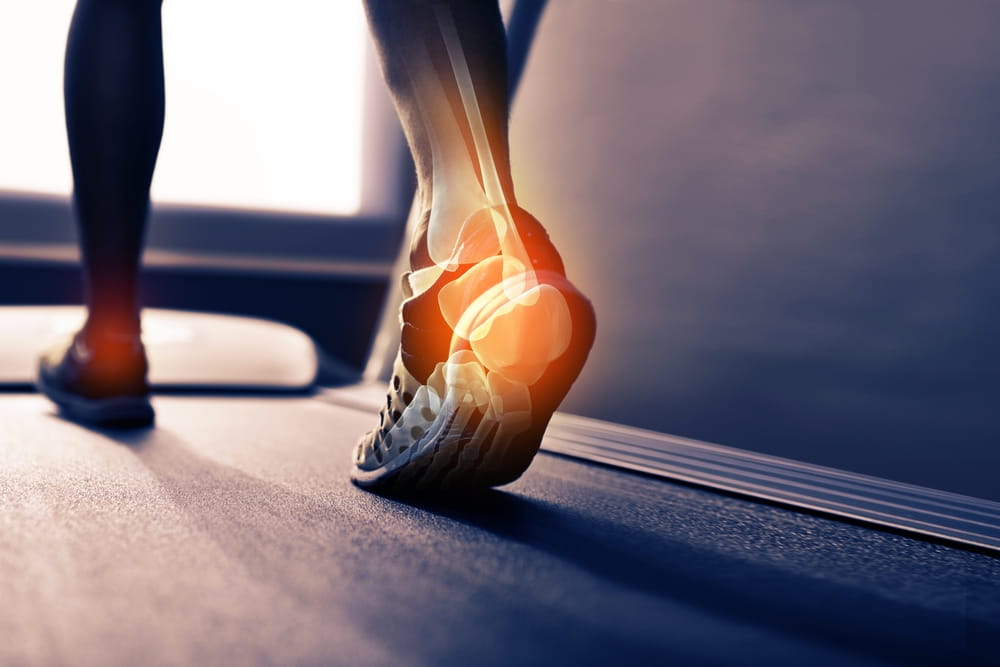
Supportive shoes help guide the foot through its natural movement pattern. When the heel lands, cushioning absorbs shock. As the foot rolls forward, stability features help maintain alignment. Finally, the forefoot bends to push the body into the next step.
Shoes lacking adequate support may interrupt this sequence. For instance, thin soles with minimal cushioning allow more impact to travel upward through the body. Similarly, shoes without a stable heel structure can permit excessive inward or outward rolling of the foot.
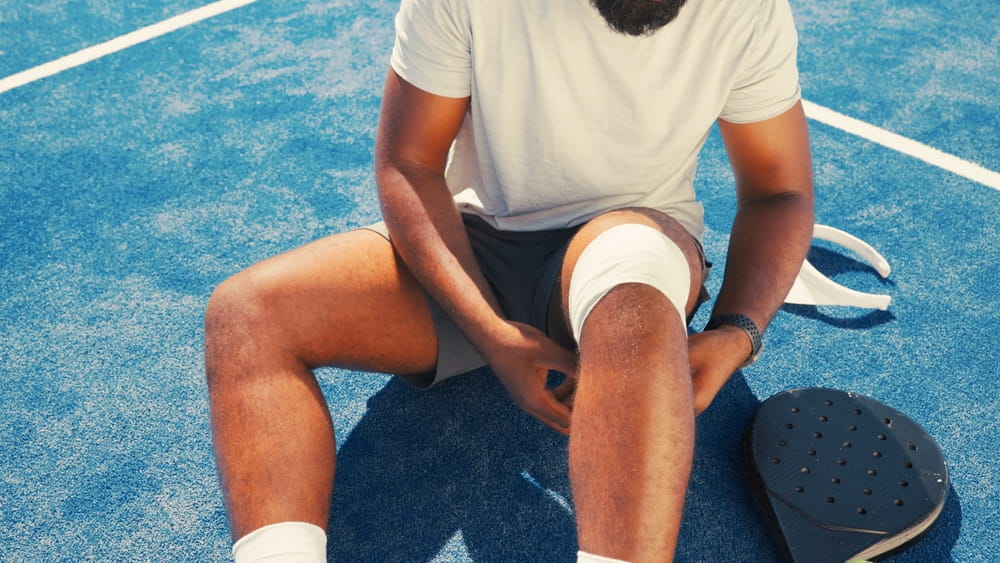
Over time, altered mechanics may affect not only the feet but also nearby joints. For example, misalignment in the foot can influence how the knee tracks during walking or running. Learning about conditions affecting the lower extremities, including the knee joint, helps illustrate how closely connected these systems are.
Because movement involves a chain of joints working together, supportive footwear can contribute to smoother, more efficient motion throughout the body.
Footwear Habits That May Contribute to Discomfort
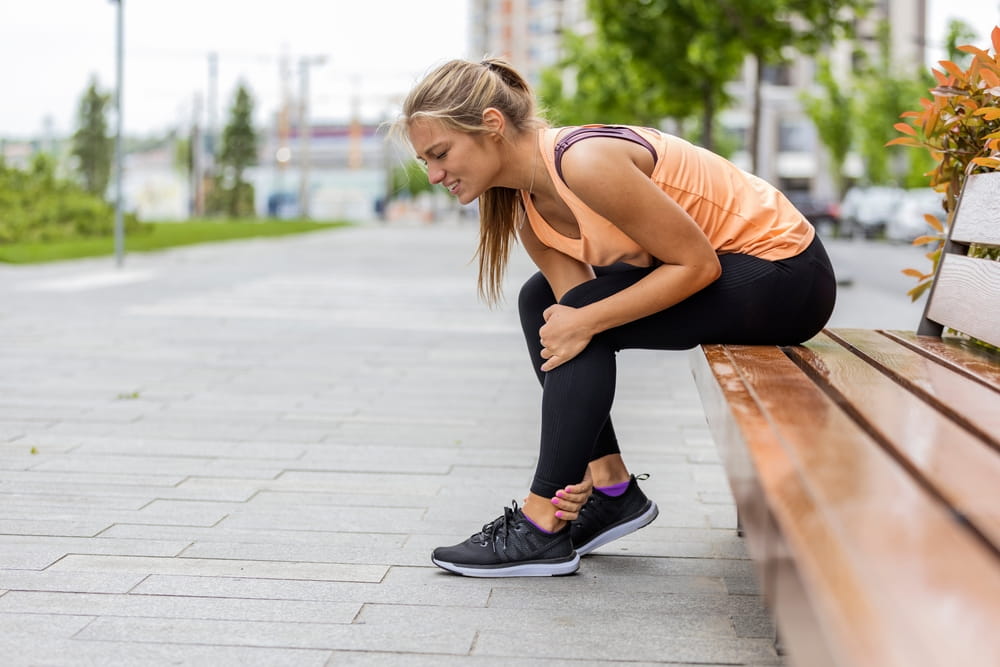
Many everyday footwear choices prioritize style or convenience rather than structural support. While occasional wear of less supportive shoes may not cause problems, frequent use can place repetitive stress on certain parts of the foot.
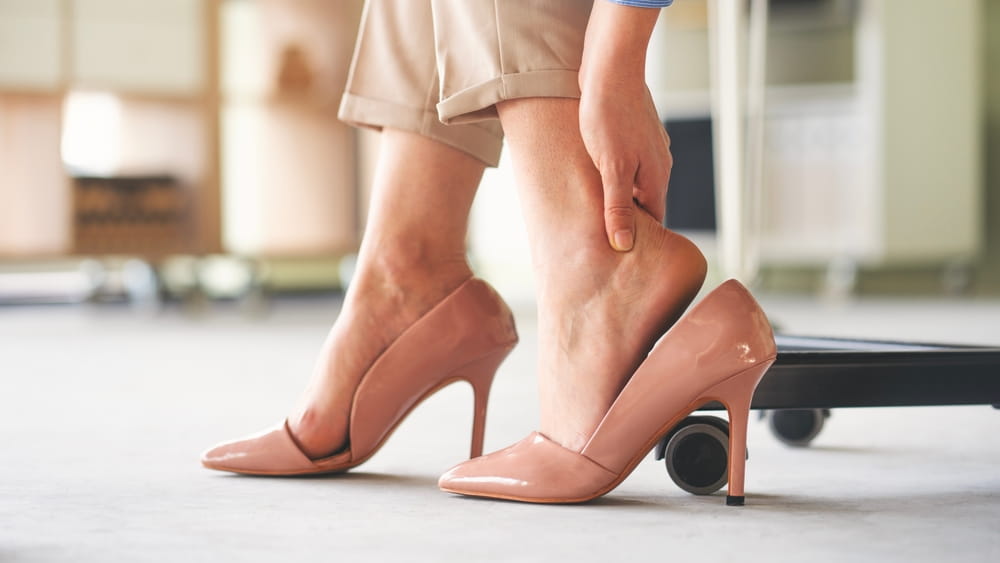
Shoes with narrow toe boxes, for instance, may crowd the toes together. This limits natural toe movement and shifts pressure toward the front of the foot. Over time, restricted toe space can affect balance and weight distribution.
Another common issue involves shoes that lack sufficient cushioning. Thin soles may expose the foot to repeated impact, particularly when walking on pavement or other hard surfaces.
Flip-flops and unsupportive sandals are often popular in warm climates, but their minimal structure can lead to instability during longer walks. Because these shoes lack heel support, the foot must work harder to maintain balance with each step.
Even athletic shoes can become problematic when they are worn beyond their functional lifespan. As cushioning materials break down, shoes lose their ability to absorb shock and stabilize movement.
The Key Features of Shoes That Support Foot Health
Supportive footwear shares several design characteristics that help maintain proper foot mechanics. Understanding these features can make shopping for shoes much easier.
Arch support is one of the most important elements. Because the arch bears a portion of body weight during movement, structured support helps prevent excessive strain on ligaments and tendons.
Cushioning is equally essential. High-quality midsoles absorb the repetitive forces created during walking or running. This reduces the impact transferred to the joints above the foot.
Heel stability also plays a critical role. A firm heel counter—the part of the shoe surrounding the back of the foot—helps keep the heel aligned during movement. This stability supports smoother transitions from heel strike to toe-off.
Toe box space should never be overlooked. Shoes with a wider front allow the toes to spread naturally, which improves balance and reduces pressure on the forefoot.
Finally, a well-designed outsole provides traction and durability while still allowing flexibility where the foot naturally bends. Together, these features help shoes function as supportive tools rather than simple accessories.
Matching Shoes to Everyday Activities
Not all shoes are designed for the same purpose. Activities place different demands on the feet, which is why selecting footwear suited to specific tasks can improve comfort and reduce unnecessary strain.
Walking shoes, for example, emphasize cushioning and flexibility. They allow the foot to roll smoothly from heel to toe during steady forward movement.
Running shoes typically provide additional shock absorption and specialized midsole technologies that help manage repetitive impact. These shoes often incorporate breathable materials and supportive structures that stabilize the foot during faster-paced activity.
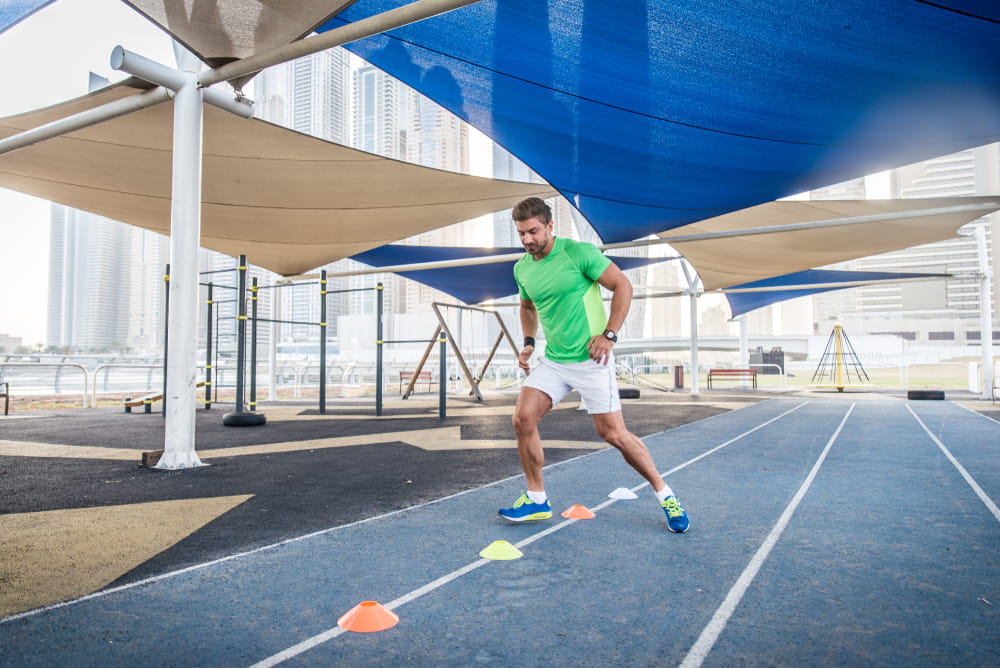
Sports involving quick direction changes—such as basketball or tennis—require footwear designed for lateral stability. These shoes include reinforced sides that help support the ankle during rapid movements.
For individuals who spend long hours standing at work, supportive everyday shoes become particularly important. Proper footwear can reduce fatigue and help distribute body weight evenly across the foot.
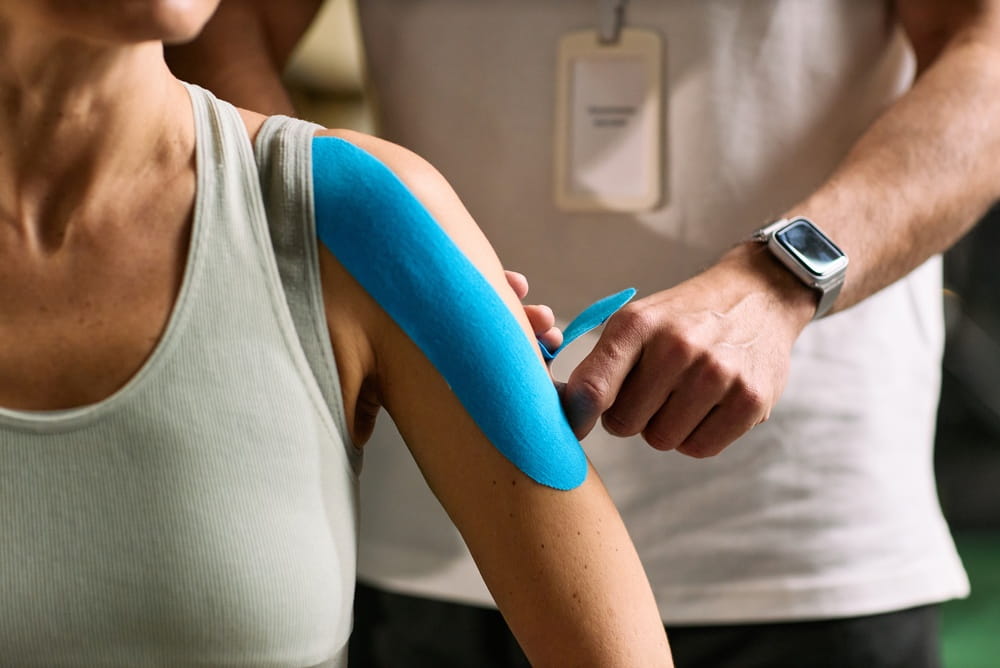
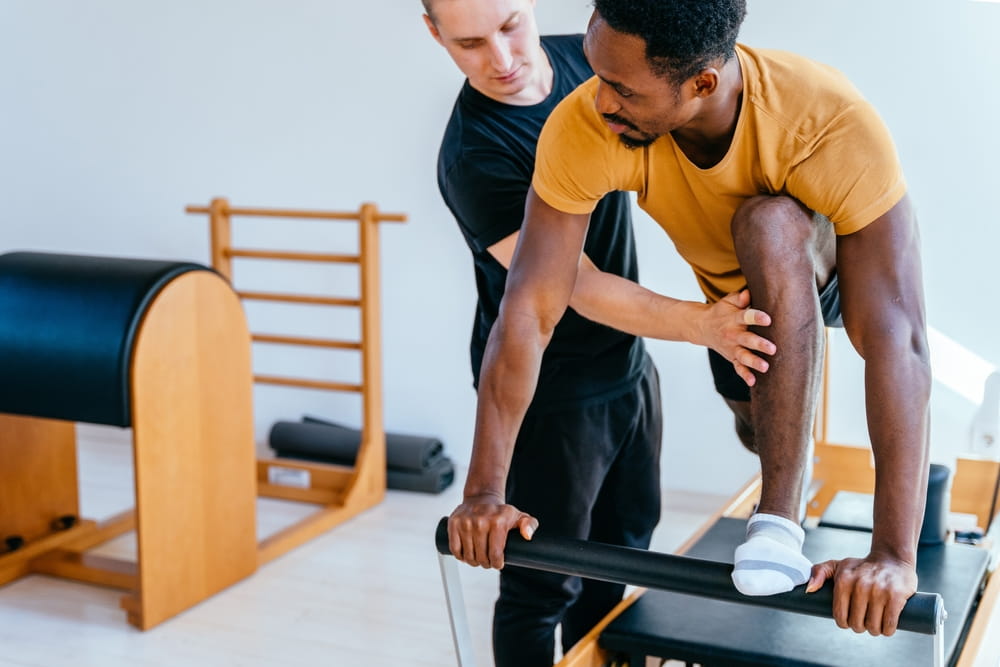
When discomfort persists despite appropriate footwear, therapies such as physical therapy may guide strengthening and mobility strategies that support overall movement health.
Everyday Strategies for Choosing Better Footwear
Making thoughtful footwear decisions does not require specialized knowledge. A few simple habits can go a long way toward protecting foot comfort and function.
Consider the following practical tips:
- Try shoes on later in the day when the feet are slightly larger from normal activity.
- Leave about a thumb’s width of space between the longest toe and the front of the shoe.
- Walk around while trying on shoes to assess comfort and stability.
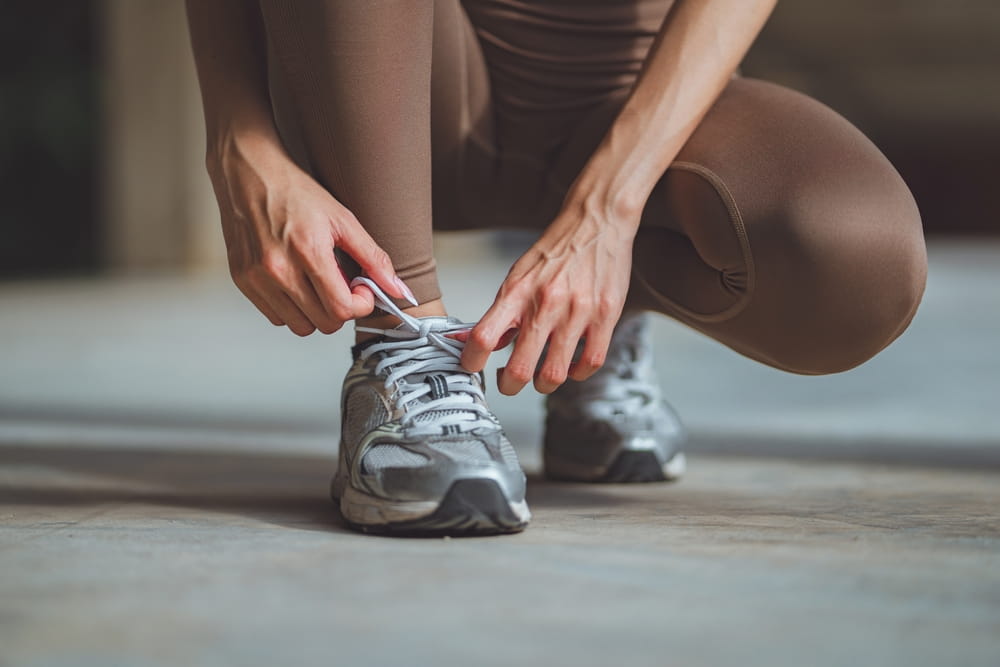
- Replace athletic shoes once cushioning and support begin to break down.
- Alternate between multiple pairs of shoes to reduce repetitive pressure patterns.
These small adjustments help ensure footwear continues to support healthy movement rather than contributing to strain.
The Role of Lifestyle in Long-Term Foot Comfort
Shoes are only one piece of the foot health puzzle. Lifestyle habits also influence how well the feet tolerate daily stress.
Regular physical activity helps maintain muscle strength in the lower legs and feet. Strong muscles provide additional support to the arches and help stabilize movement.
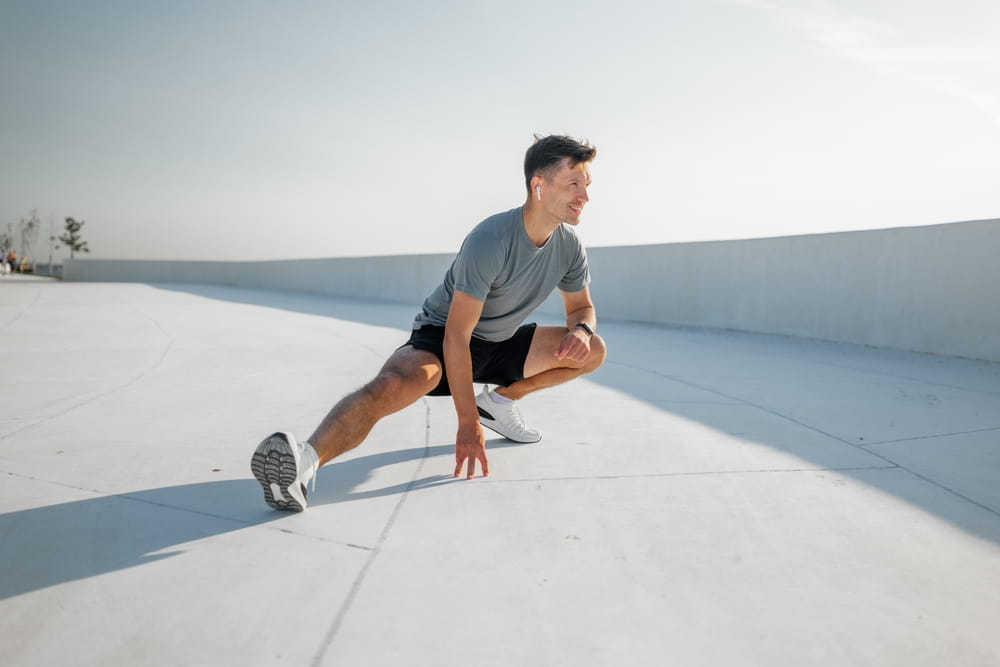
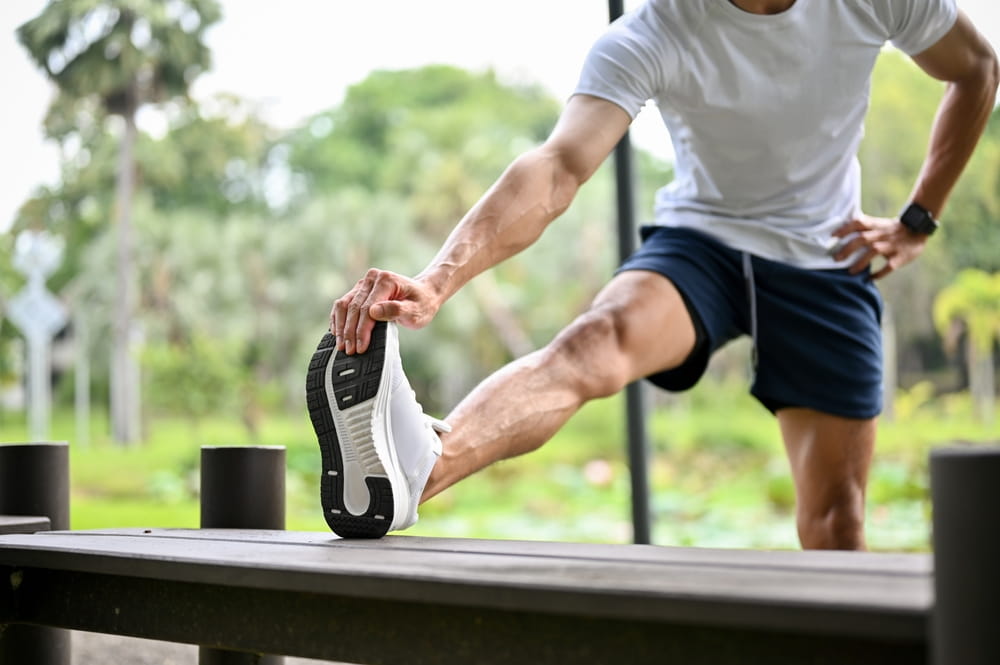
Stretching the calves and ankles may also improve flexibility, which allows the foot to move more naturally during walking or exercise. When these muscles remain tight, they can influence how pressure is distributed across the foot.
Body weight can also affect the amount of stress placed on the feet. Because the feet bear the full load of the body with every step, maintaining overall physical wellness may help reduce repetitive strain on the joints and connective tissues.
Attention to posture and walking technique further contributes to comfort. When the body moves in balanced alignment, the forces traveling through the feet distribute more evenly.
Supporting Healthy Feet for the Long Run
The feet carry the body through thousands of steps every day, often without much attention until discomfort appears. Yet the foundation of comfortable movement frequently begins with something as simple as a well-designed pair of shoes.
Supportive footwear helps maintain natural alignment, absorb impact, and protect the intricate structures that make movement possible. Choosing shoes with thoughtful design features—such as arch support, cushioning, and adequate toe space—can make everyday activities more comfortable.
Combined with healthy lifestyle habits and awareness of how the body moves, proper footwear becomes an important tool for long-term mobility. Individuals seeking to better understand foot mechanics and movement health can explore educational resources from Lone Star Orthopaedic Specialists in Texas for further insights into maintaining strong, healthy feet.
Sources
Riddle, D. L., & Schappert, S. M. (2004). Volume of ambulatory care visits and patterns of care for patients diagnosed with plantar fasciitis. Journal of the American Podiatric Medical Association.
Nix, S., Vicenzino, B., Smith, M., & Evans, A. (2012). Characteristics of footwear associated with foot pain in women: A systematic review. Journal of Foot and Ankle Research.
Menz, H. B., & Sherrington, C. (2000). The footwear of older people and its relationship to falls. Age and Ageing.