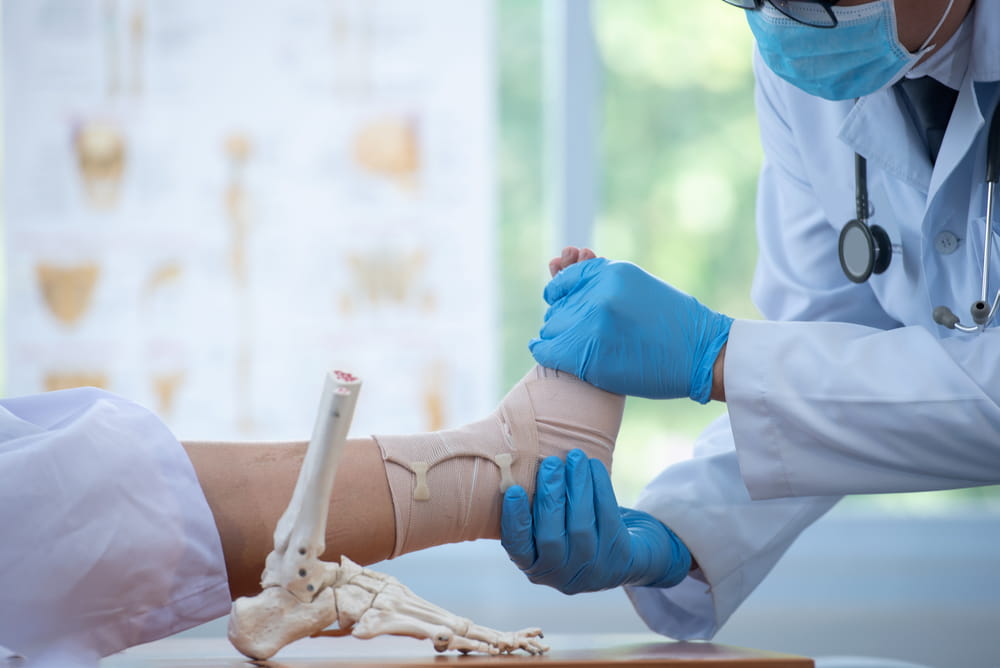
Heel pain is one of the most common foot complaints among adults, often affecting daily movement, work responsibilities, and overall quality of life. What may begin as mild soreness can quickly progress into persistent discomfort that makes walking, standing, or exercising difficult. Understanding the many causes of heel pain is an important step toward protecting long-term mobility. Lone Star Orthopaedic and Spine Specialists, PLLC in Mansfield, Fort Worth, and Burleson, TX, emphasizes education so patients can better recognize symptoms and understand why heel pain should not be ignored. This article discusses plantar fasciitis and other common causes of heel pain, how symptoms differ, and why early awareness matters.
Why Heel Pain Is So Common in Adults
The heel plays a critical role in absorbing impact with every step. When walking, running, or standing, the heel bears significant forces that travel upward through the foot and leg. Over time, repetitive stress, changes in foot structure, and activity demands can overwhelm the tissues that support the heel.
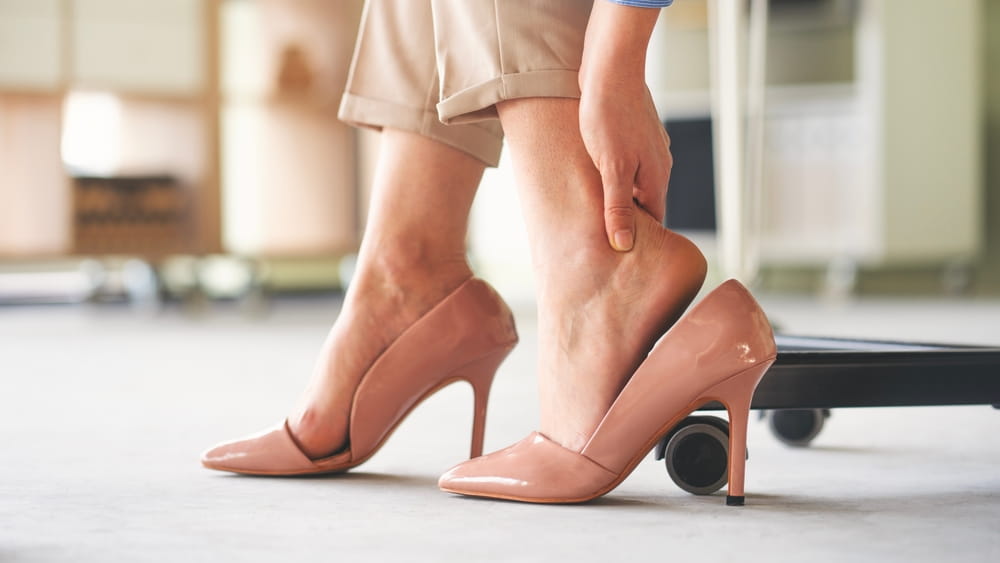
Adults are particularly susceptible to heel pain due to cumulative wear on the feet. Factors such as prolonged standing, increased body weight, unsupportive footwear, and reduced flexibility can all contribute. Because the heel is involved in nearly every movement, even minor irritation can become noticeable quickly and interfere with normal routines.
Understanding Plantar Fasciitis
Plantar fasciitis is one of the most well-known causes of heel pain. It involves irritation of the plantar fascia, a thick band of connective tissue that runs along the bottom of the foot from the heel to the toes. This tissue helps support the arch and absorbs shock during movement.
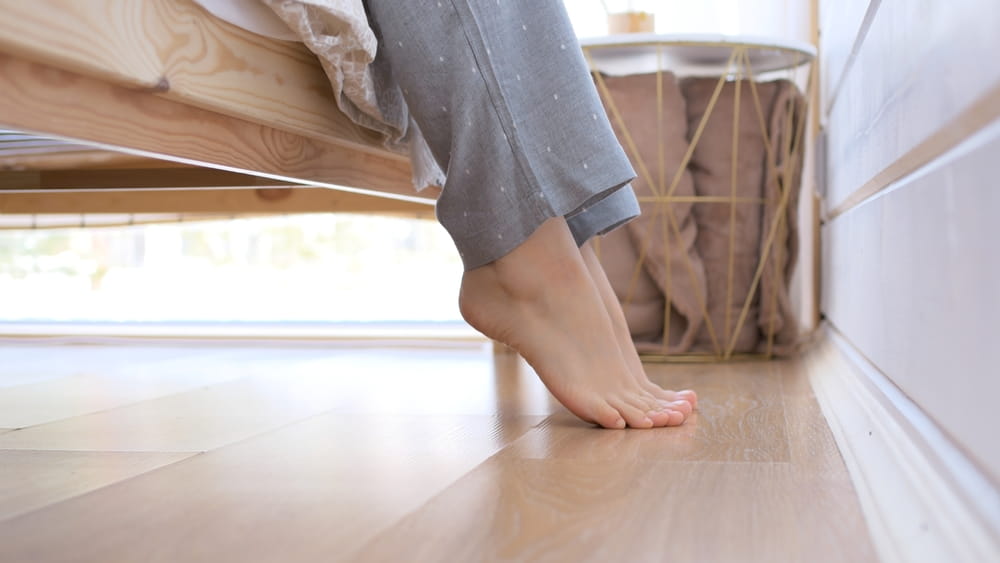
Pain from plantar fasciitis is often described as sharp or stabbing, particularly with the first steps in the morning or after long periods of rest. Symptoms may ease as the foot warms up, only to return after prolonged activity or at the end of the day. While plantar fasciitis is common, it is only one of several conditions that can affect the heel.
Other Causes of Heel Pain Beyond Plantar Fasciitis
Not all heel pain originates from the plantar fascia. Several other conditions can produce similar or overlapping symptoms. Achilles tendinopathy, for example, involves irritation of the Achilles tendon where it attaches to the heel bone. This condition may cause pain at the back of the heel, stiffness after rest, or discomfort during activity.
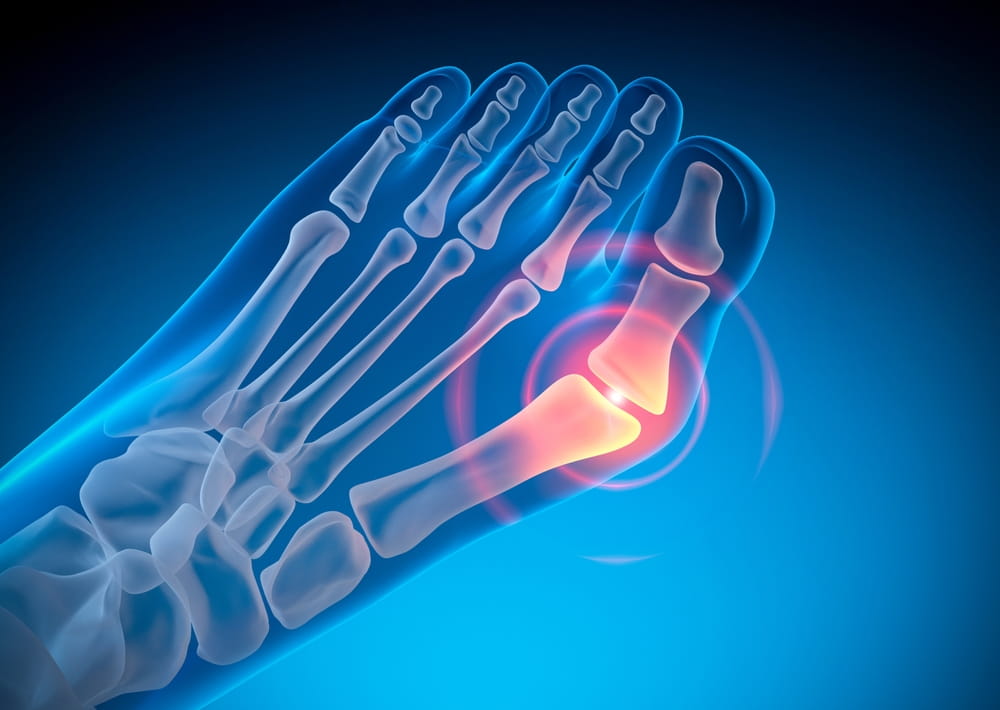
Heel spurs are another potential contributor. These bony growths can develop on the underside of the heel bone over time. While heel spurs are often associated with plantar fasciitis, they do not always cause pain on their own. Stress fractures, which are tiny cracks in the heel bone caused by repetitive impact, may also lead to persistent soreness that worsens with weight-bearing.
Nerve-related conditions, such as tarsal tunnel syndrome, can cause burning, tingling, or shooting pain in the heel or foot. Inflammatory conditions and arthritis affecting the foot joints may also contribute to heel discomfort, particularly in individuals with a history of joint disease or prior injury.
How Heel Pain Presents Differently
The location, timing, and quality of heel pain often provide clues about its cause. Pain felt directly under the heel with the first steps in the morning commonly points toward plantar fascia involvement. Discomfort at the back of the heel may suggest Achilles tendon irritation or bursitis.
Pain that worsens steadily with activity rather than easing may raise concern for stress-related bone issues. Numbness, tingling, or electric-like sensations may indicate nerve involvement rather than purely soft tissue strain. Understanding these differences helps individuals recognize when heel pain may involve more than simple overuse.
The Impact of Foot Mechanics on Heel Pain
Foot structure plays a significant role in how forces are distributed across the heel. Flat feet may place additional strain on the plantar fascia, while high arches can concentrate pressure on the heel during impact. Gait patterns, ankle mobility, and calf muscle flexibility also influence heel stress.
Over time, altered foot mechanics can lead to compensatory movement patterns. Individuals may unconsciously shift weight to avoid pain, which can affect the ankles, knees, hips, or lower back. Learning about ankle and foot health provides helpful insight into how alignment and biomechanics contribute to heel pain and overall mobility.
When Heel Pain Becomes Chronic
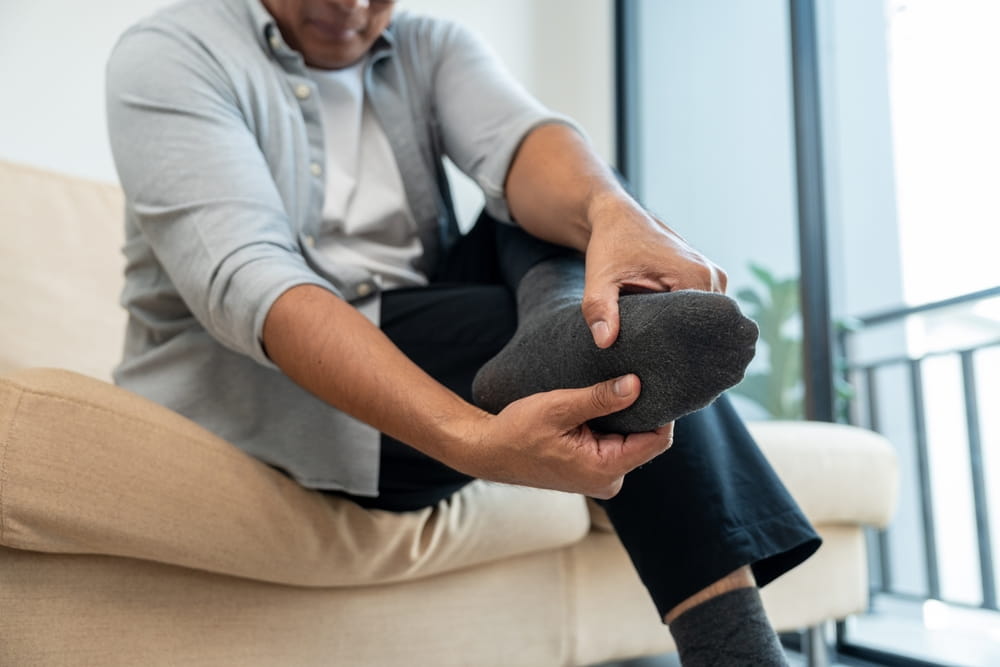
Occasional heel soreness after a long day is common, but pain that persists for weeks or months deserves closer attention. Chronic heel pain often indicates ongoing tissue irritation or structural stress that has not had adequate time or support to resolve.
Ignoring persistent heel pain can lead to worsening symptoms and reduced activity levels. Over time, limited movement may contribute to stiffness, weakness, and decreased balance. Recognizing when heel pain is no longer temporary supports earlier understanding and more thoughtful responses.
How Specialists Evaluate Heel Pain
Evaluating heel pain involves more than identifying where it hurts. Specialists consider symptom patterns, activity levels, footwear habits, and overall foot mechanics. Physical examination often focuses on tenderness points, range of motion, and how pain changes with movement or pressure.
Imaging may sometimes be used to better understand bone structure, soft tissue involvement, or nerve pathways when symptoms are unclear or persistent. Because heel pain can be influenced by alignment throughout the lower extremity, evaluation often considers the ankles, knees, hips, and even posture.
Why Early Understanding Matters
Early recognition of heel pain patterns allows individuals to better understand what their symptoms may indicate. Addressing contributing factors such as footwear, activity load, and flexibility early on can help prevent progression into more persistent discomfort.
Delaying attention may allow inflammation or tissue stress to build, increasing recovery time and frustration. Education empowers individuals to differentiate between temporary soreness and symptoms that signal an ongoing issue requiring closer evaluation.
Supporting Heel Health in Daily Life
While not all heel pain can be prevented, certain habits support foot health and reduce unnecessary strain. Choosing supportive footwear, gradually increasing activity levels, and maintaining flexibility in the calves and feet can all help protect the heel.
Helpful daily strategies include:
- Wearing shoes with adequate cushioning and arch support
- Avoiding sudden increases in walking, running, or standing time
- Stretching the calves and plantar fascia regularly
- Rotating footwear to reduce repetitive stress patterns
- Paying attention to early discomfort rather than pushing through pain
Because heel pain may influence walking mechanics, learning about general orthopaedic health can provide broader context for how foot discomfort affects the rest of the body.
How Heel Pain Can Affect the Whole Body
Persistent heel pain often leads to compensatory movement patterns. Limping or favoring one foot can place additional strain on other joints and muscles. Over time, this compensation may contribute to discomfort in the ankles, knees, hips, or lower back.
Understanding these connections reinforces why heel pain should be addressed thoughtfully. Foot discomfort is rarely isolated, and its effects can extend throughout the musculoskeletal system if movement patterns are altered for long periods.
Staying Informed About Heel Pain in Adults
Heel pain in adults is common, but it is not something that should be dismissed as inevitable. Whether caused by plantar fasciitis, tendon irritation, nerve involvement, or structural stress, understanding the source of heel pain supports better long-term mobility and comfort.
For individuals in Mansfield, Fort Worth, and Burleson, Lone Star Orthopaedic and Spine Specialists, PLLC offers educational insight into foot health and musculoskeletal conditions. Recognizing the causes of heel pain and understanding why early awareness matters can help individuals stay active, confident, and comfortable with every step.
Sources
Goff, J. D., & Crawford, R. (2011). Diagnosis and treatment of plantar fasciitis. American Family Physician.
Thomas, J. L., et al. (2010). The diagnosis and treatment of heel pain: A clinical practice guideline. Journal of Foot and Ankle Surgery.
Irving, D. B., Cook, J. L., & Menz, H. B. (2006). Factors associated with chronic plantar heel pain. Journal of Science and Medicine in Sport.