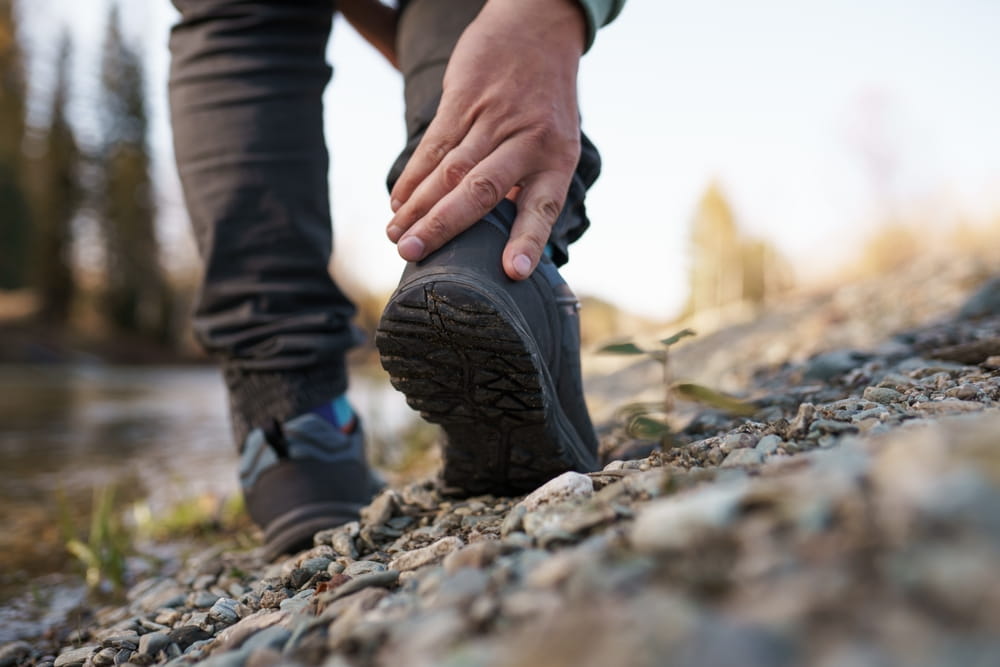
Sometimes foot discomfort seems to arrive without a clear reason. There’s no specific misstep or sudden strain—just a growing awareness that something feels off when walking or standing. Arch pain often develops this way, quietly building over time rather than appearing all at once.
Because the arch supports nearly every movement, even minor shifts in how the foot handles pressure can lead to noticeable discomfort. People throughout Fort Worth, Mansfield, Burleson, and nearby North Texas communities often begin to notice this during everyday routines—long workdays, increased activity, or even changes in footwear.
At Lone Star Orthopaedic and Spine Specialists, PLLC, these patterns are frequently linked back to how the foot adapts to repeated use and subtle biomechanical changes, rather than a single identifiable injury.
The Role of the Arch in Foot Function
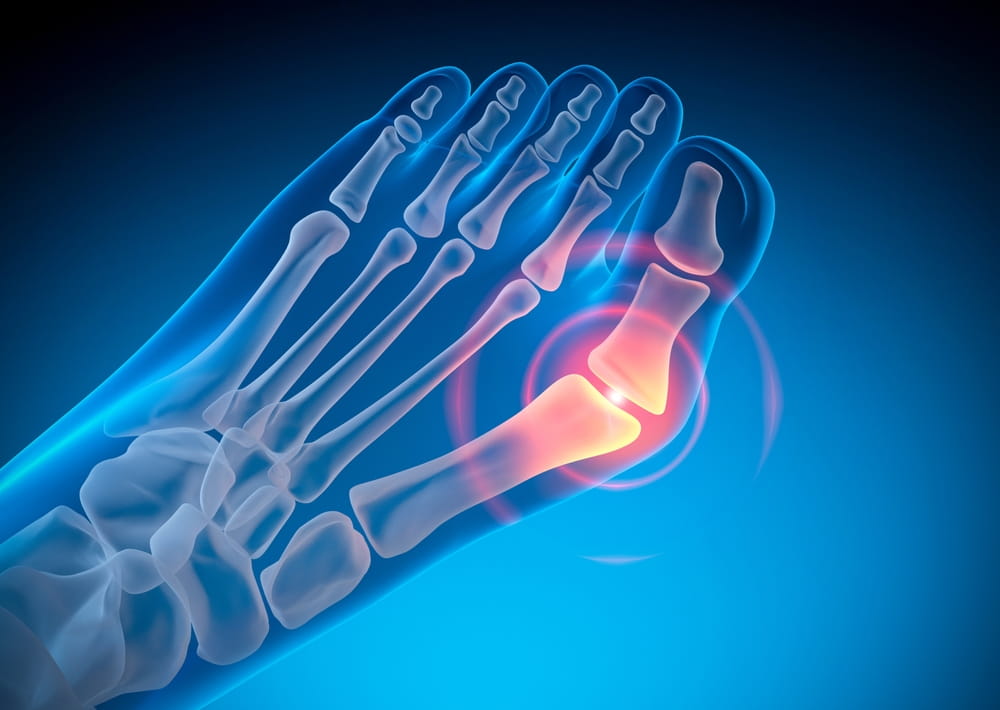
The arch of the foot acts as a natural support system. It helps distribute weight evenly and absorbs shock during movement. Each step relies on the arch to flex slightly, then return to its original shape, creating a spring-like effect.
This structure is supported by a combination of ligaments, tendons, and muscles that work together to maintain stability. When these structures are functioning properly, the foot moves efficiently and comfortably.
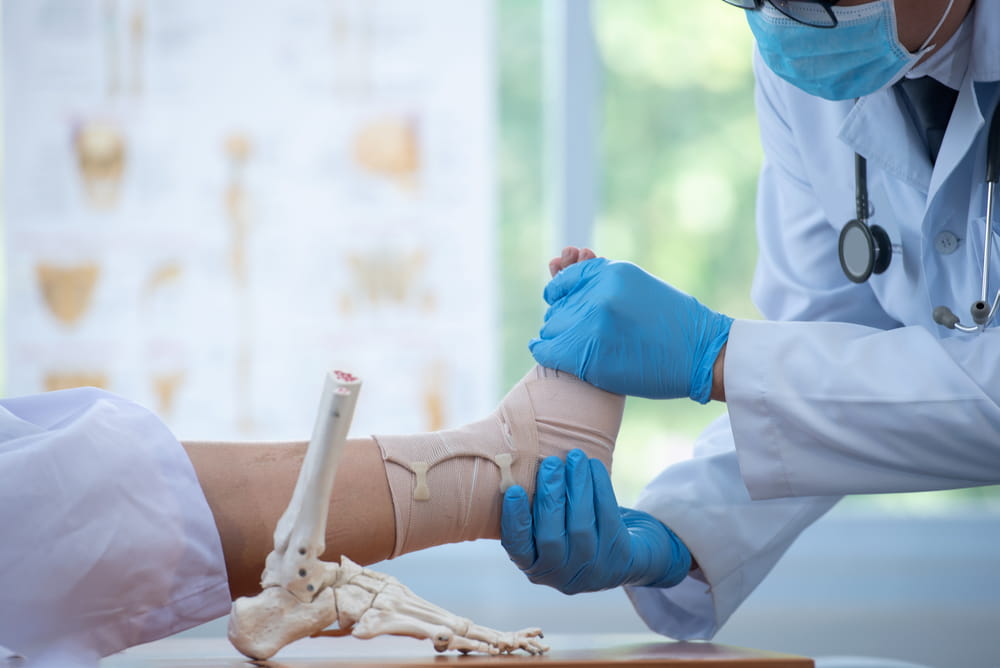
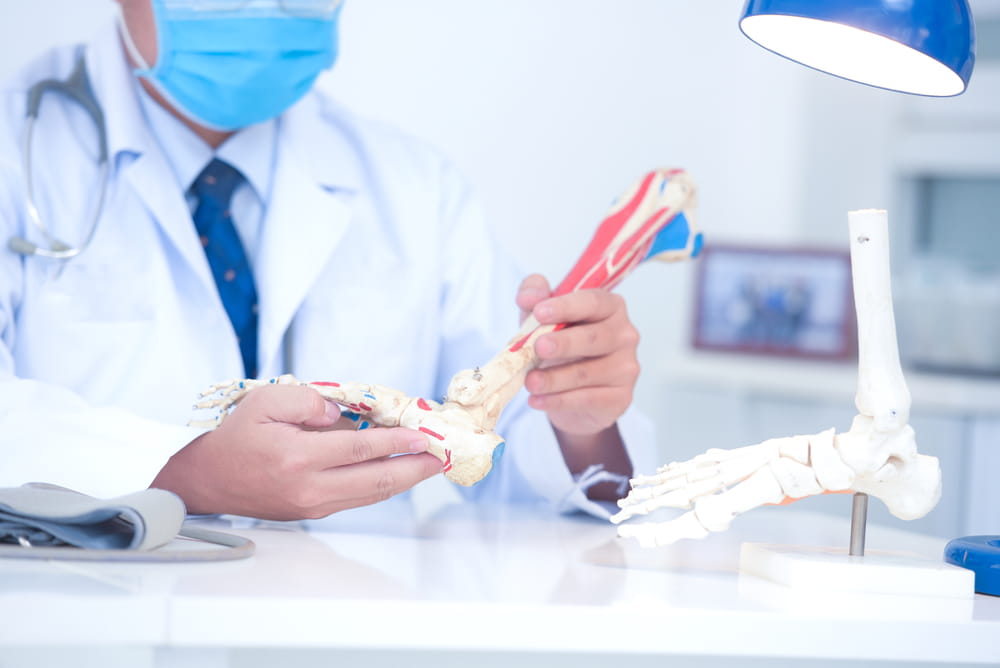
Learning more about ankle and foot conditions can help illustrate how the arch contributes to overall movement and why changes in this area may lead to discomfort.
Overuse and Repetitive Stress
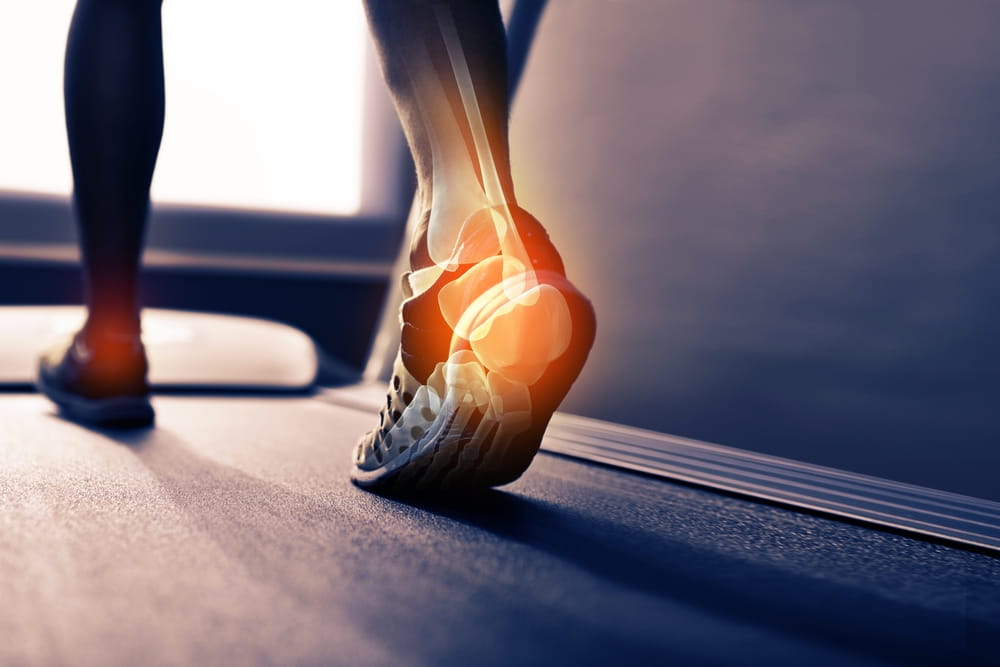
One of the most common reasons arch pain develops without a clear injury is repetitive stress. Activities that involve prolonged standing, walking, or running can place consistent pressure on the arch.
Over time, this repeated loading may strain the tissues that support the arch. Even daily routines—like standing on hard floors or increasing step count—can gradually add stress to the foot.
Because these changes happen incrementally, the discomfort may not be immediately noticeable. Instead, it tends to build slowly, often becoming more apparent after activity or at the end of the day.
Changes in Foot Mechanics
Foot mechanics influence how pressure is distributed across the arch. Differences in arch height—such as flat feet or higher arches—can affect how the foot absorbs impact.
For instance, a lower arch may allow the foot to roll inward more, placing extra strain on supporting structures. A higher arch may limit shock absorption, concentrating pressure in specific areas.
These variations are common, but when combined with repetitive activity or limited support, they may contribute to ongoing discomfort in the arch.
The Impact of Footwear
Footwear can significantly affect how the arch functions throughout the day. Shoes that lack proper support may allow the foot to absorb more stress than it is designed to handle.
Minimal cushioning, worn-out soles, or poor arch support can increase pressure with each step. Over time, this added strain may lead to irritation in the tissues that support the arch.
Choosing footwear that provides stability and cushioning can help reduce this stress and improve overall comfort during daily activities.
Tight Muscles and Limited Flexibility
The muscles of the lower leg and foot play a direct role in supporting the arch. Tightness in the calves or Achilles tendon can influence how the foot moves during walking or standing.
When these muscles are less flexible, they may alter the distribution of pressure across the foot. This can increase strain on the arch and contribute to discomfort.
Maintaining flexibility in these muscle groups supports more balanced movement and may help reduce tension in the foot.
The Connection Between the Foot and the Rest of the Body
The foot is part of a larger system that includes the ankles, knees, hips, and spine. When one area changes, it can influence how the rest of the body moves.
For example, altered foot mechanics may affect alignment in the knee, which can change how weight is distributed during walking. Over time, these adjustments may contribute to discomfort beyond the foot itself.
Recognizing how these areas interact helps explain why addressing foot mechanics can support overall movement.
Recognizing Early Signs of Arch Strain
Arch discomfort often begins subtly. Early signs may be easy to overlook, especially if they come and go.
Some common indicators include:
- A dull ache in the arch during or after activity
- Discomfort that increases with prolonged standing
- Tenderness along the bottom of the foot
- Tightness in the foot or lower leg
- Reduced comfort when walking barefoot
Noticing these patterns early can help prevent the discomfort from becoming more persistent.
Supporting Foot Comfort Through Movement and Care
Maintaining foot comfort often comes down to small, consistent habits. Movement, flexibility, and proper support all play a role in how the foot handles daily stress.
Stretching the calves and feet can help reduce tension, while strengthening exercises may support the structures that stabilize the arch. These efforts help the foot adapt more effectively to activity.
Some individuals also explore guided approaches like physical therapy to improve movement patterns and coordination, particularly when discomfort persists.
Why Arch Pain Often Builds Gradually
Arch pain without injury is rarely caused by a single moment. Instead, it tends to reflect how the body responds to repeated stress, changes in routine, or subtle shifts in movement over time.
Looking at daily habits—how much time is spent standing, what type of shoes are worn, and how activity levels change—can often provide clues. These factors quietly shape how the foot absorbs pressure and maintains balance.
For people in and around Fort Worth, Mansfield, Burleson, and the broader North Texas region, these patterns often show up during normal routines rather than isolated events. Lone Star Orthopaedic and Spine Specialists, PLLC helps put those experiences into context, offering a clearer understanding of how everyday movement can influence foot comfort over time.
Sources
Riddle, D. L., & Schappert, S. M. (2004). Volume of ambulatory care visits and patterns of care for patients diagnosed with plantar fasciitis. Journal of the American Podiatric Medical Association.
Rome, K., & Howe, T. (1998). Has the effectiveness of therapeutic ultrasound in the treatment of plantar fasciitis been demonstrated? Physical Therapy Reviews.
Menz, H. B. (2005). Foot problems in older people: Assessment and management. Churchill Livingstone.