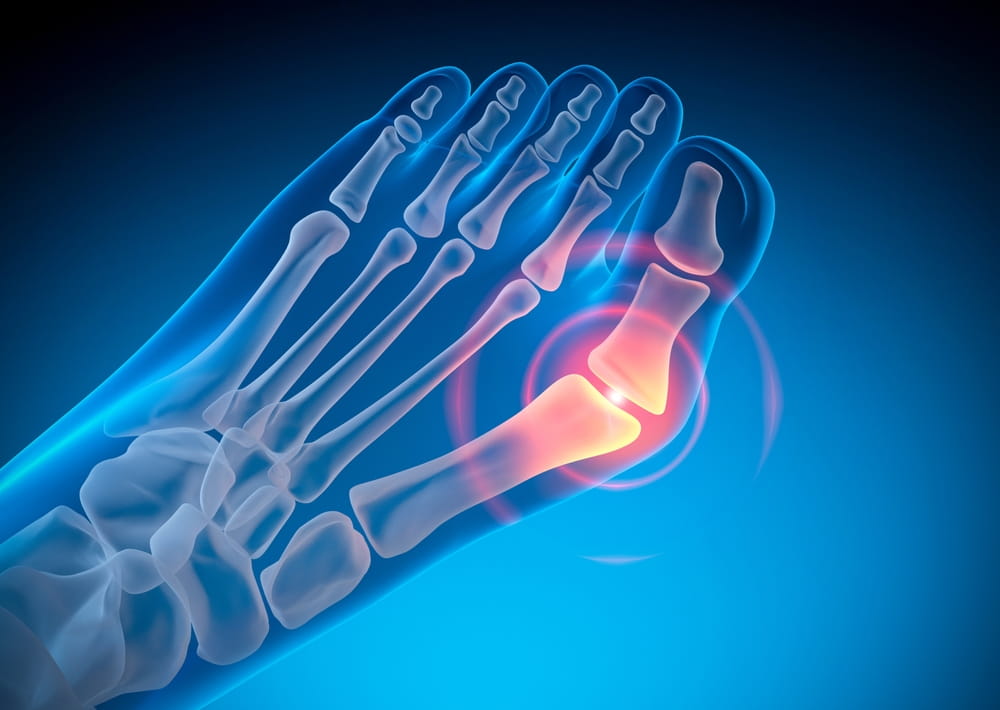
Early care helps prevent long-term pain. Tendon injuries affecting the foot and ankle are common among athletes, active adults, and individuals whose daily routines involve prolonged standing or repetitive movement. These injuries can make walking, running, or even standing uncomfortable. At Lone Star Orthopaedic and Spine Specialists, PLLC, serving Mansfield, Fort Worth, and Burleson, TX, patients often ask how tendon injuries occur and what factors influence recovery.
Tendons play a crucial role in foot and ankle function. They connect muscles to bones and allow the foot to move smoothly during walking, running, and jumping. When tendons become irritated, overstretched, or torn, movement can become painful and stability may decline. Understanding how these injuries develop and how the body heals them can help individuals recognize early warning signs and take steps that support recovery.
What Tendons Do in the Foot and Ankle
The foot and ankle contain several major tendons that help control movement and maintain stability. These tendons allow the foot to push off the ground, absorb shock, and adapt to uneven surfaces.
One of the most well-known tendons is the Achilles tendon, which connects the calf muscles to the heel bone. This tendon helps power movements such as running, jumping, and climbing stairs. Because it bears significant force during activity, it is also one of the tendons most vulnerable to injury.
Other important tendons include the posterior tibial tendon, which supports the arch of the foot, and the peroneal tendons along the outside of the ankle that help stabilize the foot during motion. When these tendons become strained or inflamed, normal foot mechanics can be disrupted.
More information about the anatomy and conditions affecting these structures can be explored when reviewing foot and ankle care and how these tendons support mobility.
Common Causes of Tendon Injuries
Tendon injuries in the foot and ankle can occur for several reasons. In many cases, they develop gradually due to repetitive stress. Activities such as running, jumping, hiking, or playing sports can place repeated strain on tendons over time.
Sudden increases in activity levels are another common cause. For example, starting a new exercise routine, increasing mileage too quickly while running, or returning to sports after a long break may overload tendons that are not fully conditioned for the activity.
Improper footwear can also contribute. Shoes that lack proper support or cushioning may increase strain on the tendons responsible for stabilizing the foot. Uneven surfaces, steep hills, and high-impact sports can further amplify stress on these structures.
In some cases, tendon injuries occur suddenly during a forceful movement, such as a jump or abrupt change in direction. These acute injuries may involve partial tears or more severe tendon damage. Athletes who participate in high-impact activities may encounter these types of injuries more frequently, and broader strategies discussed in sports medicine often address how repetitive athletic stress can affect joints and tendons throughout the body.
Types of Tendon Injuries in the Foot and Ankle
Tendon injuries can vary in severity and type. The most common tendon-related conditions include tendinitis, tendinosis, and tendon tears.
Tendinitis refers to inflammation of a tendon, often caused by repetitive stress. This condition typically produces pain, swelling, and stiffness around the affected area.
Tendinosis, on the other hand, involves degeneration of tendon fibers over time. Instead of acute inflammation, the tendon gradually weakens due to repeated micro-damage. This process can lead to persistent discomfort and reduced strength.
In more severe cases, tendons may partially or completely tear. Achilles tendon ruptures, for example, can occur during explosive movements such as sprinting or jumping. These injuries may cause sudden pain, difficulty walking, and reduced ability to push off the foot.
Symptoms That May Signal a Tendon Injury
Tendon injuries often begin with mild symptoms that gradually become more noticeable. Early discomfort may appear during or after physical activity and improve with rest.
Common symptoms include:
- Pain along the back, inside, or outside of the ankle
- Swelling or tenderness around a tendon
- Stiffness that improves with movement
- Weakness when pushing off the foot
- Difficulty walking, running, or climbing stairs
In some cases, individuals may notice warmth or mild redness near the affected tendon. Pain may also increase after periods of rest, such as first thing in the morning.
Recognizing these symptoms early can help individuals adjust activity levels before the injury progresses further.
How Tendon Injuries Affect Daily Movement
Because tendons help control foot movement, injuries can influence balance and walking mechanics. Even mild tendon irritation may cause individuals to change the way they walk to avoid discomfort.
This altered movement pattern can shift weight to other joints, including the knees, hips, or lower back. Over time, these compensations may create additional strain on surrounding muscles and joints. For example, individuals who modify their walking pattern may place more stress on the knee joint, which is why understanding knee conditions and injuries can help explain how lower body alignment influences overall movement.
For athletes, tendon injuries may interfere with running, jumping, or quick directional changes. Even everyday tasks such as walking long distances or standing for extended periods may become uncomfortable.
Addressing symptoms early can help reduce these compensatory patterns and support healthier movement.
Why Early Attention Matters
Tendon injuries often respond best when addressed early. Continuing high-impact activity despite pain may worsen tendon irritation and prolong recovery.
Early adjustments—such as reducing activity intensity, modifying training routines, or improving footwear—may help prevent the condition from progressing. In some cases, strengthening exercises and gradual rehabilitation may support tendon healing and restore normal movement.
Tendons typically heal more slowly than muscles because they receive less direct blood supply. As a result, recovery may require patience and consistent care. Allowing adequate time for healing helps reduce the risk of repeated injury.
Factors That Influence Recovery
Several factors influence how quickly tendon injuries heal. The severity of the injury is one of the most significant factors. Mild irritation may improve within a few weeks, while more significant tendon damage may require longer recovery periods.
Age, activity level, and overall health also play a role. Individuals who maintain strong muscles and good flexibility may experience more efficient recovery because surrounding structures provide better support for the tendon.
Biomechanics can also influence tendon stress. Foot alignment, arch structure, and walking mechanics may affect how force travels through the foot and ankle. Addressing these factors can help reduce recurring strain on injured tendons.
Supporting Tendon Health Over Time
Protecting tendon health involves balancing activity with recovery. Gradual increases in exercise intensity allow tendons to adapt to new demands without excessive strain.
Proper footwear plays an important role as well. Shoes that provide adequate support and cushioning can help absorb shock and reduce stress on foot structures during walking or running.
Stretching and strengthening exercises for the calves, ankles, and feet may also support tendon resilience. These exercises help improve flexibility and stability, allowing tendons to tolerate daily activity more effectively.
Maintaining overall joint health through consistent movement and conditioning can also reduce the risk of future injuries.
Paying Attention to Persistent Foot or Ankle Pain
Foot and ankle discomfort is easy to dismiss, particularly when symptoms develop slowly over time rather than appearing all at once. A dull ache after activity or mild swelling that comes and goes may not seem urgent at first, but these early signs can sometimes point to an underlying tendon issue that, if left unaddressed, may worsen and affect daily function. Persistent pain, noticeable swelling, or a sense of weakness in the foot or ankle are all reasons to seek a professional evaluation rather than wait and see.
Learning how tendon injuries develop and recognizing early warning signs can help individuals make informed decisions about protecting mobility and long-term joint health. Educational resources and orthopaedic information provided by Lone Star Orthopaedic and Spine Specialists, PLLC in Mansfield, Fort Worth, and Burleson, TX, highlight how awareness of tendon health, activity habits, and proper recovery can support safer movement and reduce the risk of ongoing foot and ankle discomfort.
Sources
Maffulli, N., Longo, U. G., Kadakia, A., & Spiezia, F. (2020). Achilles tendinopathy. Journal of the American Academy of Orthopaedic Surgeons.
Khan, K. M., Cook, J. L., Bonar, F., Harcourt, P., & Astrom, M. (1999). Histopathology of common tendinopathies. Sports Medicine.
Alfredson, H., & Cook, J. (2007). A treatment algorithm for managing Achilles tendinopathy. British Journal of Sports Medicine.