Athletes will train almost anything: strength in the weight room, speed on the track, endurance through conditioning, even mental focus. Yet the skill underlying every one of those qualities often gets the least deliberate attention, and it happens at ground level. Footwork, the way the feet position, move, and meet the ground, is the starting point of every sprint, cut, jump, and landing in sports.
When foot placement is efficient, force travels cleanly up through the ankles, knees, hips, and spine. When it is sloppy, those same joints absorb stress they were never meant to carry, repetition after repetition. That makes footwork a performance tool and an injury-prevention strategy at the same time. Lone Star Orthopaedic and Spine Specialists, PLLC works with athletes from Mansfield, Fort Worth, and Burleson, TX, across many sports and age groups, and movement mechanics at the feet come up in those conversations far more often than most athletes expect.
Why Footwork Matters in Sports
Footwork refers to how athletes position, move, and control their feet during activity. Every athletic movement begins with contact between the foot and the ground.
When foot placement is efficient, the body can transfer force effectively and maintain balance throughout movement. Poor footwork, on the other hand, may place additional stress on joints and soft tissues as the body attempts to compensate.
Whether an athlete is running a route, defending an opponent, or changing direction during competition, proper foot positioning influences stability, coordination, and overall movement quality.
Learning more about sports medicine can help illustrate how movement mechanics play a role in both athletic performance and injury prevention.
The Foundation of Balance and Stability
Athletic movements often occur at high speeds and under changing conditions. Maintaining balance during these situations requires a stable foundation.
The feet provide that foundation. Proper foot placement helps the body remain centered and allows muscles throughout the legs and core to work efficiently.
When balance is compromised, other structures may absorb additional forces during movement. Over time, these compensations can increase stress on joints and connective tissues.
Athletes who develop strong footwork skills often demonstrate better body control during dynamic movements.
How Footwork Influences Joint Alignment
The position of the feet affects how forces travel through the ankles, knees, hips, and spine. Proper alignment helps distribute stress more evenly throughout the body.
When foot placement is inefficient, joints may move through less optimal positions during activity. Repeated exposure to these movement patterns can place unnecessary strain on surrounding tissues.
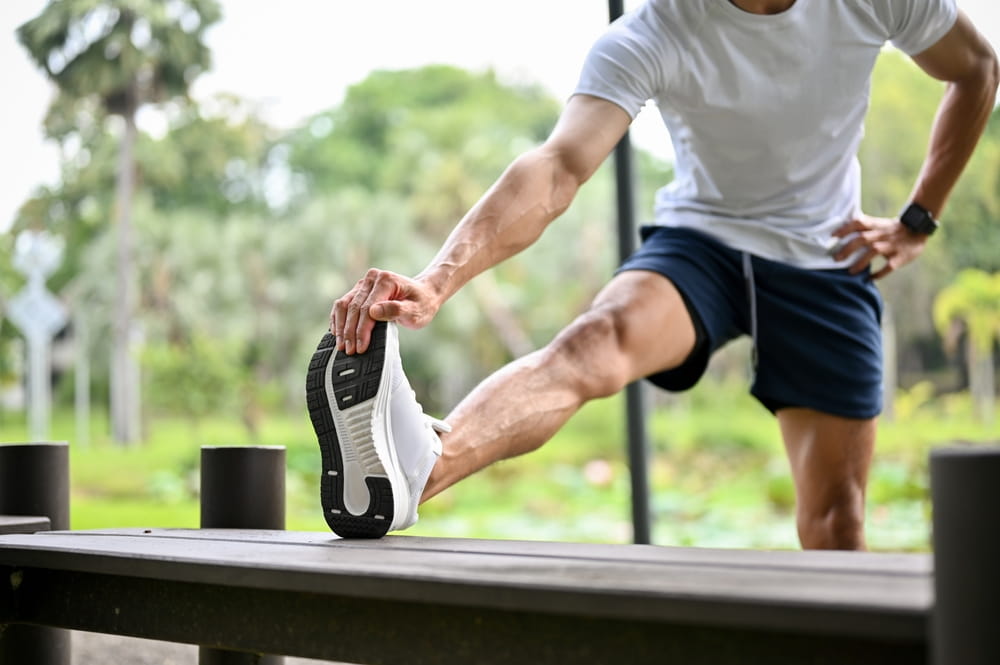
For example, the foot and ankle serve as the body’s first line of shock absorption during running and jumping. Learning about ankle and foot care helps demonstrate how proper lower-extremity mechanics support overall athletic movement.
Because the body functions as a connected system, movement quality at the feet often influences how the entire kinetic chain responds during activity.
Agility Depends on Efficient Movement
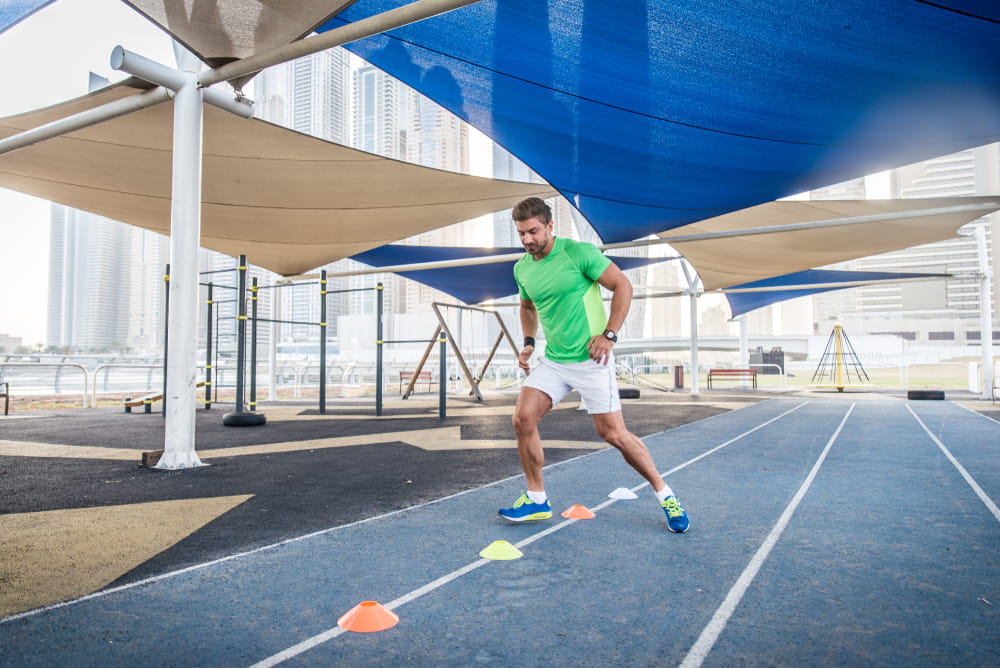
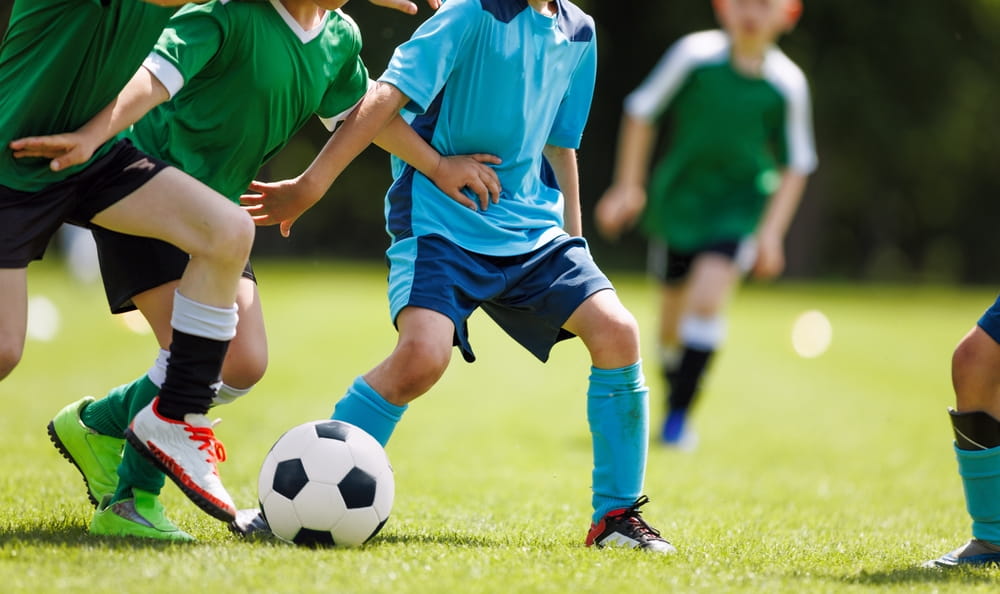
Agility involves the ability to change direction quickly while maintaining control. Sports such as basketball, soccer, football, tennis, and volleyball all rely heavily on this skill.
Proper footwork allows athletes to accelerate, decelerate, and redirect movement efficiently. By positioning the feet correctly, the body can generate force more effectively and respond more quickly to changing situations.
Inefficient foot placement may reduce control during directional changes and increase stress on muscles and joints during rapid movements.
Landing Mechanics and Injury Risk
Jumping and landing are common in many sports. The way an athlete lands after leaving the ground significantly influences how force is absorbed.
Proper footwork helps distribute impact throughout the lower body rather than concentrating stress in one area. Controlled landings allow muscles to absorb force while supporting joint stability.
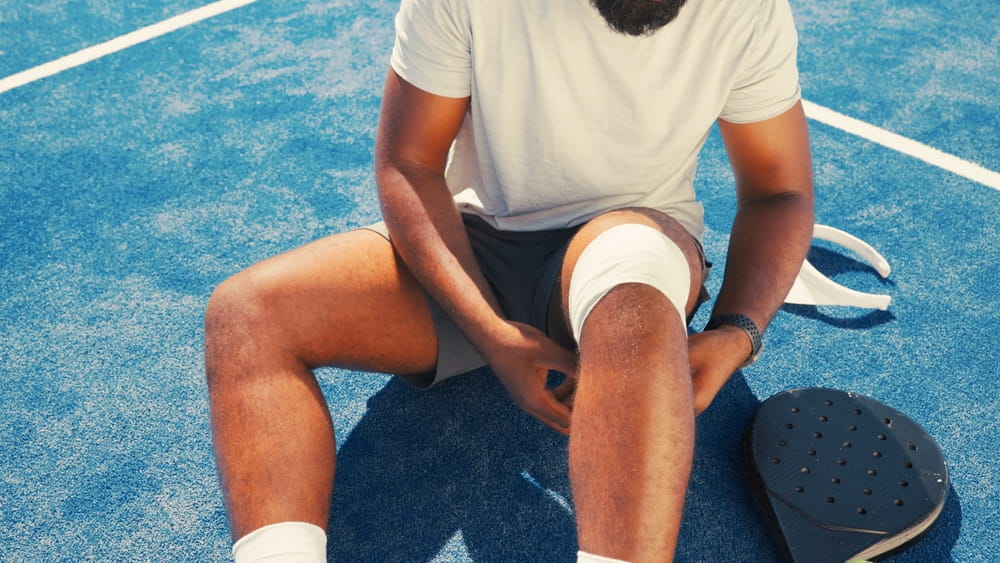
Poor landing mechanics may increase strain on the ankles, knees, and hips. Over time, repeated exposure to these forces can affect movement efficiency and increase injury risk.
Repetition Builds Movement Patterns
Athletic performance relies heavily on repetition. The body learns movement patterns through consistent practice and gradually develops habits that become automatic during competition.
This is why footwork training is often a fundamental part of sports development. Practicing proper movement patterns helps athletes build coordination, balance, and body awareness.
When efficient mechanics become second nature, athletes are often better prepared to respond safely and effectively during competition.
Fatigue Can Affect Footwork
As athletes become tired, movement quality may begin to change. Muscles responsible for stability and coordination can become less effective, making it more difficult to maintain proper mechanics.
This is one reason injuries sometimes occur later in games, practices, or competitions. Fatigue may affect balance, reaction time, and body positioning.
Strong conditioning and movement training help athletes maintain better control even when physical demands increase.
Common Benefits of Proper Footwork
Athletes who focus on movement quality often experience advantages that extend beyond performance alone.
- Improved balance and body control
- More efficient changes in direction
- Better force absorption during landing
- Enhanced agility and coordination
- Reduced stress on joints and connective tissues
These benefits help support both athletic performance and long-term physical health.
Supporting Movement Through Training
Footwork is a skill that can be developed through practice and training. Drills that focus on agility, balance, coordination, and body awareness help athletes improve movement efficiency.
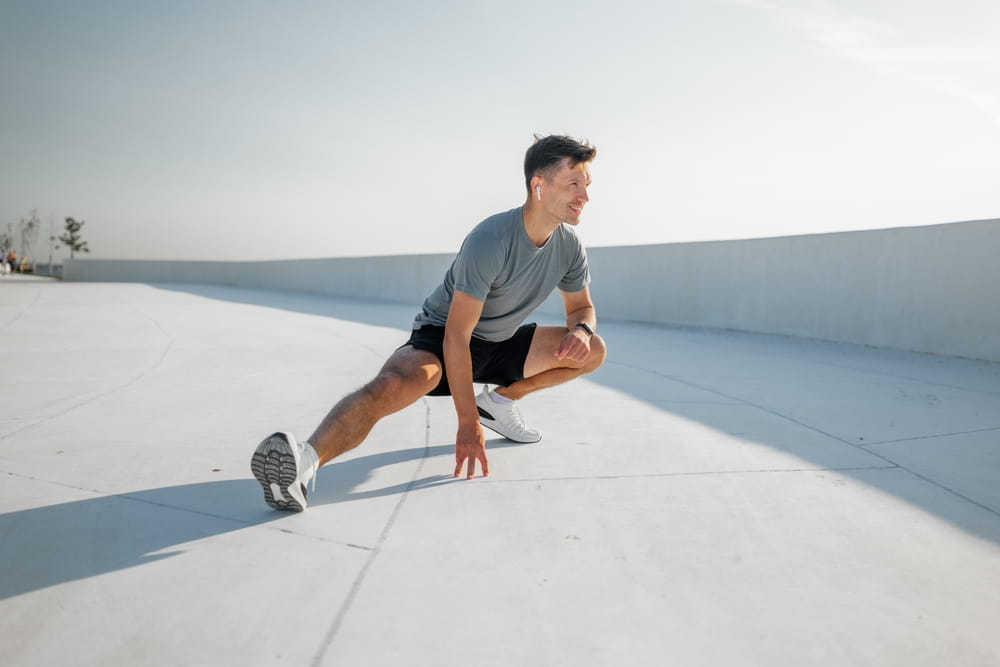
Some athletes also benefit from structured programs that address mobility, flexibility, and overall movement mechanics. Resources related to physical therapy often emphasize movement quality, balance, and functional strength that support athletic performance.
The goal is not simply to move faster, but to move more efficiently and with greater control.
Why Better Movement Leads to Better Outcomes
Every athletic movement is, at its root, a negotiation with the ground, and footwork determines the terms. Athletes who invest in agility drills, landing mechanics, balance work, and movement quality are not just getting quicker; they are teaching their bodies to distribute force in ways that joints and connective tissues can handle for years. The payoff shows up twice: in performance, through sharper cuts and more controlled landings, and in durability, through fewer of the overuse and non-contact injuries that so often trace back to inefficient mechanics, especially late in games when fatigue erodes form.
Speed and strength matter, but they are only as safe as the movement patterns carrying them. Connecting those fundamentals to long-term athletic health is something Lone Star Orthopaedic and Spine Specialists, PLLC emphasizes with competitors throughout Mansfield, Fort Worth, and Burleson, TX, where staying in the game starts with how the feet touch the ground.
Sources
Hewett, T. E., Myer, G. D., & Ford, K. R. (2006). Reducing knee and anterior cruciate ligament injuries among female athletes. Journal of Knee Surgery.
McLean, S. G., Walker, K. B., Ford, K. R., et al. (2005). Evaluation of a two-dimensional analysis method as a screening and evaluation tool for anterior cruciate ligament injury. British Journal of Sports Medicine.
Bahr, R., & Krosshaug, T. (2005). Understanding injury mechanisms: A key component of preventing injuries in sport. British Journal of Sports Medicine.