Delays can extend recovery time. Whether on the field, in the gym, or during a weekend recreational league, sports injuries can happen suddenly and without warning. What may seem like a minor sprain or strain at first can sometimes develop into a more prolonged issue if not evaluated appropriately. At Lone Star Orthopaedic and Spine Specialists, PLLC, serving Mansfield, Fort Worth, and Burleson, TX, conversations about sports-related injuries often center around one important theme: early attention plays a critical role in protecting long-term joint health and performance.
Athletes of all ages—children, teens, working adults, and active seniors—place unique demands on their bodies. Prompt recognition and thoughtful management of injuries can help reduce complications, limit downtime, and support a safer return to activity. Understanding why timing matters empowers athletes and families to make informed decisions.
The Body’s Initial Response to Injury
When a sports injury occurs, the body immediately activates an inflammatory response. Swelling, redness, warmth, and pain are natural parts of this process. In the short term, inflammation helps protect the injured area and begins the healing cascade.
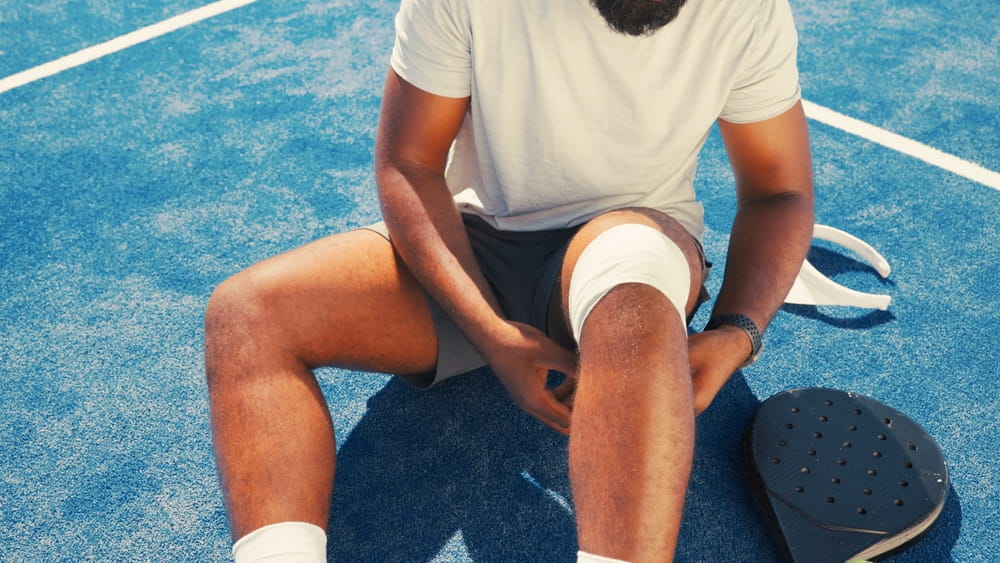
However, excessive swelling or untreated structural damage can interfere with normal healing. For example, a ligament sprain in the ankle or knee may initially feel manageable, but continued activity without proper rest and evaluation may worsen instability. Similarly, muscle strains that are not allowed adequate recovery time can develop into chronic tightness or weakness.
Early evaluation helps clarify the severity of an injury. Distinguishing between a mild strain and a partial tear allows for appropriate guidance on activity modification, bracing, imaging, or rehabilitation strategies.
Preventing Minor Injuries from Becoming Major Problems
One of the key reasons early treatment matters is the prevention of secondary damage. When athletes attempt to “play through” pain, they may unconsciously alter their movement patterns. This compensation can shift stress to other joints or muscle groups.
For example, favoring an injured ankle may increase strain on the knee or hip. Protecting a sore shoulder might lead to improper throwing mechanics, placing additional stress on the elbow. Over time, these compensatory patterns can create new injuries or prolong recovery.
Educational resources related to sports medicine often emphasize the importance of addressing injuries promptly to maintain proper biomechanics and reduce the risk of further harm. Early intervention supports balanced healing and a safer return to sport.
The Impact on Recovery Time
Recovery timelines are influenced by multiple factors, including injury type, severity, age, and overall health. Prompt assessment can help guide evidence-based recovery plans that align with tissue healing stages.
When injuries are ignored, inflammation may persist longer than necessary. Repeated stress on partially healed tissue can slow progress and increase the likelihood of chronic instability or pain. In some cases, what begins as a minor ligament sprain may progress to a more significant tear requiring extended rehabilitation.
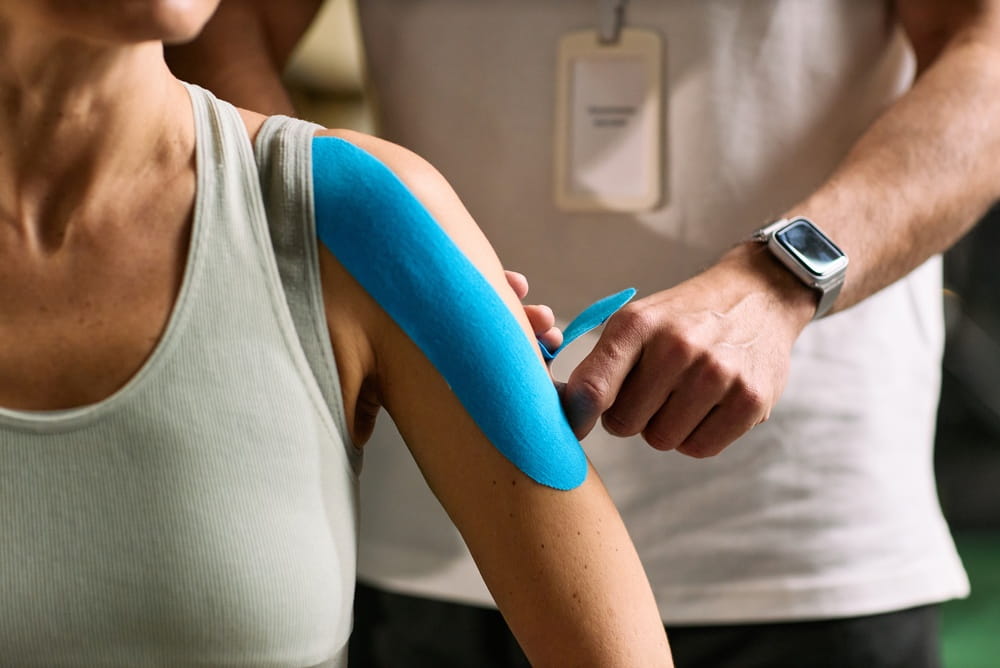
Early care does not always mean aggressive treatment. Often, it involves clear guidance on rest, ice, compression, elevation, and gradual return to movement. Structured rehabilitation programs may begin sooner, supporting improved strength and flexibility during recovery.
Recognizing When to Seek Evaluation
Not every sports injury requires urgent medical attention, but certain signs suggest that further evaluation may be beneficial. Athletes, parents, and coaches should remain attentive to symptoms that persist beyond the expected soreness of regular activity.
- Significant swelling that develops quickly
- Inability to bear weight or use the affected limb
- Joint instability or a “giving way” sensation
- Persistent pain lasting more than a few days
- Numbness, tingling, or visible deformity
These warning signs may indicate ligament tears, fractures, or nerve involvement. Prompt evaluation can help determine whether imaging or additional protective measures are appropriate.
Youth Athletes and Growth Considerations
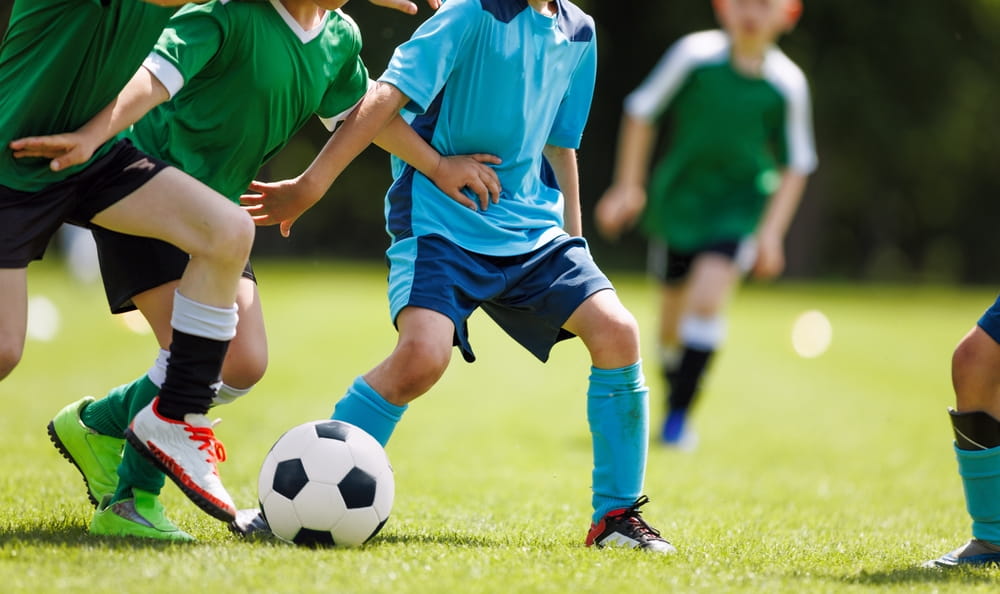
Children and adolescents have unique vulnerabilities due to open growth plates. Injuries that affect these areas require careful assessment to ensure proper bone development. What might appear to be a simple sprain could involve a growth plate injury in younger athletes.
Early identification of growth-related injuries supports safer healing and reduces the risk of long-term complications. Parents and coaches should take reports of pain seriously, even if a young athlete is eager to continue playing. Encouraging open communication about discomfort fosters a culture of injury awareness and prevention.
Concussions and Overuse Injuries
Not all sports injuries involve obvious swelling or bruising. Concussions, for example, may present with headaches, dizziness, or difficulty concentrating after a blow to the head. Early recognition and appropriate rest are critical for neurological recovery.
Overuse injuries also benefit from timely evaluation. Stress fractures, tendonitis, and repetitive strain conditions develop gradually. Athletes may notice increasing soreness during practice that improves with rest but returns with activity. Addressing these patterns early may prevent progression to more serious tissue damage.
Gradual increases in training intensity, proper conditioning, and adequate recovery days are important preventive strategies.
Psychological and Performance Considerations
Sports injuries affect more than just the body. Athletes may experience frustration, anxiety, or fear about returning to play. Early evaluation provides clarity about the nature of the injury and realistic expectations for recovery. Clear guidance can reduce uncertainty and help athletes remain engaged in safe cross-training or conditioning activities when appropriate.
Timely support also reinforces the importance of long-term health over short-term competition. Establishing this mindset early in an athlete’s career may encourage safer decisions in the future.
Supporting a Safe Return to Activity
Returning to sports too quickly can increase the risk of reinjury. Structured progression based on healing milestones helps ensure that strength, flexibility, balance, and coordination are restored before full participation resumes.
Rehabilitation programs often focus on rebuilding muscular support around the injured area, correcting movement patterns, and gradually reintroducing sport-specific drills. Monitoring symptoms throughout this process helps guide pacing and prevent setbacks.
Athletes who prioritize early assessment and structured recovery are often better positioned to resume their activities with confidence and reduced risk of recurring issues.
Prioritizing Long-Term Athletic Health
From student athletes to weekend competitors and seasoned fitness enthusiasts, sports participation offers valuable physical and social benefits. Protecting those benefits requires attention to injury prevention and timely care when problems arise.
Across Mansfield, Fort Worth, and Burleson, individuals seeking to understand sports injury management often turn to guidance from trusted orthopaedic professionals. Lone Star Orthopaedic and Spine Specialists, PLLC, includes Gurpreet S. Bajaj, M.D.; Von L. Evans Jr., M.D.; John A. Thomas, M.D.; Christopher P. Werner, DPM; Alfredo L. Marti, M.D.; Dalton Ryba DPM, FACFAS; Barnard Barragan, M.D.; Shiv Patel, M.D.; Brian Gengler, M.D.; R. Scott Dominguez DPM, DABPM, AACFAS; Jarren Section, M.D.; Mary Caroline Stancukas, DPM, MS; Lance Johnson, M.D; Dr. Damian Sacky, DO; Susan Chiusano, MSN, FNP-C; Richard Smith, PA-C; Candace Mullens, PA-C; Randa Daily, AGACNP-BC; Madison Harmon, PA-C; Warren Dean, PA-C; and Adam J. Bruntz, PA-C, MPAS, FLS as part of its comprehensive team. Acting promptly after an injury supports informed decisions, steadier recovery, and a stronger foundation for continued participation in the activities athletes enjoy most.
Sources
Hootman, J. M., Dick, R., & Agel, J. (2007). Epidemiology of collegiate injuries for 15 sports. Journal of Athletic Training.
McCrory, P., Meeuwisse, W., Dvorak, J., et al. (2017). Consensus statement on concussion in sport. British Journal of Sports Medicine.
Bleakley, C. M., Taylor, J. B., & Dischiavi, S. L. (2012). Rehabilitation exercises reduce reinjury following an acute ankle sprain. British Journal of Sports Medicine.