Youth sports can build confidence, discipline, fitness, and a lifelong appreciation for movement. Somewhere between “she loves this sport” and “she plays it on three different teams” is a line most families cross without ever noticing they crossed it. Club practice on Tuesdays, school games on Thursdays, a tournament every other weekend, private lessons squeezed in wherever they fit: none of it feels excessive in the moment, because each piece was added separately, for a good reason, at a different point in the season.
The trouble is that a developing skeleton doesn’t experience a schedule the way a parent’s calendar does. It experiences cumulative load, and young bones, tendons, and growth plates have a narrower margin for absorbing that load than fully matured ones do. An ache that would resolve on its own in an adult can, in a still-growing athlete, mark the start of something that needs actual attention rather than another ice pack and a shrug. Families across Fort Worth, Mansfield, and Burleson, TX, bring exactly this kind of concern to Lone Star Orthopaedic and Spine Specialists, PLLC, usually after noticing that a child’s complaints have shifted from occasional to routine.
Why Overtraining Happens
Overtraining is not always the result of one exceptionally hard practice. More often, it develops when the body does not have enough time to recover between repeated training demands.
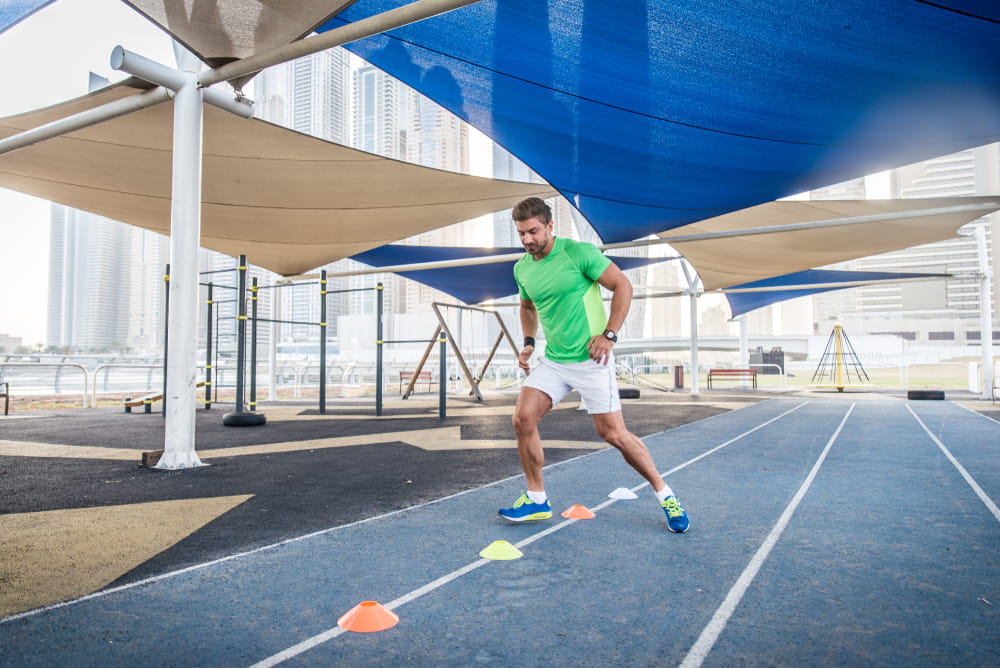
A young athlete may play for a school team, club team, and private coach at the same time. Weekend tournaments may add multiple games in a short period, while strength sessions, conditioning, and skill work fill the remaining days.
Each activity may seem manageable on its own. The problem appears when the total workload becomes greater than the athlete’s ability to recover.
Through sports medicine care, training history can be considered alongside symptoms, movement patterns, previous injuries, and sport-specific demands.
Growing Bodies Need Recovery
Children and teenagers are not simply smaller versions of adults. Their bones and connective tissues are still developing.
Growth plates, where bones lengthen during development, are areas of cartilage that can be more vulnerable to repetitive stress. Certain overuse injuries occur specifically in growing athletes because these areas have not yet fully matured.
Rapid growth can also temporarily affect coordination and flexibility. An athlete who grew several inches over a short period may feel tighter or less coordinated while muscles and movement patterns adapt.
This is one reason training should be adjusted to the athlete’s stage of development rather than based only on age or competitive level.
Repetitive Motion Can Overload the Same Tissues
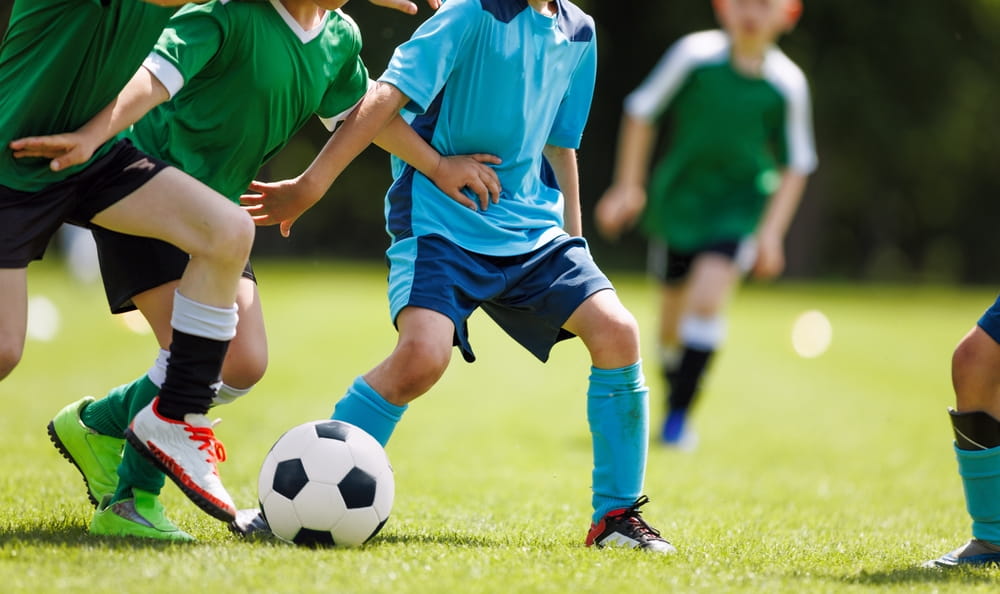
Sports often involve highly repetitive movements. Baseball pitchers throw hundreds of times, runners take thousands of steps, gymnasts repeatedly load the wrists and ankles, and soccer players perform frequent sprints, cuts, and kicks.
Repetition is necessary for skill development, but the same tissues need adequate recovery.
When loading occurs faster than the body can adapt, irritation may develop in muscles, tendons, joints, or bones. Over time, mild soreness can become persistent pain.
Young athletes sometimes try to push through these symptoms because they do not want to miss playing time. Continuing to train at the same intensity may allow the problem to worsen.
Training Volume Matters
Training volume includes more than the number of practices each week. Duration, intensity, competition frequency, strength workouts, and conditioning all contribute.
A sudden increase in any of these variables may raise injury risk. Problems often develop after an athlete joins a second team, begins tournament season, adds private coaching, or returns to full training after a break.
Gradual progression allows tissues time to adapt.
There is no single training limit that applies to every athlete. Sport, age, experience, previous injuries, sleep, nutrition, and overall health all influence how much activity an individual can tolerate.
Early Signs of Excessive Training
Overtraining does not always begin with a major injury. Warning signs may appear gradually.
Parents, coaches, and athletes should pay attention to:
- Pain that repeatedly returns with practice
- Soreness that does not improve between sessions
- Declining performance despite continued training
- Unusual fatigue or heavy-feeling muscles
- Changes in sleep
- Irritability or reduced enthusiasm for the sport
- Recurrent minor injuries
- Difficulty completing previously manageable workouts
- Pain that begins affecting normal walking or daily activities
These signs do not always indicate an orthopaedic injury, but they suggest that the athlete’s current workload deserves closer attention.
Rest Days Are Part of Training
Rest is sometimes treated as lost practice time. In reality, recovery is when the body adapts to training.
Muscles repair, energy stores are replenished, and tissues have an opportunity to recover from repetitive stress.
Young athletes who train intensely every day without variation may not receive enough recovery between sessions. Scheduling regular rest days can help maintain performance and reduce cumulative fatigue.
Rest does not necessarily mean complete inactivity. Gentle walking, mobility work, or another low-intensity activity may be appropriate depending on the athlete and sport.
Sleep Plays a Major Role
Young athletes need adequate sleep for physical recovery, concentration, reaction time, and overall health.
Early practices, late games, homework, travel, and screen time can make sufficient sleep difficult. When sleep is repeatedly shortened, recovery from training may become less effective.
Fatigue can also affect coordination and decision-making. An athlete who reacts more slowly or loses movement control may be more vulnerable during practice or competition.
Improving recovery therefore involves more than simply reducing exercise volume.
Strength Training Can Help When Done Properly
Well-designed strength training can support young athletes by improving muscular strength, movement control, and overall physical capacity.
The emphasis should be on technique and appropriate progression rather than maximum weight. Exercises can target the hips, legs, core, shoulders, and other areas relevant to the athlete’s sport.
Strength work should complement the athlete’s total schedule rather than simply add more fatigue.
A young athlete already participating in several intense practices each week may not benefit from adding demanding strength workouts without adjusting other training.
Sport Specialization Can Increase Repetitive Stress
Some athletes focus on a single sport from a young age and participate year-round.
Specialization may provide more time to develop sport-specific skills, but it also means the same movement patterns and tissues are loaded repeatedly with fewer opportunities for variation.
Playing different sports can expose the body to different movements and reduce constant stress on one area.
This does not mean every young athlete must participate in multiple sports. It does mean that year-round training in one activity should include deliberate periods of reduced volume and recovery.
Pain Should Not Be Considered Normal
Young athletes may expect soreness after hard training, but persistent pain is different from ordinary muscle fatigue.
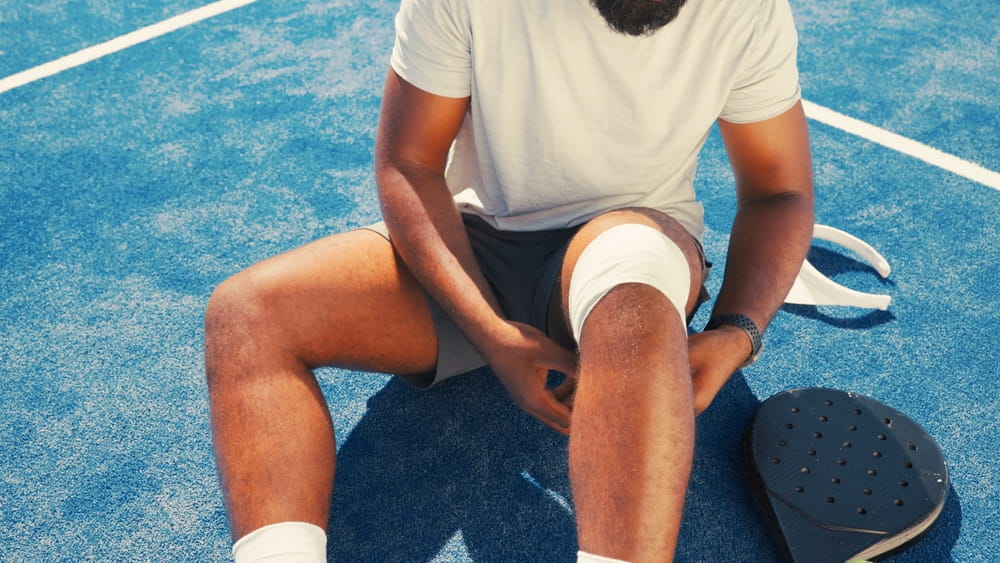
Pain focused in one joint, tendon, or bone should not automatically be dismissed as part of getting stronger. The same is true for swelling, limping, weakness, or pain that changes an athlete’s mechanics.
An athlete who repeatedly modifies a running stride, throwing motion, or landing pattern to avoid pain may place additional stress elsewhere.
Early evaluation can help distinguish temporary soreness from an injury that requires more specific treatment.
Common Overuse Injuries in Young Athletes
Different sports create different patterns of overuse.
Runners may develop shin pain or bone stress injuries. Throwing athletes can experience shoulder or elbow irritation. Jumping sports may contribute to knee or tendon pain, while gymnastics can place repeated stress on the wrists and spine.
Growing athletes can also develop conditions involving areas where tendons attach near growth plates.
These injuries do not occur simply because sports are dangerous. They often reflect a mismatch between workload and recovery.
Why Technique Still Matters
Training volume is important, but movement quality also influences how force is distributed.
Poor landing control, inefficient throwing mechanics, limited mobility, or weakness in key muscle groups may increase stress during repeated activity.
Fatigue can make these issues more noticeable. An athlete may move well early in practice but lose control toward the end of a long session.
Coaches and rehabilitation professionals can help identify whether technique changes occur as the athlete becomes tired.
Physical Therapy After an Overuse Injury
When an athlete develops an overuse injury, treatment often involves more than simply waiting for pain to disappear.
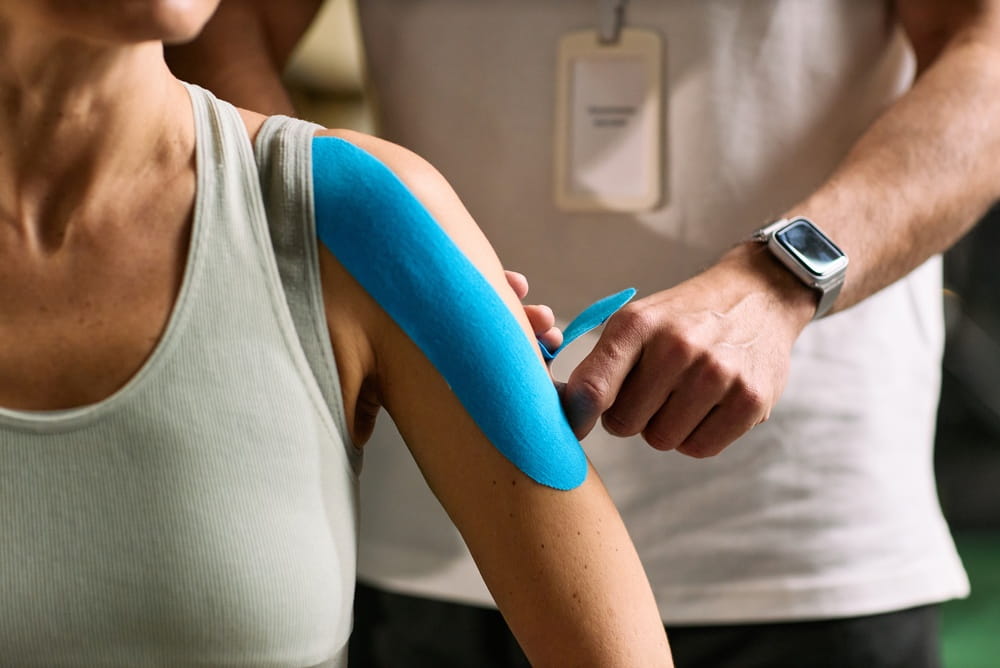
Physical therapy may address strength, flexibility, balance, coordination, and sport-specific movement. The athlete may also need a gradual progression back into running, throwing, jumping, or cutting.
Returning immediately to the previous workload once pain improves can recreate the same problem.
Rehabilitation should help rebuild the capacity needed for competition, not just reduce symptoms at rest.
Lifestyle Habits Affect Recovery Too
Athletic recovery is influenced by what happens away from practice.
Nutrition, hydration, sleep, stress, and overall daily activity affect how well the body responds to training. Busy school schedules and travel can make these areas easy to overlook.
Lifestyle guidance can help families think about the broader habits that support musculoskeletal health and recovery.
Young athletes do not need perfect routines, but consistent habits can make intense training easier to tolerate.
When an Athlete Should Be Evaluated
Not every ache requires an orthopaedic appointment. Mild soreness that resolves with rest may simply reflect a challenging workout.
Evaluation becomes more important when pain persists, repeatedly returns with activity, or begins limiting performance. Swelling, weakness, limping, reduced joint motion, or pain focused directly over a bone should also be assessed.
Pain that occurs at rest or during normal daily activities may signal that the problem has progressed beyond simple post-exercise soreness.
A sudden injury accompanied by severe pain, deformity, or inability to bear weight requires prompt medical attention.
A Better Approach to Long-Term Athletic Development
Young athletes improve through consistent training, but consistency does not mean maximum intensity every day. Development depends on a balance between challenge and recovery.
Ask any coach who has watched a roster over several seasons, and they’ll tell you the standout athletes aren’t necessarily the ones logging the most hours. They’re the ones whose training includes real recovery: rest days that get honored rather than skipped, sleep that isn’t the first thing sacrificed to homework or travel, and enough humility to scale back when a niggling pain refuses to settle between sessions.
Pain that repeats or lingers is worth taking seriously precisely because young athletes are so good at pushing through it, often out of fear that admitting discomfort means losing a spot in the lineup. That instinct, understandable as it is, tends to turn small, fixable problems into much bigger interruptions. Sorting out which is which, ordinary fatigue versus a developing injury, is where an outside evaluation earns its keep. Lone Star Orthopaedic and Spine Specialists, PLLC supports that process for families throughout Fort Worth, Mansfield, and Burleson, TX, to keep young athletes not just playing now, but for years to come.
Sources
DiFiori, J. P., Benjamin, H. J., Brenner, J. S., et al. (2014). Overuse injuries and burnout in youth sports: A position statement from the American Medical Society for Sports Medicine. Clinical Journal of Sport Medicine.
Brenner, J. S. (2016). Sports specialization and intensive training in young athletes. Pediatrics.
Jayanthi, N., Pinkham, C., Dugas, L., Patrick, B., & Labella, C. (2013). Sports specialization in young athletes: Evidence-based recommendations. Sports Health.