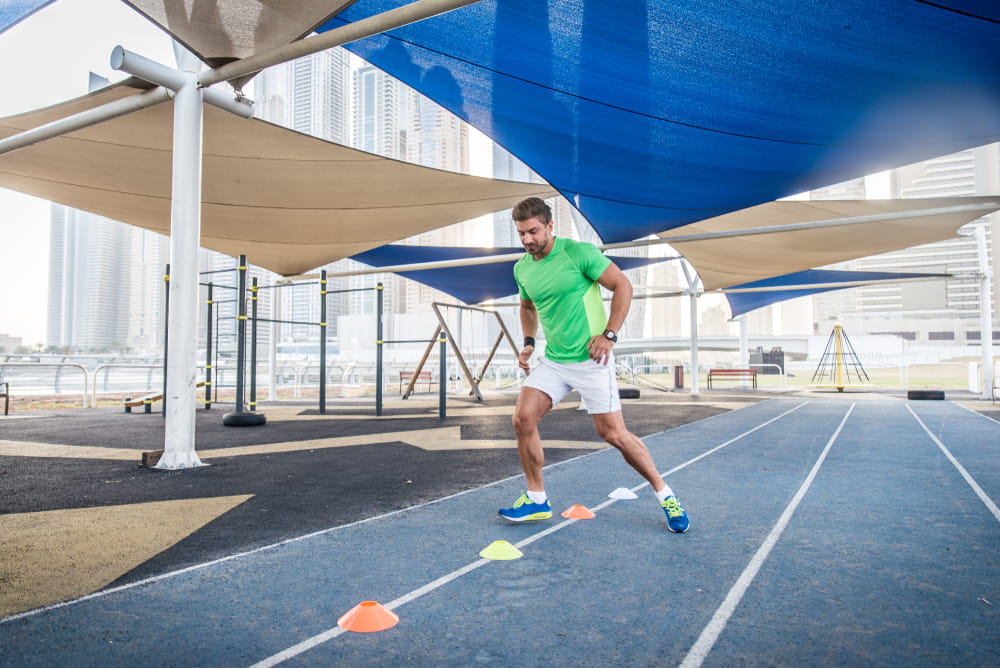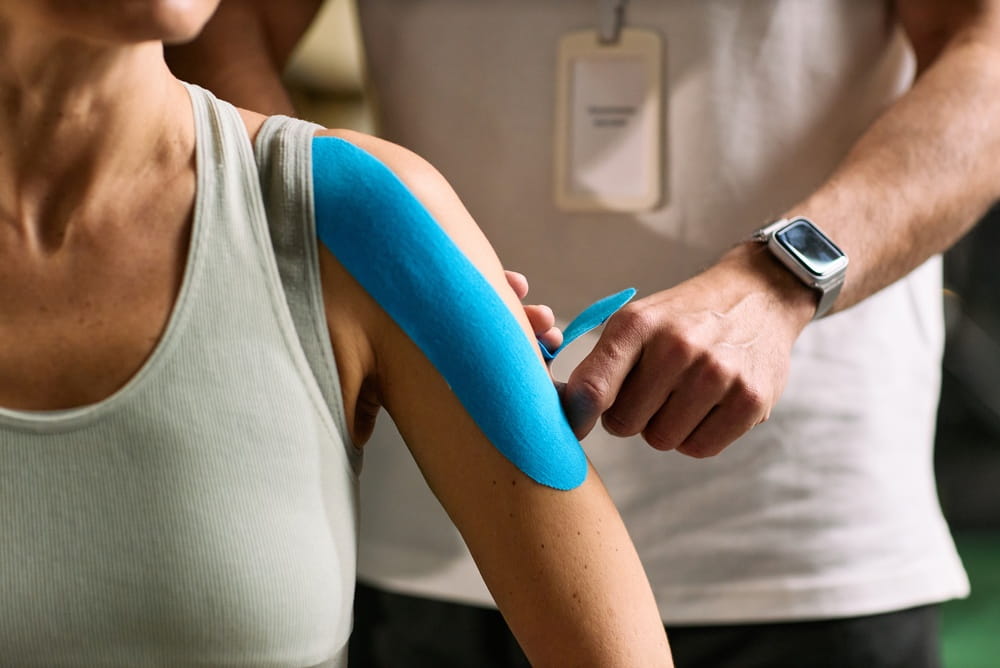
For many athletes and active individuals, progress is often associated with pushing harder, training longer, and staying consistent with workouts. While dedication is an important part of improving performance, recovery plays an equally critical role. Without adequate rest, the body has less opportunity to repair and adapt to the physical demands of training.
Rest days are sometimes misunderstood as unproductive time, but they are actually an important part of athletic development. Muscles, joints, and connective tissues need periods of recovery to rebuild after repeated stress. When recovery is overlooked, the risk of fatigue, overuse injuries, and decreased performance can gradually increase.
Throughout Mansfield, Fort Worth, Burleson, and surrounding North Texas communities, athletes at every level are learning that long-term performance depends on balancing effort with recovery. Lone Star Orthopaedic and Spine Specialists, PLLC, frequently highlights how strategic rest supports both physical resilience and consistent training.
What Happens to the Body During Exercise
Exercise places stress on the body in ways that are both intentional and beneficial. During physical activity, muscles experience microscopic strain, energy stores become depleted, and the cardiovascular system works harder to meet increased demands.
These responses are a normal part of training. In fact, they are what stimulate the body to become stronger and more efficient over time.
However, the improvements associated with exercise do not happen during the workout itself. Much of the adaptation occurs afterward, during recovery periods. This is when the body repairs muscle tissue, restores energy reserves, and adjusts to the demands placed upon it.
Understanding the role of recovery helps explain why consistent rest is just as important as consistent training.
Why Recovery Improves Performance
Rest allows the body to recover from the cumulative effects of physical stress. Without enough recovery time, fatigue may begin to outpace the body’s ability to repair itself.
This can affect performance in several ways. Muscles may feel weaker or slower to respond, endurance may decline, and coordination may become less precise. Over time, athletes may notice they are no longer progressing despite continuing to train hard.
Recovery supports the body’s ability to adapt positively to exercise. Proper rest helps maintain muscle function, reaction time, and overall movement quality.
Learning more about sports medicine can provide additional insight into how training and recovery work together to support athletic performance.
The Connection Between Rest and Injury Prevention
One of the most important benefits of rest days is reducing the risk of injury. Repetitive training without adequate recovery can place ongoing stress on muscles, tendons, and joints.
Over time, this repeated strain may contribute to overuse injuries. Unlike sudden traumatic injuries, overuse injuries often develop gradually as tissues become unable to fully recover between activities.
Areas such as the knees, shoulders, and lower back are particularly vulnerable when training volume increases without enough recovery time.
For example, repetitive impact and movement may place stress on the knee joint during running, jumping, or strength training activities. Rest days help reduce cumulative stress on these structures and allow the body time to recover.
Muscle Recovery and Repair
Muscles experience microscopic damage during exercise, especially during strength training or high-intensity activity. This process is normal and is part of how muscles become stronger.
During rest, the body repairs these small areas of strain by rebuilding muscle fibers. This recovery process helps muscles adapt and improve over time.
Without sufficient recovery, muscles may remain fatigued and less capable of generating force efficiently. Persistent fatigue can also affect movement mechanics, increasing strain on surrounding joints and connective tissues.
Proper recovery supports not only muscle growth but also overall movement quality and stability.
The Role of Sleep in Athletic Recovery
Sleep is one of the most important components of recovery. During sleep, the body releases hormones involved in tissue repair, muscle recovery, and energy restoration.
Athletes who do not get enough sleep may experience slower reaction times, reduced coordination, and increased fatigue. Sleep deprivation can also affect focus and decision-making during activity.
Consistent sleep habits support the body’s ability to recover both physically and mentally. For active individuals, quality sleep is often just as valuable as any training session.
Mental Recovery Matters Too
Physical recovery is only part of the equation. Intense training schedules can also affect mental focus and motivation.
Without regular breaks, athletes may begin to feel mentally fatigued or less engaged in training. This can reduce concentration during exercise and increase the likelihood of poor movement patterns or mistakes.
Rest days provide an opportunity to mentally reset and return to activity with improved focus and energy. This balance can help maintain a healthier long-term relationship with training and performance goals.
Active Recovery vs. Complete Rest
Not every rest day needs to involve complete inactivity. In many cases, light movement can support recovery without placing excessive stress on the body.
Activities such as walking, stretching, yoga, or gentle cycling are often considered forms of active recovery. These low-intensity movements encourage circulation and help reduce stiffness while still allowing the body to recover.
The goal of active recovery is to promote movement without adding significant strain. Balancing activity and rest helps maintain flexibility and supports overall mobility.
Recognizing Signs of Overtraining
The body often provides signals when recovery is insufficient. Paying attention to these signs can help athletes adjust their routines before injuries develop.
Common indicators of inadequate recovery include:
- Persistent soreness or fatigue
- Declining performance despite continued training
- Difficulty concentrating during workouts
- Increased irritability or lack of motivation
- Trouble sleeping or feeling rested
Recognizing these patterns can help athletes better understand when the body may need additional recovery time.
Why Rest Is Part of Long-Term Athletic Success
Athletes often focus heavily on the effort they put into training, but recovery is what allows that effort to translate into progress. Rest days give the body time to repair, rebuild, and prepare for future activity.
Rather than slowing progress, recovery supports consistency and resilience. Athletes who balance training with proper rest are often better equipped to maintain performance and reduce unnecessary strain over time.
Supporting Recovery Through Movement and Balance
A balanced training routine includes both activity and recovery. Incorporating flexibility work, mobility exercises, and strength training in moderation helps support long-term athletic performance.
Some athletes also benefit from structured approaches such as physical therapy, which may help improve movement mechanics, flexibility, and overall recovery strategies.
The goal is not simply to train harder, but to train in a way that allows the body to adapt safely and sustainably over time.
For active individuals across Mansfield, Fort Worth, Burleson, and the surrounding North Texas region, finding that balance is an important part of staying healthy and active. Lone Star Orthopaedic and Spine Specialists, PLLC, helps connect the importance of recovery to overall athletic performance, emphasizing how strategic rest supports both movement quality and long-term physical health.
Sources
Kellmann, M. (2010). Preventing overtraining in athletes. Human Kinetics.
Meeusen, R., Duclos, M., Foster, C., et al. (2013). Prevention, diagnosis, and treatment of the overtraining syndrome. European Journal of Sport Science.
Nédélec, M., McCall, A., Carling, C., et al. (2013). Recovery in soccer: Part I—post-match fatigue and time course of recovery. Sports Medicine.