Bunion pain is a common and often frustrating foot problem that can interfere with walking, work, and everyday comfort. What may start as a small bump at the base of the big toe can gradually become a source of persistent pain, stiffness, and difficulty wearing shoes. For individuals in Mansfield, Fort Worth, and Burleson, understanding which bunion treatment options are supported by evidence can help reduce confusion and guide better decisions. Lone Star Orthopaedic and Spine Specialists, PLLC emphasizes patient education so individuals can better understand foot conditions and the range of care pathways available. This article explores how bunions develop, why they cause pain, and which treatment approaches are commonly used when symptoms progress.
Understanding What a Bunion Really Is
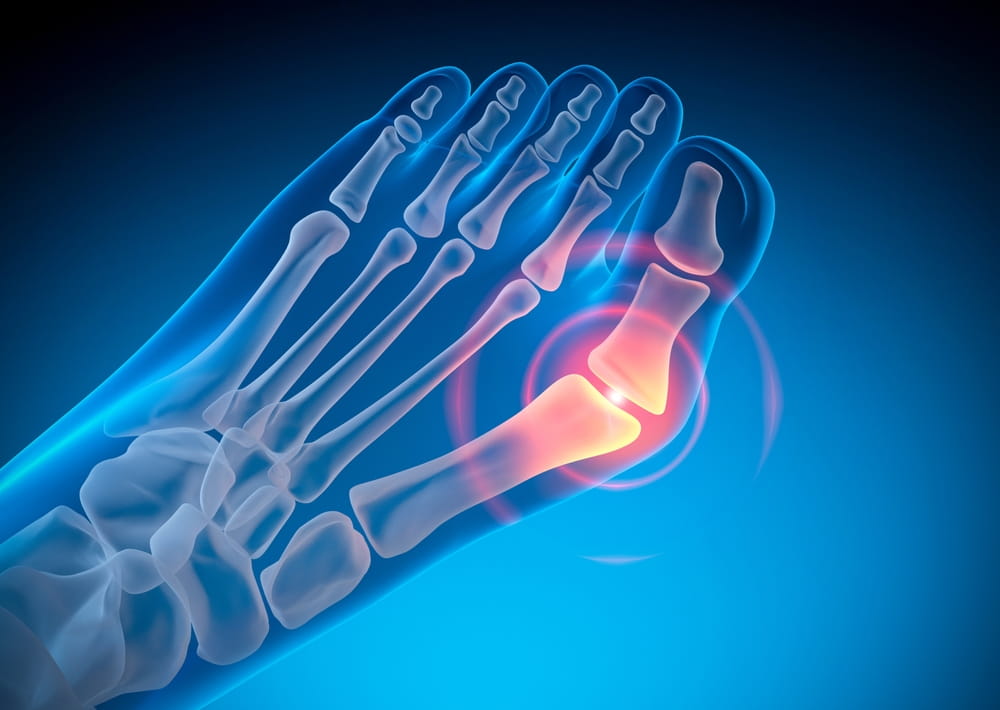
A bunion, medically known as hallux valgus, is a structural deformity of the foot rather than simply a surface bump. It develops when the big toe gradually shifts toward the second toe, causing the joint at the base of the big toe to protrude outward. This change alters foot mechanics and places abnormal stress on the joint.
Bunions often develop slowly over many years. Genetics, foot structure, and repetitive stress all play a role. While footwear does not cause bunions outright, narrow or restrictive shoes can worsen symptoms by increasing pressure on the already misaligned joint. Because bunions involve bone alignment and joint mechanics, they tend to progress rather than resolve on their own.
Why Bunions Become Painful Over Time
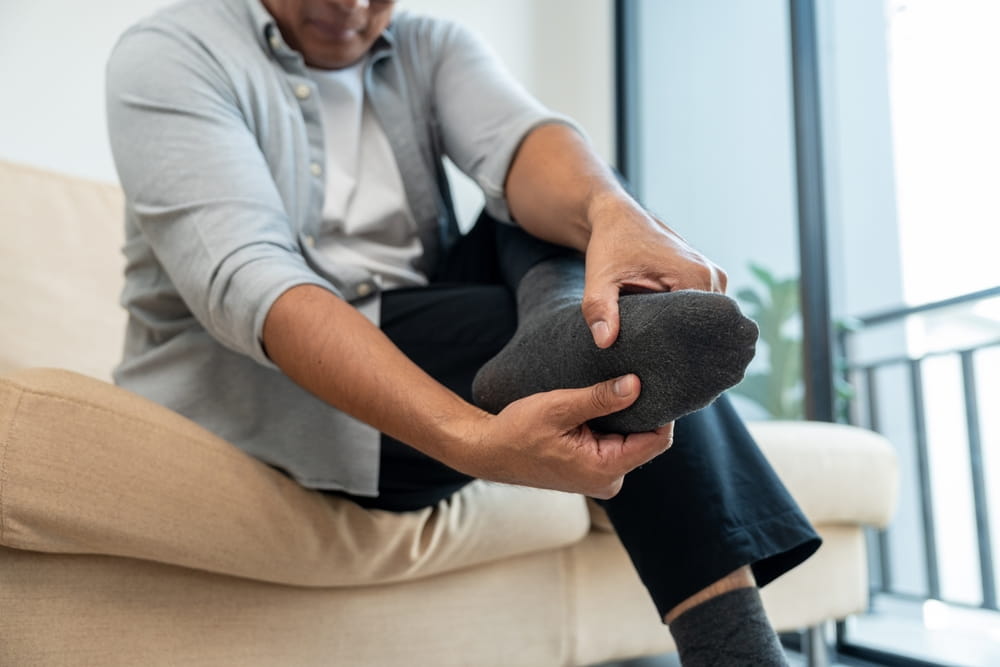
Pain associated with bunions is not always immediate. Early on, individuals may notice mild soreness, redness, or irritation from shoe pressure. As the deformity progresses, pain may become more persistent due to joint inflammation, altered weight distribution, and friction against footwear.
Over time, the joint may lose flexibility, leading to stiffness and discomfort during walking or standing. Changes in foot mechanics can also increase stress on other areas of the foot, contributing to secondary issues such as calluses, hammertoes, or pain under the ball of the foot. These changes explain why bunion pain often worsens gradually rather than appearing suddenly.
Evidence-Based Non-Surgical Treatment Options
Non-surgical care is typically the first approach for managing bunion pain, particularly in earlier stages. These strategies focus on reducing pressure, improving comfort, and minimizing irritation rather than correcting the underlying bone alignment.
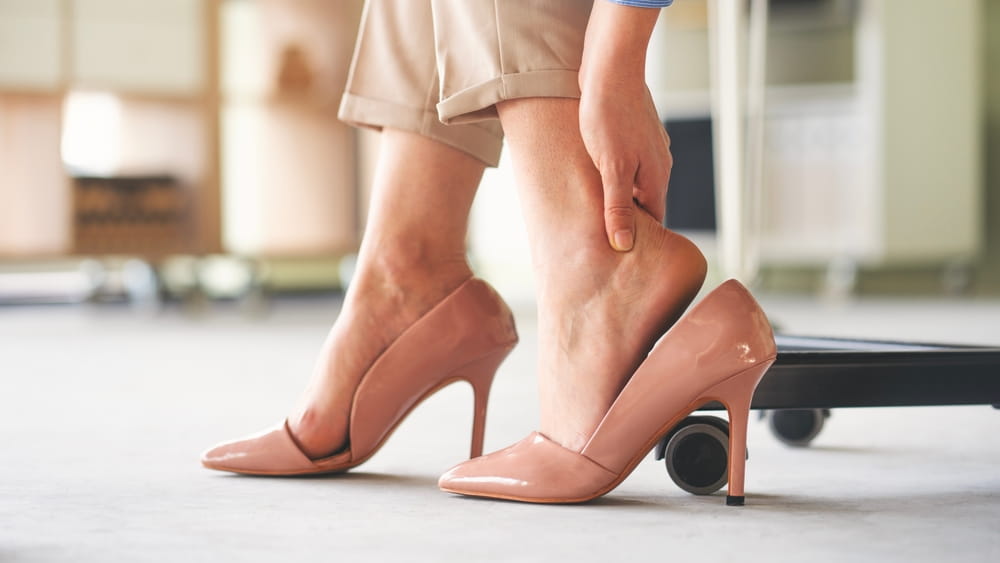
Footwear modification is one of the most important steps. Shoes with a wider toe box reduce pressure on the bunion and surrounding joints. Padding or protective sleeves may help limit friction against shoes, while orthotic inserts can support foot mechanics and redistribute pressure during walking. Activity modification may also reduce flare-ups by limiting prolonged standing or walking on hard surfaces.
While non-surgical options do not reverse the bunion itself, they can be effective at managing symptoms and slowing progression for many individuals. Learning about comprehensive ankle and foot care helps clarify how conservative strategies are selected based on foot structure and daily demands.
When Conservative Care Is No Longer Enough
Despite appropriate non-surgical care, some individuals continue to experience worsening pain or functional limitations. Persistent discomfort that interferes with walking, work responsibilities, or daily activities may indicate that the bunion has progressed beyond what conservative strategies can effectively manage.
Other signs include increasing joint stiffness, difficulty finding comfortable footwear, or visible progression of toe misalignment. In some cases, bunion-related pain leads to compensatory movement patterns that strain other joints, such as the ankles, knees, hips, or lower back. Recognizing these patterns helps individuals understand when further evaluation may be appropriate.
How Specialists Evaluate Bunion Severity
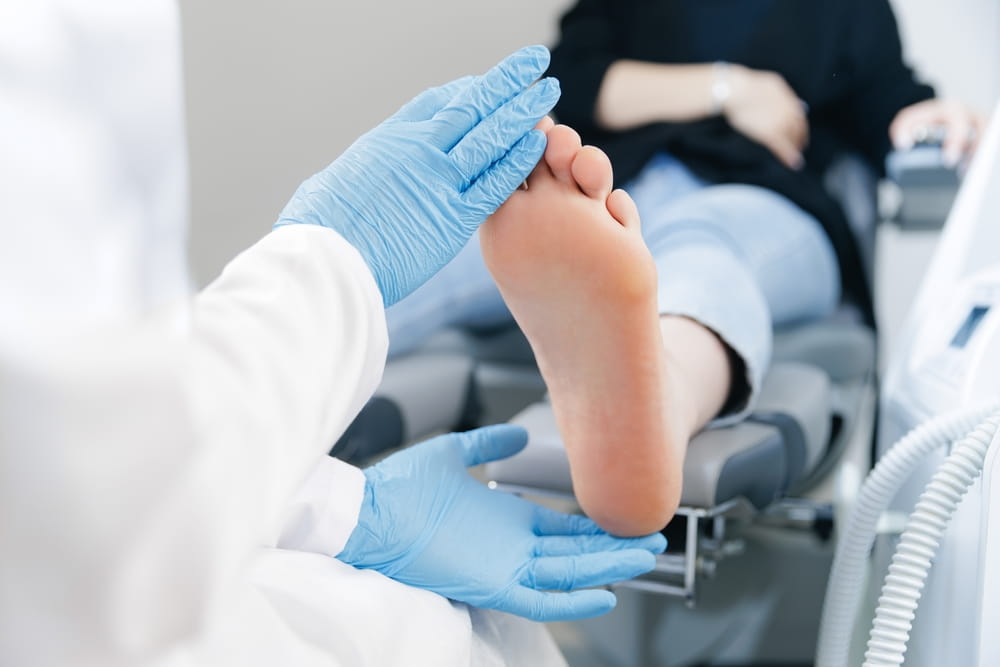
Evaluating a bunion involves more than assessing the visible bump. Specialists consider symptom history, activity level, foot structure, and how the bunion affects movement. Physical examination focuses on joint mobility, alignment, and areas of tenderness or callus formation.
Imaging may be used to assess bone alignment and joint integrity, particularly when symptoms are persistent or worsening. This information helps clarify the severity of the deformity and how it may influence foot mechanics. Evaluation also considers the broader musculoskeletal picture, as foot alignment can affect posture and movement throughout the body.
An Overview of Surgical Treatment Options
Surgery may be discussed when bunion pain significantly limits function and conservative care no longer provides relief. Surgical approaches aim to correct the underlying structural deformity rather than simply reduce the bump. Depending on the bunion’s severity and location, surgery may involve realigning bones, correcting soft tissue imbalance, or stabilizing the joint.
It is important to understand that there is no single bunion surgery that applies to everyone. Procedures are selected based on individual anatomy, degree of deformity, and functional goals. Surgery is not considered a quick fix, but rather one option within a continuum of care when symptoms become disruptive.
Recovery Expectations and Functional Considerations
Recovery from bunion surgery varies depending on the procedure performed and the structures involved. Some individuals require limited weight-bearing for a period of time, while others transition gradually back to walking with protective support. Swelling and stiffness are common during recovery and may persist for several months.
Rehabilitation often focuses on restoring joint mobility, strength, and proper gait mechanics. Because the big toe plays a critical role in push-off during walking, recovery emphasizes a gradual return to normal movement patterns. Understanding recovery expectations helps individuals make informed decisions and plan appropriately for activity limitations.
How Bunions Affect Overall Mobility
Bunion pain rarely affects only the foot. Altered gait patterns can influence the entire lower extremity and spine. Favoring one foot may increase stress on the opposite leg or contribute to imbalance over time.
Learning about general orthopaedic health provides helpful context for how foot alignment influences joint loading throughout the body. Addressing bunion-related pain thoughtfully can support not only foot comfort, but also long-term mobility and balance.
Making Informed Decisions About Bunion Care
Choosing how to manage bunion pain involves balancing symptoms, lifestyle needs, and long-term goals. Education plays a central role in this process by helping individuals understand what different treatment options can and cannot accomplish.
Non-surgical care may be sufficient for managing discomfort in many cases, while others may eventually consider surgical correction when function is significantly affected. Understanding the progression of bunions and the rationale behind different approaches empowers individuals to make thoughtful decisions rather than reacting to pain alone.
Sources
Coughlin, M. J., & Mann, R. A. (2007). Hallux valgus. Journal of Bone and Joint Surgery.
Nix, S., Smith, M., & Vicenzino, B. (2010). Prevalence of hallux valgus in the general population. Journal of Foot and Ankle Research.
Roddy, E., Zhang, W., & Doherty, M. (2008). Prevalence and associations of hallux valgus in a primary care population. Arthritis & Rheumatism.