Prevent complications with proactive care. For individuals living with diabetes, daily habits play a major role in protecting long-term foot health. Even small concerns—like a minor blister or callus—can become more serious if not addressed early. At Lone Star Orthopaedic and Spine Specialists, PLLC, serving Mansfield, Fort Worth, and Burleson, TX, conversations about diabetic foot health are common among adults and seniors who want to stay active and independent.
Diabetes can affect circulation and nerve function, particularly in the lower extremities. Because of this, consistent foot monitoring and thoughtful care are essential. Understanding why the feet are vulnerable—and how to protect them—empowers patients to reduce preventable complications and maintain mobility.
How Diabetes Affects the Feet
Two primary diabetes-related changes influence foot health: neuropathy and reduced circulation. Peripheral neuropathy occurs when elevated blood glucose levels damage nerves over time. This may cause numbness, tingling, burning sensations, or reduced ability to feel pain.
When sensation decreases, small injuries may go unnoticed. A pebble in a shoe, a minor cut, or friction from ill-fitting footwear might not cause immediate discomfort, allowing the problem to worsen.
Circulation can also be affected. Reduced blood flow slows healing and limits the body’s ability to fight infection. Even minor wounds may take longer to improve. These combined factors make preventive care especially important for individuals managing diabetes.
Daily Foot Inspections Matter
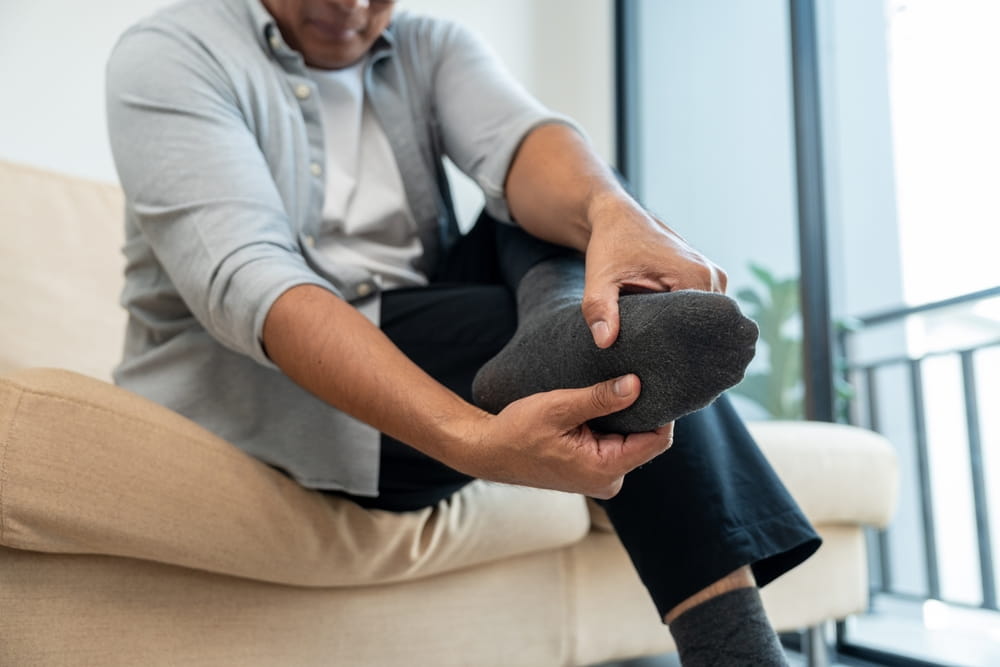
One of the most effective preventive steps is a daily visual foot inspection. This habit allows individuals to identify small changes before they progress. Checking the tops, soles, heels, and between the toes can help detect blisters, redness, swelling, cracks, or drainage.
If bending or vision limitations make self-exams difficult, a mirror or assistance from a trusted family member can help. Any new sore, persistent redness, or change in skin color should be monitored closely. Early awareness is key to reducing complications.
Consistent inspections are particularly important for older adults and those who have had diabetes for many years, as the likelihood of neuropathy increases over time.
Proper Hygiene and Skin Care
Keeping the feet clean and dry supports overall skin integrity. Washing daily with lukewarm water and mild soap can remove debris and reduce bacterial buildup. Water temperature should always be tested carefully to prevent burns, especially if sensation is reduced.
After washing, gently drying the feet—particularly between the toes—helps prevent fungal infections. Applying moisturizer to the tops and bottoms of the feet can reduce dryness and cracking, though cream should not be placed between the toes where excess moisture can accumulate.
Trimming toenails straight across and smoothing edges with a nail file can help prevent ingrown nails. Individuals with thickened or difficult-to-trim nails may benefit from professional guidance rather than attempting aggressive trimming at home.
Choosing Supportive Footwear
Footwear plays a significant role in preventing injury. Shoes should fit properly, providing enough room in the toe box without excessive movement at the heel. Tight shoes can create pressure points, while loose shoes may cause friction and blisters.
Soft, seamless socks can reduce irritation. Before putting on shoes, it is helpful to check inside for debris, rough seams, or foreign objects. Even small items can cause skin breakdown if unnoticed.
High heels, narrow-toed shoes, and sandals that expose the feet to injury may increase risk. Supportive, well-cushioned footwear helps distribute pressure evenly and reduces strain on vulnerable areas.
Managing Calluses and Corns Safely
Calluses and corns develop from repeated pressure or friction. While they may seem minor, thickened skin can increase localized pressure and contribute to ulcer formation in individuals with diabetes.
Over-the-counter medicated pads containing salicylic acid are generally discouraged without professional guidance, as they can damage healthy surrounding tissue. Instead, gentle filing with a pumice stone after bathing may help manage mild thickening. Persistent or painful calluses warrant further evaluation. Addressing pressure points early may reduce the likelihood of skin breakdown.
The Importance of Blood Sugar Control
Foot care extends beyond external habits. Maintaining stable blood glucose levels supports nerve health and circulation. While no single measure eliminates risk, consistent diabetes management contributes to overall tissue resilience and healing capacity.
Healthy eating patterns, regular physical activity, and adherence to prescribed treatment plans all influence long-term outcomes. Individuals who integrate foot inspections into their broader diabetes routine often find it easier to maintain consistent preventive habits.
Recognizing Warning Signs
Certain symptoms require prompt attention. These include:
- Open sores or ulcers
- Persistent swelling
- Redness spreading around a wound
- Drainage or unusual odor
- Blackened or discolored skin
- Sudden changes in foot temperature
Because neuropathy may reduce pain sensation, the absence of discomfort does not always indicate that a wound is minor. Monitoring visual changes is especially important.
Routine Professional Foot Evaluations
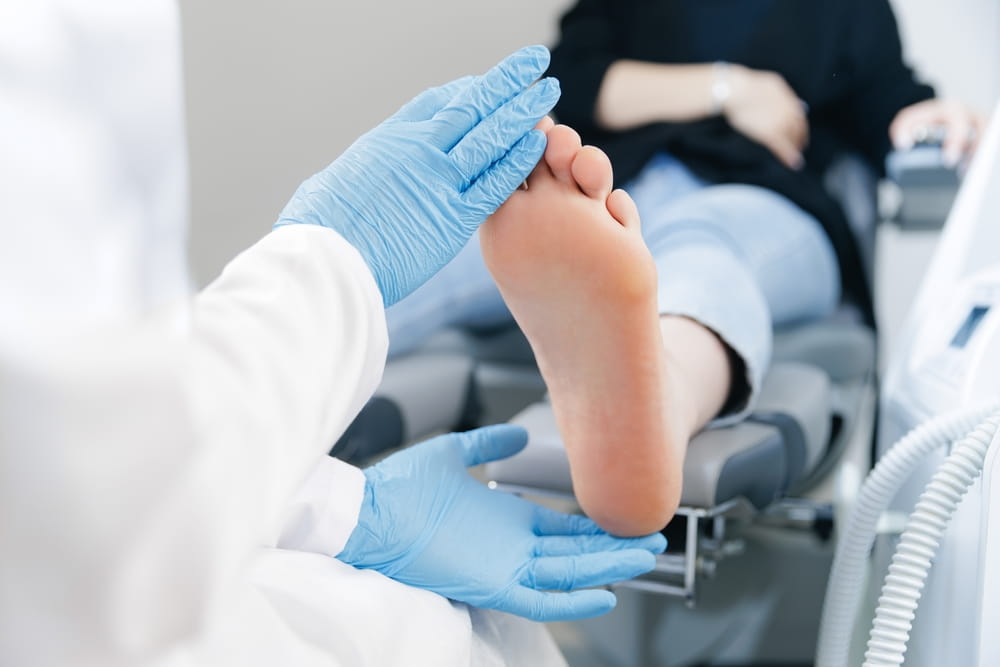
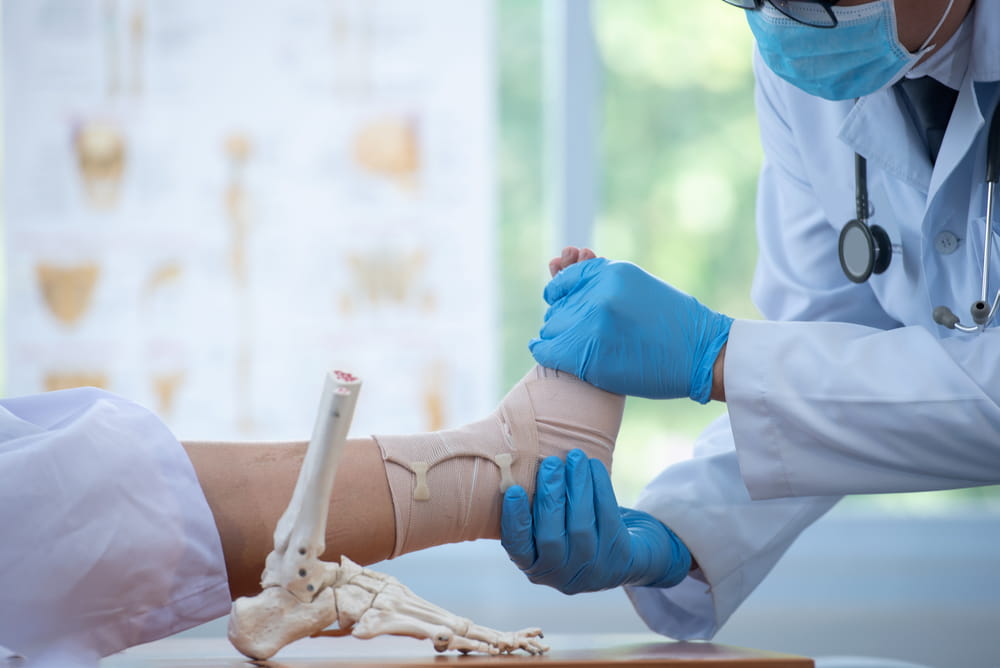
In addition to daily self-care, regular foot assessments can support early detection of changes in sensation, circulation, or skin integrity. During these visits, providers may evaluate protective sensation, check pulses, and assess structural alignment.
Routine evaluations are particularly valuable for individuals with long-standing diabetes, previous foot ulcers, or existing neuropathy. Early identification of high-risk areas allows for preventive strategies before complications develop.
Protecting Mobility for the Future
Foot health directly influences independence, especially for older adults. Difficulty walking due to pain, infection, or structural changes can affect balance and increase fall risk. By incorporating daily inspections, appropriate footwear, and consistent diabetes management, individuals can take meaningful steps toward preserving mobility.
Residents of Mansfield, Fort Worth, and Burleson who want to better understand diabetic foot health often seek educational guidance to support their daily routines. Lone Star Orthopaedic and Spine Specialists, PLLC, can provide Texas patients with consistent, proactive steps that can help individuals with diabetes safeguard their feet and maintain confidence in every step they take.
Sources
Armstrong, D. G., Boulton, A. J. M., & Bus, S. A. (2017). Diabetic foot ulcers and their recurrence. New England Journal of Medicine.
Boulton, A. J. M., Vileikyte, L., Ragnarson-Tennvall, G., & Apelqvist, J. (2005). The global burden of diabetic foot disease. The Lancet.
Singh, N., Armstrong, D. G., & Lipsky, B. A. (2005). Preventing foot ulcers in patients with diabetes. JAMA.