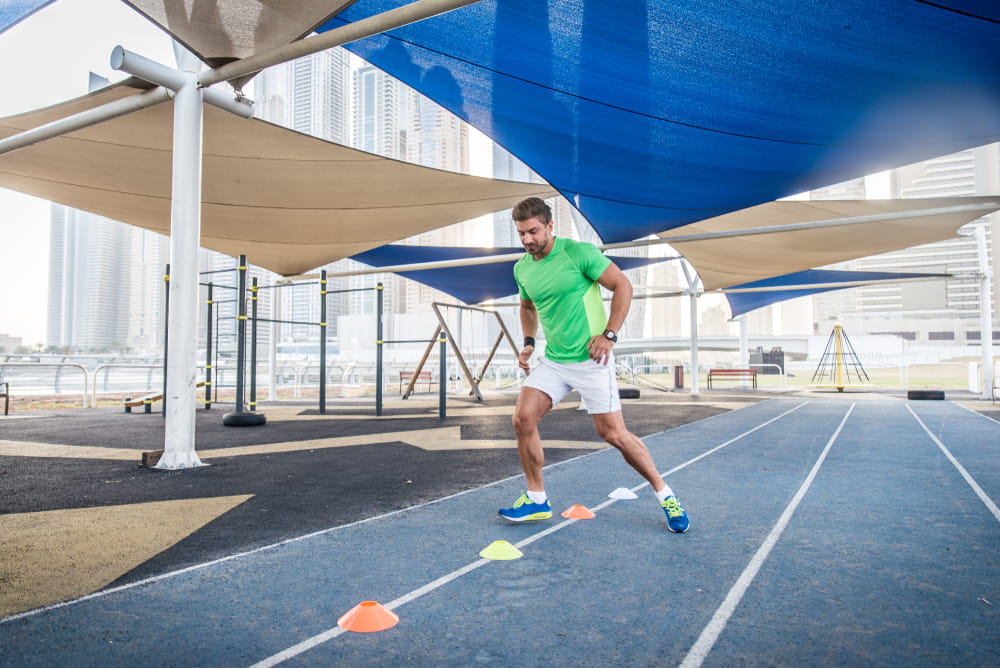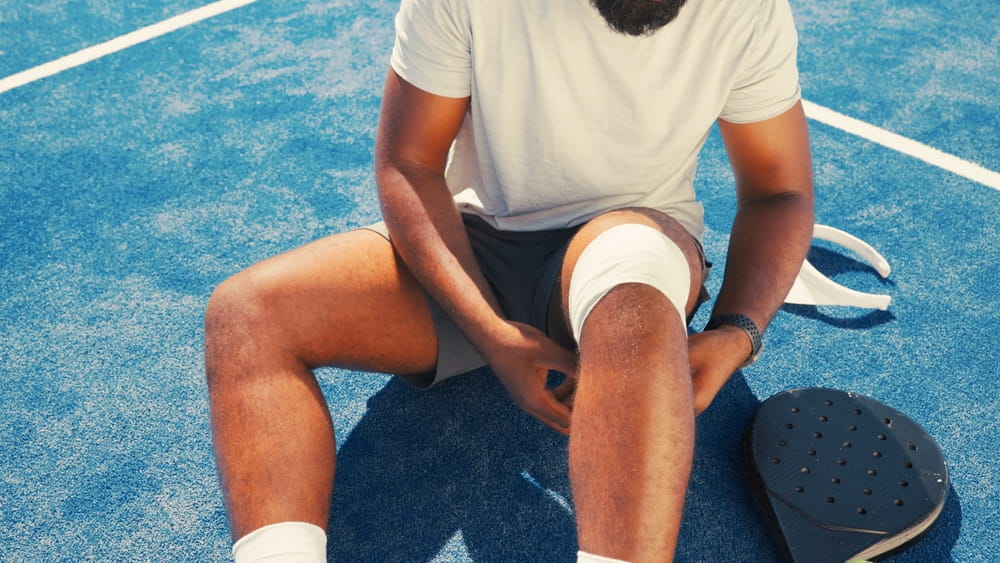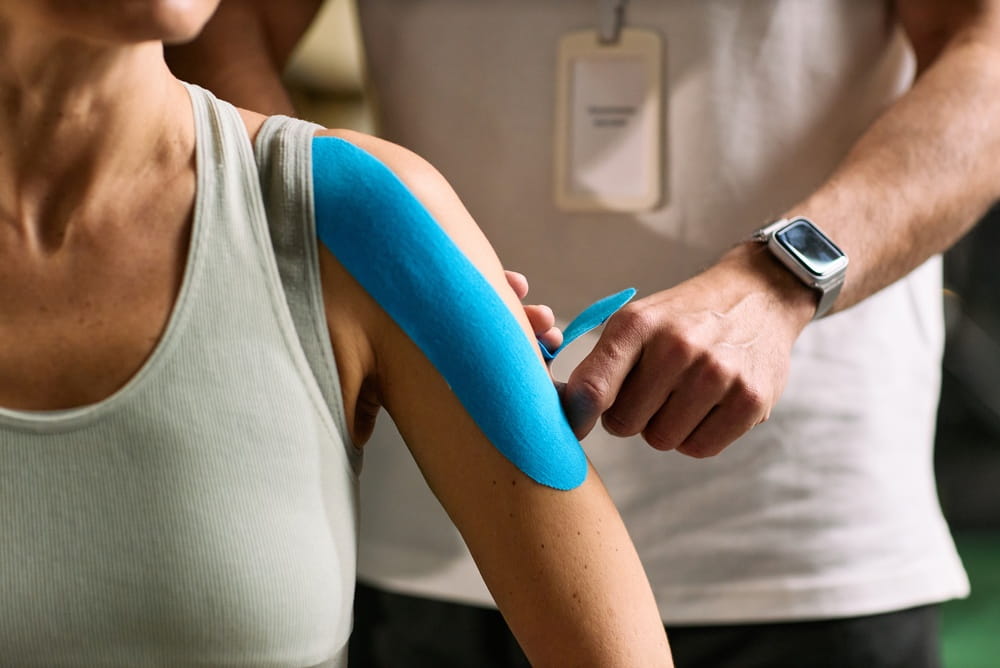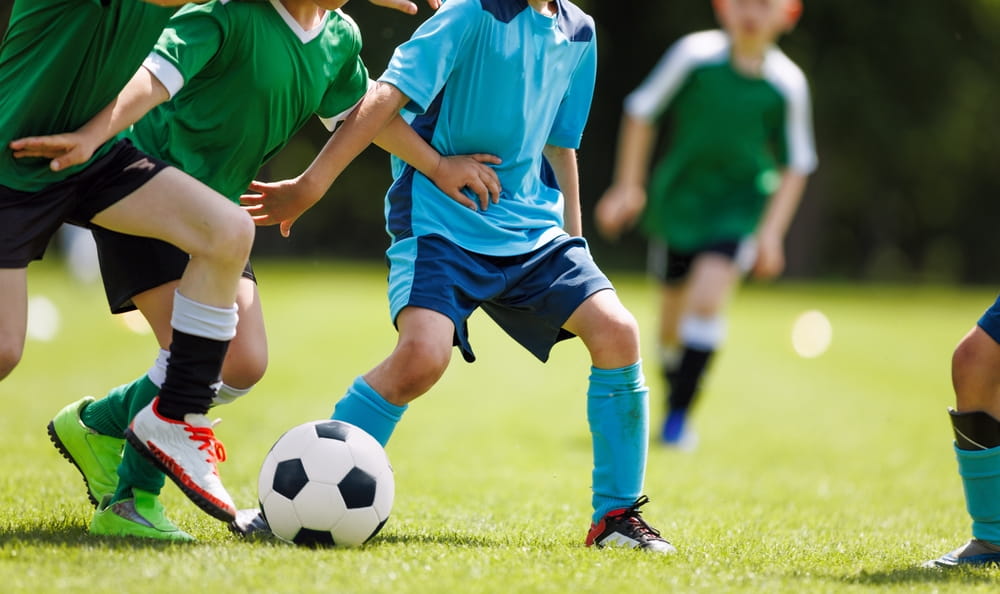
Athletic injuries can be frustrating, disruptive, and, if not properly managed, long-lasting. Whether someone participates in competitive sports, recreational activities, or fitness routines, recovery plays a critical role in returning to movement safely and confidently. Understanding how sports medicine supports recovery can help clarify why a structured approach matters. Lone Star Orthopaedic and Spine Specialists, PLLC in Mansfield, Fort Worth, and Burleson, TX, emphasizes education around injury recovery so athletes and active individuals can better understand the science behind healing and performance restoration. This article explores how sports medicine principles guide recovery, reduce setbacks, and support long-term athletic health.
Understanding Sports Medicine and Recovery
Sports medicine focuses on the prevention, evaluation, and recovery of injuries related to physical activity. Unlike general rest-based approaches, sports medicine emphasizes active, guided recovery tailored to the demands of the athlete and the specific injury involved. Recovery is viewed as a dynamic process that balances tissue healing, strength restoration, flexibility, and neuromuscular control.
Injuries affect more than just the injured area. Muscles, joints, and connective tissues work together in coordinated patterns, and disruption in one area can influence movement elsewhere. Sports medicine recovery strategies aim to restore these patterns safely, helping athletes regain function while minimizing the risk of reinjury.
Why Recovery Is More Than Just Rest
Rest is an important early component of healing, but prolonged inactivity can lead to stiffness, muscle weakness, and reduced coordination. Sports medicine approaches recovery as a progression rather than a pause. Controlled movement helps stimulate circulation, support tissue repair, and maintain joint mobility without overstressing healing structures.
Guided recovery also addresses how the injury occurred in the first place. Biomechanical imbalances, poor movement mechanics, or overuse patterns may contribute to injury risk. By identifying and addressing these factors, recovery becomes an opportunity to improve overall movement efficiency rather than simply returning to baseline activity levels.
Common Injuries Addressed in Sports Medicine
Sports medicine principles apply to a wide range of injuries, from acute trauma to overuse conditions. Sprains, strains, ligament injuries, and tendon irritation are common among athletes. Stress fractures, joint instability, and cartilage injuries may also occur, depending on the sport and level of impact involved.
Overuse injuries are particularly common in endurance sports and activities involving repetitive motion. These injuries often develop gradually and may worsen if training continues without adequate recovery. Learning about sports medicine care can help individuals understand how recovery plans are tailored to different injury types and activity demands.
How Structured Rehabilitation Supports Faster Recovery
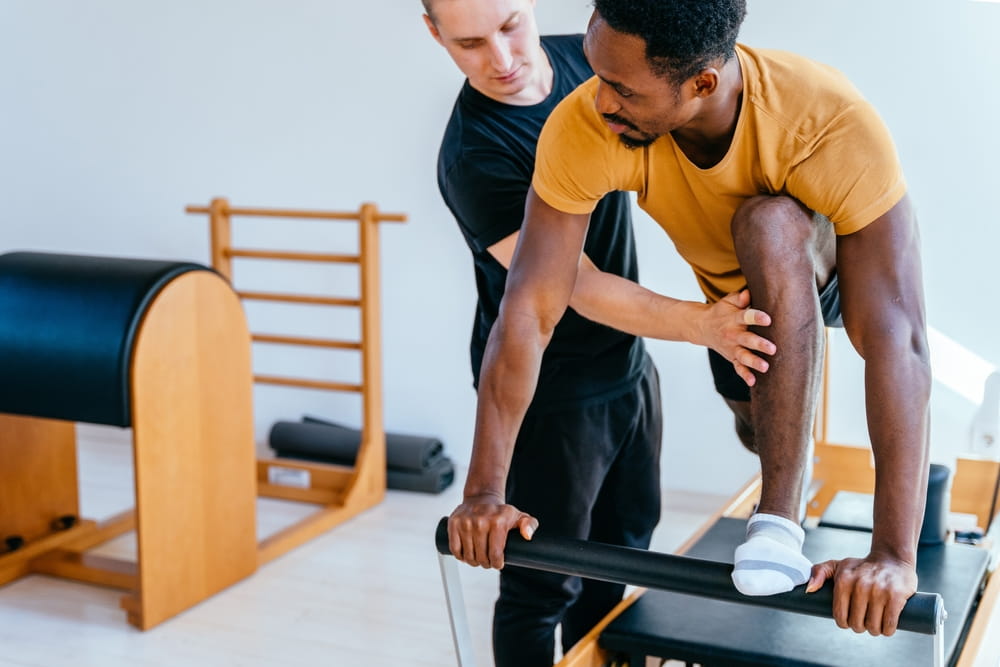
One of the key advantages of sports medicine recovery is structure. Rather than relying on guesswork, recovery plans are designed around phases that align with tissue healing timelines. Early phases may focus on reducing swelling and restoring gentle movement, while later phases emphasize strength, balance, and sport-specific skills.
Progression is carefully monitored to ensure that tissues are challenged appropriately without being overloaded. This approach helps athletes regain confidence in movement while reducing the likelihood of setbacks. Structured rehabilitation also supports mental readiness, which is an often-overlooked aspect of returning to sport.
The Role of Strength, Flexibility, and Control
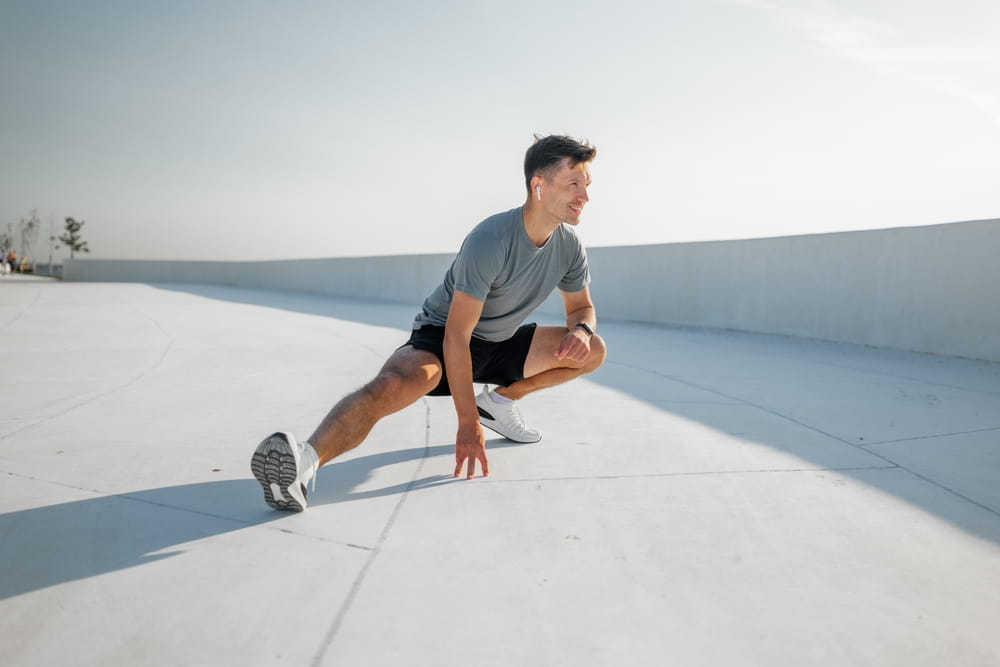
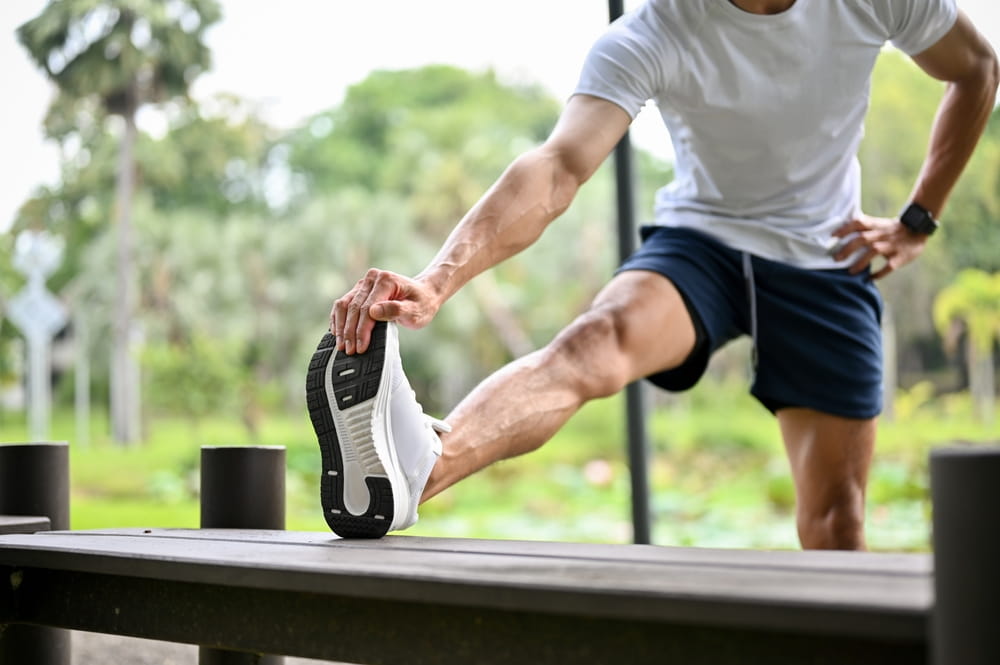
Effective recovery addresses multiple components of physical function. Strengthening injured and surrounding muscles helps support joints and absorb forces during activity. Flexibility work restores normal range of motion and reduces compensatory movement patterns that can place stress on other areas.
Neuromuscular control, or the body’s ability to coordinate movement, is another critical factor. After an injury, the nervous system may alter movement patterns to protect the injured area. Sports medicine recovery focuses on retraining these patterns so movement becomes efficient and automatic again, supporting safer performance.
Injury Prevention as Part of Recovery
A key principle of sports medicine is that recovery and prevention are closely linked. The recovery process often reveals weaknesses or imbalances that existed before the injury. Addressing these factors reduces the likelihood of future injuries and supports long-term athletic development.
Prevention-focused education may include guidance on training volume, recovery time, and movement technique. Understanding how different joints and regions interact can also be valuable. For example, lower extremity injuries may be influenced by hip strength or foot mechanics, while upper body injuries may relate to shoulder or spine alignment.
How Sports Medicine Applies to All Activity Levels
Sports medicine is not limited to elite athletes. Active individuals of all ages benefit from recovery strategies that respect the body’s healing process while promoting safe movement. Weekend athletes, fitness enthusiasts, and physically demanding workers all face injury risks that require thoughtful recovery.
As people age, recovery timelines may change, but the principles remain the same. Maintaining strength, balance, and mobility supports independence and reduces injury risk over time. Educational resources related to general orthopaedic health can help explain how joint health and activity choices influence recovery outcomes across the lifespan.
The Importance of Addressing the Whole Body
Injuries rarely affect a single structure in isolation. An ankle injury, for example, may influence knee or hip mechanics, while shoulder injuries may alter neck or upper back movement. Sports medicine recovery takes a whole-body perspective, recognizing that efficient movement depends on coordinated function across multiple regions.
Understanding the connection between activity-related injuries and spinal health can also be helpful. Learning about neck and spine function provides context for how posture, alignment, and core stability influence athletic performance and recovery.
Staying Patient and Consistent During Recovery
Faster recovery does not mean rushing the process. Sports medicine emphasizes efficiency, not shortcuts. Pushing too hard too soon can increase the risk of reinjury, while inconsistent rehabilitation may prolong recovery timelines. Patience and consistency are essential components of successful outcomes.
Education helps athletes understand why certain stages of recovery take time and why gradual progression is necessary. This understanding supports adherence to recovery plans and builds trust in the process, even when progress feels slow.
Building Confidence to Return to Activity
Physical readiness is only one part of recovery. Confidence in movement plays a significant role in performance and injury prevention. Sports medicine recovery includes strategies that help athletes regain trust in their bodies, such as controlled exposure to sport-specific movements and progressive challenges.
This approach helps reduce fear of reinjury and supports smoother transitions back to full activity. Confidence built through guided recovery can improve performance and encourage long-term participation in physical activity.
Recovery is an active process that extends beyond rest and time away from activity. Sports medicine principles guide athletes through structured, thoughtful recovery that supports healing, performance, and prevention. Understanding how strength, flexibility, control, and progression work together empowers individuals to approach recovery with clarity and confidence.
For those in Mansfield, Fort Worth, and Burleson, Lone Star Orthopaedic and Spine Specialists, PLLC remains committed to providing educational insight into sports medicine and injury recovery. Learning more about how sports medicine supports faster, safer recovery can help athletes and active individuals return to movement with greater confidence and long-term resilience.
Sources
McCrory, P., et al. (2017). Consensus statement on injury prevention and recovery in sport. British Journal of Sports Medicine.
Bleakley, C. M., Glasgow, P., & MacAuley, D. C. (2012). PRICE needs updating, should we call the POLICE? British Journal of Sports Medicine.
Herring, S. A., Kibler, W. B., & Putukian, M. (2012). Rehabilitation and return to play following sports injury. Journal of Orthopaedic & Sports Physical Therapy.