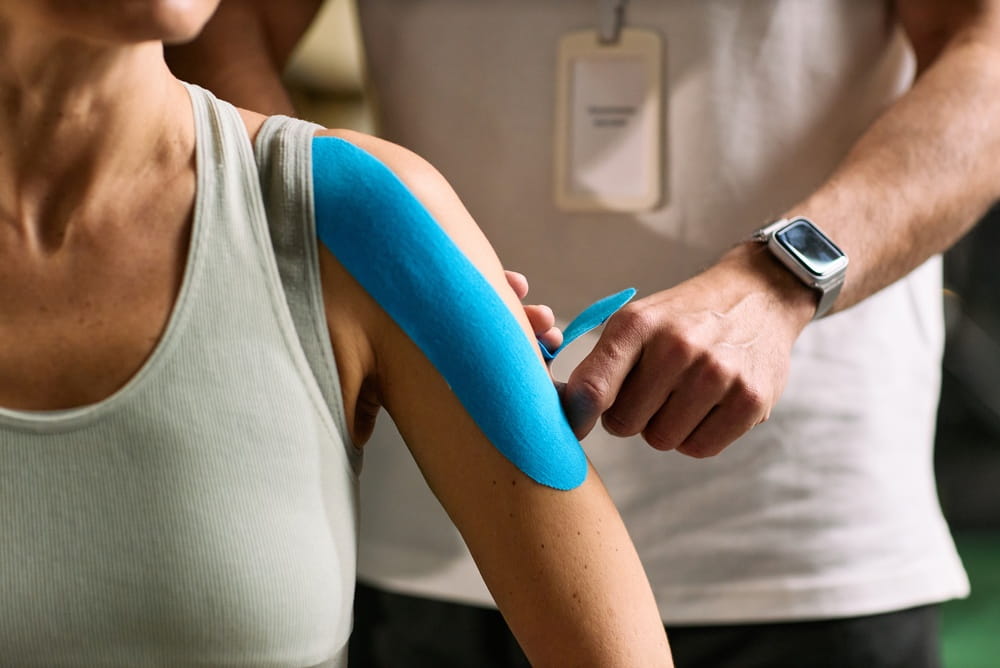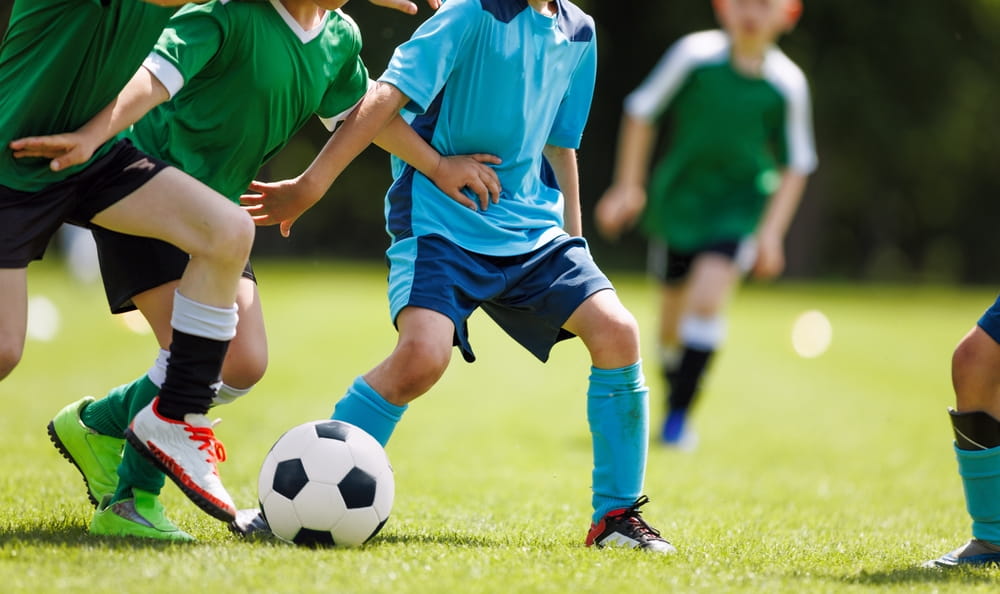
Youth and teen sports offer valuable benefits, including physical fitness, teamwork, confidence, and lifelong healthy habits. However, as young athletes train harder and specialize earlier, sports-related injuries have become increasingly common. Many of these injuries develop gradually and may be preventable with the right awareness and preparation. For families in Mansfield, Fort Worth, and Burleson, understanding how sports injuries occur in children and teens can help support safer participation and long-term athletic development. Lone Star Orthopaedic and Spine Specialists, PLLC emphasizes education so parents, coaches, and young athletes can make informed choices that protect growing bodies.
Why Young Athletes Are Especially Vulnerable
Children and teens are not simply smaller versions of adults. Their bones, muscles, and tendons are still developing, and growth plates remain open until skeletal maturity. These growth areas are more susceptible to stress, particularly during periods of rapid growth.
As coordination and strength change quickly during adolescence, temporary imbalances may develop. Muscles may tighten before bones fully catch up, increasing strain on joints and connective tissues. Understanding these developmental factors helps explain why injury prevention strategies for youth differ from those used with adult athletes.
Common Sports Injuries in Youth and Teens
Many youth sports injuries are related to overuse rather than a single traumatic event. Repetitive motions such as throwing, jumping, or running can place ongoing stress on developing tissues. Common overuse injuries include tendon irritation, stress reactions in bone, and growth plate inflammation.
Acute injuries also occur, particularly in contact or high-speed sports. Sprains, strains, and fractures may result from falls, collisions, or sudden changes in direction. While not all injuries can be prevented, many risks can be reduced with proper training and recovery strategies.
The Role of Overuse and Early Specialization
Early sport specialization has become more common, with some children playing one sport year-round. While dedication can support skill development, repetitive stress without adequate rest increases injury risk. Overuse injuries often develop quietly, with mild pain that worsens over time if ignored.
Encouraging sport variety and scheduled rest periods allows different muscle groups to develop and reduces repetitive strain. Understanding how training volume affects young bodies helps families balance performance goals with long-term health.
Training Smart: Technique, Strength, and Conditioning
Proper technique is a key component of injury prevention. Poor movement patterns can increase joint stress and lead to compensation over time. Age-appropriate coaching that emphasizes fundamentals helps young athletes move more efficiently and safely.
Strength and conditioning also play important roles. Building core strength, balance, and flexibility supports joint stability and coordination. Programs designed for youth focus on body control rather than heavy loads, supporting safe physical development.
The Importance of Rest and Recovery
Rest is often overlooked in youth sports, yet it is essential for injury prevention. Growing bodies need time to recover from physical stress, especially during busy seasons or growth spurts. Without adequate rest, fatigue can increase injury risk and reduce performance.
Sleep is a critical part of recovery. Poor sleep affects coordination, reaction time, and tissue repair. Encouraging consistent sleep routines and rest days supports both physical health and athletic enjoyment.
Recognizing Early Warning Signs
Many sports injuries begin with subtle symptoms. Persistent soreness, joint stiffness, swelling, or pain that worsens during activity should not be ignored. Changes in performance, altered movement, or reluctance to participate may also signal a developing issue.
Early recognition allows for timely adjustments such as rest, activity modification, or technique review. Learning about youth-focused sports medicine care helps families understand why early attention supports safer participation and long-term outcomes.
The Role of Coaches, Parents, and Communication
Injury prevention is a shared responsibility. Coaches play an important role in monitoring training volume and technique, while parents help observe changes in behavior or discomfort outside of practice. Open communication encourages young athletes to speak up about pain rather than hiding symptoms to keep playing.
Creating an environment where health is prioritized over short-term performance supports safer sports experiences. When adults work together, injury risks are easier to recognize and address early.
Long-Term Benefits of Injury Prevention
Preventing sports injuries does more than reduce time away from activity. It supports healthy movement habits, confidence, and a positive relationship with physical activity. Young athletes who feel safe and supported are more likely to stay active into adulthood.
Reducing injury risk also helps protect joints and tissues during critical developmental years. Thoughtful training and recovery strategies support resilience, allowing young athletes to enjoy sports while protecting their future mobility.
Injury Prevention in Youth Sports
Youth and teen sports should build strength, confidence, and enjoyment—not lead to preventable injuries. Understanding how growth, training, and recovery influence injury risk empowers families to support safe participation at every stage.
Staying informed supports safer training, healthier movement, and a lifelong love of physical activity. For families in Mansfield, Fort Worth, and Burleson, TX, Lone Star Orthopaedic and Spine Specialists, PLLC is committed to providing educational guidance that helps parents and young athletes understand injury prevention and musculoskeletal health.
Sources
DiFiori, J. P., et al. (2014). Overuse injuries and burnout in youth sports. British Journal of Sports Medicine.
Myer, G. D., et al. (2011). The importance of neuromuscular training in youth injury prevention. American Journal of Sports Medicine.
Brenner, J. S. (2016). Sports specialization and intensive training in young athletes. Pediatrics.