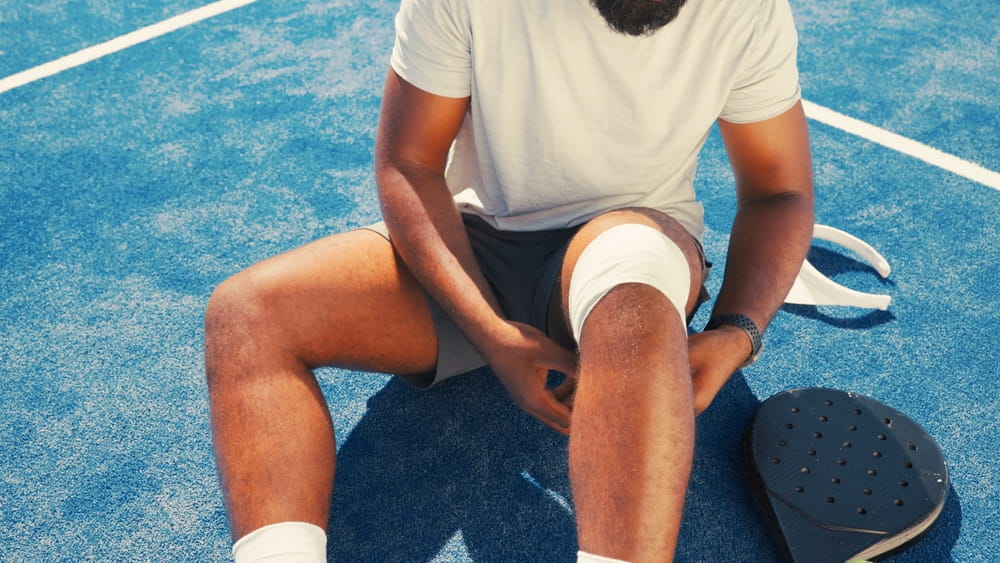
Staying physically active is one of the most effective ways to support long-term health, mobility, and strength. Many adults participate in running, cycling, recreational sports leagues, strength training, or fitness classes as part of their regular routines. While these activities provide meaningful physical and mental benefits, repetitive training can also increase the likelihood of overuse injuries when the body experiences repeated stress without enough recovery time.
In active communities across Mansfield, Fort Worth, and Burleson, Texas, adult athletes often balance busy work schedules, family responsibilities, and consistent training routines. Whether preparing for races, participating in local sports leagues, or maintaining a personal fitness program, many people remain committed to staying active year-round. However, when training intensity increases faster than the body can recover, repetitive strain on muscles and joints may gradually lead to overuse injuries.
Educational insights from Lone Star Orthopaedic and Spine Specialists, PLLC, help highlight how repetitive training patterns affect the musculoskeletal system. Understanding how the body responds to repeated physical stress allows athletes to stay active while protecting long-term joint and muscle health.
Understanding What Overuse Injuries Are
Overuse injuries develop when tissues experience repeated microstress during physical activity. Normally, the body repairs these small stresses during periods of rest. However, when training intensity or frequency increases too quickly, the body may not have enough time to heal between workouts.
Muscles, tendons, ligaments, and bones all adapt gradually to increased workloads. If that workload grows faster than the body can adjust, irritation or inflammation may occur. This process often begins with mild soreness that appears during or after activity.
Tendons are particularly vulnerable to overuse injuries because they transfer force between muscles and bones. Activities that involve repetitive motion—such as running, throwing, or jumping—place consistent stress on these structures.
Over time, the accumulation of microstress may lead to tendon irritation or other repetitive strain conditions. Recognizing early warning signs and adjusting activity levels can help prevent further strain on these tissues.
Why Adult Athletes Face Unique Risks
Adult athletes often train with dedication and enthusiasm. Many participate in endurance races, competitive leagues, or structured fitness programs that demand consistent physical effort.
However, the body’s recovery process may change with age. Muscles and connective tissues can require more time to adapt to increased physical demands. When training volume increases too quickly, the musculoskeletal system may struggle to keep up with the workload.
Busy schedules also play a role. Work commitments, family responsibilities, and travel can reduce sleep and recovery time, both of which are essential for tissue repair.
Previous injuries may also influence how the body moves during activity. When certain muscles compensate for others that are weaker or recovering from past injuries, repetitive stress may shift to different joints or tendons.
Learning about strategies used in sports medicine can help athletes better understand how training habits influence injury risk and long-term performance.
The Impact of Repetitive Motion in Sports
Many athletic activities rely on repeating the same movement patterns thousands of times. While repetition helps improve skill and endurance, it can also concentrate stress on specific tissues.
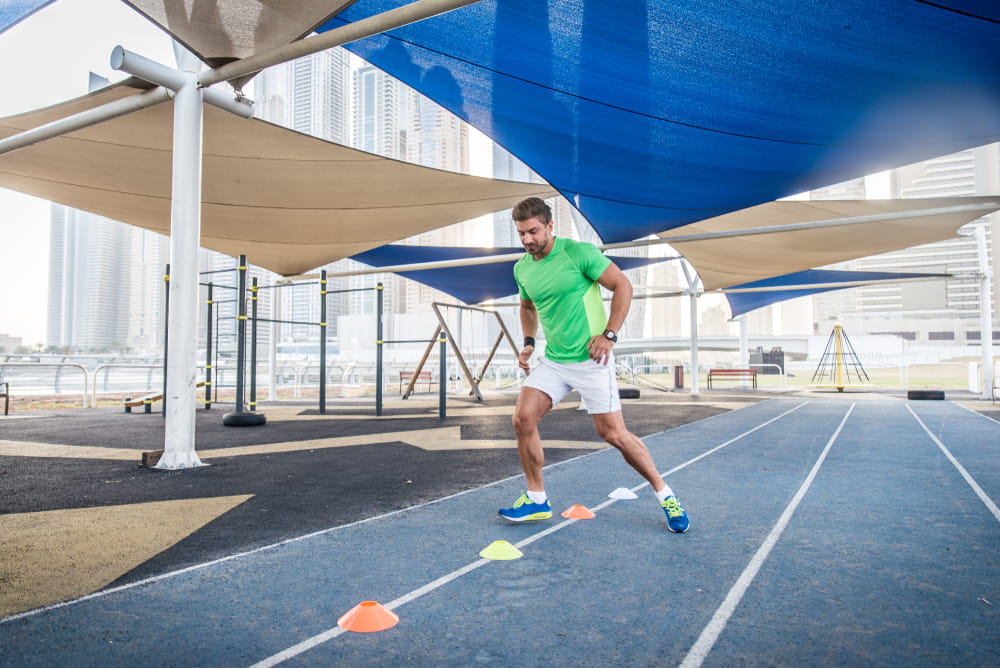
Runners, for example, may take several thousand steps during a single training session. Each step places impact forces on the feet, ankles, knees, and hips. Over time, repetitive loading may irritate tendons or joints if the body does not receive sufficient recovery time.
Sports involving overhead motions—such as tennis, baseball, or swimming—often place repeated stress on the shoulder joint. These repetitive actions can strain the muscles and tendons that stabilize the shoulder.
Athletes who engage in strength training may also experience overuse injuries when performing high volumes of repetitive lifts without allowing adequate rest between sessions.
Understanding how repetitive motion affects the body can help athletes adjust their training schedules to support recovery.
Common Types of Overuse Injuries
Overuse injuries can affect nearly any part of the musculoskeletal system, but several patterns appear frequently among adult athletes.
Tendon irritation is one of the most common issues. Repetitive strain may affect the Achilles tendon, patellar tendon, or tendons in the shoulder and elbow.
Stress reactions in bones can also develop when repetitive impact occurs faster than the skeletal system can adapt. Distance runners and athletes involved in jumping sports may be particularly vulnerable.
Joint irritation can occur when cartilage and surrounding structures experience repeated loading. Over time, this stress may lead to stiffness or discomfort during or after activity.
Muscle strain may also develop gradually when muscles are consistently pushed beyond their recovery capacity.
Athletes experiencing persistent discomfort in the legs or joints may benefit from learning about musculoskeletal care strategies related to areas such as the knee, which often experiences repetitive stress during running and athletic activity.
Early Warning Signs of Overuse
The body often provides early signals when tissues are becoming overstressed. Recognizing these signals can help prevent minor irritation from developing into more significant injuries.
Common early warning signs include:
- Persistent soreness that lasts longer than usual after activity
- Discomfort that gradually increases during training sessions
- Morning stiffness in muscles or joints
- Tenderness along tendons or around joints
- Reduced strength or endurance during workouts
Athletes who notice these symptoms may benefit from adjusting training intensity or incorporating additional recovery time.
Ignoring these signals can allow repetitive strain to accumulate, potentially leading to longer recovery periods later.
Why Recovery Matters Just as Much as Training
Training places stress on muscles and connective tissues, but recovery is when the body rebuilds stronger structures. Without adequate recovery time, tissues may remain in a state of ongoing stress rather than adaptation.
Sleep plays a particularly important role in this process. During deep sleep cycles, the body releases hormones that support muscle repair and tissue recovery.
Nutrition also contributes to recovery. Adequate hydration and balanced nutrition provide the building blocks necessary for muscle repair and energy replenishment.
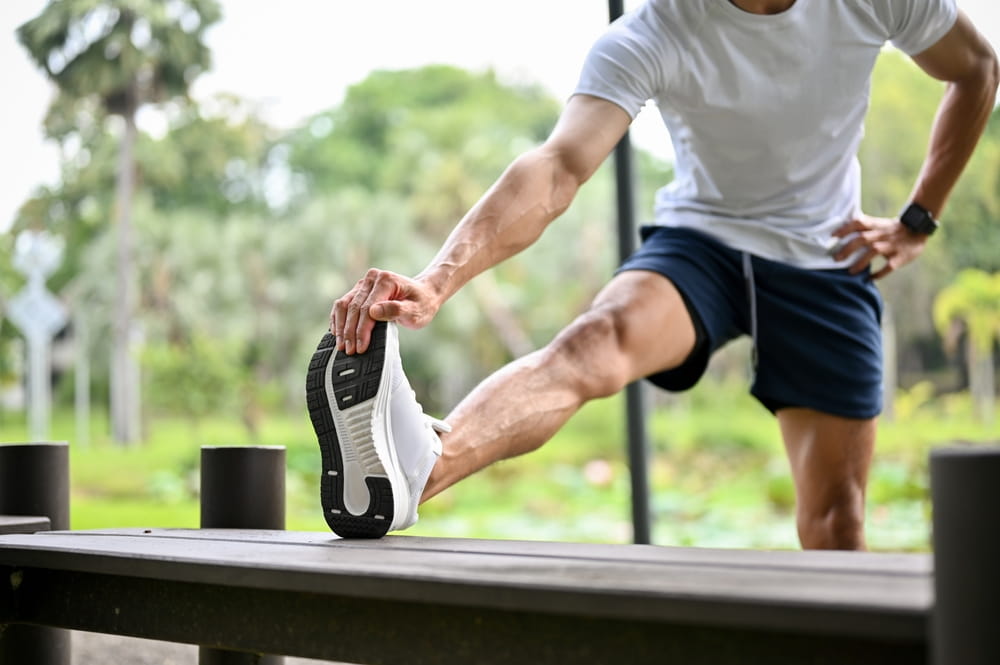
Active recovery techniques—such as stretching, mobility exercises, and low-intensity movement—can improve circulation and reduce muscle stiffness between workouts.
Athletes who incorporate regular recovery strategies into their routines often maintain more consistent performance while reducing the risk of overuse injuries.
Training Habits That Support Injury Prevention
Preventing overuse injuries often involves thoughtful training strategies that balance physical challenge with adequate rest.
Gradual progression is one of the most effective approaches. Increasing mileage, intensity, or training frequency slowly allows tissues to adapt safely.
Cross-training also helps distribute stress across different muscle groups. Activities such as swimming, cycling, or strength training allow athletes to maintain fitness while giving heavily used muscles time to recover.
Strength training can provide additional protection by stabilizing joints and improving muscular balance. When muscles surrounding joints are strong and coordinated, they help distribute forces more evenly during movement.
Some athletes who experience persistent discomfort may explore approaches related to pain management to better understand how musculoskeletal stress affects training routines and recovery.
Warm-up routines and flexibility exercises further prepare the body for physical activity by improving circulation and mobility before workouts begin.
Supporting Long-Term Athletic Health in the Texas Community
Physical activity offers numerous benefits for cardiovascular health, bone strength, and mental well-being. For many adults, athletic participation is an essential part of maintaining a healthy and active lifestyle.
Balancing training with recovery allows athletes to enjoy these benefits while reducing unnecessary strain on muscles and joints. Paying attention to early signs of fatigue, maintaining gradual training progression, and incorporating recovery strategies all contribute to long-term musculoskeletal health.
Educational insights from Lone Star Orthopaedic and Spine Specialists, PLLC emphasize how understanding the body’s response to repetitive stress can help athletes stay active safely. Individuals throughout Mansfield, Fort Worth, and Burleson, Texas—and across the broader North Texas region—can benefit from learning how proper training habits and recovery strategies support lifelong movement and athletic participation.
Sources
DiFiori, J. P., Benjamin, H. J., Brenner, J. S., et al. (2014). Overuse injuries and burnout in youth sports: A position statement from the American Medical Society for Sports Medicine. British Journal of Sports Medicine.
Reinking, M. F. (2012). Exercise-related leg pain in female collegiate athletes: The influence of intrinsic and extrinsic factors. American Journal of Sports Medicine.
Hreljac, A. (2004). Impact and overuse injuries in runners. Medicine & Science in Sports & Exercise.