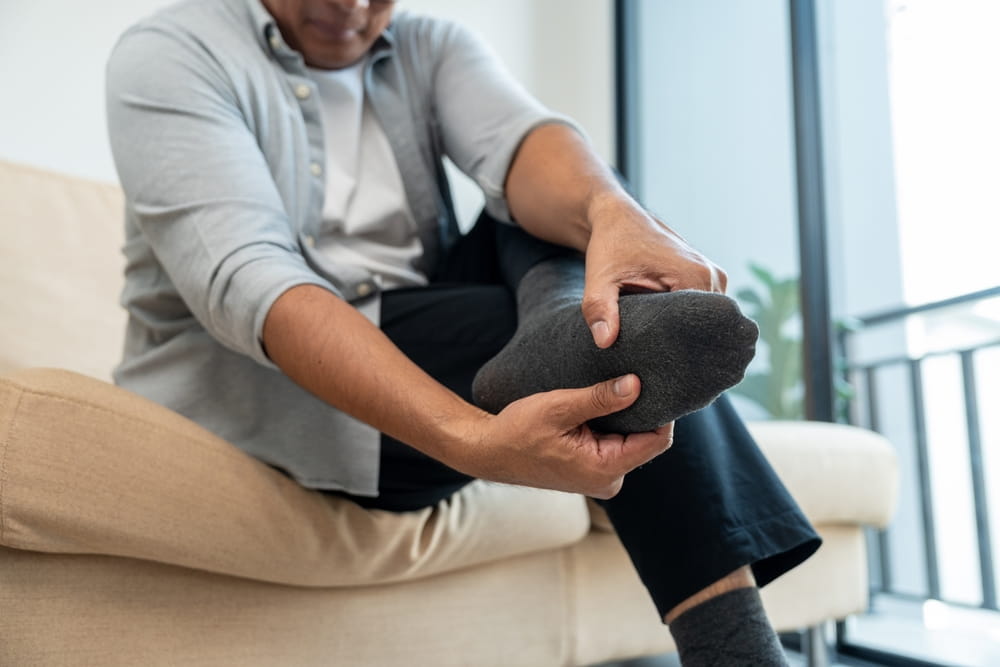
Calluses are one of the body’s simplest responses to repeated pressure and friction. They commonly form on the heels, balls of the feet, sides of the toes, or other areas that repeatedly absorb stress during standing and walking.
In many cases, calluses are harmless. But where they form and how quickly they return can sometimes offer useful clues about how weight is distributed across the foot. Foot structure, walking mechanics, shoe fit, activity level, and areas of limited motion can all influence where pressure accumulates.
Lone Star Orthopaedic and Spine Specialists, PLLC evaluates foot and ankle concerns for patients throughout Fort Worth, Mansfield, Burleson, and surrounding North Texas communities. Looking at callus patterns alongside gait and foot mechanics can help identify whether a particular area is consistently taking more load than expected.
Why Calluses Form
Skin thickens when it is exposed to repeated pressure or friction. This protective response creates a callus.
The process is often gradual. A person may not notice anything at first, but over time the skin becomes thicker, firmer, and sometimes more yellow in appearance.
Calluses are especially common in areas that bear weight or rub against footwear. They may also develop where the foot repeatedly contacts the ground in a particular way.
A callus itself does not necessarily mean something is wrong. The pattern becomes more useful when it is considered together with pain, shoe wear, walking style, and foot structure.
The Location of a Callus Can Matter
Different areas of the foot absorb different forces during walking.
A callus under the heel may reflect repeated impact at initial contact. Thickened skin beneath the ball of the foot may indicate increased pressure during push-off. Calluses along the side of a toe may be related to shoe friction or the way neighboring toes contact each other.
When the same callus repeatedly returns after trimming or moisturizing, it may suggest that the underlying pressure pattern has not changed.
Through specialized ankle and foot care, clinicians can look beyond the skin itself and consider whether movement, footwear, or foot structure is contributing.
Calluses Under the Ball of the Foot
The forefoot carries significant load when the heel rises and the body moves forward.
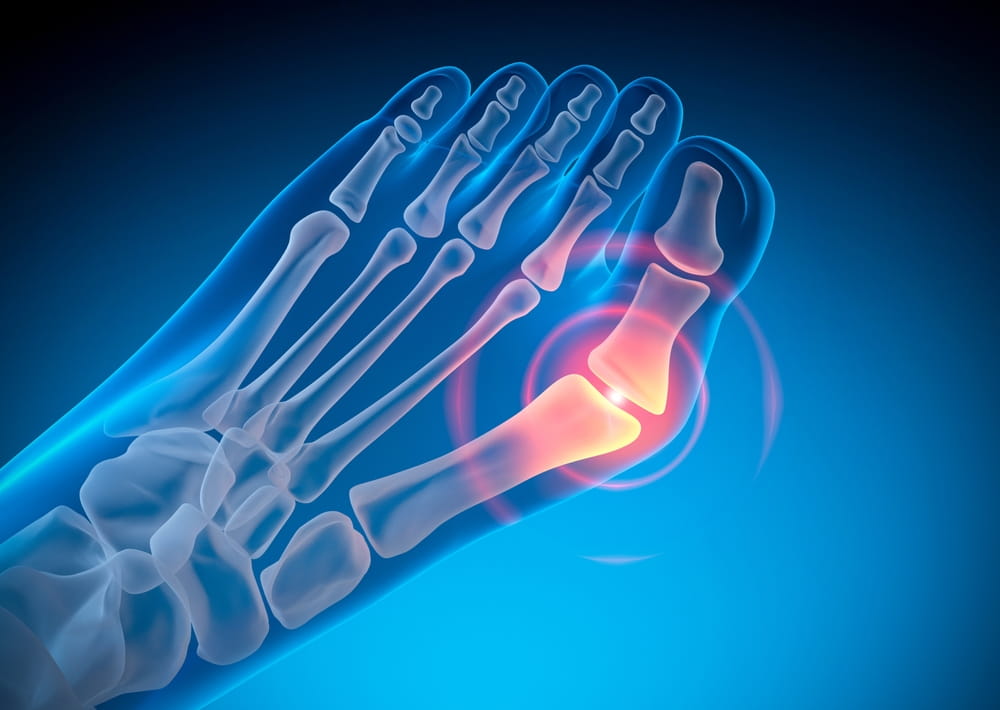
If one area under the metatarsal heads receives more pressure than the surrounding tissues, a focal callus may develop. This can occur because of foot shape, toe position, limited joint motion, or how weight transfers during walking.
Some people also develop discomfort beneath these areas, particularly when standing for long periods or walking barefoot on hard surfaces.
A thick callus in this region may be a sign that pressure is not being distributed evenly across the forefoot.
Heel Calluses
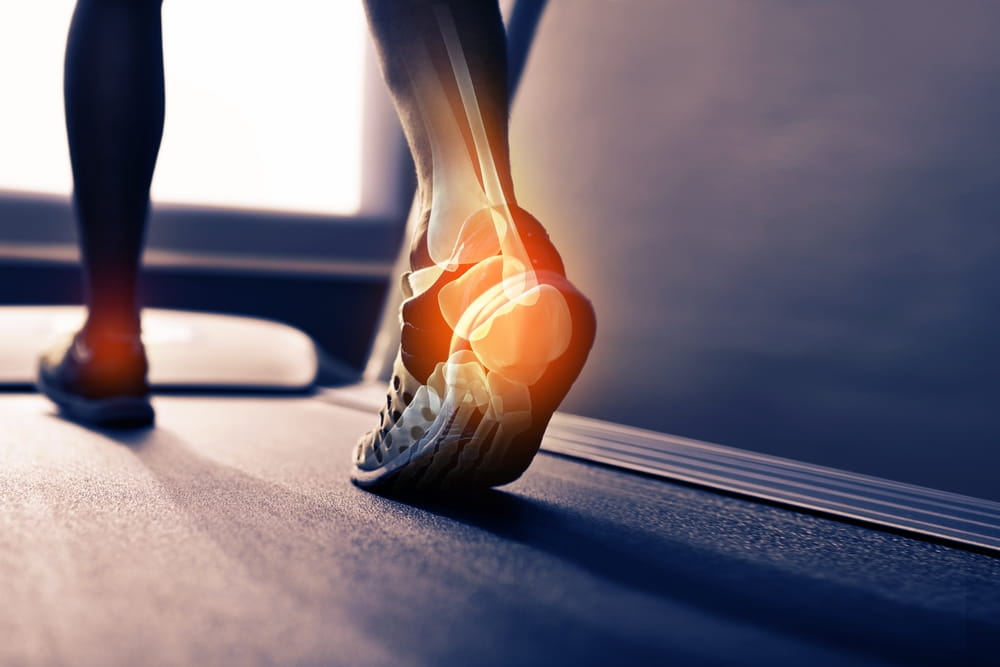
The heel is naturally exposed to repetitive loading, so some thickened skin in this area is common.
Calluses can become more pronounced when someone walks barefoot frequently, wears poorly cushioned shoes, or places heavy pressure through the heel during gait.
Dry skin can also make heel calluses more noticeable and may contribute to cracking.
Heel calluses alone do not usually indicate an abnormal gait, but their thickness, symmetry, and relationship to pain may provide additional information.
Calluses Along the Toes
Toe calluses and corns often develop where shoes rub or where toes press against one another.
A tight toe box may create repeated friction along the sides or tops of the toes. Toe deformities such as hammertoes can also change which areas contact the shoe.
If a toe repeatedly bears pressure in a position it was not designed to tolerate, the skin may thicken as protection.
This is one reason footwear fit is an important part of evaluating recurring calluses.
How Foot Structure Influences Pressure
Foot shape can affect how forces are distributed during standing and walking.
People with higher arches may concentrate pressure in certain areas of the heel and forefoot. Flatter feet may distribute load differently and may be associated with increased contact across a broader portion of the sole.
Neither foot type automatically causes problems. Many people with high or low arches never develop significant pain.
The concern is whether a structural pattern corresponds with recurring calluses, discomfort, instability, or difficulty with activity.
What Gait Has to Do With Calluses
Gait refers to the way a person walks.
During a normal step, the heel contacts the ground, weight moves forward through the foot, and the toes help propel the body into the next stride. The exact pattern varies naturally from one person to another.
If weight consistently shifts toward one side of the foot or one part of the forefoot takes more load, the skin in that area may respond by thickening.
A gait evaluation can reveal whether someone is favoring one leg, turning a foot inward or outward, limiting ankle motion, or shifting weight away from a painful area.
Shoe Wear Can Offer Additional Clues
Shoes can sometimes reinforce what a callus pattern suggests.
Uneven wear on the heel or sole may reflect how the foot contacts the ground. Compression on one side of the shoe may indicate repeated loading in that area.
Shoe wear is not diagnostic on its own, because materials and shoe design affect how quickly different areas break down. Still, it can add useful context when considered with symptoms and examination findings.
Bringing a frequently worn pair of shoes to an appointment may help show how pressure is distributed over time.
Limited Mobility May Shift Pressure
Restricted motion at the ankle, big toe, or other joints can change how the foot moves through each step.
For example, if the ankle does not bend adequately as the body moves forward, the foot may compensate by rotating or lifting the heel earlier. If the big toe does not extend well during push-off, pressure may shift elsewhere across the forefoot.
These compensations can increase stress in areas that repeatedly take over the movement.
Restoring mobility, when appropriate, may be part of addressing both discomfort and abnormal pressure patterns.
Pain Can Change the Way You Walk
Sometimes a callus develops because a person is already changing their gait to avoid pain elsewhere.
Someone with an ankle injury may place more weight through the opposite side of the foot. A painful big toe may cause the person to push off through the outer forefoot. Hip or knee discomfort can also alter how weight travels through the lower extremity.
These compensations may initially reduce pain in one area but increase pressure in another.
This is why persistent foot symptoms should be considered as part of the entire lower-extremity movement pattern rather than treated only at the skin surface.
When Calluses May Need More Attention
Many calluses are harmless, but some should be evaluated more closely.
Signs that deserve attention include:
- Pain directly beneath or around the callus
- Recurrent thickening despite routine care
- Cracking, bleeding, redness, or drainage
- Numbness or reduced sensation in the foot
- A callus that develops rapidly in a new location
- Significant differences between the two feet
- Difficulty walking because of pressure or tenderness
- Calluses associated with toe deformity or joint stiffness
People with diabetes, circulation problems, or reduced sensation should be especially cautious about treating calluses on their own.
Why Simply Removing the Callus May Not Solve the Problem
Trimming or filing a callus can reduce thickness, but it does not change the pressure that caused it.
If the same mechanical stress continues, the skin often thickens again.
Long-term management may involve changing footwear, redistributing pressure, addressing mobility limitations, or modifying movement patterns.
The correct approach depends on why the callus formed in the first place.
How Foot and Gait Evaluation Helps
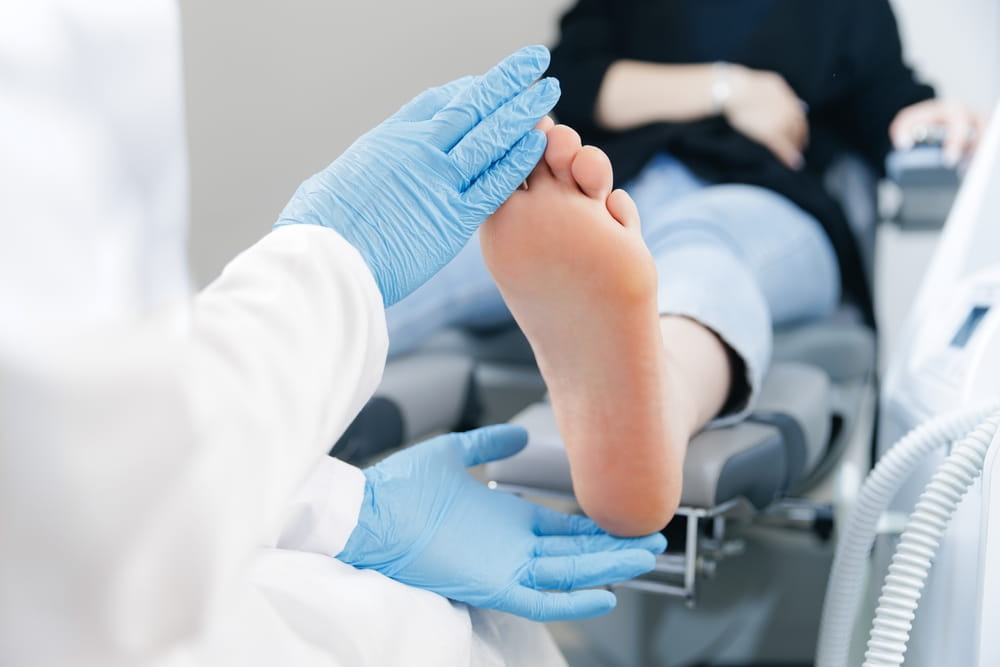
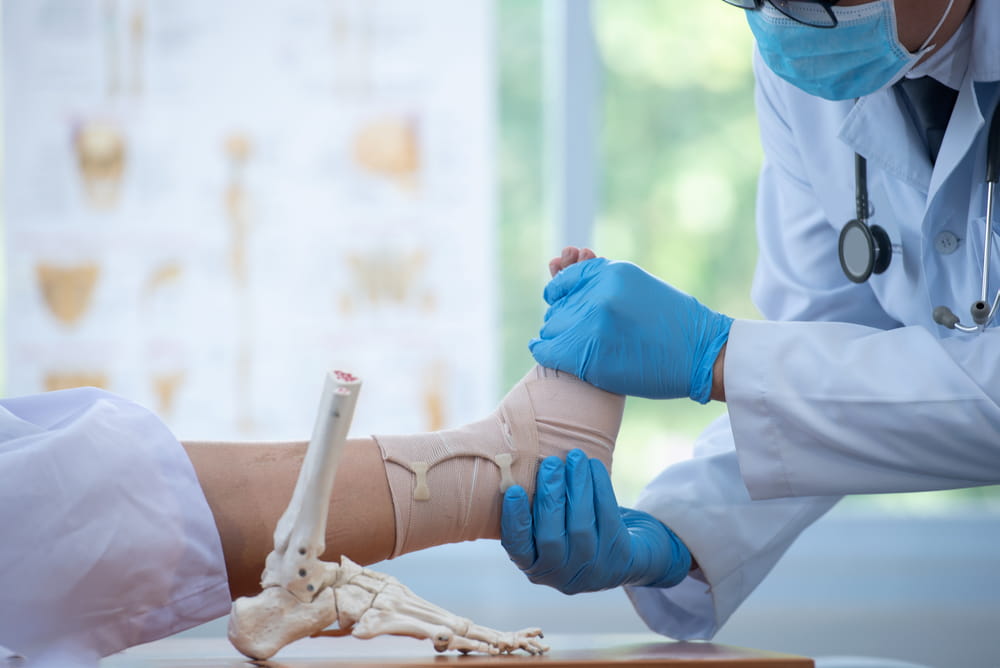
An evaluation may begin with the location and appearance of the callus, followed by an assessment of foot shape, joint mobility, tenderness, and alignment.
The clinician may observe standing posture and walking. Shoe wear patterns may also be considered.
If the callus is associated with pain or a suspected structural problem, X-rays or other testing may be recommended.
The goal is not to eliminate every callus. Some thickened skin is normal. The purpose is to determine whether the pattern reflects a source of excessive pressure or a movement issue that is contributing to discomfort.
Physical Therapy and Movement Mechanics
When muscle weakness, limited mobility, or gait changes are contributing to abnormal foot pressure, physical therapy may be helpful.
Therapy may focus on ankle mobility, foot and calf strength, balance, and lower-extremity control. Gait-related exercises can also help patients move more efficiently after an injury.
Changing movement patterns takes time. The goal is generally to improve function and comfort rather than force every person into the same walking style.
Lifestyle and Footwear Habits Matter
Daily habits influence the amount of stress placed on the feet.
Long hours of standing, walking on hard surfaces, sudden increases in activity, and poorly fitting shoes can all increase pressure.
Broader lifestyle guidance may help patients consider footwear, activity progression, recovery, and other habits that support musculoskeletal health.
Shoes should provide enough room for the toes and should feel comfortable during the activities for which they are used.
Reading the Pressure Patterns in Your Feet
Calluses are common, but they can sometimes act like a map of repeated pressure. Their location may reflect footwear friction, foot structure, limited mobility, or the way weight moves across the foot during each step.
The pattern becomes more meaningful when calluses repeatedly return, become painful, or appear alongside changes in walking. In those situations, looking at the mechanics beneath the skin can be more useful than simply removing the thickened area.
For people throughout Fort Worth, Mansfield, Burleson, and the wider North Texas area, Lone Star Orthopaedic and Spine Specialists, PLLC evaluates foot and ankle concerns that get in the way of comfort and everyday movement. Knowing where excess pressure is building offers a practical starting point for changes that make walking, standing, and daily activity feel easier.
Sources
Menz, H. B., Zammit, G. V., Munteanu, S. E., & Scott, G. (2007). Plantarflexion strength of the toes: Age and gender differences and evaluation of a clinical screening test. Foot & Ankle International.
Menz, H. B., Morris, M. E., & Lord, S. R. (2006). Foot and ankle characteristics associated with impaired balance and functional ability in older people. The Journals of Gerontology: Series A.
Bus, S. A., Waaijman, R., Arts, M., et al. (2013). Effect of custom-made footwear on foot ulcer recurrence in diabetes: A multicenter randomized controlled trial. Diabetes Care.