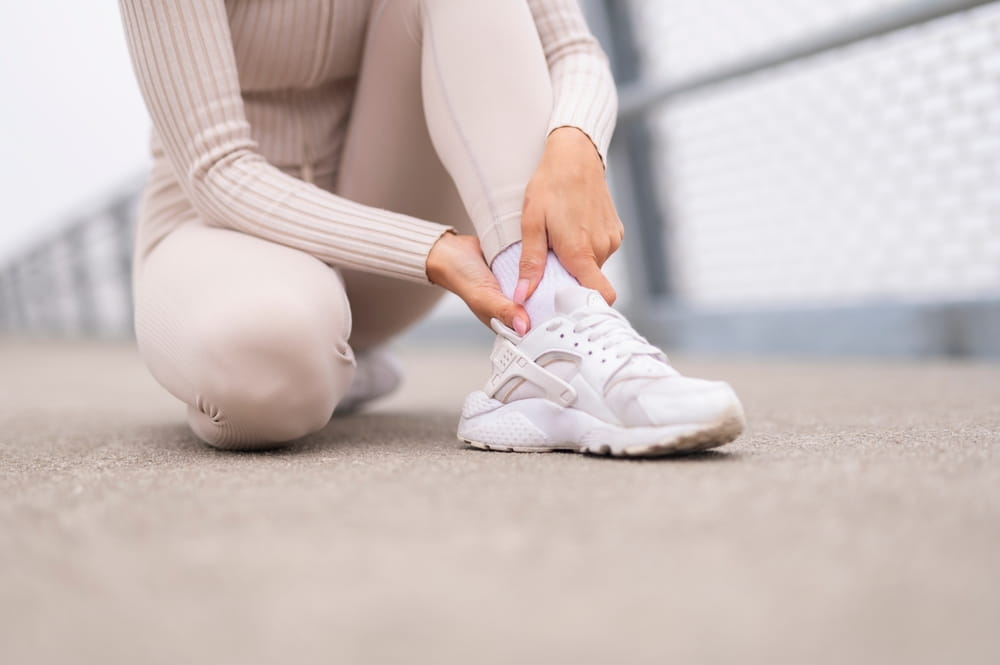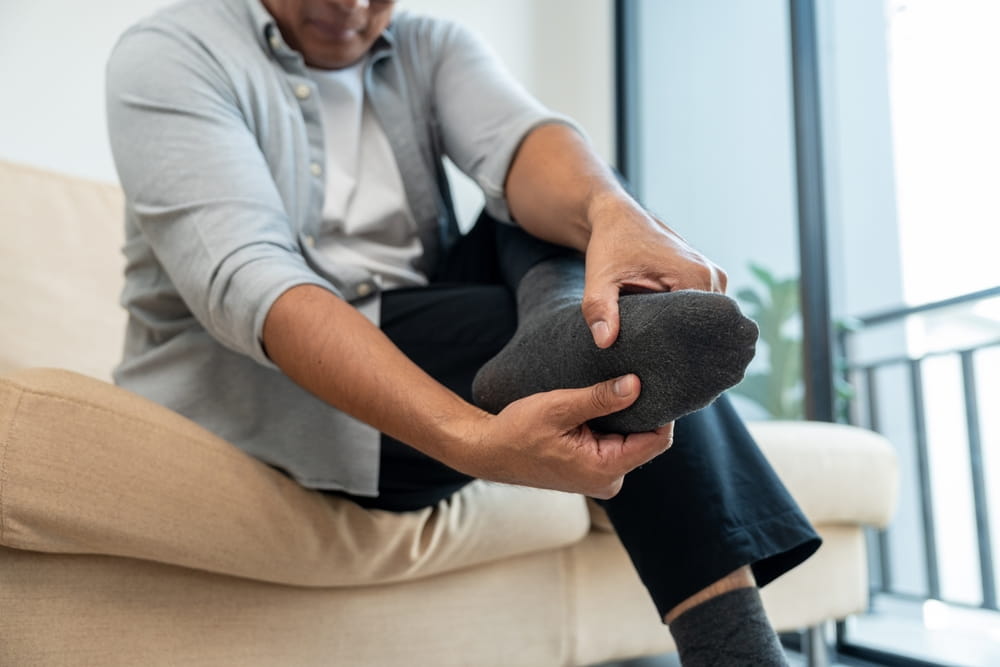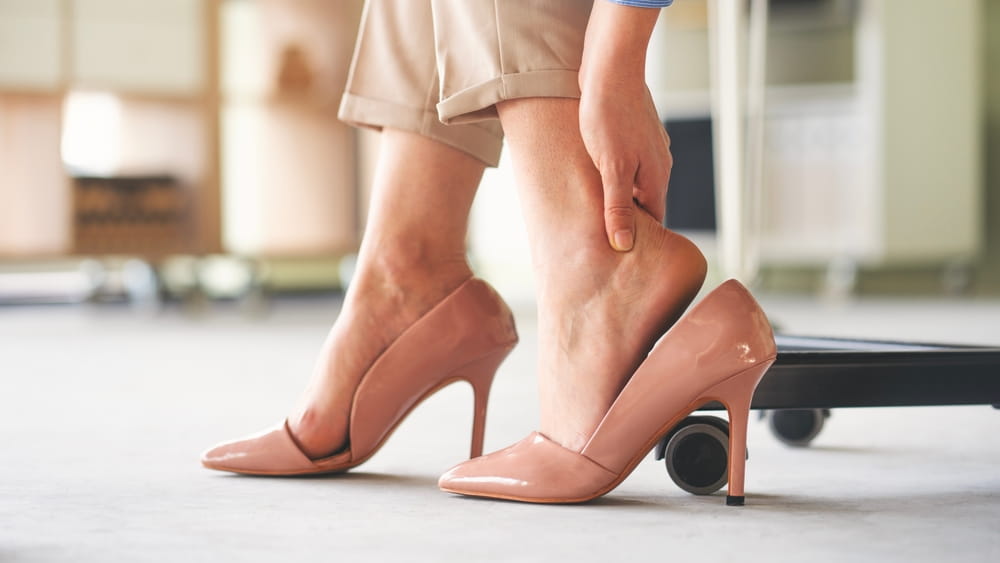
At the end of a long day, foot pain can feel almost unavoidable. For people who spend hours standing at work, walking throughout the day, or constantly moving between tasks, soreness and fatigue in the feet often become part of the routine. What starts as mild discomfort may gradually build into aching, stiffness, or tenderness that lingers long after the day is over.
The feet absorb an enormous amount of pressure every day. They support the body’s full weight while adapting to different surfaces, movements, and positions. When that stress continues for extended periods without enough recovery or support, the structures within the feet can become overloaded.
Throughout North Texas, many people experience this kind of discomfort as part of demanding work schedules and active lifestyles. Lone Star Orthopaedic and Spine Specialists, PLLC often helps explain how daily standing and repetitive stress affect the feet over time and why supportive habits can make a meaningful difference.
How the Feet Handle Constant Pressure
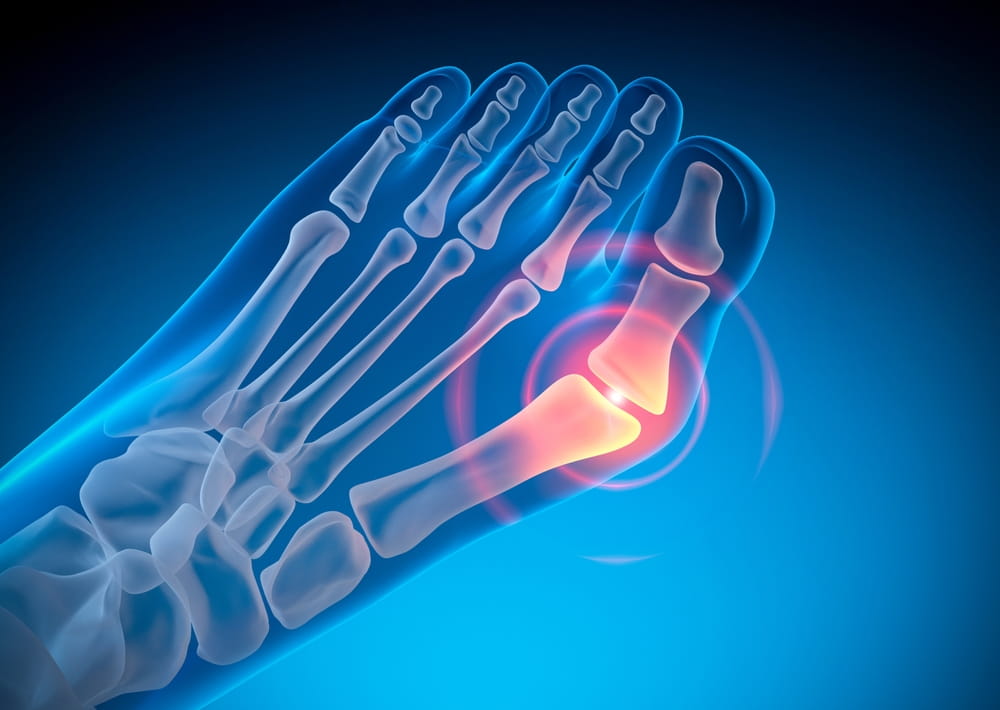
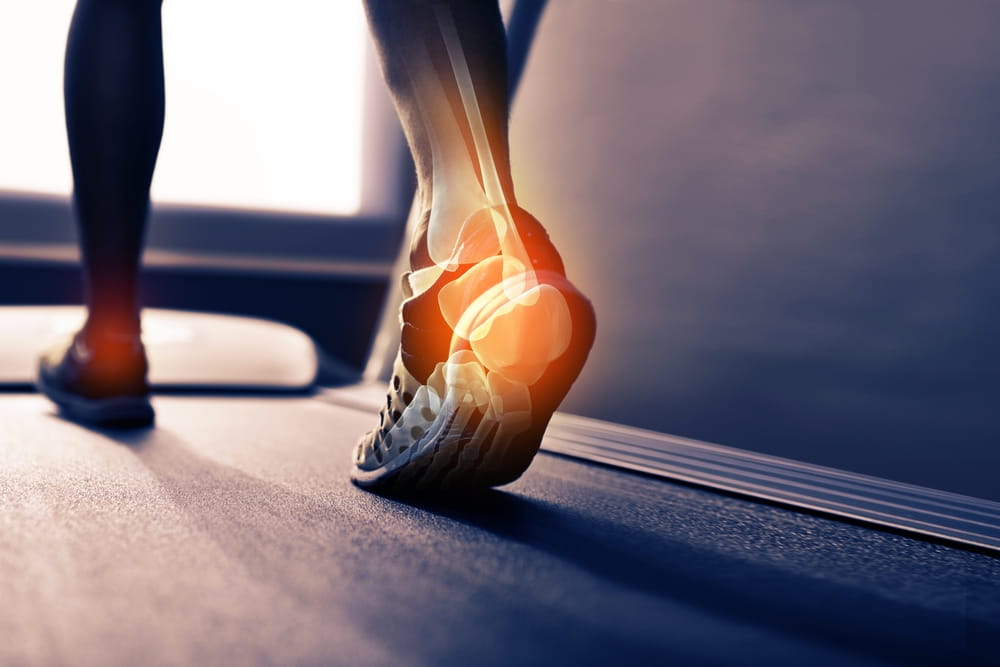
The human foot is made up of bones, joints, ligaments, tendons, and muscles that work together to support movement and balance. Every step requires these structures to absorb impact while maintaining stability.
When standing for long periods, the feet remain under continuous pressure. Unlike walking, where weight shifts dynamically, prolonged standing keeps certain areas under consistent load for extended periods of time.
This repeated pressure can fatigue the muscles and connective tissues that support the arches and joints of the feet. Over time, this strain may contribute to soreness, tightness, or aching sensations.
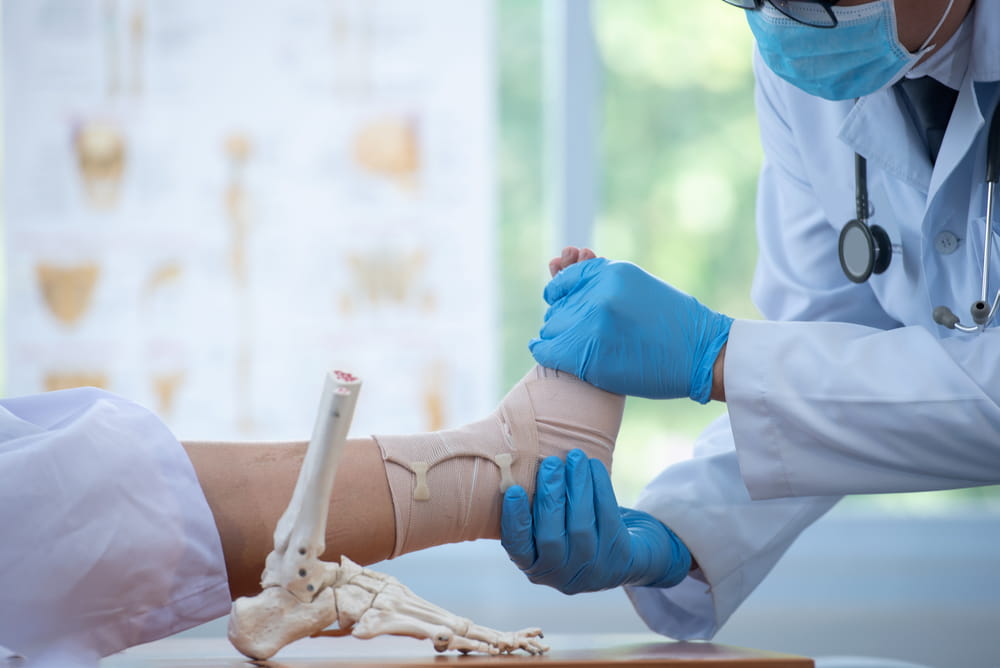
Learning more about ankle and foot care can help illustrate how the feet respond to prolonged standing and repetitive stress.
Why Standing All Day Causes Fatigue
Muscles throughout the feet and lower legs work continuously during standing to help maintain posture and balance. Even when the body appears still, these muscles are making constant adjustments to keep the body upright.
As the day progresses, these muscles may become fatigued. Once fatigue sets in, the feet may absorb force less efficiently, leading to increased strain on joints and soft tissues.
This is one reason discomfort often becomes more noticeable later in the day rather than early in the morning. The cumulative effects of standing gradually build over time.
The Role of Footwear
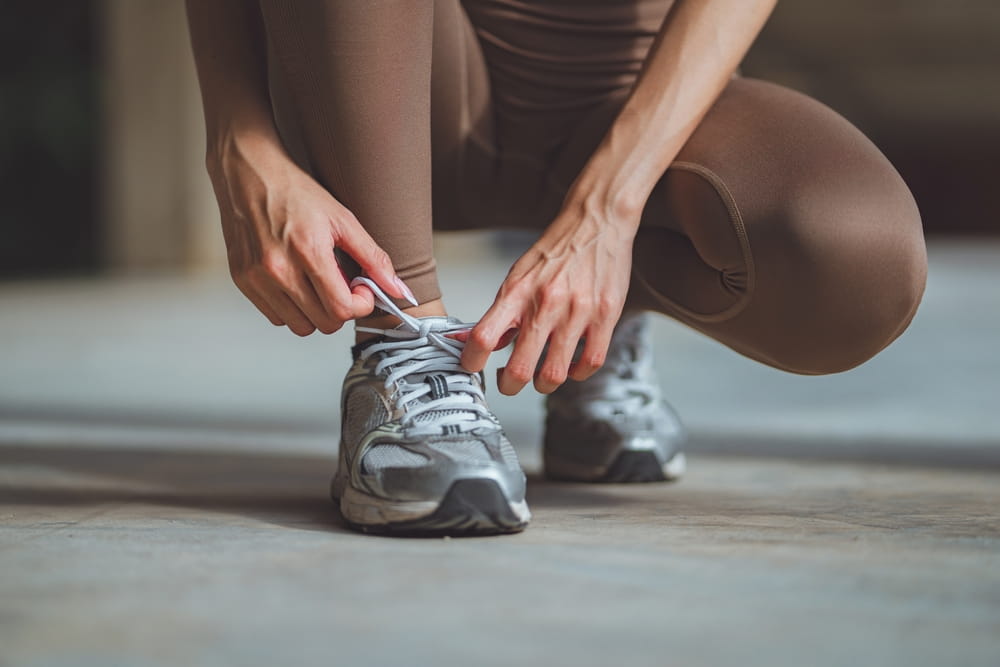
Footwear can significantly influence how the feet respond to long hours of standing. Shoes that lack cushioning or arch support may allow pressure to concentrate in specific areas of the foot.
Hard or unsupportive footwear may also reduce shock absorption, increasing stress on the heels, arches, and forefoot during prolonged standing.
Even supportive shoes lose effectiveness over time as cushioning wears down. Replacing worn footwear regularly can help maintain proper support and reduce unnecessary strain.
Choosing shoes designed for prolonged standing may help distribute weight more evenly and improve overall comfort throughout the day.
Arch Strain and Foot Support
The arches of the feet act as natural shock absorbers. They help distribute body weight and adapt to movement during standing and walking.
When standing for long periods, the tissues supporting the arch may become overworked. This can contribute to aching or tightness along the bottom of the foot.
Some people may also notice discomfort after transitioning from standing to walking or after resting at the end of the day. These patterns often reflect accumulated strain within the muscles and connective tissues supporting the arch.
Hard Surfaces Increase Stress on the Feet
The surfaces people stand on throughout the day can also affect foot comfort. Hard flooring, such as concrete or tile, absorbs very little impact, meaning the feet and lower body must handle more of the force directly.
Over time, this increased impact may contribute to soreness not only in the feet but also in the ankles, knees, and lower back.
Work environments that require prolonged standing on hard surfaces often place additional demands on the body’s support structures.
How Foot Pain Can Affect the Rest of the Body
The feet are the foundation of movement. When they become fatigued or uncomfortable, the body may begin adjusting posture and walking patterns to compensate.
These adjustments can influence alignment in nearby joints, including the knees and hips. For example, ongoing foot discomfort may alter how the knee absorbs force during walking or standing.
Because the body functions as a connected system, prolonged foot strain can sometimes contribute to discomfort beyond the feet themselves.
Common Signs of Foot Fatigue
Foot discomfort from prolonged standing often follows recognizable patterns.
Common signs include:
- Aching or soreness at the end of the day
- Tightness in the arches or heels
- Burning sensations in the soles of the feet
- Swelling after prolonged standing
- Fatigue that improves with rest
These symptoms may gradually become more noticeable if the feet are consistently under stress without adequate recovery or support.
The Importance of Recovery and Daily Habits
Recovery plays an important role in helping the feet manage repetitive stress. Small daily habits can help reduce strain and improve overall comfort.
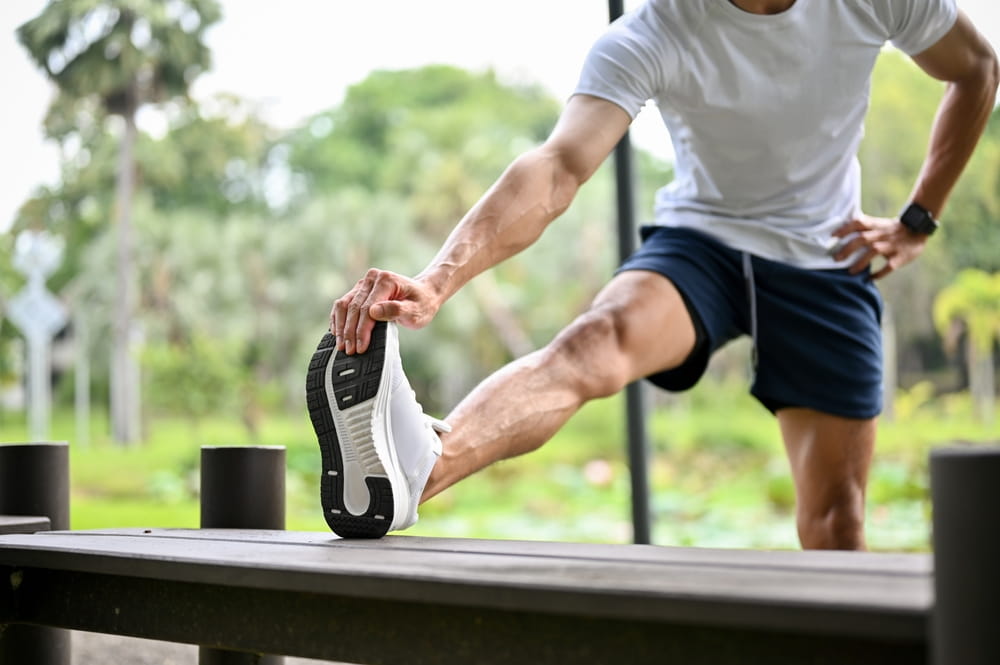
Stretching the calves and feet may help maintain flexibility, while elevating the feet after long periods of standing may help reduce fatigue and swelling.
Alternating between standing and movement throughout the day can also reduce continuous pressure on the same areas of the feet.
Some individuals also explore broader lifestyle guidance strategies that support overall movement habits, posture, and physical well-being during demanding daily routines.
Supporting Long-Term Foot Comfort
Foot pain that shows up after long days on your feet usually has less to do with one specific injury and more to do with how the body deals with repeated stress piling up over time. Extended pressure, tired muscles, unforgiving surfaces, and limited time to recover can all combine to gradually affect how the feet operate.
Paying closer attention to the shoes being worn, the way movement happens throughout the day, and the recovery habits that follow can help take some of the unnecessary load off the feet and make for more comfortable hours overall.
These symptoms tend to tie back closely to the demands of work and the everyday level of activity that comes with it. Throughout North Texas, including the Fort Worth, Mansfield, and Burleson areas, Lone Star Orthopaedic and Spine Specialists, PLLC can teach patients how these familiar, everyday experiences are connected to the mechanics of the feet, offering perspective on why prolonged standing wears on comfort and how supportive habits may contribute to better long-term mobility and function.
Sources
Menz, H. B. (2005). Foot problems in older people: Assessment and management. Churchill Livingstone.
Riddle, D. L., & Schappert, S. M. (2004). Volume of ambulatory care visits and patterns of care for patients diagnosed with plantar fasciitis. Journal of the American Podiatric Medical Association.
Anderson, J., & Williams, A. E. (2011). Footwear and foot health: A review. Journal of Foot and Ankle Research.