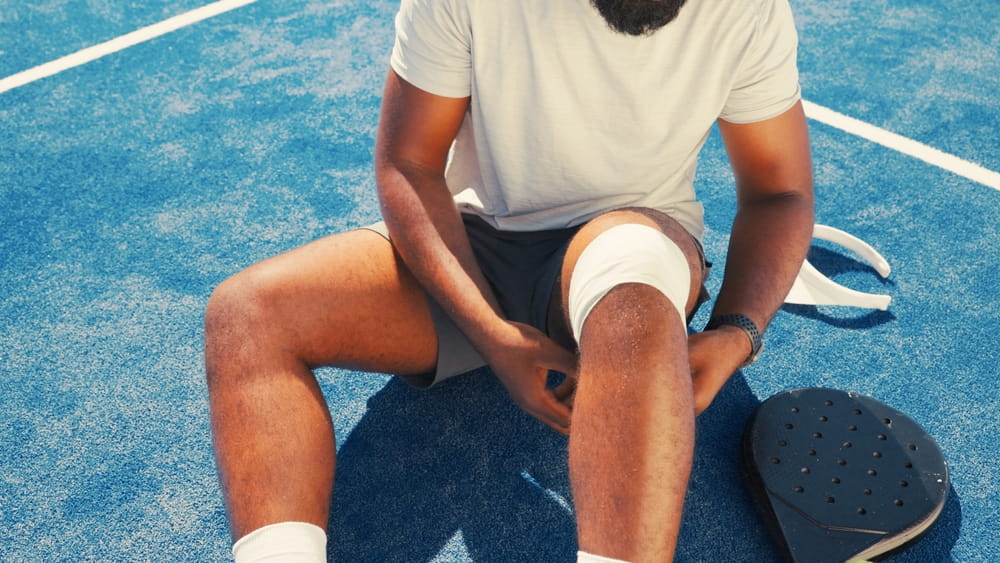
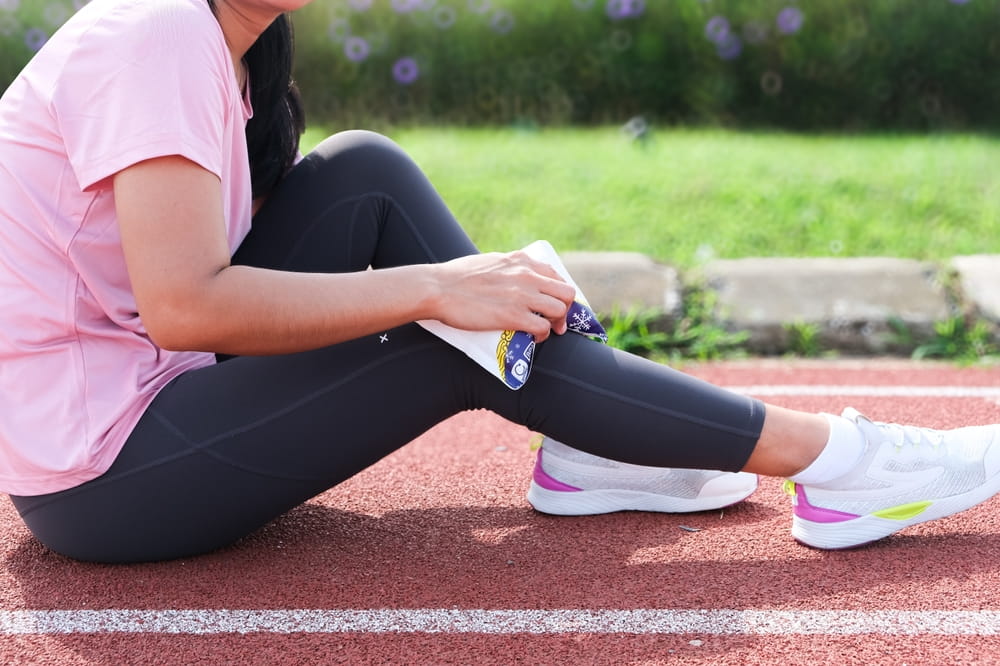
Finishing a workout with tired legs is expected. Discovering that one knee looks puffy, feels tight, or becomes harder to bend is different. Swelling after exercise usually means fluid has accumulated in or around the joint in response to irritation, inflammation, or injury.
Sometimes the cause is straightforward, such as doing more running, squatting, or jumping than usual. In other cases, swelling can be associated with cartilage irritation, a meniscus problem, arthritis, or a ligament injury. The timing of the swelling, how much is present, and whether pain or instability accompanies it can all help narrow the possibilities.
Lone Star Orthopaedic and Spine Specialists, PLLC evaluates exercise-related knee concerns for patients throughout Fort Worth, Mansfield, Burleson, and surrounding North Texas communities. When swelling repeatedly follows activity, understanding why the joint is reacting can help guide safer decisions about training and recovery.
Why Does a Knee Swell?
The knee contains a small amount of fluid that helps the joint move smoothly. When tissues inside or around the knee become irritated, the body may produce additional fluid as part of the inflammatory response.
That extra fluid can make the knee look enlarged or feel tight. Some people notice fullness above or around the kneecap, while others mainly feel stiffness when bending.
Swelling is not a diagnosis by itself. It is a sign that something has irritated the joint or surrounding tissues.
A focused knee evaluation can help determine whether the swelling is related to a recent injury, repetitive loading, arthritis, or another condition.
Sudden Increases in Exercise Can Irritate the Joint
A common reason for post-exercise swelling is a sharp change in workload.
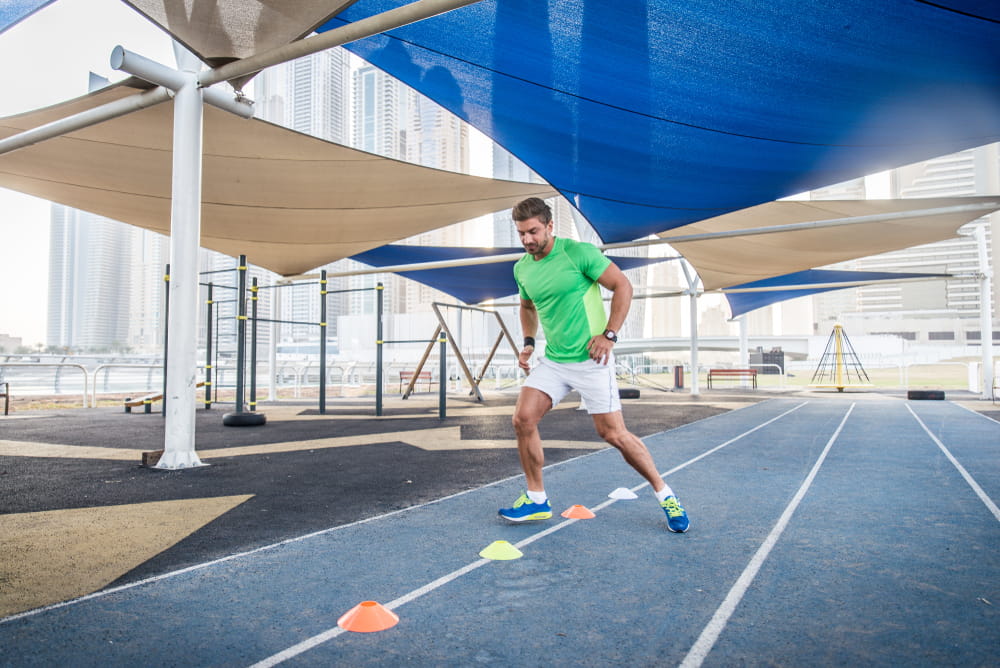
Someone who normally runs two miles may suddenly attempt five. Another person may add heavy squats, hill workouts, or repeated jumping after several weeks of lighter activity.
Even when there is no single injury, the knee may react to the increased demand.
The cartilage, tendons, muscles, and other structures need time to adapt to training. When activity increases faster than that adaptation occurs, soreness and swelling may appear afterward.
Reducing the workload temporarily and rebuilding gradually may help when the problem is primarily related to overuse.
Meniscus Problems Can Cause Swelling
The menisci are two pieces of cartilage that help distribute force within the knee.
A meniscus can become irritated or torn during twisting, pivoting, deep squatting, or other movements that load the joint. Some tears occur suddenly, while others develop gradually as the tissue changes over time.
Swelling may appear several hours after activity rather than immediately. The knee may also feel stiff, catch, click, or become painful along the joint line.
Not every meniscus tear requires surgery, but persistent swelling and mechanical symptoms deserve evaluation.
Cartilage Irritation and Joint Surface Problems
Cartilage covers the ends of bones and helps them glide smoothly during movement.
When cartilage becomes irritated or damaged, exercise can sometimes produce swelling within the joint. This may occur after trauma or alongside degenerative changes such as osteoarthritis.
People with cartilage-related problems may notice aching, stiffness, grinding, or swelling after longer periods of activity.
The amount of discomfort can vary considerably. Some people tolerate walking well but develop symptoms after running, jumping, or repeated stairs.
Arthritis Can Flare After Activity
Exercise is generally an important part of arthritis management, but an arthritic knee can still become irritated when the workload exceeds what the joint currently tolerates.
Someone may feel comfortable during a walk and notice swelling later that evening. A longer-than-usual day on the feet may produce a similar response.
This does not necessarily mean that activity is damaging the knee. It may indicate that the intensity or duration needs to be adjusted.
A gradual approach to exercise often allows people with arthritis to remain active without repeatedly provoking major flares.
Ligament Injuries Often Have a Different Pattern
Ligament injuries can cause knee swelling, particularly when they occur during sports.
An ACL injury, for example, may follow a sudden pivot, awkward landing, or rapid directional change. Athletes sometimes report hearing or feeling a pop, followed by swelling that develops relatively quickly.
Other ligament injuries may cause pain along one side of the knee and a feeling of instability.
If swelling begins after a specific injury and the knee feels unstable or difficult to bear weight on, continuing to exercise is not advisable until the joint is assessed.
Tendon Problems Usually Cause More Localized Swelling
Not all swelling comes from inside the joint.
The quadriceps tendon above the kneecap and patellar tendon below it can become irritated from repetitive jumping, running, or strength training.
In these situations, tenderness and swelling may be more localized than the generalized puffiness associated with excess fluid inside the knee.
Bursae, small fluid-filled sacs that reduce friction around the joint, can also become inflamed. Bursitis may create a visible pocket of swelling over a particular area of the knee.
The exact location can help distinguish these problems from deeper joint irritation.
The Timing of Swelling Offers Useful Clues
When swelling appears can help an orthopaedic clinician understand what may have happened.
Immediate or rapidly developing swelling after a traumatic injury can be associated with bleeding inside the joint, which may occur with certain ligament injuries, fractures, or other significant trauma.
Swelling that develops gradually over several hours may be more consistent with joint irritation, meniscus injury, or an inflammatory response.
Recurring swelling after similar workouts can suggest that the knee is repeatedly being exposed to more load than it can comfortably tolerate.
Timing alone cannot establish a diagnosis, but it adds useful context.
Symptoms That Should Not Be Ignored
Some swelling settles after reducing activity. Other patterns deserve closer attention.
Consider evaluation when knee swelling is accompanied by:
- Inability to bear weight normally
- A feeling that the knee gives way
- Locking or inability to fully straighten the knee
- Significant loss of motion
- Rapid swelling after a twisting injury
- Persistent swelling that repeatedly returns after exercise
- Redness, unusual warmth, or fever
- Severe pain that does not improve with rest
- Calf swelling or pain
- Numbness or weakness in the leg
Redness, warmth, fever, or rapidly worsening swelling can indicate conditions that need prompt medical assessment.
Should You Exercise Through a Swollen Knee?
Continuing a high-intensity workout on a noticeably swollen knee is generally not a good way to determine whether the problem is serious.
Swelling can limit normal joint motion and alter muscle function. The quadriceps may not activate as efficiently when significant fluid is present in the knee, which can affect control during movement.
Instead of testing the joint repeatedly, it may be more appropriate to reduce impact and monitor how symptoms respond.
Some people can continue gentle activity that does not worsen symptoms, but the appropriate level depends on the cause of the swelling.
Athletes seeking guidance on safe activity modification can benefit from sports medicine care that considers both the injury and the demands of their sport.
What an Orthopaedic Examination May Include
The clinician will usually ask what type of exercise preceded the swelling, whether there was a specific injury, and how quickly symptoms developed.
The knee may be examined for fluid, tenderness, range of motion, ligament stability, and meniscus-related signs. The clinician may also observe walking, squatting, or other movements when appropriate.
X-rays can help identify fractures, arthritis, or other bone and joint changes. MRI may be recommended when a ligament, meniscus, cartilage injury, or another soft-tissue problem is suspected.
Not every swollen knee needs advanced imaging. The history and examination help determine whether a scan is likely to provide useful information.
Recovery Should Address More Than the Swelling
Reducing swelling can make the knee feel better, but long-term recovery depends on why the joint became irritated.
An athlete who developed symptoms after rapidly increasing mileage may need a more gradual training progression. Someone recovering from a ligament injury may need strength, balance, and sport-specific rehabilitation.
For some patients, physical therapy can help restore strength, range of motion, movement control, and confidence as activity increases.
Treatment may also include activity modification, medication, bracing, or other approaches depending on the diagnosis.
The important point is that swelling should not be managed in isolation if it keeps returning.
Returning to Exercise Gradually
Once symptoms begin improving, returning directly to the previous training load can recreate the same problem.
A more controlled approach might begin with lower-impact activity or shorter sessions before gradually increasing duration and intensity.
The knee’s response after exercise is useful information. If swelling consistently increases later in the day or the next morning, the workload may still be too high.
Athletes should also pay attention to strength, range of motion, and confidence during movement rather than judging recovery only by pain.
Pay Attention to What Happens After the Workout
A knee does not have to hurt dramatically during exercise to be sending a warning. Swelling that appears later can reveal that the joint has been irritated even when the workout itself felt manageable.
That delayed response is worth tracking. The type of activity, intensity, duration, and timing of swelling can help identify patterns and make it easier to determine whether the issue is primarily training-related or connected to an underlying knee condition.
Lone Star Orthopaedic and Spine Specialists, PLLC works with active adults and athletes across Fort Worth, Mansfield, Burleson, and the surrounding North Texas region who want to stay active without repeatedly provoking knee symptoms. Rather than treating swelling as something to simply push through, evaluation can help clarify what the knee is reacting to and what needs to change before the next workout.
Sources
Benjaminse, A., Gokeler, A., & van der Schans, C. P. (2006). Clinical diagnosis of an anterior cruciate ligament rupture: A meta-analysis. Journal of Orthopaedic & Sports Physical Therapy.
Englund, M., Roemer, F. W., Hayashi, D., Crema, M. D., & Guermazi, A. (2012). Meniscus pathology, osteoarthritis and the treatment controversy. Nature Reviews Rheumatology.
Rice, D. A., McNair, P. J., Lewis, G. N., & Dalbeth, N. (2014). Quadriceps arthrogenic muscle inhibition: The effects of experimental knee joint effusion on motor cortex excitability. Arthritis Research & Therapy.