Pain around the hip does not always begin in the hip. The lower back, nearby nerves, muscles, and joints can all produce discomfort that spreads into the buttock, groin, thigh, or even farther down the leg. At the same time, a problem inside the hip joint can sometimes be mistaken for a back condition.
That overlap is why simply pointing to where it hurts may not reveal the source. The location of the pain matters, but so do the movements that trigger it, the presence of stiffness or numbness, and whether symptoms change with sitting, walking, bending, or rotating the hip.
For people in Fort Worth, Mansfield, Burleson, and surrounding North Texas communities, Lone Star Orthopaedic and Spine Specialists, PLLC evaluates both hip and spine conditions. Looking at these areas together can help determine which structure is most likely responsible for the symptoms.
Why Hip and Back Pain Can Feel Similar
The hip and lumbar spine sit close together and work as part of the same movement system. Walking, bending, standing, climbing stairs, and getting out of a chair require coordinated motion between the pelvis, hips, and lower back.
Pain can also be referred from one area to another. A problem originating in the lumbar spine may be felt primarily in the buttock or upper leg. Conversely, hip joint disease may produce pain that extends beyond the immediate joint.
Some people have conditions affecting both areas at the same time. This relationship is sometimes described as hip-spine syndrome, which can make identifying the primary pain source more complicated.
Groin Pain Can Point Toward the Hip
Pain centered in the groin is one clue that the hip joint itself may be involved.
Conditions such as hip osteoarthritis, femoroacetabular impingement, or labral problems may cause discomfort in the front of the hip or groin. The pain may become more noticeable when the hip bends deeply or rotates.
Activities such as getting into a low car, putting on shoes, crossing the legs, or rising from a low chair may become uncomfortable.
People sometimes describe hip joint pain by placing a hand around the front and side of the hip rather than pointing to one precise spot.
Through hip care, symptoms can be evaluated alongside hip motion, strength, gait, and other physical findings.
Buttock Pain Can Come From Several Places
Pain in the buttock is less specific.
The lumbar spine may refer pain into this area, but muscles, tendons, the sacroiliac joint, and structures surrounding the hip can also contribute.
Back-related discomfort may become more noticeable after prolonged sitting, bending, lifting, or certain spinal movements. Hip-related pain may instead be triggered by weight-bearing or rotation.
Because both conditions can cause buttock discomfort, the rest of the symptom pattern becomes especially important.
Pain That Travels Down the Leg
Pain extending below the hip and into the thigh, calf, or foot raises greater concern for nerve involvement.
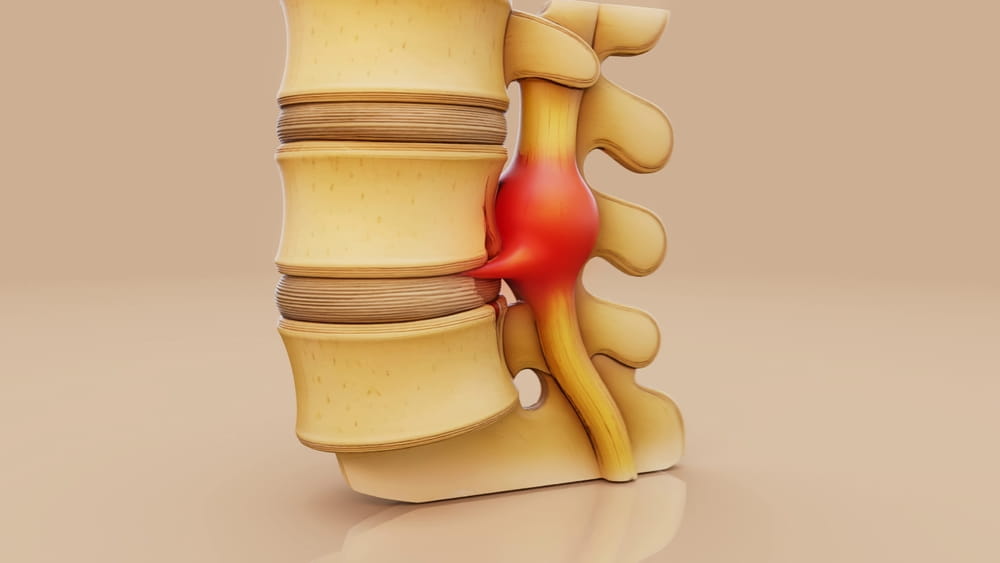
Lumbar radiculopathy can occur when a nerve root in the lower spine becomes irritated or compressed. A person may experience shooting, burning, or electric pain that follows a path down the leg.
Numbness, tingling, or weakness may accompany the pain.
These neurological symptoms are less characteristic of an isolated hip joint problem, although patients can have more than one condition at the same time.
Evaluation through back and spine care can help determine whether the lumbar spine is contributing to symptoms in the hip or leg.
Hip Stiffness May Be an Important Clue
Loss of hip motion can suggest that the joint itself deserves closer attention.
Someone with hip osteoarthritis may have difficulty rotating the leg inward, spreading the legs apart, or bending the hip comfortably. Putting on socks or shoes may become increasingly challenging.
The person may also shorten their stride or develop a limp because the hip no longer moves freely.
Spinal conditions can also affect mobility, but restricted hip rotation during an examination may help identify the joint as a significant contributor.
What Happens When You Bend Your Back?
The way symptoms respond to spinal movement can provide additional information.
Some lumbar conditions become worse when bending forward. Others cause more discomfort with backward bending or prolonged standing.
If repeatedly moving the lower back changes pain in the buttock, thigh, or leg, the spine may be playing an important role.
However, this pattern is not definitive on its own. Bending the trunk also changes the position of the hips, so clinicians interpret these movements alongside other findings.
Sitting Can Affect Both Areas Differently
Prolonged sitting can aggravate both hip and back problems, although sometimes for different reasons.
Someone with a lumbar disc or nerve problem may notice increased back or leg symptoms after sitting for a long time. Certain hip conditions can also become uncomfortable when the hip remains deeply flexed in a chair or car seat.
The position in which symptoms begin can be informative. A person may notice groin pain when rising from a low seat, while another experiences burning pain down the leg after an extended drive.
Those details can help guide the examination.
Walking Patterns Can Reveal Useful Clues
Pain often changes the way a person walks.
A painful hip may cause a shorter step or limp. Some people shift the trunk over the painful side to reduce the demand on the joint.
Certain lumbar conditions can also affect walking. Spinal stenosis, for example, may produce leg discomfort or heaviness that becomes more noticeable after standing or walking for a period of time.
Observing gait allows a clinician to see how the hips, pelvis, spine, knees, and feet interact during movement.
Symptoms Worth Mentioning During an Evaluation
Small details can help distinguish between overlapping hip and back conditions. Useful observations include:
- Whether pain is strongest in the groin, buttock, thigh, or lower back
- Whether symptoms travel below the knee
- Numbness, tingling, burning, or weakness
- Pain when rotating or bending the hip
- Symptoms caused by bending or extending the lower back
- Difficulty putting on shoes or getting into a car
- Pain after prolonged sitting or standing
- A limp or change in walking distance
- Previous hip, spine, or lower-extremity injuries
No single symptom confirms the diagnosis. The pattern becomes more useful when several clues point in the same direction.
Hip Arthritis and Back Pain Can Occur Together
Hip osteoarthritis becomes more common with age, and degenerative changes in the lumbar spine also become more common over time.
As a result, imaging may reveal abnormalities in both areas.
The challenge is determining which finding actually matches the patient’s current symptoms. An X-ray showing hip arthritis does not automatically prove that every episode of back or leg pain originates in the hip. Similarly, degenerative changes on a lumbar scan may not explain groin pain and restricted hip rotation.
Clinical examination helps connect imaging findings with the way the person actually moves and feels.
How an Orthopaedic Examination Separates the Two
A hip and spine evaluation may begin with observing posture and gait.
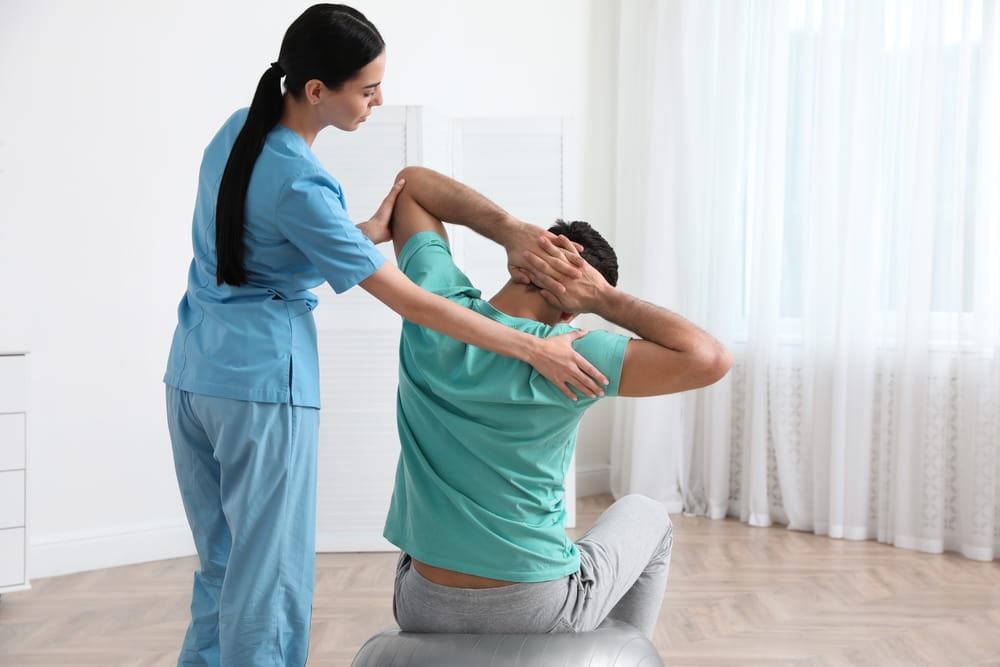
The clinician can assess hip range of motion, muscle strength, areas of tenderness, and movements that reproduce pain. The lumbar spine may be checked for mobility as well as signs of nerve irritation.
Reflexes, sensation, and muscle strength may also be tested when symptoms extend into the leg.
Certain examination maneuvers place more stress on the hip joint, while others assess lumbar nerves. Findings from several tests are considered together rather than relying on one maneuver.
When Imaging Becomes Helpful
Imaging may be recommended when the history and examination need additional clarification.
Hip X-rays can show osteoarthritis, joint-space changes, fractures, and some structural abnormalities. MRI may be useful when certain soft-tissue or cartilage problems are suspected.
Lumbar X-rays can show alignment and degenerative changes, while MRI provides greater detail about discs, nerves, and narrowing around the spinal canal or nerve roots.
Imaging is most informative when it addresses a specific clinical question. Many adults have age-related findings on scans that do not cause symptoms.
Diagnostic Injections Can Sometimes Add Information
When both the hip and spine appear capable of producing symptoms, a clinician may occasionally use a diagnostic injection to help identify the main pain generator.
For example, numbing medication placed inside the hip joint may temporarily reduce pain if the joint is a significant source.
This type of testing is not necessary for everyone. It may be considered when the history, examination, and imaging still leave uncertainty about which area should be treated first.
Treatment Should Follow the Source of the Pain
Hip and back problems often respond to some of the same general strategies, including appropriate exercise, activity modification, and progressive strengthening. However, the details of treatment depend on the diagnosis.
Hip arthritis may require a different rehabilitation emphasis from lumbar nerve compression. Likewise, a labral problem requires a different plan from a muscular back strain.
Treating only the location where pain is felt can be frustrating when the true source lies elsewhere.
When Symptoms Need Prompt Attention
Persistent pain that changes walking, limits daily activity, or does not improve deserves evaluation.
More urgent assessment is appropriate when pain follows significant trauma or is accompanied by inability to bear weight, substantial weakness, or rapidly worsening neurological symptoms.
Loss of bowel or bladder control, numbness around the groin or inner thighs, or sudden progressive leg weakness can indicate serious nerve compression and requires immediate medical attention.
The Most Useful Clue May Be the Whole Pattern
Hip-versus-back pain is rarely solved by one symptom. Groin discomfort and restricted hip rotation may shift attention toward the joint, while radiating pain, numbness, or symptoms influenced by lumbar movement may suggest a spinal source. In many cases, several clues need to be considered together.
That broader view matters because the hip and spine do not function independently. A stiff hip may change how the lower back moves, and back pain may alter gait enough to place different demands on the hip. Sometimes both areas need to be addressed rather than choosing one and ignoring the other.
At Lone Star Orthopaedic and Spine Specialists, PLLC, evaluating that relationship is part of helping patients from Mansfield, Fort Worth, Burleson, and neighboring Texas communities understand why movement has become painful. The goal is to identify the structure or combination of structures driving the problem so care can focus on restoring the activities that have become difficult, whether that means walking farther, getting comfortably into a car, returning to exercise, or simply moving through the day with less uncertainty.
Sources
Buckland, A. J., Miyamoto, R., Patel, R. D., Slover, J., & Razi, A. E. (2017). Differentiating hip pathology from lumbar spine pathology: Key points of evaluation and management. Journal of the American Academy of Orthopaedic Surgeons.
Ashberg, L., Close, M. R., Perets, I., Walsh, J. P., Chaharbakhshi, E. O., & Domb, B. G. (2021). The hip-spine connection: How to differentiate hip conditions from spine pathology. Orthopedics.
Chamberlain, R. (2021). Hip pain in adults: Evaluation and differential diagnosis. American Family Physician.