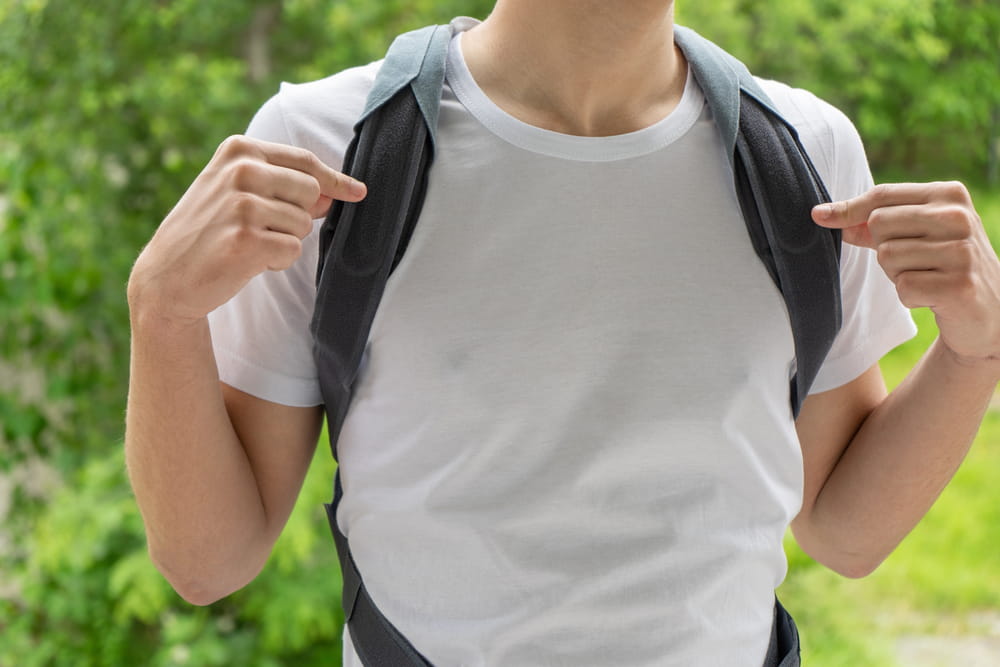
Backpacks are a daily part of life for many students. From textbooks and laptops to athletic gear and school supplies, it is not unusual for teens to carry a significant amount of weight throughout the day. While backpacks offer convenience and organization, the way they are used can influence posture, movement, and overall spinal health.
Most students spend years carrying backpacks during some of the most important stages of physical development. Because the body is still growing during adolescence, repeated habits related to carrying weight may affect how muscles and joints respond over time. Although a backpack alone is unlikely to cause serious spinal problems, poor carrying habits can contribute to discomfort and postural strain.
Parents notice the signs before the science: a child leaning forward under the load, strap marks, complaints of sore shoulders after school. Families from Mansfield, Fort Worth, and Burleson, TX, bring these exact observations to Lone Star Orthopaedic and Spine Specialists, PLLC, and the good news is that the fixes are usually simple.
Why Posture Matters During the Teen Years
The teenage years involve significant physical growth and development. Bones, muscles, and connective tissues are continually adapting as the body matures.
During this time, posture habits often become established through daily routines at school, home, and recreational activities. Sitting, standing, carrying bags, and using technology all influence how the body positions itself throughout the day.
When posture is supported by balanced movement and muscle function, the spine is generally able to distribute forces more efficiently. However, repetitive strain or poor positioning may increase stress on certain areas of the neck, shoulders, and back.
Learning more about back and spine care can help explain how everyday activities influence spinal function during adolescence.
How Backpacks Change Body Mechanics
Whenever weight is added to the body, posture naturally adjusts to compensate. If a backpack is particularly heavy, students may lean forward to maintain balance while walking.
This forward shift can place additional demands on the muscles supporting the neck, shoulders, and upper back. Over time, carrying excessive weight may contribute to muscle fatigue and postural strain.
The body is remarkably adaptable, but repeated exposure to inefficient movement patterns can sometimes make discomfort more noticeable during daily activities.
Weight Distribution Makes a Difference
Not all backpack use affects the body in the same way. How weight is distributed plays a major role in how the spine responds.
A backpack worn with both shoulder straps generally distributes weight more evenly than one carried over a single shoulder. Balanced weight distribution helps reduce uneven stress on muscles and joints.
When a backpack is carried on one side of the body, students may shift posture to compensate. This altered positioning can affect alignment throughout the neck, shoulders, and spine.
Even relatively light backpacks may create unnecessary strain if they are carried unevenly on a consistent basis.
The Impact on the Neck and Shoulders
Many students notice discomfort in the neck and shoulders before they experience any issues in the lower back.
The shoulder straps transfer much of the backpack’s weight through the upper body. If the load is excessive or poorly positioned, muscles in the neck and shoulders may work harder to stabilize movement.
Over time, this additional effort can contribute to feelings of tightness or fatigue, especially during long school days.
Combined with extended periods of sitting and screen use, backpack-related strain may become more noticeable throughout the school year.
Backpack Position Matters Too
The location of the backpack on the body influences how weight is carried.
Backpacks that hang too low may pull the upper body backward, encouraging students to lean forward to compensate. This change in posture can increase demands on the muscles supporting the spine.
Positioning the backpack closer to the middle of the back generally helps keep weight nearer to the body’s center of gravity, reducing unnecessary strain during walking and standing.
Small fit adjustments often make a meaningful difference in overall comfort.
Other Daily Habits Affect Spine Health
Backpack use is only one part of a student’s daily routine. Many teens also spend hours sitting in classrooms, studying, using computers, or looking at phones.
These activities influence posture just as much as carrying school supplies. Because posture develops through repeated daily habits, it is important to consider how all of these factors work together.
A student who carries a heavy backpack and spends long periods sitting with poor posture may experience more strain than someone with balanced movement habits throughout the day.
Signs That a Backpack May Be Contributing to Discomfort
Students sometimes adapt to discomfort without realizing that daily habits may be playing a role.
Common signs that backpack use may be contributing to strain include:
- Neck or shoulder soreness after school
- Red marks from backpack straps
- Leaning forward while walking with a backpack
- Difficulty standing upright when carrying school supplies
- Back fatigue that improves after removing the backpack
These signs do not necessarily indicate an injury, but they may suggest that adjustments to backpack habits could be beneficial.
Building Better Backpack Habits
Simple changes often help reduce unnecessary stress on the spine.
Using both shoulder straps, organizing heavier items closer to the back, and avoiding carrying unnecessary materials can improve weight distribution. Adjusting straps so the backpack sits properly on the back may also support better posture.
Resources related to lifestyle guidance often emphasize the value of everyday habits that promote healthy movement, posture, and long-term musculoskeletal health.
Some students may also benefit from physical therapy programs that focus on posture, strength, flexibility, and movement mechanics that support overall spinal function.
Supporting Healthy Growth Through Everyday Choices
Backpack use is a normal part of student life, but the habits associated with carrying that weight can influence comfort and posture over time. While occasional heavy loads are unlikely to create lasting problems on their own, consistent attention to posture and movement can help reduce unnecessary strain during important developmental years.
The goal is not to eliminate backpack use but to encourage healthier ways of carrying and managing daily loads. Small adjustments often support better movement patterns that benefit students both in and out of the classroom.
Teaching teens to notice how their bodies respond to load is a skill that pays dividends for decades. Supporting that kind of early awareness is part of the mission at Lone Star Orthopaedic and Spine Specialists, PLLC, where families across Mansfield, Fort Worth, and Burleson, TX, learn that healthy spines are built through ordinary daily choices, starting young.
Sources
Mackie, H. W., Stevenson, J. M., Reid, S. A., & Legg, S. J. (2005). The effect of simulated school load carriage configurations on shoulder strap tension forces and shoulder interface pressure. Applied Ergonomics.
Dockrell, S., Simms, C., & Blake, C. (2015). Schoolbag carriage and schoolbag-related musculoskeletal discomfort among primary school children. Applied Ergonomics.
Brackley, H. M., & Stevenson, J. M. (2004). Are children’s backpack weight limits enough? A critical review of the relevant literature. Spine.