Small daily habits impact spine health. The way a person sits at a desk, stands in line, or looks down at a phone can gradually influence how the spine feels over time. Back pain does not always begin with a dramatic injury; in many cases, it develops slowly due to repeated strain from poor posture. At Lone Star Orthopaedic and Spine Specialists, PLLC, with locations in Mansfield, Fort Worth, and Burleson, TX, posture-related back discomfort is a common topic among individuals seeking to better understand chronic spine pain.
Posture affects how weight is distributed across the spine. When alignment is balanced, muscles and ligaments share the load efficiently. When posture consistently shifts forward, slouches, or twists, certain areas of the spine absorb more stress than they were designed to handle. Over weeks, months, or years, this uneven pressure can contribute to persistent back pain.
How the Spine Is Designed to Support the Body
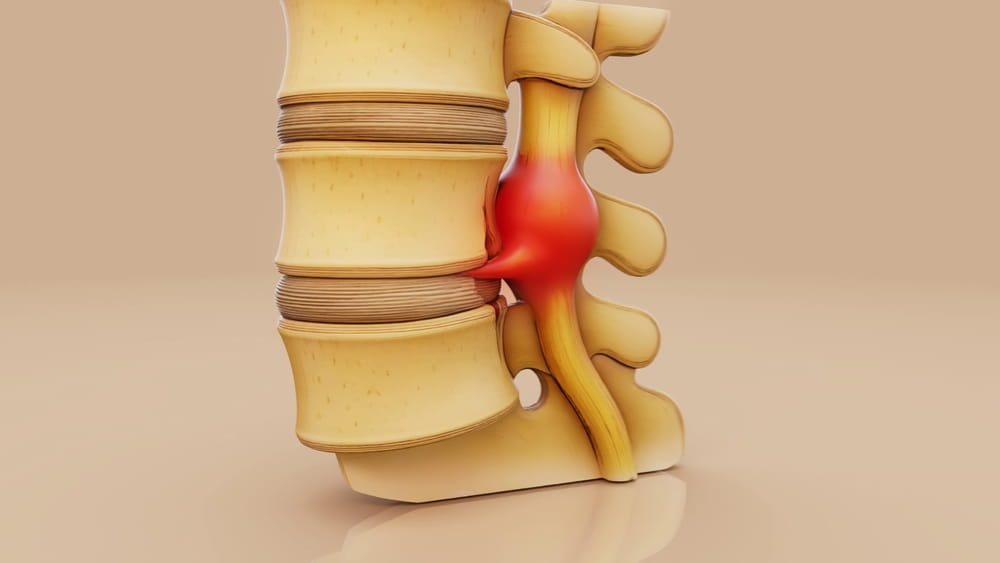
The spine is composed of vertebrae stacked one on top of another, separated by cushioning discs that act as shock absorbers. Natural curves in the neck, mid-back, and lower back help distribute mechanical forces evenly. Muscles surrounding the spine provide support and allow for controlled movement.
When posture is neutral, the ears align over the shoulders, and the shoulders align over the hips. This alignment minimizes strain on spinal joints and discs. However, modern routines often involve prolonged sitting, screen use, and repetitive forward bending. Over time, these habits can flatten natural curves or exaggerate them, increasing stress on specific spinal segments.
The Impact of Prolonged Sitting
Extended sitting is one of the most significant contributors to posture-related back pain. Office professionals, drivers, students, and remote workers may spend hours seated each day. When sitting posture involves rounded shoulders and a forward head position, the lower back often loses its natural curve.
This slouched posture increases pressure on the lumbar discs and can fatigue the supporting muscles. As muscles tire, individuals may slump further, creating a cycle of strain. Over time, this repetitive loading may contribute to chronic low back pain, tight hip flexors, and weakened core muscles.
Standing desks and ergonomic chairs can help, but posture awareness remains essential. Even with supportive furniture, leaning forward or craning the neck toward a screen may strain the upper and lower spine.
Forward Head Posture and Upper Back Strain
Looking down at smartphones or tablets for extended periods has introduced a modern posture concern often referred to as “text neck.” When the head tilts forward, the cervical spine must support additional weight. For every inch the head moves forward, the strain on neck and upper back muscles increases significantly.
This altered alignment may lead to tension headaches, shoulder tightness, and upper back discomfort. Over time, muscle imbalances can develop. Some muscles become overstretched and weak, while others tighten and shorten. Individuals experiencing persistent neck stiffness alongside back discomfort sometimes explore information about back & spine conditions to better understand how the cervical spine influences overall posture.
Muscle Imbalances and Chronic Pain
Poor posture does not simply affect bones and discs; it changes how muscles function. When certain muscles are overused to compensate for poor alignment, they may become tight and tender. Meanwhile, stabilizing muscles that should support the spine can weaken.
For example, prolonged slouching may weaken deep core muscles that help maintain lumbar stability. Without adequate support, the lower back absorbs more stress during daily movements. Over time, this imbalance can contribute to recurring pain episodes.
Chronic muscle tension can also reduce flexibility, limiting range of motion. Individuals may notice stiffness when trying to stand upright after prolonged sitting or discomfort when bending or twisting. Addressing these patterns early may help reduce cumulative strain.
Disc Stress and Degenerative Changes
Spinal discs rely on balanced pressure to remain healthy. Poor posture can unevenly compress portions of a disc, particularly in the lower back. Although posture alone does not directly cause disc herniation, sustained poor alignment may increase vulnerability in certain individuals.
Over many years, repeated mechanical stress may contribute to degenerative disc changes. These changes are common with aging but may be influenced by occupational habits and lifestyle factors. Learning about spine mechanics through reputable educational materials can provide insight into how posture and disc health are connected.
Recognizing Warning Signs
Not every episode of back discomfort signals a serious condition. However, persistent posture-related pain often presents with recognizable patterns. Individuals may notice aching after long periods of sitting, stiffness upon waking, or discomfort that improves temporarily with stretching but returns during the workday.
Warning signs that warrant further evaluation include pain that radiates down the legs, numbness or tingling, weakness, or discomfort that interferes with sleep. In these cases, additional assessment may help determine whether structural factors beyond posture are involved.
Practical Steps to Improve Posture
Improving posture involves small, consistent adjustments rather than drastic changes. Simple strategies can support healthier spinal alignment throughout the day.
- Position screens at eye level to avoid forward head tilt.
- Keep feet flat on the floor when sitting and avoid crossing legs for extended periods.
- Take standing or walking breaks every 30 to 60 minutes.
- Strengthen core and upper back muscles to support spinal curves.
- Stretch tight chest and hip flexor muscles regularly.
These habits may reduce strain on the spine and improve overall comfort. Gradual awareness of body positioning during daily tasks—such as driving, lifting, or using a phone—can make a meaningful difference over time.
The Role of Movement in Spine Health
Movement is essential for maintaining spinal flexibility and circulation. Gentle exercises such as walking, swimming, and guided stretching can support disc nutrition and muscle balance. Prolonged inactivity, on the other hand, may worsen stiffness and discomfort.
Incorporating regular physical activity into daily routines may help counteract the effects of sedentary work environments. Even brief activity breaks can reactivate stabilizing muscles and promote better posture throughout the day. Individuals interested in comprehensive spine education often review materials focused on back and spine health to better understand how posture fits into the broader picture of musculoskeletal wellness.
Long-Term Spine Awareness
Posture is not about maintaining a rigid, perfectly upright stance at all times. Instead, it involves balanced alignment and regular movement. Alternating positions, strengthening supportive muscles, and avoiding prolonged static postures can help reduce cumulative stress on the spine.
Across Mansfield, Fort Worth, and Burleson, many adults—whether working professionals, retirees, or students—notice how subtle daily habits influence comfort levels. Lone Star Orthopaedic and Spine Specialists, PLLC, includes Gurpreet S. Bajaj, M.D.; Von L. Evans Jr., M.D.; John A. Thomas, M.D.; Christopher P. Werner, DPM; Alfredo L. Marti, M.D.; Dalton Ryba DPM, FACFAS; Barnard Barragan, M.D.; Shiv Patel, M.D.; Brian Gengler, M.D.; R. Scott Dominguez DPM, DABPM, AACFAS; Jarren Section, M.D.; Mary Caroline Stancukas, DPM, MS; Lance Johnson, M.D; Dr. Damian Sacky, DO; Susan Chiusano, MSN, FNP-C; Richard Smith, PA-C; Candace Mullens, PA-C; Randa Daily, AGACNP-BC; Madison Harmon, PA-C; Warren Dean, PA-C; and Adam J. Bruntz, PA-C, MPAS, FLS as part of its orthopaedic team. Building awareness around posture today can support a healthier, more resilient spine for years to come.
Sources
Hoy, D., Brooks, P., Blyth, F., & Buchbinder, R. (2010). The epidemiology of low back pain. Best Practice & Research Clinical Rheumatology.
Katz, J. N. (2006). Lumbar disc disorders and low-back pain: Socioeconomic factors and consequences. Journal of Bone and Joint Surgery.
Nejati, P., Lotfian, S., Moezy, A., & Nejati, M. (2015). The relationship of forward head posture and rounded shoulders with neck pain. Journal of Manipulative and Physiological Therapeutics.