Neck discomfort is a common complaint that affects people of all ages and activity levels. From stiff muscles after a long workday to lingering soreness that limits movement, neck pain can feel alarming and disruptive. However, not all neck pain has the same cause or level of concern. For individuals in Mansfield, Fort Worth, and Burleson, understanding the difference between routine neck pain and a potential spine injury can provide clarity and peace of mind. Lone Star Orthopaedic and Spine Specialists, PLLC emphasizes patient education so individuals can better recognize symptoms and understand when further evaluation may be appropriate. Explore how neck pain differs from spinal injuries, what warning signs to watch for, and why understanding the distinction matters.
How Neck Pain Commonly Develops
Most neck pain originates from muscles, ligaments, or joints in the cervical region. Poor posture, prolonged screen use, stress, and repetitive movements are frequent contributors. Muscle strain can occur when the neck is held in one position for too long or moves awkwardly during sleep or physical activity. In these cases, pain often feels sore, tight, or achy and may improve with rest, gentle movement, and time.
Degenerative changes can also play a role. As people age, the discs and joints in the neck naturally experience wear and tear. This process may lead to stiffness, reduced flexibility, or intermittent discomfort, especially in the morning or after inactivity. While these changes can be uncomfortable, they are often manageable and do not necessarily indicate a serious injury.
What Is Considered a Spine Injury?
A spine injury involves damage to the structures that protect and support the spinal cord, including vertebrae, discs, ligaments, and nerves. In the neck, this area is known as the cervical spine, which plays a critical role in supporting the head and allowing movement while protecting neurological pathways. Spine injuries may result from trauma such as falls, vehicle collisions, or sports-related impacts, but they can also develop gradually due to disc degeneration or spinal instability.
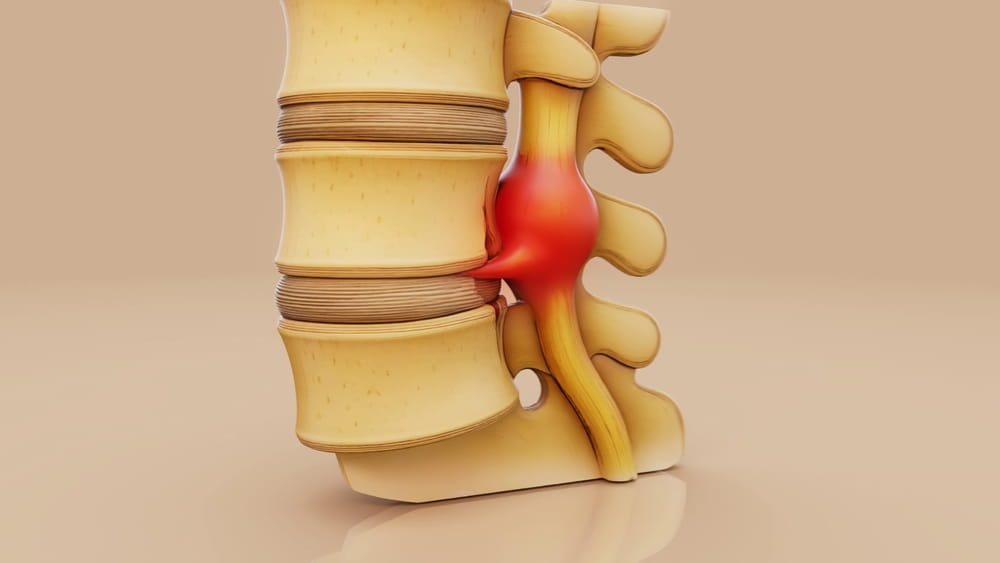
Unlike general neck pain, a spine injury may involve nerve compression or structural compromise. Herniated discs, fractures, or spinal stenosis can interfere with nerve signals, leading to symptoms beyond localized pain. Because the cervical spine is closely connected to the shoulders, arms, and upper back, injuries in this area may produce symptoms that extend beyond the neck itself.
Key Differences in Symptoms
One of the most important ways to distinguish neck pain from a spine injury is by examining symptom patterns. Muscle-related neck pain is often localized and may worsen with certain movements or positions. It typically does not cause neurological symptoms and may gradually improve over days or weeks.
Spine-related issues, on the other hand, may present with more complex or persistent symptoms. These can include radiating pain into the shoulders or arms, numbness, tingling, or weakness in the upper extremities. Some individuals experience headaches, balance difficulties, or changes in coordination. Pain that follows a traumatic event or progressively worsens rather than improves may also signal deeper involvement of spinal structures.
The Role of Posture and Daily Habits
Modern lifestyles place significant strain on the cervical spine. Extended computer use, frequent smartphone viewing, and sedentary work environments can all contribute to neck discomfort. Forward head posture increases stress on the muscles and joints of the neck, sometimes leading to chronic soreness or stiffness.
While posture-related neck pain is usually muscular, long-term strain can influence spinal alignment and disc health over time. Understanding how daily habits affect cervical mechanics can help individuals recognize whether symptoms are likely related to overuse or may require closer attention. Educational resources focused on neck care often emphasize posture awareness, movement variety, and ergonomic considerations as foundational concepts.
When Neck Pain May Indicate a Spine Injury
Certain warning signs suggest that neck pain may involve the spine rather than just soft tissues. Pain that follows a sudden injury, such as a fall or accident, deserves careful evaluation. Additionally, symptoms that interfere with daily activities, sleep, or the ability to hold the head upright may reflect deeper structural involvement.
Neurological symptoms are particularly important indicators. Tingling, numbness, or weakness in the arms or hands may suggest nerve compression within the cervical spine. Difficulty with fine motor tasks, changes in reflexes, or sensations of heaviness can also be associated with spinal involvement. These patterns differ from typical muscle soreness and highlight the importance of recognizing symptom progression.
How Specialists Differentiate the Two
Distinguishing neck pain from a spine injury involves a thorough understanding of anatomy, biomechanics, and symptom behavior. A comprehensive evaluation often begins with a detailed history, including how symptoms started, what makes them better or worse, and whether there was any trauma involved. Physical examination focuses on range of motion, strength, reflexes, and sensory changes.
In some cases, imaging may be used to better understand the condition of the cervical spine. Viewing the relationship between bones, discs, and nerves can clarify whether symptoms stem from muscular strain or structural changes. Because the neck is closely connected to the upper spine, insights from spine-focused education can help explain how different regions work together to support movement and protect the nervous system.
Why the Distinction Matters
Understanding whether pain is muscular or spinal in origin influences how individuals approach recovery and self-care. Muscle-related neck pain often responds well to gradual movement, posture correction, and time. In contrast, spine injuries may require more targeted management strategies to prevent worsening symptoms or secondary complications.
Misinterpreting spinal symptoms as simple neck pain can lead to delayed attention and prolonged discomfort. Conversely, assuming all neck pain is serious can cause unnecessary anxiety. Education helps strike a balance, allowing individuals to respond appropriately based on symptom patterns rather than fear or guesswork.
Supporting Neck and Spine Health
While not all neck or spine issues can be prevented, certain habits support long-term cervical health. Maintaining posture awareness, varying movement throughout the day, and avoiding prolonged static positions can reduce strain. Strengthening surrounding muscles and maintaining flexibility also play a role in supporting spinal structures.
General musculoskeletal health is interconnected. Neck discomfort may coexist with shoulder tension, upper back stiffness, or even hand and wrist symptoms due to shared nerve pathways and movement patterns. Exploring broader general orthopaedic education can provide insight into how different joints and regions influence one another.
Helpful daily considerations include:
- Adjusting workstations to support neutral head and neck alignment
- Taking regular breaks from screens and repetitive tasks
- Using supportive pillows that maintain natural neck curvature
- Gradually increasing physical activity rather than making sudden changes
- Paying attention to symptoms that spread or change over time
Recognizing When Symptoms Persist
Neck pain that lingers beyond a few weeks, worsens with time, or is accompanied by neurological changes deserves careful consideration. Persistent symptoms may indicate underlying changes in spinal structures that benefit from professional evaluation. Early recognition can help prevent compensatory movement patterns that strain other areas, such as the shoulders or upper limbs.
Educational information related to hand and wrist health can also be relevant, as nerve involvement in the cervical spine may influence sensation or strength in the hands. Understanding these connections helps individuals see the bigger picture of musculoskeletal function.
Staying Informed About Neck Pain and Spine Injuries
Not all neck pain is the same, and recognizing the difference between muscular discomfort and potential spine injury is an important step in protecting long-term mobility. By paying attention to how symptoms develop, where pain travels, and whether neurological signs are present, individuals can make more informed decisions about their health.
For residents of Mansfield, Fort Worth, and Burleson, Lone Star Orthopaedic and Spine Specialists, PLLC remains committed to providing educational guidance that helps individuals better understand neck and spine conditions. Knowing the warning signs and distinctions empowers people to respond thoughtfully, supporting comfort and function.
Sources
Binder, A. I. (2007). Cervical spondylosis and neck pain. BMJ.
Bogduk, N. (2011). The anatomy and pathophysiology of neck pain. Physical Medicine and Rehabilitation Clinics of North America.
Fejer, R., Kyvik, K. O., & Hartvigsen, J. (2006). The prevalence of neck pain in the world population. European Spine Journal.