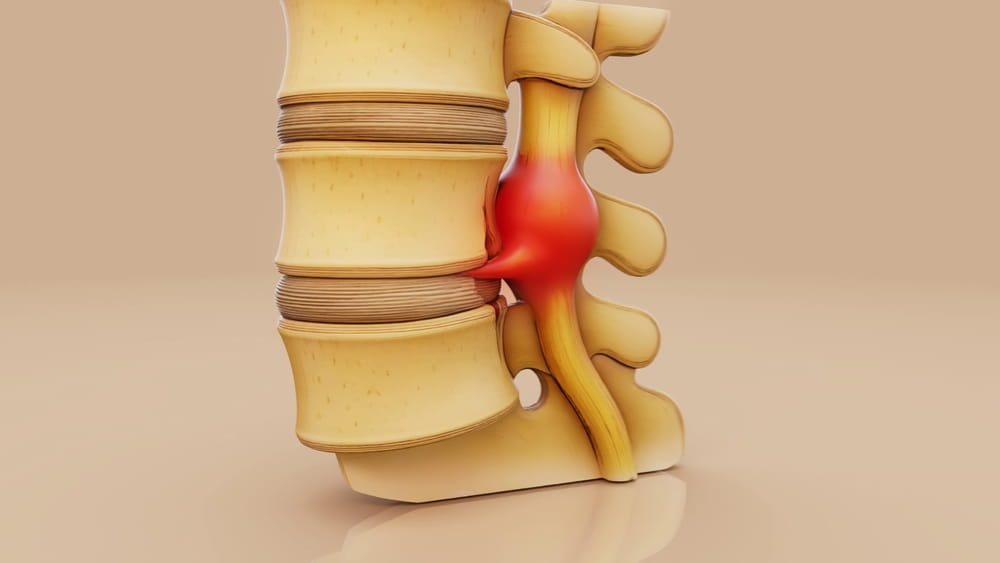
Spine-related pain and injuries can significantly affect daily movement, comfort, and independence. Whether symptoms stem from injury, overuse, or gradual degenerative changes, recovery of the spine often requires more than rest alone. For individuals in Mansfield, Fort Worth, and Burleson, TX, understanding how physical therapy supports spine recovery can clarify why movement-based rehabilitation plays such an important role. Lone Star Orthopaedic and Spine Specialists, PLLC emphasizes patient education to help individuals better understand recovery pathways for spinal conditions. Physical therapy contributes to spine recovery, targeted movement matters, and guided rehabilitation supports long-term spinal health.
Understanding Spine Recovery
The spine is a complex structure designed to provide both stability and mobility. It supports the body’s weight, protects the spinal cord, and allows for bending, twisting, and posture control. When the spine is injured or affected by degenerative conditions, pain and stiffness may develop as surrounding muscles tighten to protect the area.
Recovery involves restoring balance between stability and movement. Prolonged inactivity can weaken supportive muscles and reduce flexibility, while uncontrolled activity may place excessive strain on healing tissues. Physical therapy focuses on guiding the spine through this recovery process by introducing movement in a controlled, progressive manner that respects tissue healing timelines.
Why Movement Is Essential for Healing
Movement plays a critical role in spine recovery. Gentle, guided motion helps maintain joint mobility, promotes circulation, and supports nutrient delivery to spinal tissues. Without movement, stiffness can increase, muscles may weaken, and recovery timelines may lengthen.
Physical therapy emphasizes purposeful movement rather than random activity. Exercises are selected to support spinal alignment, reduce unnecessary strain, and gradually restore functional movement patterns. This approach helps individuals regain confidence in movement while minimizing the risk of reinjury.
How Physical Therapy Addresses Pain and Stiffness
Pain and stiffness are common during spine recovery, but they do not always indicate ongoing injury. Protective muscle guarding, altered posture, and reduced activity can all contribute to discomfort. Physical therapy addresses these factors by improving muscle balance and restoring normal movement patterns.
Stretching techniques may be used to reduce muscle tightness, while strengthening exercises help support the spine and distribute forces more evenly. Over time, these strategies can reduce reliance on compensatory movements that often contribute to persistent discomfort.
The Role of Strength and Stability
Spinal stability relies heavily on surrounding muscles, particularly those of the core and pelvis. Weakness in these areas can place additional stress on spinal joints and discs. Physical therapy focuses on strengthening these supportive muscles to improve spinal control during daily activities.
Strengthening is introduced gradually and tailored to individual tolerance levels. The goal is not to overload the spine, but to create a stable foundation that supports movement. This stability helps protect the spine during bending, lifting, and prolonged standing or sitting.
Improving Posture and Body Mechanics
Posture plays a significant role in spinal health. Poor posture can increase pressure on certain spinal structures, contributing to pain and fatigue. Physical therapy helps individuals become more aware of posture during sitting, standing, and movement.
Body mechanics education is another key component. Learning how to move safely during daily tasks, such as lifting or reaching, reduces unnecessary spinal strain. Understanding these principles supports recovery and helps prevent future flare-ups.
Addressing the Whole Spine
Spine recovery often involves more than one region. Neck, mid-back, and lower back movement patterns influence one another, and dysfunction in one area can affect another. Physical therapy takes a whole-spine approach, recognizing these interconnections.
For example, limited hip mobility may increase stress on the lower back, while shoulder tension may influence neck discomfort. Educational information related to neck and spine health can help individuals understand how different regions work together to support movement.
Physical Therapy and Chronic Spine Conditions
Chronic spine conditions such as degenerative disc changes or arthritis often involve fluctuating symptoms rather than a single injury event. Physical therapy supports long-term management by helping individuals maintain mobility, strength, and flexibility over time.
Rather than focusing solely on pain reduction, therapy emphasizes functional improvement. This approach supports participation in daily activities, work responsibilities, and exercise with greater comfort and confidence.
The Importance of Progression and Consistency
Effective spine recovery depends on gradual progression. Advancing exercises too quickly may irritate tissues, while staying at the same level for too long may limit improvement. Physical therapy emphasizes steady progression based on individual response rather than rigid timelines.
Consistency is equally important. Regular participation in guided movement helps reinforce healthy patterns and supports lasting change. Understanding why consistency matters encourages adherence and supports better long-term outcomes.
Physical Therapy as Part of a Broader Orthopaedic Picture
Spine health is closely linked to overall musculoskeletal function. Lower extremity alignment, core strength, and upper body posture all influence spinal loading. Physical therapy often considers these factors to support balanced movement.
Learning about general orthopaedic health provides additional context for how joint function throughout the body affects spinal recovery and resilience.
Supporting Recovery Beyond the Clinic
Education is a central component of physical therapy. Understanding how daily habits, activity choices, and posture affect the spine empowers individuals to take an active role in recovery. Simple adjustments, such as changing sitting positions or incorporating movement breaks, can support healing outside of formal therapy sessions.
Physical therapy principles often extend into long-term wellness strategies, helping individuals maintain spine health beyond the recovery period.
Why Physical Therapy Supports Long-Term Spine Health
Recovery is not only about resolving immediate symptoms, but about supporting long-term spinal function. Physical therapy helps individuals develop strength, awareness, and movement strategies that protect the spine over time.
This proactive approach reduces the likelihood of recurring pain and supports continued participation in work, recreation, and daily activities. Understanding how physical therapy contributes to spine health reinforces its value as part of comprehensive recovery.
Spine recovery is a dynamic process that benefits from guided movement, education, and consistency. Physical therapy supports healing by addressing strength, flexibility, posture, and movement patterns in a thoughtful, progressive manner.
For individuals in Mansfield, Fort Worth, and Burleson, Lone Star Orthopaedic and Spine Specialists, PLLC provides educational insight into spine recovery and rehabilitation. Understanding how physical therapy supports spinal healing empowers individuals to move with greater confidence, comfort, and long-term resilience.
Sources
Hicks, G. E., Fritz, J. M., Delitto, A., & McGill, S. M. (2005). Preliminary development of a clinical prediction rule for determining which patients with low back pain will respond to stabilization exercises. Spine.
van Middelkoop, M., et al. (2010). Exercise therapy for chronic nonspecific low-back pain. Best Practice & Research Clinical Rheumatology.
Airaksinen, O., et al. (2006). Chapter 4: European guidelines for the management of chronic nonspecific low back pain. European Spine Journal.