For many people, a typical day involves more sitting than movement. Whether working at a desk, commuting, or relaxing at home, extended periods of sitting have become a routine part of modern life. While this may feel harmless, the spine is not designed to remain in a fixed seated position for hours at a time.
Over time, prolonged sitting can place stress on the structures that support the spine, including the discs, muscles, and joints. This strain may contribute to stiffness, discomfort, and changes in posture that affect how the body moves throughout the day.
Daily habits influence long-term musculoskeletal health. Lone Star Orthopaedic and Spine Specialists, PLLC in Mansfield, Fort Worth, and Burleson, Texas can provide useful information on how sitting impacts spinal alignment and what steps can help reduce unnecessary strain.
The Spine Is Built for Movement, Not Stillness
The spine is a dynamic structure designed to support a wide range of motion. It allows the body to bend, twist, and absorb impact while maintaining stability. When the body moves regularly, the discs between the vertebrae remain nourished and flexible, and the surrounding muscles stay engaged.
Sitting for extended periods limits this natural movement. Instead of distributing forces evenly, the spine remains in a fixed position, which can increase pressure on certain areas—particularly the lower back.
When seated, the natural curve of the spine may flatten or shift, especially if posture is not supported. Over time, this can place additional stress on the intervertebral discs and surrounding muscles.
Understanding how the back and spine function during movement and rest can provide helpful insight into why prolonged sitting may lead to discomfort.
How Sitting Changes Spinal Alignment
Posture plays a major role in how the spine responds to sitting. When seated with proper alignment, the ears, shoulders, and hips form a relatively straight line, allowing the spine to maintain its natural curves.
However, many people gradually shift into less supportive positions throughout the day. Slouching forward, leaning toward a screen, or rounding the shoulders can alter spinal alignment.
These changes may seem minor at first, but over time they can increase strain on the muscles that support the spine. The neck may tilt forward, placing additional pressure on the upper back, while the lower back may lose its natural curve.
This altered alignment can lead to muscle fatigue, stiffness, and reduced mobility. Maintaining awareness of posture during sitting helps reduce these effects and supports healthier movement patterns.
The Impact on Muscles and Supporting Structures
When sitting for long periods, certain muscles remain inactive while others work harder to maintain posture. This imbalance can affect how the body supports the spine.
The muscles of the core, which help stabilize the spine, may become less engaged during prolonged sitting. At the same time, muscles in the neck and shoulders may tighten as they compensate for forward head positioning.
Over time, these imbalances can contribute to discomfort in the upper and lower back. Tight hip flexor muscles—located at the front of the hips—may also develop from extended sitting, which can influence how the pelvis and spine align during standing and walking.
Because these muscle groups are interconnected, maintaining balanced strength and flexibility is essential for supporting spinal health.
Pressure on Spinal Discs During Prolonged Sitting
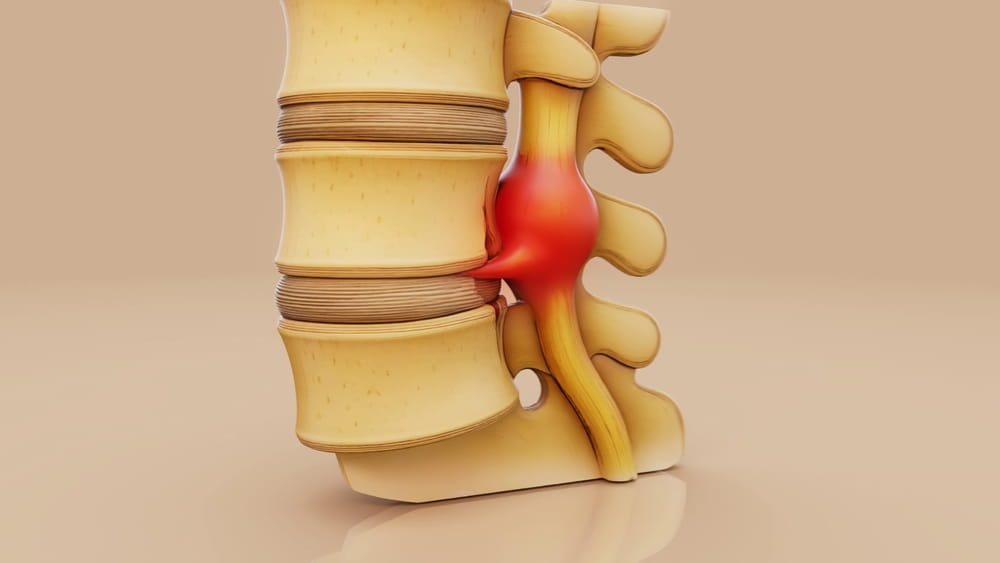
Intervertebral discs act as cushions between the bones of the spine. They absorb shock and help distribute forces during movement. When sitting for extended periods, these discs may experience increased pressure compared to standing or walking.
This pressure is often concentrated in the lower back, particularly when posture is not properly supported. Over time, repeated stress on the discs may contribute to stiffness or discomfort.
Movement helps relieve this pressure by allowing the discs to shift and rehydrate. Without regular movement, the discs remain compressed, which can reduce their ability to function optimally.
Taking breaks from sitting allows the spine to return to more natural positions and helps reduce prolonged stress on these structures.
How Sitting Affects the Neck and Upper Back
While much attention is often placed on the lower back, prolonged sitting also affects the neck and upper back. Forward head posture—commonly seen when looking at screens—can place significant strain on the cervical spine.
The weight of the head increases as it moves forward, requiring the muscles of the neck and upper back to work harder to support it. Over time, this can lead to tightness, fatigue, and reduced range of motion.
Learning about the relationship between posture and neck health can help individuals recognize how everyday habits contribute to discomfort in this area.
Addressing upper body posture is an important part of maintaining overall spinal alignment during sitting.
Small Changes That Can Make a Big Difference
Reducing the impact of prolonged sitting does not always require major lifestyle changes. Small adjustments throughout the day can help support spinal health and reduce strain.
Some practical strategies include:
- Adjusting chair height so feet rest flat on the floor
- Keeping screens at eye level to reduce forward head posture
- Using a chair that supports the natural curve of the lower back
- Taking short breaks to stand, stretch, or walk every 30 to 60 minutes
- Practicing gentle stretches for the neck, shoulders, and hips
These simple changes encourage movement and help maintain better alignment throughout the day.
The Importance of Movement Throughout the Day
Incorporating movement into daily routines is one of the most effective ways to support spinal health. Even brief periods of activity can help counteract the effects of prolonged sitting.
Standing up, walking around, or performing light stretches throughout the day allows the spine to move through its natural range. This movement helps reduce stiffness, improve circulation, and relieve pressure on the discs.
Some individuals also benefit from structured movement programs that focus on strengthening and flexibility. Educational resources related to physical therapy often emphasize exercises that support posture, coordination, and overall spinal function.
By making movement a regular part of the day, individuals can help maintain the flexibility and strength needed for long-term comfort.
Rethinking Daily Habits to Support Spine Health
Modern routines often require extended periods of sitting, but small changes in daily habits can help reduce the strain placed on the spine. Being mindful of posture, incorporating movement breaks, and maintaining muscle strength all contribute to healthier spinal mechanics.
The spine responds best to a balance of movement and support. When individuals take steps to break up long periods of sitting and maintain proper alignment, they create an environment where the spine can function more efficiently.
Educational insights from Lone Star Orthopaedic and Spine Specialists, PLLC help individuals throughout Mansfield, Fort Worth, and Burleson, Texas better understand how everyday behaviors influence spinal health. By recognizing how prolonged sitting affects the body, people can make informed adjustments that support comfort, mobility, and long-term well-being.
Sources
Lis, A. M., Black, K. M., Korn, H., & Nordin, M. (2007). Association between sitting and occupational LBP. European Spine Journal.
O’Sullivan, P. B., Dankaerts, W., Burnett, A. F., et al. (2006). Effect of different upright sitting postures on spinal-pelvic curvature and trunk muscle activation. Spine.
Waongenngarm, P., Rajaratnam, B. S., & Janwantanakul, P. (2015). Internal oblique and transversus abdominis muscle fatigue during prolonged sitting. Journal of Electromyography and Kinesiology.