Pain in the neck or back does not always originate from muscles or joints. In some cases, discomfort is related to irritation or compression of nerves within the spine. This type of pain often feels different from typical soreness and may include sensations such as tingling, burning, or radiating discomfort that travels beyond the neck or back itself. For individuals in Mansfield, Fort Worth, and Burleson, understanding how nerve pain develops in the neck and spine can help clarify confusing symptoms and reduce uncertainty. Lone Star Orthopaedic and Spine Specialists, PLLC emphasizes education so individuals can better understand spinal conditions and recognize patterns that suggest nerve involvement.
What Makes Nerve Pain Different From Muscle Pain
Nerve pain, also known as neuropathic pain, differs from muscle or joint pain in both sensation and behavior. Muscle pain is often localized, aching, or tight and may improve with rest or gentle movement. Nerve pain tends to feel sharper, burning, electric, or shooting, and may travel along a specific path rather than staying in one spot.
Because nerves transmit signals throughout the body, irritation in the spine can cause symptoms far from the source. For example, a nerve issue in the neck may lead to pain, numbness, or tingling in the shoulder, arm, or hand. Similarly, nerve involvement in the lower spine may produce symptoms in the hip, leg, or foot. These patterns are key clues that pain may be nerve-related rather than purely muscular.
How Nerves in the Spine Become Irritated
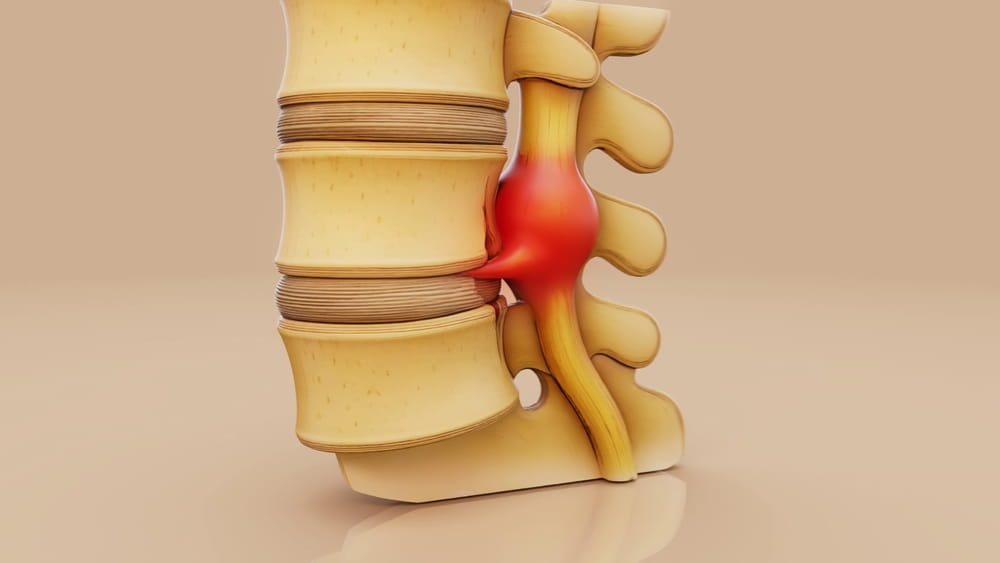
Spinal nerves exit the spinal cord through small openings between vertebrae. These nerves are vulnerable to irritation when surrounding structures change or shift. Disc herniation is a common cause, occurring when the soft inner portion of a spinal disc presses against a nearby nerve. Degenerative changes, such as disc height loss or bone spur formation, may also narrow the space available for nerves.
Inflammation plays an important role as well. Even without significant structural compression, swelling around spinal joints or discs can irritate nearby nerves. In some cases, instability or repetitive strain alters spinal mechanics, increasing stress on nerve tissues over time. Understanding these mechanisms helps explain why nerve pain may develop gradually or appear suddenly after certain movements or injuries.
Common Symptoms of Nerve Pain in the Neck and Spine
Nerve pain symptoms often extend beyond simple pain. Tingling, pins-and-needles sensations, numbness, or burning discomfort are common indicators. Some individuals experience weakness in specific muscle groups, such as reduced grip strength or difficulty lifting the foot while walking.
Symptoms may worsen with certain positions, such as prolonged sitting, looking down, or bending forward. Others notice increased discomfort at night or during activities that place pressure on the spine. Because nerve pain patterns follow predictable pathways, recognizing where symptoms travel can provide valuable insight into which spinal region may be involved.
Cervical Nerve Pain and Upper Body Symptoms
When nerve pain originates in the cervical spine, symptoms often affect the neck, shoulders, arms, or hands. Individuals may notice pain radiating down one arm, numbness in the fingers, or weakness during lifting or gripping tasks. Headaches or discomfort between the shoulder blades may also accompany cervical nerve involvement.
Posture and daily habits can influence cervical nerve symptoms. Prolonged screen use, forward head posture, and repetitive upper body movements may increase strain on cervical structures. Educational information related to back and spine health helps explain how spinal alignment and disc health influence nerve pathways in the neck and upper body.
Lumbar Nerve Pain and Lower Body Symptoms
Nerve pain in the lower spine often affects the hips, legs, or feet. Sciatic-type symptoms, which include radiating pain down the back of the leg, are a well-known example. Individuals may also experience numbness in the thigh, calf, or foot, or weakness that affects balance and walking.
Lower spine nerve symptoms may worsen with prolonged sitting, bending, or lifting. Because the lumbar spine supports body weight and movement, nerve involvement in this region can significantly affect mobility and daily activities. Recognizing these patterns helps distinguish nerve-related pain from localized muscle strain.
Why Early Recognition of Nerve Pain Matters
Nerve pain deserves careful attention because prolonged irritation can lead to more persistent symptoms. Early recognition allows individuals to better understand what their body is signaling and avoid habits that may increase nerve stress. Ignoring nerve-related symptoms may allow inflammation or compression to continue, potentially prolonging discomfort.
Early understanding does not mean assuming the worst, but rather recognizing that nerve pain behaves differently from other types of musculoskeletal pain. Awareness supports thoughtful responses, such as activity modification and posture awareness, rather than pushing through symptoms that worsen over time.
How Specialists Evaluate Nerve-Related Spine Pain
Evaluating nerve pain involves understanding symptom patterns, duration, and triggers. Specialists often focus on where symptoms travel, whether weakness or sensory changes are present, and how pain responds to movement or rest. Physical examination may include strength testing, reflex assessment, and evaluation of sensation.
Imaging may be used when symptoms persist or progress, helping clarify whether discs, joints, or other structures are affecting nerve pathways. Because nerve pain can overlap with muscle or joint discomfort, evaluation often considers the spine as part of a broader musculoskeletal system rather than an isolated structure.
Supporting Nerve Health Through Daily Habits
Daily habits play an important role in spinal nerve health. Maintaining posture awareness, varying positions throughout the day, and avoiding prolonged static postures can reduce unnecessary nerve stress. Gradual movement and regular activity support circulation and spinal flexibility.
Helpful strategies for supporting nerve health include:
- Taking frequent breaks from sitting or screen use
- Avoiding repetitive movements that worsen symptoms
- Using supportive seating and sleeping positions
- Staying aware of symptom patterns rather than ignoring them
- Gradually increasing activity levels instead of making sudden changes
These habits support overall spinal function and may reduce irritation of sensitive nerve tissues.
The Bigger Picture of Spine and Nerve Pain
Nerve pain in the neck and spine rarely exists in isolation. Movement patterns, posture, joint mechanics, and muscle balance all influence how stress is distributed through the spine. Addressing nerve-related symptoms thoughtfully often involves considering how the entire body moves and functions.
For individuals in Mansfield, Fort Worth, and Burleson, Lone Star Orthopaedic and Spine Specialists, PLLC remains committed to providing educational guidance to Texas residents that helps individuals better understand nerve pain and spinal health. Recognizing the signs of nerve involvement empowers people to respond earlier, move more confidently, and protect long-term comfort and mobility.
Sources
Bogduk, N. (2009). On the definitions and physiology of back pain, referred pain, and radicular pain. Pain.
Ropper, A. H., & Zafonte, R. D. (2015). Sciatica. New England Journal of Medicine.
Kreiner, D. S., et al. (2014). An evidence-based clinical guideline for the diagnosis and treatment of lumbar disc herniation with radiculopathy. Spine Journal.