Experiencing back pain after physical activity is relatively common. Whether the discomfort follows a workout, a long day of yard work, or a recreational sports event, many people notice soreness or stiffness in the lower back afterward. In many cases, the cause may be a temporary muscle strain. However, certain symptoms may indicate a deeper spinal issue, such as disc irritation or nerve involvement.
Understanding the difference between these possibilities can help people better recognize what their bodies are telling them. While mild muscle soreness may resolve with rest and time, persistent or unusual symptoms could signal something more complex involving the structures of the spine.
Educational resources from Lone Star Orthopaedic and Spine Specialists, PLLC, help individuals learn how different types of back pain develop and why identifying the underlying cause is important. For residents throughout Mansfield, Fort Worth, and Burleson, Texas, understanding the nature of back discomfort after activity can help guide healthier movement habits and long-term spinal care.
Why Physical Activity Can Trigger Back Pain
The spine supports much of the body’s weight and enables a wide range of movements, including bending, twisting, lifting, and reaching. Because of these responsibilities, the muscles, joints, and discs in the back experience frequent mechanical stress during everyday activity.
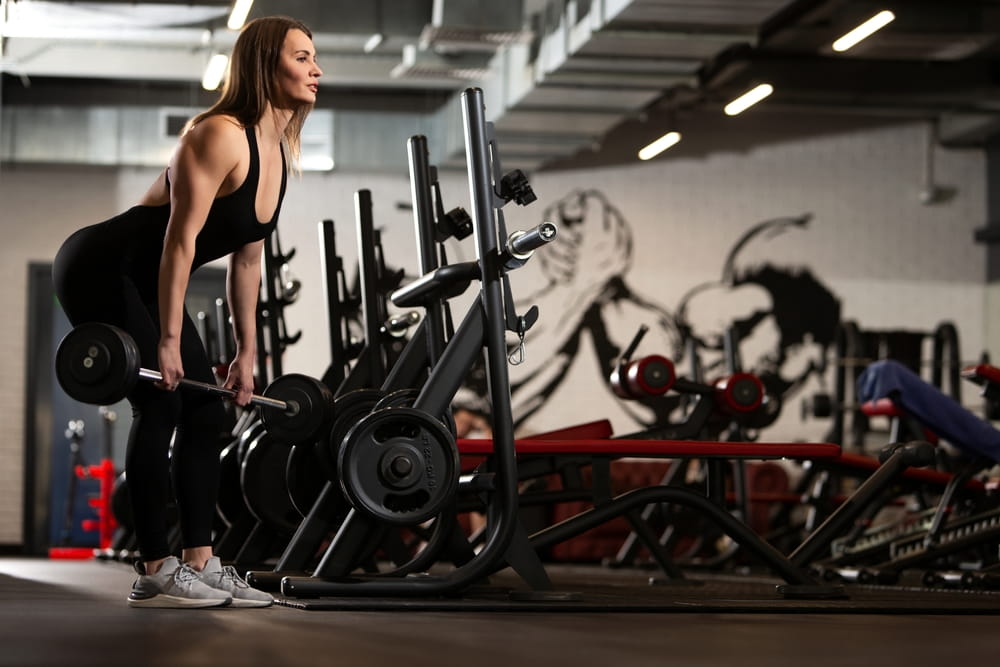
Activities that involve sudden movements, heavy lifting, or repetitive bending can strain muscles and connective tissues. Even common actions like gardening, moving furniture, or playing recreational sports can place unexpected stress on the lower back.
When muscles become overstretched or fatigued, small tears may occur in the muscle fibers. This type of injury is commonly referred to as a muscle strain. Muscle strains are among the most frequent causes of activity-related back pain.
However, the spine contains several other important structures that can also contribute to pain when irritated. Intervertebral discs, spinal joints, and surrounding nerves all play roles in maintaining spinal stability and movement. Learning about the anatomy of the back and spine helps illustrate why identifying the specific cause of back pain can sometimes be complex.
What a Muscle Strain Feels Like
A muscle strain typically occurs when the muscles supporting the spine stretch beyond their normal limits. This may happen during sudden movements, improper lifting techniques, or overexertion during exercise.
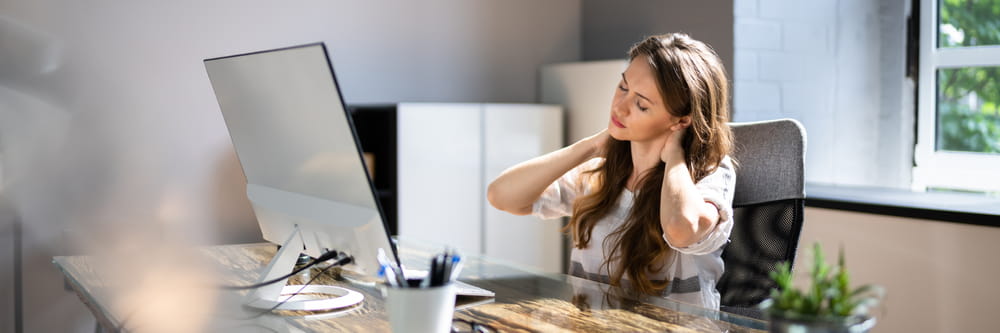
The discomfort associated with a muscle strain often appears shortly after activity or later the same day. People may notice stiffness, localized soreness, or tightness in the lower back. The pain usually remains concentrated in one area rather than spreading down the legs.
Muscle strains may also create tenderness when the affected area is pressed or when certain movements are performed. Twisting, bending, or lifting may temporarily increase discomfort.
Because muscles throughout the back work closely with surrounding joints and connective tissues, learning about broader pain management approaches can help people understand how different strategies support recovery and comfort after activity-related strain.
When Disc Irritation May Be Involved
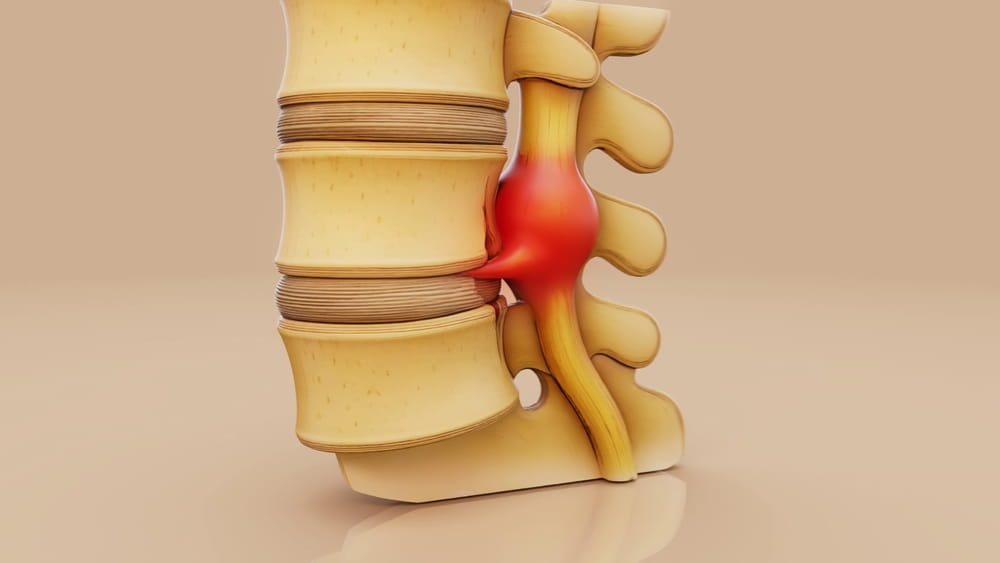
While many cases of back pain involve muscles, spinal discs can also contribute to discomfort following physical activity. Discs sit between the vertebrae and act as cushions that absorb shock during movement.
Each disc contains a soft inner core surrounded by a tougher outer layer. When the outer layer weakens or tears, the inner portion may bulge outward or press against nearby nerves. This process is sometimes referred to as a disc injury or disc herniation.
Unlike muscle strains, disc-related discomfort may produce symptoms beyond the lower back. Nerve irritation can lead to sensations such as tingling, numbness, or pain that travels down the leg.
These symptoms occur because spinal nerves extend from the lower back into the hips and legs. Pressure on a nerve root can create sensations along the nerve’s pathway rather than remaining confined to the back.
Key Differences Between Muscle Strain and Disc Issues
Although both muscle strains and disc injuries can cause back pain, several differences may help distinguish between the two.
Muscle strain symptoms usually stay localized in the lower back. The discomfort often improves with rest and gentle movement.
Disc-related pain, on the other hand, may extend into the hips, buttocks, or legs. Some individuals notice tingling or numbness in the affected leg, which can indicate nerve involvement.
The timing of symptoms may also vary. Muscle strain discomfort often appears shortly after activity, while disc-related symptoms may develop gradually as inflammation affects surrounding nerves.
Another distinction involves movement patterns. Muscle strain may cause pain during specific movements such as bending or twisting. Disc irritation may create discomfort during prolonged sitting, coughing, or certain postures that place pressure on spinal nerves.
Why a Careful Evaluation Matters
Because the spine contains many interconnected structures, identifying the source of back pain sometimes requires a comprehensive evaluation. Specialists may assess posture, mobility, muscle strength, and reflexes to better understand how the spine is functioning.
Evaluating how symptoms behave during different movements can provide clues about the underlying cause. For instance, pain that worsens with specific motions may suggest muscle involvement, while nerve-related symptoms may indicate disc irritation.
In some situations, imaging studies such as X-rays or MRI scans may help visualize the spine and surrounding tissues. These tools allow specialists to evaluate discs, joints, and nerve pathways more closely.
Individuals experiencing ongoing back discomfort may also explore education related to nearby joint regions such as the hip, since hip mobility and alignment can influence how the lower back absorbs stress during activity.
Other Conditions That Can Mimic Muscle Strain
Back pain can arise from several structures in addition to muscles and discs. Spinal joints, ligaments, and surrounding tissues may also contribute to discomfort.
For example, irritation in the joints connecting the vertebrae may create stiffness and localized soreness similar to muscle strain. Ligament strain can occur when connective tissues supporting the spine stretch excessively.
In some cases, nerve irritation may occur without a full disc injury. Inflammation around a nerve root may produce symptoms that resemble other spinal conditions.
Because these structures work together to stabilize the spine, distinguishing between them can sometimes require careful observation of symptoms and movement patterns.
Supporting Spinal Health During Physical Activity
Although occasional back soreness may occur after strenuous activity, certain habits can help support spinal health and reduce unnecessary strain.
Maintaining strong core muscles helps stabilize the spine during lifting, bending, and twisting. These muscles act as natural support for the lower back.
Flexibility also plays an important role. Stretching the hips, hamstrings, and lower back may help maintain balanced movement patterns during activity.
Proper lifting techniques can further reduce strain on spinal structures. Bending at the knees rather than the waist and keeping objects close to the body helps distribute weight more evenly.
Gradually increasing activity intensity rather than making sudden jumps in workload can also allow muscles and connective tissues to adapt safely.
Understanding the Source of Back Pain
Not all back pain feels the same, and the underlying causes can vary widely depending on which spinal structures are involved. While muscle strain is one of the most common sources of discomfort after physical activity, other conditions such as disc irritation or nerve compression may produce similar symptoms.
Recognizing the differences between these possibilities can help individuals better understand their bodies and make informed decisions about activity and recovery.
Educational information from Lone Star Orthopaedic and Spine Specialists, PLLC helps individuals throughout Mansfield, Fort Worth, and Burleson, Texas learn how spinal health influences movement and comfort. By understanding how muscles, discs, and nerves interact within the spine, people can take proactive steps to support long-term back health.
Sources
Andersson, G. B. J. (1999). Epidemiological features of chronic low-back pain. The Lancet.
Frymoyer, J. W., & Cats-Baril, W. L. (1991). An overview of the incidences and costs of low back pain. Orthopedic Clinics of North America.
Deyo, R. A., & Weinstein, J. N. (2001). Low back pain. New England Journal of Medicine.