There is a particular kind of soreness that shows up the morning after an ambitious Saturday in the yard, one that reminds a person exactly which muscles they had been ignoring for the previous six months. Yard work has a way of doing that. It looks like puttering. It feels like puttering. And then the body registers what bending over a garden bed for three hours, or hauling bags of mulch across the property, actually costs.
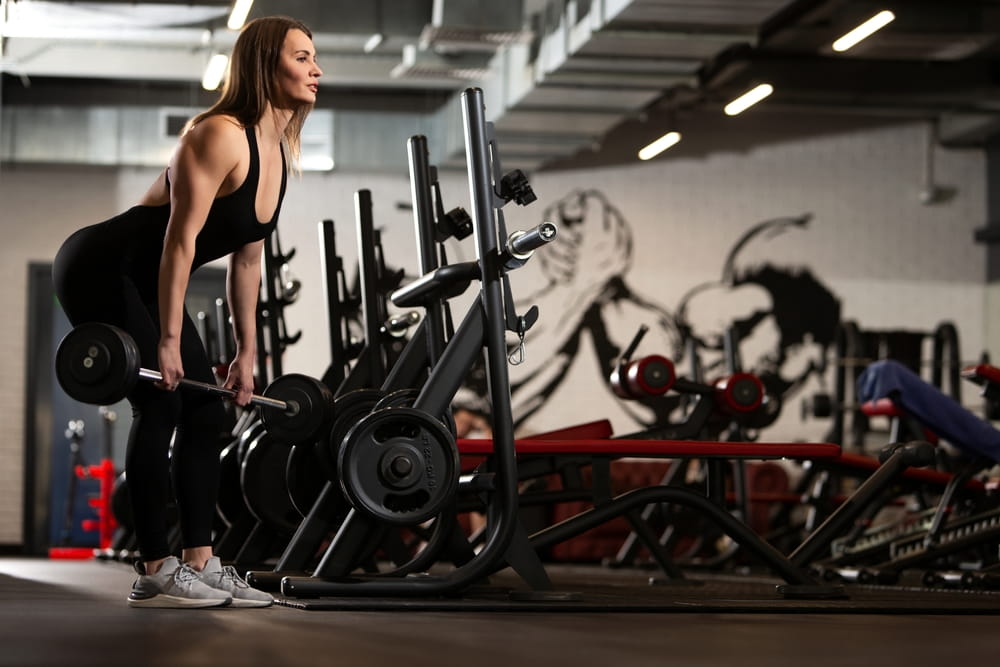
What makes yard work uniquely demanding on the spine is the combination of factors that pile up together: repetitive forward bending, lifting under fatigue, rotating through the waist while carrying weight, and doing all of it in positions that no gym workout ever quite replicates. The back muscles are designed for these movements, but not when they arrive suddenly after months of relative inactivity and then continue for hours without a break.
Patients in Mansfield, Fort Worth, and Burleson, TX, bring this kind of story to Lone Star Orthopaedic and Spine Specialists, PLLC often enough that seasonal outdoor work has earned its own place in the conversation about back health.
Why Yard Work Is Hard on the Spine
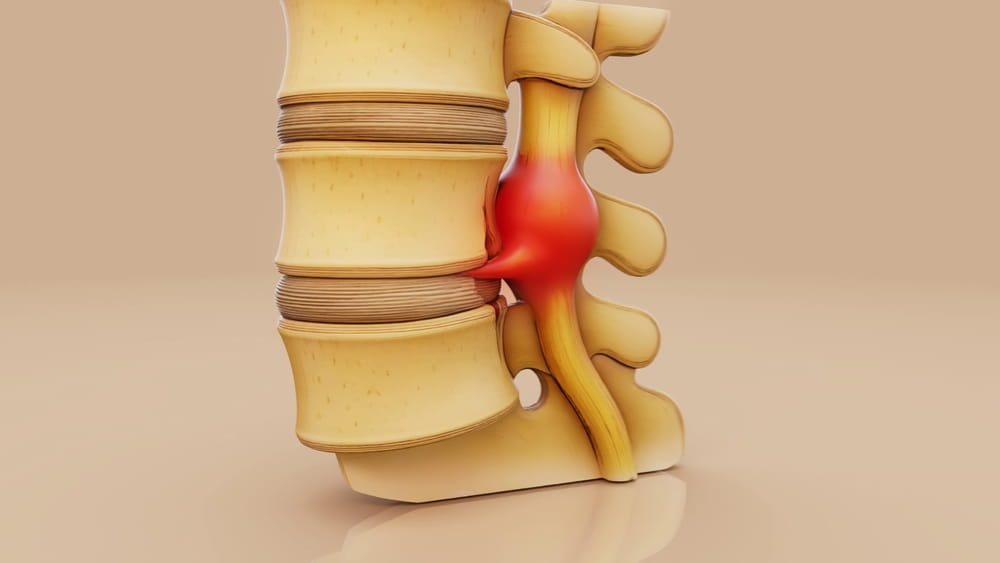
The spine is designed to move in several directions while supporting the body’s weight. Muscles, ligaments, discs, and joints work together to provide both flexibility and stability.
Many outdoor chores require the spine to remain bent forward for extended periods or repeatedly rotate while carrying weight. Over time, these repeated motions can fatigue the muscles that support the back, reducing their ability to stabilize the spine efficiently.
As fatigue develops, people often begin using less efficient movement patterns without realizing it. This can increase stress on the lower back and surrounding soft tissues.
Learning more about back and spine care can help explain how everyday activities affect spinal health.
Repetitive Bending Adds Up
One of the most common movements during yard work is bending forward. Pulling weeds, planting flowers, edging garden beds, and picking up debris all involve repeated forward flexion of the spine.
An occasional bend is not typically a problem. However, performing the same motion hundreds of times over several hours places increasing demands on the muscles and connective tissues that support the back.
Alternating positions, changing tasks periodically, and avoiding prolonged periods in one posture can help reduce cumulative strain.
Lifting Without Preparation
Bags of soil, mulch, fertilizer, rocks, and landscaping materials are often heavier than people expect. Lifting these objects after months of relatively light activity can challenge both the back and the legs.
The amount of weight matters, but so does how it is lifted. Picking up an object while twisting or reaching away from the body increases the forces placed on the spine.
Using the legs to help generate lifting power and keeping heavier loads closer to the body generally allows the larger muscles of the hips and thighs to share more of the work.
Twisting While Carrying Weight
Many yard tasks combine lifting and twisting into a single motion. Loading a wheelbarrow, moving garden supplies, or tossing branches into a pile often requires rotating while holding weight.
The spine naturally rotates during everyday movement, but repeated twisting under load may increase stress on muscles, ligaments, and spinal joints.
Whenever possible, turning the entire body by moving the feet instead of twisting only through the waist may help distribute forces more evenly.
Gardening Posture Matters
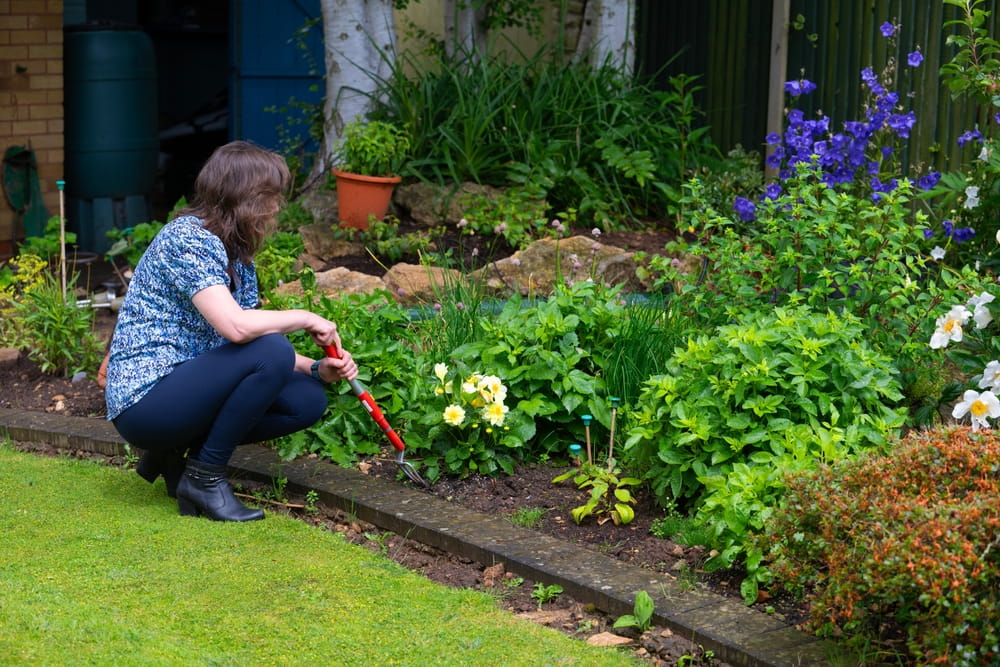
Gardening often involves kneeling, crouching, reaching, and leaning forward for extended periods. Remaining in one position too long can contribute to stiffness throughout the lower back, hips, and knees.
Changing positions regularly allows different muscle groups to share the workload. Some people find that kneeling pads, gardening stools, or raised garden beds make longer gardening sessions more comfortable by reducing the amount of bending required.
Pushing and Pulling Equipment
Lawn mowers, wheelbarrows, leaf blowers, and other landscaping equipment require both strength and coordination.
Pushing heavy equipment uphill or over uneven terrain places additional demands on the core and lower back. Likewise, repeatedly pulling equipment backward can create different movement patterns than normal walking.
Equipment that is properly adjusted and well maintained generally requires less force to operate, reducing unnecessary physical effort.
Warm Weather and Fatigue
Seasonal yard work often takes place during warmer months when dehydration and fatigue develop more quickly.
As muscles tire, posture and lifting mechanics may gradually become less efficient. This combination of fatigue and repetitive movement can increase the likelihood of soreness later in the day.
Taking regular breaks, staying hydrated, and dividing larger projects into shorter sessions may help maintain better movement quality.
In addition, lifestyle guidance can help patients build daily habits that support healthy joints and reduce unnecessary strain during routine activities.
Signs That the Back Needs a Break
Some muscle soreness after an active weekend is common, but certain symptoms suggest the body may be asking for additional recovery.
Common signs include:
- Increasing back fatigue during activity
- Stiffness that limits normal movement
- Muscle spasms after prolonged bending
- Pain that worsens while lifting or twisting
- Difficulty standing upright after working in the yard
- Discomfort that persists beyond normal muscle soreness
If pain becomes severe, radiates into the legs, or is accompanied by numbness, weakness, or changes in bowel or bladder function, prompt medical evaluation is important.
Preparing Before You Start
Just as athletes prepare before exercise, homeowners can prepare before tackling physically demanding outdoor projects.
A brief warm-up that includes walking and gentle movement may increase circulation before lifting, digging, or prolonged bending. Breaking large projects into manageable sections also reduces continuous stress on the same muscles.
Throughout the day, alternating between different types of tasks prevents one movement pattern from being repeated for hours at a time.
Supporting Long-Term Spine Health
Healthy habits throughout the year can make seasonal projects easier on the body. Regular physical activity, strength training, flexibility exercises, and maintaining good movement mechanics all contribute to spinal health.
Many people recovering from back discomfort also benefit from physical therapy, where individualized exercise programs help improve strength, flexibility, posture, and movement patterns.
Enjoy Your Yard Without Overworking Your Back
The back does not distinguish between yard work and any other physical demand. It simply registers force, fatigue, and how efficiently the surrounding muscles are sharing the load. When those muscles are undertrained, when the movements go on too long without a break, and when technique slips because of tiredness, the spine absorbs more than it should and the tissues let you know about it later.
The straightforward fixes are genuinely worth practicing: breaking projects into shorter sessions, alternating between tasks that use different muscle groups, bending the knees and keeping loads close when lifting, and treating a major landscaping day the way any reasonable person would treat a workout, with preparation and recovery built in.
Persistent pain that lingers beyond ordinary muscle soreness, that radiates into a leg, or that shows up alongside numbness or weakness is telling a different story and deserves a closer look. For residents of Mansfield, Fort Worth, and Burleson, TX, Lone Star Orthopaedic and Spine Specialists, PLLC evaluates back symptoms that have moved past the ordinary ache, connecting the activity history to a clearer understanding of what is actually happening in the spine.
Sources
American Academy of Orthopaedic Surgeons. Back Pain Prevention. OrthoInfo.
National Institute for Occupational Safety and Health (NIOSH). Applications Manual for the Revised NIOSH Lifting Equation.
Qaseem, A., Wilt, T. J., McLean, R. M., & Forciea, M. A. (2017). Noninvasive treatments for acute, subacute, and chronic low back pain: A clinical practice guideline. Annals of Internal Medicine.