Most people do not think of lifting groceries, laundry baskets, storage bins, or a child as a workout. Yet these everyday tasks can place significant demands on the shoulders, back, hips, and core, especially when the object is awkward, heavy, or held far from the body.
A single imperfect lift does not automatically cause an injury. Problems are more likely when poor mechanics are repeated, fatigue builds, or the body is asked to handle more weight than it is prepared for. The way a person bends, grips, twists, and carries an object can change how force travels through the spine and upper body.
Lone Star Orthopaedic and Spine Specialists, PLLC helps patients in Fort Worth, Mansfield, Burleson, and surrounding North Texas communities understand how everyday movement patterns can contribute to shoulder and back discomfort. Small adjustments in lifting strategy can reduce unnecessary strain and make routine tasks easier to manage.
Why Lifting Mechanics Matter
Lifting requires several regions of the body to work together.
The legs and hips generate force, the core helps stabilize the trunk, and the shoulders and arms control the object. When one area is not contributing effectively, another may take on more of the workload.
For example, lifting primarily with the back while the hips and knees remain relatively stiff can increase demand on the lumbar muscles. Reaching forward with the arms while holding a heavy object can also increase stress on the shoulders.
Good lifting mechanics are less about following one rigid rule and more about keeping the load controlled, close, and within a range the body can manage comfortably.
Holding Weight Away From the Body
One of the simplest ways to increase strain is to hold an object far away from the torso.
The farther the load moves from the body, the more leverage it creates. This means the back and shoulder muscles must work harder even if the object itself is not especially heavy.
A box held close to the chest is generally easier to manage than the same box held at arm’s length.
Bringing the load closer before lifting or carrying can reduce the amount of force needed to control it.
Bending From the Back Alone
People often hear that they should “lift with the legs,” but real-life lifting is more nuanced than that.
The spine is designed to bend, and bending forward is not inherently unsafe. The issue is how much load is involved, how often the movement is repeated, and whether the person has enough strength and control for the task.
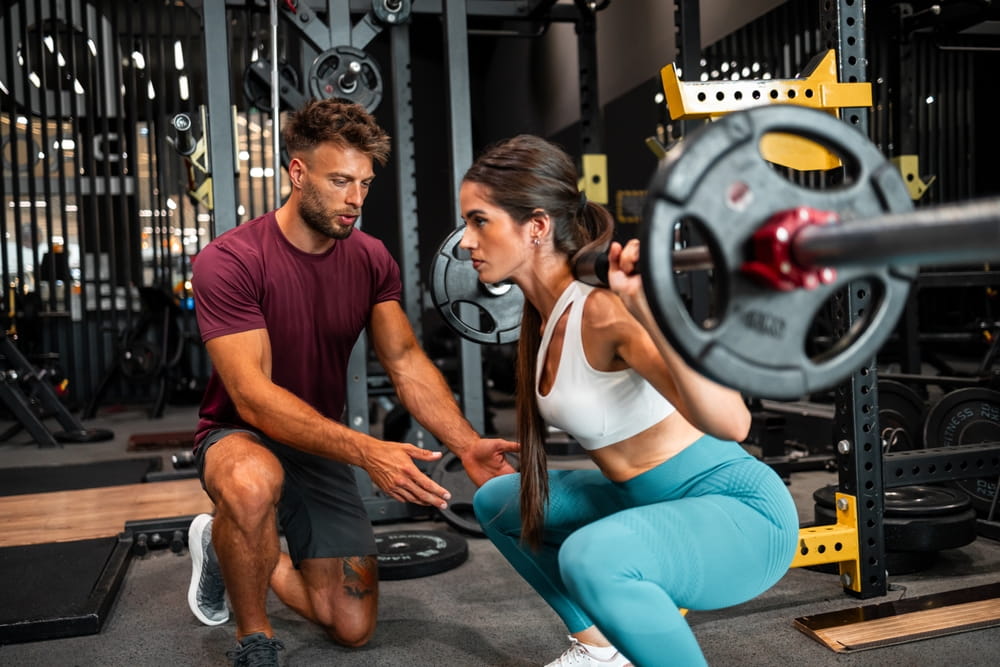
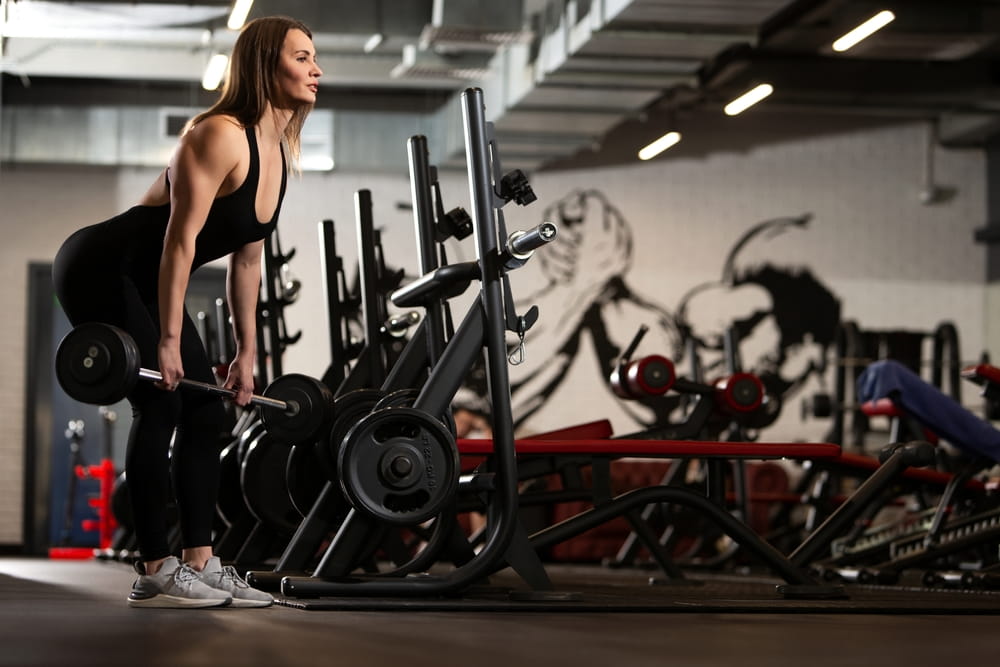
Using the hips and knees to share the effort can reduce the amount of work performed by the lower back during heavier lifts.
A balanced movement pattern allows the hips, legs, and trunk to contribute together rather than forcing one area to handle the entire load.
Twisting While Carrying Weight
Lifting and twisting at the same time can be especially demanding.
Rotating the trunk while carrying a heavy object changes the direction of force through the spine. If the movement is sudden or repeated frequently, the back muscles may fatigue more quickly.
Whenever possible, turning the feet and whole body instead of twisting only through the waist can make the movement easier to control.
This is particularly useful when moving boxes, unloading a vehicle, or transferring objects from one surface to another.
How Shoulder Position Changes the Load
The shoulders can also become strained when lifting mechanics are inefficient.
Reaching overhead, lifting away from the body, or carrying an object with the elbows fully extended can increase demand on the rotator cuff and surrounding muscles.
The shoulder is highly mobile and depends on coordinated muscle activity for stability. Repeated lifting in awkward positions may contribute to irritation, especially if the load is heavy or the movement is performed frequently.
Patients experiencing persistent pain with lifting can learn more through specialized shoulder care.
Overhead Lifting Requires More Control
Placing objects on high shelves or lifting weights overhead creates additional demands.
The shoulder blades must rotate effectively, the rotator cuff must stabilize the joint, and the trunk must remain controlled.
If shoulder mobility is limited, a person may compensate by arching the lower back. This can shift part of the load away from the shoulder and into the lumbar spine.
Good overhead mechanics therefore depend on both shoulder mobility and trunk control.
Grip and Load Stability
An unstable object can be harder to lift than a heavier object that is easy to hold.
Laundry baskets, large boxes, furniture, and irregular items may shift during movement. The body must react quickly to keep the load balanced.
A poor grip can also increase tension through the forearms, shoulders, and upper back.
Before lifting, it helps to know where the weight is distributed and whether the object can be held securely. If the load is too large to control comfortably, using assistance or equipment is safer than forcing the lift.
Fatigue Changes Technique
Lifting technique often deteriorates as muscles become tired.
Early in a task, a person may bend carefully and keep objects close to the body. After repeated trips, the same person may begin reaching farther, twisting more, or rushing the movement.
Fatigue can reduce coordination and make the shoulders and back more vulnerable to strain.
This is why work breaks matter during moving, yard work, home projects, or other activities involving repeated lifting.
Signs That Lifting Is Becoming Too Demanding
The body often gives warning signs before a more significant injury develops.
Common signs include:
- Increasing lower-back tightness
- Shoulder aching during repeated lifts
- Difficulty keeping the load close
- Needing to jerk or swing an object to move it
- Loss of control while lowering an object
- Pain that changes normal lifting technique
- Muscle fatigue that persists after the task
- Numbness, tingling, or weakness in an arm or leg
These symptoms do not always indicate a serious injury, but they are reasons to reduce the workload and reassess the movement.
Lowering an Object Matters Too
Many people focus on picking something up and forget that setting it down creates similar demands.
The muscles must control the load as it descends. Dropping quickly into a bent position or twisting while lowering an object can strain the back and shoulders.
Using the hips and knees during the lowering phase can help maintain control.
The object should also be placed on a stable surface rather than released while the body is still reaching or rotating.
Repetitive Lifting at Work
Jobs involving frequent lifting can expose the body to hundreds of similar movements during a shift.
Even relatively light objects can become demanding when repetitions accumulate. Work height, shelf placement, pace, carrying distance, and available equipment all influence the amount of physical stress.
Adjusting the environment may be just as important as changing technique.
Raising frequently handled items off the floor, reducing unnecessary reaches, and using carts or mechanical assistance can decrease repeated strain.
Training Can Improve Lifting Capacity
Technique matters, but so does physical capacity.
Stronger legs, hips, back muscles, shoulders, and core can make everyday lifting easier. Strength training helps the body tolerate higher loads and may reduce how quickly muscles fatigue.
The goal does not need to be maximum strength. Improving basic strength and endurance can benefit routine tasks such as carrying groceries, lifting luggage, or performing household work.
Why the Core Matters
Core muscles help control the trunk while force moves between the upper and lower body.
During lifting, these muscles work to stabilize the spine as the legs and hips generate movement.
A strong core does not prevent every back injury, but it can improve control during bending, carrying, and changing direction.
Breathing also contributes to trunk stability. Holding the breath excessively is not necessary for most everyday tasks, but coordinated breathing and abdominal control can help maintain a steady posture.
The Role of Hip and Leg Strength
The hips and legs contain some of the body’s largest muscle groups.
Using them effectively allows the lower body to share the workload during heavier lifts.
People with weak hips or legs may rely more heavily on the back or upper body. Improving lower-body strength can therefore support safer lifting mechanics.
This is one reason rehabilitation for back pain often includes exercises well beyond the lumbar spine itself.
When Back Pain Develops After Lifting
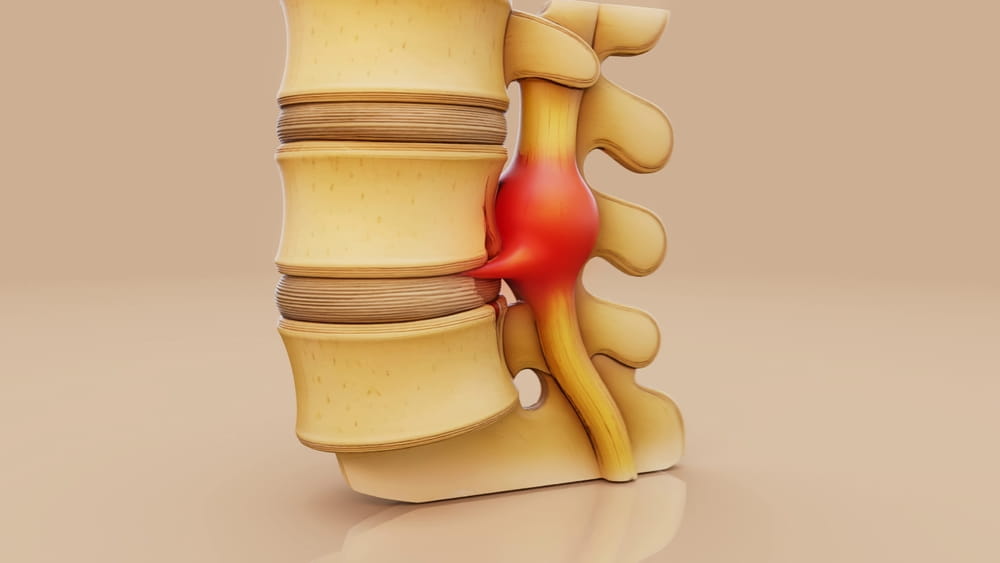
Back pain after lifting may result from muscle strain, joint irritation, disc-related problems, or other causes.
Mild soreness may improve with temporary activity modification and gradual return to normal movement.
Pain that becomes severe, travels down a leg, or is accompanied by numbness or weakness deserves closer evaluation.
Through back and spine care, patients can receive assessment based on how the symptoms began, which movements aggravate them, and whether neurological signs are present.
When Shoulder Pain Develops After Lifting
Shoulder pain after lifting may involve the rotator cuff, biceps tendon, surrounding muscles, or the joint itself.
Pain may be felt at the front or side of the shoulder and may become worse when reaching overhead or lifting away from the body.
A sudden injury associated with weakness or inability to raise the arm should be assessed promptly.
Persistent pain after repeated lifting can also benefit from evaluation, especially when it begins interfering with sleep or daily function.
Better Lifting Is About Preparation, Not Perfection
There is no single posture that guarantees injury prevention.
Safer lifting comes from matching the task to the body’s current ability. That may mean moving closer to the object, adjusting grip, reducing the load, asking for help, or changing the route before lifting begins.
Planning can prevent rushed movements.
It is often easier to avoid awkward twisting and reaching when the path is clear and the destination is prepared in advance.
Building Healthier Movement Habits Over Time
Lifting technique is not something that only matters in a gym or workplace. It shows up during ordinary activities all day long.
A person who consistently keeps loads close, uses the hips and legs when appropriate, avoids unnecessary twisting, and respects fatigue can reduce repeated stress on the shoulders and spine.
That approach becomes even more important during physically demanding days such as moving, landscaping, travel, or home renovation.
Let the Task Determine the Strategy
The best lifting technique is not a memorized pose. A small bag of groceries, a suitcase, a storage bin, and a heavy box each require slightly different positioning. What matters is whether the load stays controlled and whether the body can share the work efficiently.
When pain repeatedly appears during lifting, that pattern is worth paying attention to rather than simply pushing through it. It may reflect weakness, limited mobility, poor load management, or an underlying shoulder or spine condition.
For people throughout Fort Worth, Mansfield, Burleson, and the surrounding North Texas region, Lone Star Orthopaedic and Spine Specialists, PLLC evaluates lifting-related shoulder and back problems with attention to both the painful area and the way the task is being performed. Improving how the body handles load can make work, exercise, and everyday responsibilities feel more manageable without turning every lift into a rigid checklist.
Sources
Kingma, I., Bosch, T., Bruins, L., & van Dieën, J. H. (2004). Foot positioning instruction, initial vertical load position and lifting technique: Effects on low back loading. Ergonomics.
van Dieën, J. H., Hoozemans, M. J. M., & Toussaint, H. M. (1999). Stoop or squat: A review of biomechanical studies on lifting technique. Clinical Biomechanics.
Luime, J. J., Koes, B. W., Hendriksen, I. J. M., et al. (2004). Prevalence and incidence of shoulder pain in the general population: A systematic review. Scandinavian Journal of Rheumatology.