The first question many athletes ask after an injury is simple: “When can I play again?” The answer depends on much more than whether the pain has started to improve. Returning safely requires the injured area to tolerate the forces, speed, repetition, and unpredictability of the sport again.
That is where a structured recovery plan becomes important. Instead of moving directly from rest to full participation, rehabilitation usually progresses through stages. Pain and swelling are addressed first, followed by mobility, strength, balance, conditioning, and increasingly sport-specific movements.
For athletes in Fort Worth, Mansfield, Burleson, and surrounding North Texas communities, Lone Star Orthopaedic and Spine Specialists, PLLC provides evaluation and rehabilitation guidance after sports injuries. A carefully planned progression can help athletes rebuild the physical abilities they need rather than relying on time alone to determine readiness.
Recovery Is More Than Waiting for Pain to Stop
Pain is an important symptom, but it is only one part of recovery.
An ankle sprain may stop hurting during ordinary walking before balance and lateral stability have fully returned. A knee injury may feel comfortable at rest while strength remains noticeably different between the two legs. A shoulder may regain basic movement before it is ready for repeated throwing.
If an athlete returns to full activity based only on pain relief, these remaining deficits may become apparent when competition places greater demands on the body.
A recovery plan looks beyond symptoms and considers whether the athlete has regained the mobility, strength, control, and endurance required for the sport.
The Diagnosis Shapes the Plan
Not all sports injuries recover the same way.
A muscle strain may require a gradual return to loading as the tissue heals. A ligament sprain may place greater emphasis on joint stability and balance. Bone stress injuries often require careful management of impact before running or jumping resumes.
More significant injuries, including fractures or ligament tears, may involve longer periods of protection and more structured rehabilitation.
An evaluation through sports medicine care can help establish what was injured, how severe the injury appears to be, and which activities should initially be limited.
Without an accurate diagnosis, athletes may either do too much too early or remain unnecessarily inactive for longer than needed.
Early Recovery Has Specific Goals
The earliest stage of recovery often focuses on protecting the injured area while controlling pain and swelling.
Depending on the injury, temporary bracing, reduced weight-bearing, or modification of training may be appropriate. Other injuries benefit from beginning gentle movement relatively early.
Complete rest is not always the goal. Too much inactivity can contribute to stiffness, muscle loss, and declining conditioning.
The right amount of movement depends on the injury and stage of healing. Recovery planning helps determine what the athlete can safely continue doing while the injured area improves.
Restoring Mobility
After injury, movement may become limited because of swelling, pain, stiffness, or protective muscle tension.
Restoring appropriate mobility is often necessary before more demanding exercise can be performed efficiently. An ankle that remains stiff may change landing mechanics. Limited knee motion can affect walking and running. Reduced shoulder mobility may interfere with throwing or serving.
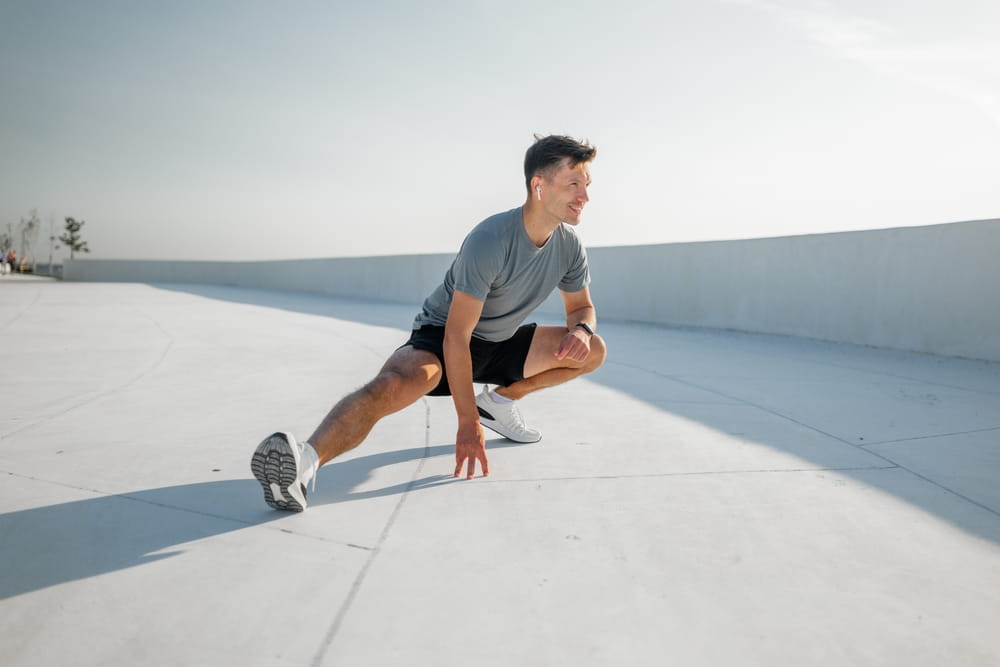
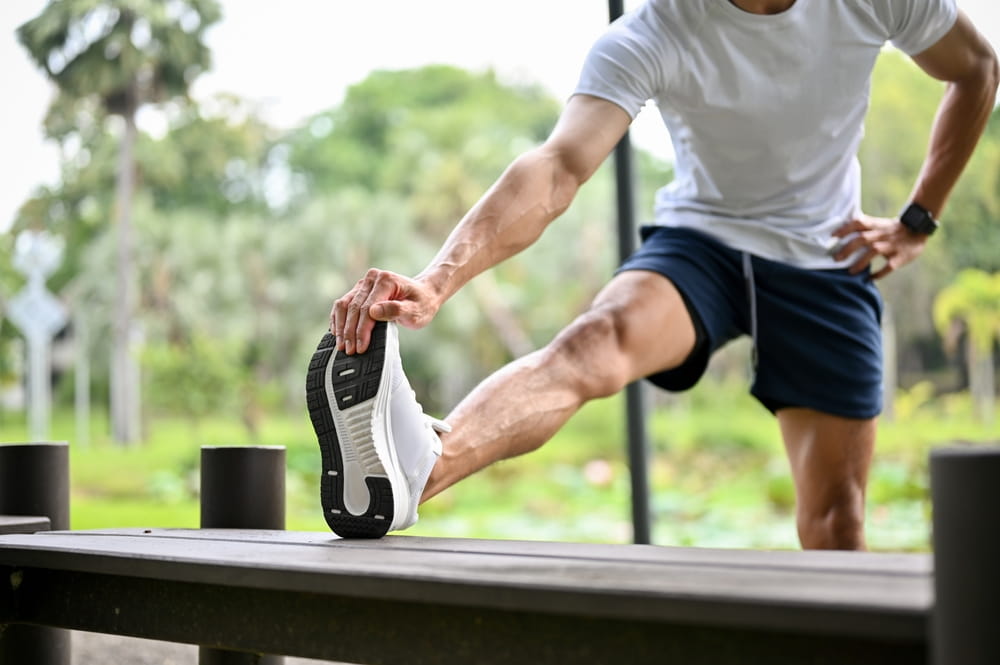
Mobility work should be progressive rather than aggressive. Forcing a painful joint through motion can irritate healing tissues.
The goal is to recover the range of movement needed for daily function first, followed by the greater mobility requirements of the athlete’s sport.
Rebuilding Strength Takes Time
Muscle strength can decline surprisingly quickly when an injury reduces normal activity.
Even after pain improves, the injured side may remain weaker than the opposite side. The difference may not be obvious during daily activities but can become important during sprinting, jumping, cutting, lifting, or throwing.
Rehabilitation often begins with lower-load exercises and gradually increases resistance.
Through physical therapy, exercises can be progressed according to the athlete’s injury, current abilities, and return-to-sport goals.
Strength training may involve the injured area directly, but surrounding regions are also important. Hip strength can influence knee control, core strength can support movement throughout the body, and shoulder rehabilitation may include the upper back and trunk.
Balance and Coordination Can Be Lost After Injury
Sports depend on more than muscle strength.
Balance, proprioception, and neuromuscular control allow the body to respond quickly when the playing surface changes or an athlete lands unexpectedly.
After an ankle or knee injury, these abilities may be reduced even after basic strength returns.
Balance exercises may begin with controlled single-leg positions before progressing to reaches, hops, landing drills, or unstable situations.
Athletes in sports that involve cutting, jumping, and rapid changes of direction often need increasingly complex coordination exercises before returning to competition.
Conditioning Should Not Be Forgotten
An injured athlete may lose cardiovascular fitness while activity is restricted.
This can create a problem when the injured body part is ready for sport-specific practice but the athlete’s overall conditioning is not. Fatigue can affect technique, reaction time, and movement control.
Whenever medically appropriate, recovery plans may include alternative conditioning that does not aggravate the injury. An athlete unable to run may sometimes use cycling, swimming, or another form of exercise depending on the diagnosis.
As healing progresses, conditioning can become more specific to the sport.
The aim is to prevent the athlete from returning to competition physically unprepared for the duration and intensity of normal play.
Sport-Specific Demands Need to Be Rebuilt
Being able to walk without pain does not mean someone is ready to play soccer. Performing a basic shoulder exercise does not demonstrate readiness to pitch.
Every sport places its own demands on the body.
A basketball player may need to sprint, jump, land, pivot, and react to other players. A baseball player may need to tolerate repeated high-speed throwing. A runner must absorb thousands of repeated impacts.
Rehabilitation becomes increasingly specific as recovery advances.
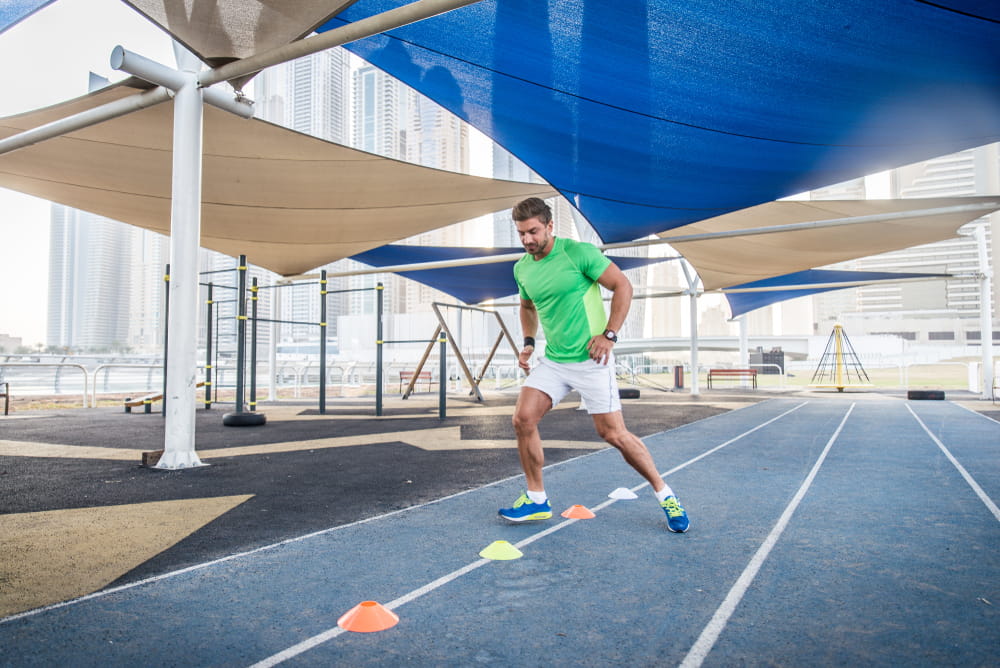
General strength exercises may eventually progress to running, jumping, throwing, cutting, or other movements that resemble competition.
This progression gives the body an opportunity to adapt before those movements occur under the speed and pressure of a game.
Recovery Should Progress in Stages
Although every rehabilitation program is individualized, recovery often moves through several broad phases:
- Protect the injured area and manage early symptoms
- Restore comfortable range of motion
- Rebuild strength and muscular endurance
- Improve balance, control, and coordination
- Restore cardiovascular conditioning
- Introduce sport-specific drills
- Increase speed, intensity, and unpredictability
- Return gradually to practice and competition
Athletes do not always move through these stages at the same rate. Progress depends on the injury, sport, age, medical history, and response to rehabilitation.
Why “Feeling Better” Can Be Misleading
Athletes often experience a period when they feel almost normal during daily activities.
This is encouraging, but it can create a temptation to test the injury too aggressively.
Daily life rarely reproduces the demands of sport. Walking around school does not require the same ankle stability as defending an opponent. Carrying groceries does not place the same load on the shoulder as repeated serving in tennis.
Recovery plans create objective checkpoints between basic function and full competition.
These checkpoints may include strength measurements, balance testing, running progression, jumping ability, or sport-specific tasks.
Returning Too Quickly Can Create Compensation
When an injured area is not ready for full activity, the body may compensate.
A runner may shorten the stride on one side. A basketball player may avoid landing on the recovering leg. A throwing athlete may change mechanics to reduce shoulder discomfort.
These adaptations may allow participation temporarily, but they can place additional stress on other tissues.
Compensation can also become a habit if it is repeated long enough.
Rehabilitation gives athletes time to restore more normal movement before competition makes technique harder to control.
Confidence Is Part of Recovery
Physical healing is not the only challenge after injury.
Athletes may worry about reinjury, particularly after an ACL tear, ankle sprain, shoulder instability episode, or another injury that occurred during a specific movement.
Hesitation can affect performance. An athlete who does not trust the recovering leg may avoid cutting aggressively or landing normally.
Gradual exposure to sport-specific activities can help rebuild confidence. Each successful progression gives the athlete evidence that the body can tolerate more demanding movement.
Confidence should develop alongside physical readiness rather than replacing it.
Recovery Plans Can Change
Rehabilitation is not always a straight line.
An athlete may progress quickly for several weeks and then experience increased soreness when training becomes more demanding. A new activity may reveal weakness that was not obvious during earlier exercises.
These responses provide information.
The recovery plan can be adjusted by changing exercise volume, intensity, or progression rather than assuming that every increase in discomfort represents failure.
Regular reassessment helps ensure that the program continues to match the athlete’s current abilities.
Rest and Recovery Still Matter During Rehabilitation
More rehabilitation is not always better.
Healing tissues need time to adapt to increasing workloads. Strength and conditioning sessions also create fatigue that requires recovery.
Sleep, nutrition, hydration, and appropriate rest between demanding sessions can influence how well an athlete responds.
A well-designed program balances enough activity to stimulate improvement with enough recovery to avoid repeatedly overloading the injured area.
Age and Competitive Level Affect the Approach
Recovery plans should reflect the individual athlete.
Young athletes are still developing physically and may need additional consideration for growth plates, rapid growth, and overall training volume. Recreational athletes may have different goals from collegiate or professional competitors.
The demands of the sport and position also matter.
A soccer goalkeeper may require different shoulder and lower-body testing than a distance runner. A football lineman has different strength and movement requirements than a volleyball player.
Successful rehabilitation prepares the athlete for the activity they are actually returning to.
When Symptoms During Recovery Need Attention
Some soreness can occur as rehabilitation becomes more challenging, but certain changes warrant reassessment.
Increasing swelling, worsening pain, repeated instability, loss of motion, or new weakness should be discussed with the treating clinician.
Athletes should also report pain that begins changing the way they perform exercises.
Sudden severe pain, deformity, inability to bear weight, or neurological symptoms such as significant numbness or weakness require prompt medical evaluation.
Returning to Sport Is a Process, Not a Date
At Lone Star Orthopaedic and Spine Specialists, PLLC, athletes from Fort Worth, Mansfield, Burleson, and nearby North Texas communities can receive care designed around both the injury and the activity they want to resume. That distinction matters because successful recovery is not simply about reaching a certain number of weeks after an injury.
A useful recovery plan creates a bridge between being injured and being ready. Mobility must support the required movements. Strength must tolerate repeated force. Balance and coordination must hold up when speed increases. Conditioning must last beyond the first few minutes of practice. Confidence has to return under realistic demands.
For athletes, that progression can be the difference between merely getting back on the field and returning prepared to participate. Recovery works best when each stage earns the next one, allowing the body to rebuild capacity rather than asking it to suddenly prove that it is ready.
Sources
Ardern, C. L., Glasgow, P., Schneiders, A., et al. (2016). 2016 Consensus statement on return to sport from the First World Congress in Sports Physical Therapy, Bern. British Journal of Sports Medicine.
Creighton, D. W., Shrier, I., Shultz, R., Meeuwisse, W. H., & Matheson, G. O. (2010). Return-to-play in sport: A decision-based model. Clinical Journal of Sport Medicine.
Taberner, M., Allen, T., & Cohen, D. D. (2019). Progressing rehabilitation after injury: Consider the “control-chaos continuum.” British Journal of Sports Medicine.