Ask someone what the core does and you’ll usually get an answer about abs and appearance. That’s a fairly narrow view of a muscle system that spends far more time doing invisible, unglamorous work: bracing the trunk while lifting a suitcase, keeping the spine steady during a sneeze, quietly resisting the slouch that creeps in during hour three of a desk job.
The lower back depends on that support more than people realize. When the muscles surrounding the trunk, front, back, hips, and pelvic floor together, are weak or slow to engage, the spine often ends up absorbing forces it was never meant to handle alone. That mismatch shows up as fatigue after standing too long, soreness following a weekend of yard work, or a back that seems to complain more than it used to during ordinary lifting. Patients throughout Fort Worth, Mansfield, and Burleson, TX, who raise these concerns with Lone Star Orthopaedic and Spine Specialists, PLLC, are often surprised to learn how much of their back discomfort traces back to trunk support rather than the spine itself.
What Muscles Make Up the Core?
The core is not just the abdominal muscles at the front of the body.
It includes several muscle groups that work together around the trunk and pelvis. These include the abdominal muscles, muscles along the spine, the diaphragm, pelvic floor, and deeper stabilizing muscles.
The hips and gluteal muscles also play an important supporting role because they help control the pelvis during standing, walking, lifting, and bending.
Together, these muscles create a stable base for movement. When they activate efficiently, the spine can move while remaining supported.
Why Core Stability Matters for the Lower Back
The lumbar spine must balance mobility with stability.
It needs enough movement to allow bending and rotation, but it also depends on surrounding muscles to prevent excessive or poorly controlled motion.
Core muscles help create this stability by increasing support around the trunk. They also help transfer forces between the upper and lower body.
For example, when lifting an object from the floor, the legs and hips generate much of the force. The core helps keep the trunk controlled so that the lower back does not have to manage the movement alone.
Patients experiencing persistent discomfort can learn more through specialized back and spine care.
Sitting Still Requires Core Support Too
Core strength is often associated with exercise, but these muscles also work during sitting.
When someone sits for long periods, especially in a slouched position, the trunk may gradually rely more on passive structures and less on muscular support.
This can contribute to stiffness and fatigue around the lower back.
Good sitting posture does not require rigidly holding the spine upright all day. In fact, regularly changing positions is generally more realistic and comfortable.
Core endurance helps the body tolerate sitting while still allowing movement and adjustment throughout the day.
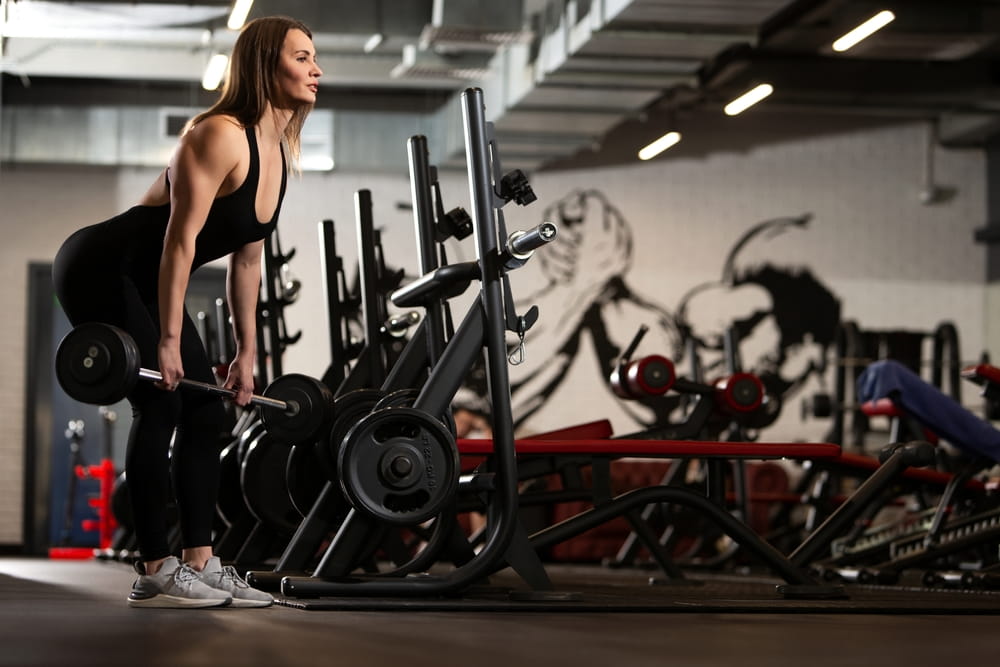
Lifting Places Greater Demands on the Core
Lifting increases the forces traveling through the spine.
The amount of stress depends on the weight of the object, how far it is from the body, the direction of movement, and whether the person is bending or twisting.
Core muscles help control the trunk during these tasks.
Keeping an object closer to the body, using the hips and knees, and avoiding sudden twisting while carrying weight can reduce unnecessary strain.
A strong core does not make someone immune to injury, but it can improve the body’s ability to manage everyday physical demands.
Core Strength and Bending
Bending forward is a normal movement, but repeated bending under load can fatigue the muscles supporting the lower back.
When core and hip muscles work together, they help distribute the effort through the trunk and lower body.
People who rely heavily on the lower back while bending may notice fatigue or soreness after yard work, housework, or manual labor.
Improving strength and movement control can help the body share the workload more efficiently.
The Role of the Abdominal Muscles
The abdominal muscles help control trunk position and resist excessive movement.
Different layers contribute in different ways. The deeper abdominal muscles help stabilize the spine, while the larger abdominal muscles contribute to bending, rotation, and overall trunk control.
Effective core training does not require endless crunches.
Exercises that challenge the trunk to resist movement—such as keeping the spine steady while the arms or legs move—can also improve stability.
Back Muscles Are Part of the Core
The muscles along the spine are just as important as the muscles at the front of the abdomen.
These muscles help control extension, maintain posture, and stabilize the spine during lifting and walking.
A well-balanced program should not focus only on the front of the body.
Strengthening the back, hips, and abdominal muscles together generally provides more complete support for the spine.
Hip Strength Helps Protect the Back
The hips generate force during walking, climbing stairs, lifting, and standing.
When the gluteal and hip muscles are weak, the lower back may compensate by moving more or working harder.
This is why rehabilitation for back pain often includes hip strengthening alongside core exercises.
Improved hip control can also help stabilize the pelvis and reduce unnecessary movement through the lumbar spine during daily tasks.
Core Endurance May Matter as Much as Strength
A person may be able to perform a difficult core exercise but still experience back fatigue after sitting or standing for several hours.
This is because endurance and maximum strength are different.
Core endurance refers to the ability of these muscles to maintain support over time.
For everyday activities, being able to sustain low-level muscular control for longer periods may be more important than generating a short burst of high force.
Signs That Core Weakness May Be Contributing
Core weakness is not a diagnosis, and it cannot be identified by one symptom alone.
However, certain patterns may suggest reduced trunk strength or endurance.
Common signs may include:
- Lower-back fatigue after prolonged standing
- Difficulty maintaining control during lifting
- Frequent reliance on the arms to rise from a chair
- Excessive trunk movement during exercise
- Difficulty maintaining balance during single-leg tasks
- Back soreness after activities requiring repeated bending
- Reduced endurance during walking or prolonged sitting
These symptoms can have many causes, so persistent discomfort should be evaluated rather than assumed to result from weak abdominal muscles.
Core Training Should Be Progressive
Core exercises work best when they match the individual’s current ability.
A beginner may start with simple movements that focus on breathing, abdominal control, and maintaining a comfortable spine position.
As strength improves, exercises can progress to involve the arms and legs, resistance bands, weights, or more challenging balance demands.
Progressing too quickly may increase pain or encourage poor technique.
The goal is controlled movement, not completing the hardest exercise possible.
Physical Therapy Can Help With Core Training
People with recurring back pain may not know which exercises are appropriate or how much activity is safe.
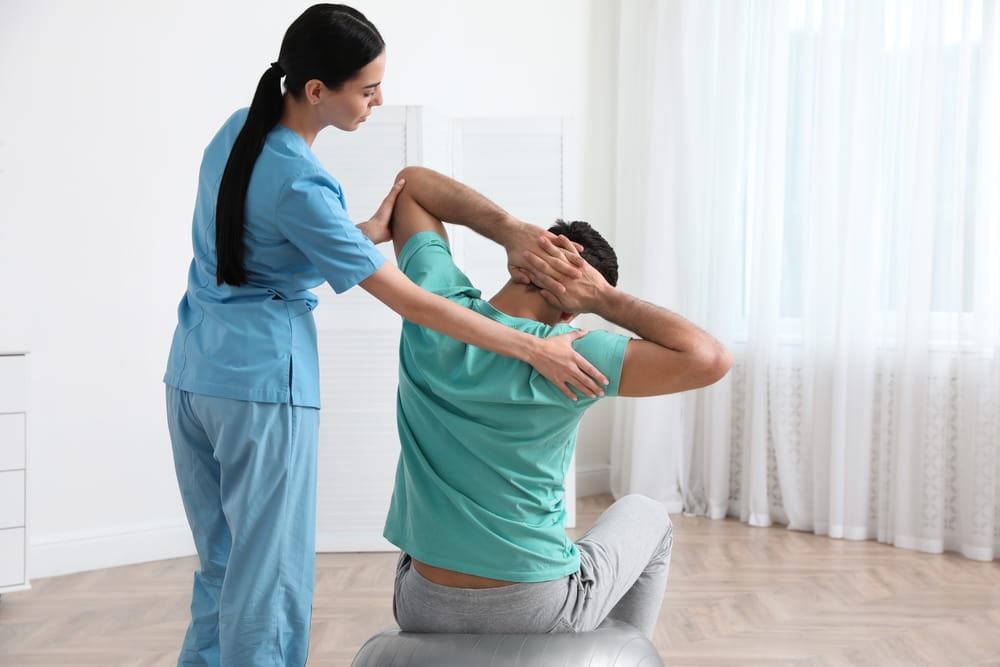
Through physical therapy, patients can receive exercises tailored to their strength, mobility, symptoms, and functional goals.
A therapist may evaluate how the patient bends, lifts, walks, sits, and performs other daily movements.
Treatment may include trunk stabilization, hip strengthening, mobility work, and gradual exposure to activities that previously caused discomfort.
The purpose is not simply to strengthen isolated muscles but to improve how the body coordinates movement.
Not Every Back Problem Is Caused by a Weak Core
Core weakness is often blamed for back pain, but low-back pain can have many causes.
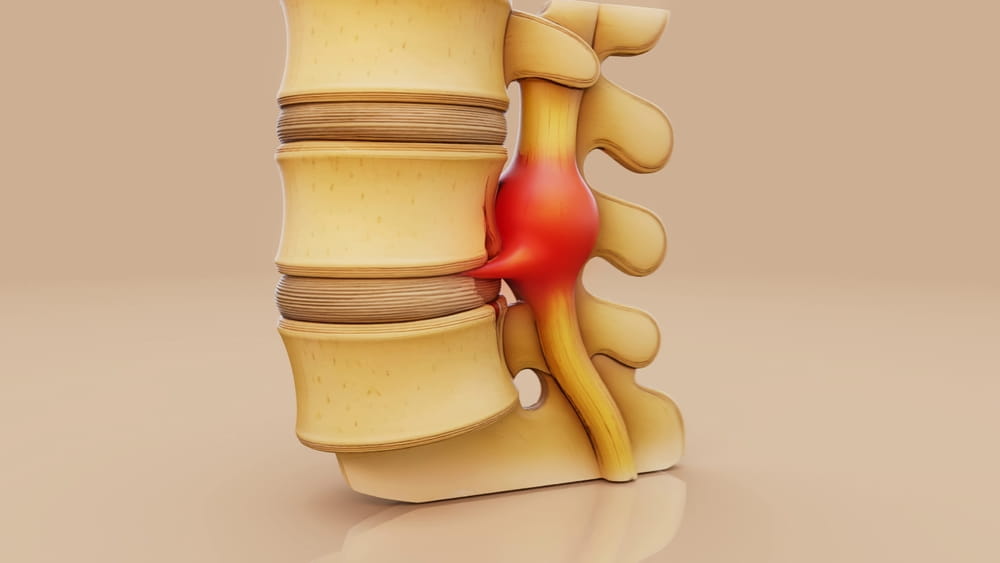
Muscle strains, disc-related conditions, arthritis, nerve irritation, previous injuries, and other factors may contribute.
Some people with strong core muscles still develop back pain, while others with relatively little formal exercise remain symptom-free.
Core training is one useful tool, not a universal cure.
When pain is persistent or accompanied by neurological symptoms, a broader evaluation may be needed.
Daily Movement Matters Too
Formal exercise can improve strength, but everyday habits influence spinal health as well.
Long periods of sitting, repeated heavy lifting, poor sleep, sudden increases in activity, and lack of movement variety can all affect how the back feels.
Lifestyle guidance can help patients consider the broader habits that affect musculoskeletal health, including activity level, recovery, and ergonomics.
Even short periods of walking and movement throughout the day can help interrupt prolonged static positions.
When Back Pain Needs Evaluation
Mild soreness after unfamiliar exercise may improve with rest and gradual return to activity.
Evaluation becomes more important when back pain persists, worsens, interferes with normal movement, or repeatedly returns.
Symptoms such as numbness, tingling, weakness, or pain traveling down a leg may indicate nerve involvement.
Loss of bowel or bladder control, numbness around the groin or inner thighs, or rapidly worsening leg weakness requires urgent medical attention.
Building Better Support for Everyday Movement
Core strength helps the body manage the demands placed on the lower back during sitting, bending, lifting, walking, and exercise. Strong abdominal, back, hip, and pelvic muscles work together to stabilize the trunk and distribute force more efficiently.
The goal of core training is not to keep the spine rigid. It is to give the body enough strength and endurance to control movement while still allowing the spine to move naturally.
For patients across Fort Worth, Mansfield, Burleson, and surrounding North Texas communities, Lone Star Orthopaedic and Spine Specialists, PLLC provides evaluation and treatment for back conditions that interfere with everyday activity. Improving core strength as part of a broader movement and rehabilitation plan can help many people build greater confidence and support for daily tasks.
Sources
Hodges, P. W., & Richardson, C. A. (1996). Inefficient muscular stabilization of the lumbar spine associated with low back pain. Spine.
Wang, X. Q., Zheng, J. J., Yu, Z. W., et al. (2012). A meta-analysis of core stability exercise versus general exercise for chronic low back pain. PLoS ONE.
Saragiotto, B. T., Maher, C. G., Yamato, T. P., et al. (2016). Motor control exercise for chronic non-specific low-back pain. Cochrane Database of Systematic Reviews.