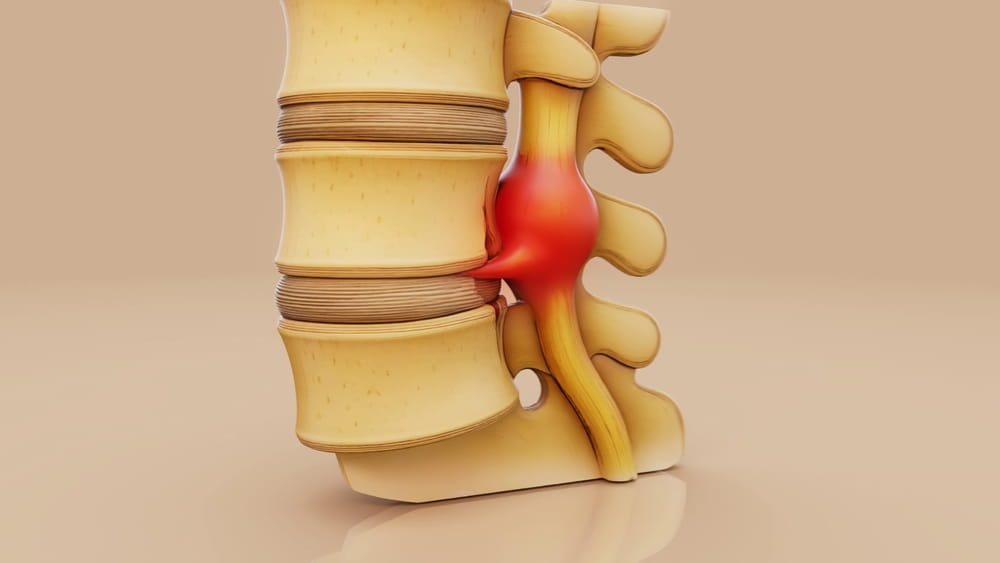
Most people associate spine problems with injuries, accidents, or the natural aging process. While those factors can certainly play a role, the health of the spine is also shaped by something much less obvious: daily habits. The small choices made throughout the day—how we sit, move, lift, sleep, and even use technology—can influence spinal health over months and years.
Because these habits are repeated so frequently, their effects tend to accumulate gradually. A posture that feels harmless today may contribute to stiffness down the road, while consistent movement and healthy routines can help support long-term mobility.
Throughout Mansfield, Fort Worth, Burleson, and surrounding North Texas communities, many people spend long hours at desks, in vehicles, or performing physically demanding work. Lone Star Orthopaedic and Spine Specialists, PLLC, often helps individuals understand how everyday routines affect the spine and why small adjustments can make a meaningful difference over time.
The Spine Is Built for Movement
The spine is a remarkable structure designed to provide both stability and flexibility. It supports the body’s weight, protects the spinal cord, and allows movement in multiple directions.
To perform these functions effectively, the spine relies on a coordinated system of vertebrae, discs, muscles, ligaments, and joints. These structures work together continuously throughout daily activities.
Movement helps keep this system functioning efficiently. When the body moves regularly, muscles remain engaged, joints stay mobile, and circulation supports healthy tissues throughout the spine.
Learning more about back and spine care can help illustrate how daily habits influence these important structures.
Sitting More Than the Body Was Designed For
Modern lifestyles often involve extended periods of sitting. Whether working at a computer, commuting, or relaxing at home, many people spend a significant portion of the day in seated positions.
While sitting itself is not harmful, remaining in the same position for prolonged periods can place additional stress on the spine. Muscles may become less active, joints may stiffen, and posture may gradually shift into less supportive positions.
Over time, these changes can contribute to discomfort in the neck, back, and hips. Regular movement breaks throughout the day can help reduce the effects of prolonged sitting and support healthier spinal function.
Posture Influences Spinal Stress
Posture affects how forces are distributed throughout the body. When the spine is aligned efficiently, muscles and joints share the workload more evenly.
Poor posture may place extra strain on certain areas, particularly the neck, shoulders, and lower back. Forward head positioning, rounded shoulders, and prolonged slouching are common examples.
These postural patterns often develop gradually through everyday activities such as computer use, smartphone viewing, or prolonged desk work. Because they become familiar over time, many people may not realize how much strain they create.
Technology and Modern Movement Patterns
Technology has transformed the way people work and communicate, but it has also introduced new movement habits.
Looking down at phones, leaning toward screens, and spending extended periods at computers can all influence spinal alignment. These positions may increase demands on the muscles that support the neck and upper back.
The effects are often subtle at first. However, repeated daily exposure to these positions can contribute to tension, stiffness, and reduced mobility over time.
Being mindful of screen height and workstation setup can help reduce unnecessary strain.
Sleep Habits Matter Too
The spine does not stop responding to posture when the day ends. Sleep positions and mattress support also influence spinal comfort.
During sleep, the body spends several hours in one position. If the spine is not adequately supported, certain muscles and joints may remain under stress throughout the night.
While individual preferences vary, maintaining neutral spinal alignment during sleep can help support overall comfort and recovery.
Physical Activity Supports Long-Term Spine Function
Regular activity is one of the most effective ways to support spinal health. Movement helps maintain flexibility, strengthen supportive muscles, and improve circulation throughout the body.
Activities such as walking, stretching, swimming, and strength training all contribute to healthy movement patterns.
Strong core muscles are particularly important because they help stabilize the spine during daily activities. When these muscles provide adequate support, the spine often experiences less unnecessary stress.
Another area where daily habits can influence spinal health is movement quality and flexibility. When muscles become tight or movement patterns become restricted, the spine may be forced to compensate during routine activities. Some individuals benefit from resources such as physical therapy, which often focuses on mobility, strength, posture, and movement mechanics that support long-term spinal function.
Lifting Mechanics Add Up Over Time
Many people think of lifting injuries as sudden events, but everyday lifting habits can influence the spine long before discomfort develops.
Repeatedly bending at the waist, twisting while carrying objects, or lifting with poor body mechanics may increase stress on spinal structures. Even light objects can contribute to strain when lifted improperly over time.
Using the legs and hips to generate lifting force helps distribute workload more efficiently throughout the body.
Lifestyle Factors That Influence Spine Health
Many aspects of daily life contribute to how the spine functions and feels over time.
- Prolonged sitting without movement breaks
- Poor posture during work or leisure activities
- Limited physical activity
- Repetitive lifting with improper mechanics
- Inadequate sleep support or positioning
While none of these habits alone necessarily causes spinal problems, their cumulative effects can influence mobility, comfort, and overall spinal function.
Resources related to lifestyle guidance often emphasize how small, sustainable changes can support long-term musculoskeletal health.
Building Better Habits for the Future
One of the encouraging aspects of spine health is that many contributing factors are influenced by daily choices. Small adjustments made consistently can have a meaningful impact over time.
Simple actions such as standing up more frequently, improving workstation ergonomics, maintaining physical activity, and paying attention to posture can help support the spine’s natural function.
These changes do not need to be dramatic. Often, the habits repeated every day matter more than occasional large efforts.
Why Everyday Choices Matter
The spine responds continuously to how the body moves, rests, and functions throughout daily life. While injuries and age-related changes can influence spinal health, the routines people follow every day often play an equally important role.
Over months and years, seemingly minor habits can either support healthy movement or contribute to additional stress on the spine. Recognizing these patterns creates opportunities to make adjustments before discomfort becomes more noticeable.
For individuals throughout Mansfield, Fort Worth, Burleson, and the greater North Texas region, spine health is shaped not only by major events but also by everyday routines. Lone Star Orthopaedic and Spine Specialists, PLLC helps connect these daily habits to long-term spinal function, providing insight into how consistent movement, posture awareness, and healthy lifestyle choices can support mobility and comfort for years to come.
Sources
McGill, S. M. (2015). Low Back Disorders: Evidence-Based Prevention and Rehabilitation. Human Kinetics.
Cagnie, B., Danneels, L., Van Tiggelen, D., et al. (2007). Individual and work-related risk factors for neck pain among office workers. European Spine Journal.
World Health Organization. (2020). WHO Guidelines on Physical Activity and Sedentary Behaviour.