Back injuries tend to crop up during the most ordinary moments. Reaching for a heavy box, shifting furniture across a room, hauling equipment, or simply scooping something up off the floor at an odd angle can place more demand on the spine than the body is set up to absorb. More often than not, it’s not the weight of the object itself that causes trouble—it’s how the body is moving while that weight is being lifted.
When lifting mechanics fall short, the muscles, discs, and joints that hold the spine together can take on far more strain than they should. Sometimes the discomfort makes itself known the moment the lift is over, while in other situations the irritation creeps in slowly, built up by repeated stress spread across weeks or months.
Lifting-related back pain is a common complaint tied both to demands on the job and to everyday routines around the house. Lone Star Orthopaedic and Spine Specialists, PLLC regularly helps individuals across Fort Worth, Mansfield, Burleson, and the broader North Texas area understand how movement patterns and body positioning come into play when the spine is placed under load.
Why the Spine Is Vulnerable During Lifting
The spine is designed to support body weight while also allowing flexibility and movement. It relies on a combination of vertebrae, discs, muscles, ligaments, and joints working together to maintain stability.
When lifting an object, the spine must handle both the weight itself and the forces created by movement. If the body lifts unevenly or uses poor posture, certain areas of the spine may absorb far more pressure than intended.
The lower back is particularly vulnerable because it supports much of the body’s weight during bending and lifting movements.
Understanding how the back and spine function during physical activity helps explain why lifting mechanics matter so much.
How Improper Lifting Increases Strain
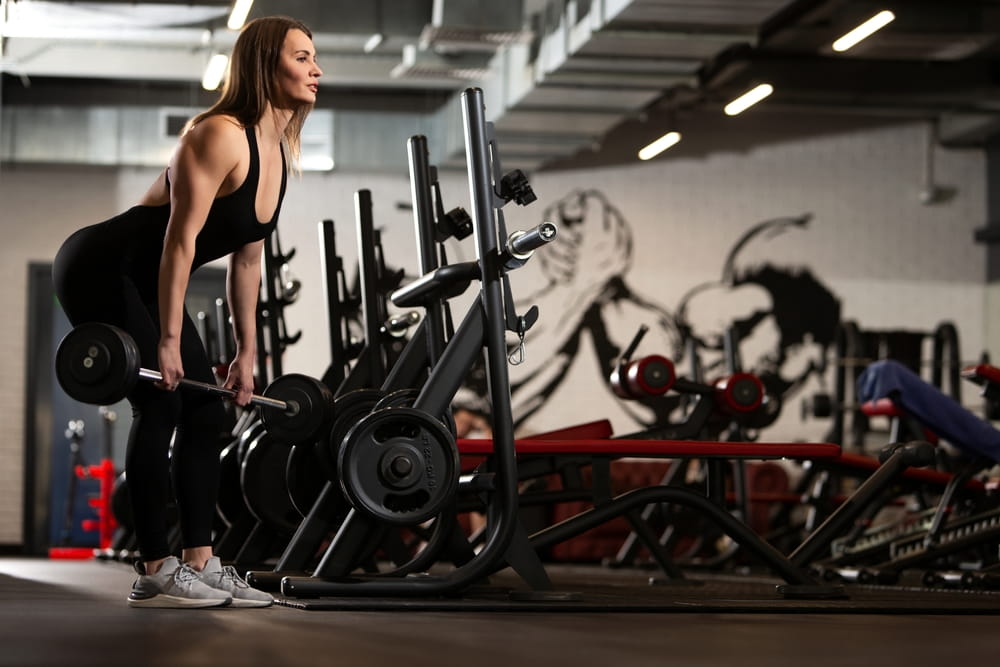
One of the most common lifting mistakes is bending primarily at the waist rather than using the hips and knees. This movement shifts a large amount of stress directly onto the lower back muscles and spinal discs.
Twisting while lifting can further increase strain. The spine handles forward and backward movement more efficiently than combined bending and rotation under load. When twisting is added during lifting, the surrounding muscles and connective tissues may become overstressed.
Holding objects too far away from the body also increases pressure on the spine. The farther the weight moves from the center of the body, the harder the back muscles must work to stabilize the load.
These movement patterns may not cause immediate injury every time, but repeated strain can gradually contribute to discomfort and tissue irritation.
The Role of Muscles During Lifting
The muscles of the core, hips, and legs play an important role in supporting safe lifting mechanics. These muscle groups help distribute force more evenly throughout the body.
When these muscles are weak or fatigued, the lower back may compensate by handling more of the workload. This increased demand can contribute to muscle strain and reduced spinal stability.
Strong leg and core muscles help the body generate lifting force more efficiently while reducing unnecessary pressure on the spine.
Repetitive Lifting and Overuse
Back injuries do not always happen because of one dramatic moment. In many cases, repeated lifting over time contributes to cumulative strain on the spine.
Workers who frequently lift heavy objects or individuals who perform repetitive bending motions throughout the day may gradually develop tightness, stiffness, or ongoing discomfort.
This repeated stress can affect muscles, ligaments, and even the discs between the vertebrae. Over time, the body may begin compensating for discomfort with altered movement patterns, which can place additional strain on surrounding areas.
How Disc Irritation Can Develop
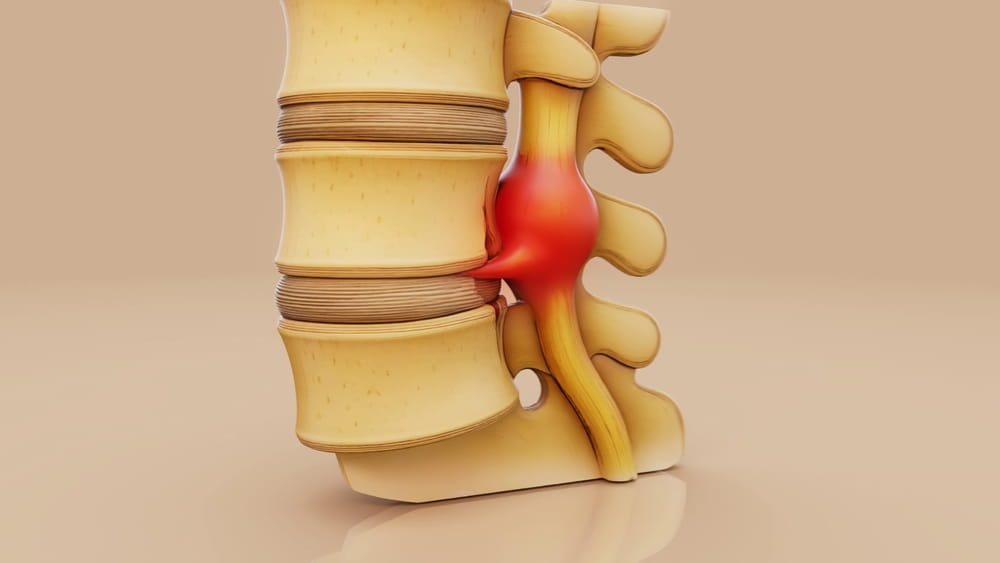
Spinal discs act as cushions between the vertebrae, helping absorb force during movement. Improper lifting mechanics can increase pressure on these discs, particularly during forward bending combined with twisting.
Repeated stress or sudden excessive force may irritate the outer layers of the disc, potentially contributing to discomfort in the lower back.
Because discs help distribute force throughout the spine, changes in disc function may affect overall movement and flexibility.
Posture and Everyday Movement Patterns
Lifting technique is influenced not only by strength, but also by posture and daily movement habits. People who spend long hours sitting or working in awkward positions may develop reduced flexibility or weakened support muscles over time.
These changes can affect how the body responds during lifting tasks. Tight hips, reduced core engagement, or poor posture may increase spinal strain even during relatively light lifting activities.
Improving everyday movement awareness often helps support safer lifting mechanics overall.
Common Signs of Lifting-Related Back Strain
Back discomfort related to lifting often follows recognizable patterns.
Common signs include:
- Tightness or soreness in the lower back after lifting
- Pain during bending or twisting movements
- Muscle spasms or stiffness after physical activity
- Discomfort that increases with repetitive lifting
- Reduced flexibility or mobility in the back
These symptoms may suggest that the muscles and connective tissues supporting the spine are under increased stress.
Supporting Safer Lifting Habits
Reducing spinal strain during lifting often comes down to movement mechanics and body positioning.
Helpful lifting strategies include:
- Keeping objects close to the body
- Bending at the hips and knees rather than the waist
- Avoiding twisting while carrying weight
- Using leg muscles to generate lifting force
- Taking breaks during repetitive lifting tasks
These adjustments help distribute force more evenly and reduce unnecessary pressure on the spine.
Some individuals also benefit from broader lifestyle guidance related to posture, movement habits, and physical conditioning that supports long-term spinal health.
Why Prevention Matters for Long-Term Spine Health
The spine responds to repeated movement patterns over time. While the body is built to handle lifting, poor mechanics can gradually increase strain on muscles, joints, and discs if those patterns continue unchecked.
Learning how the body moves during lifting tasks can help reduce unnecessary stress and support better movement efficiency. Often, small changes in posture and technique make a significant difference in how the back handles physical demands.
Lifting-related discomfort tends to trace back to ordinary work routines and tasks around the house rather than to any single dramatic accident. Across North Texas, including Burleson, Mansfield, and Fort Worth, Lone Star Orthopaedic and Spine Specialists, PLLC sheds light on the relationship between these everyday experiences and the underlying mechanics of the spine, sharing insight into how healthier lifting habits may go a long way toward supporting long-term comfort and mobility in the back.
Sources
Marras, W. S. (2000). Occupational low back disorder causation and control. Ergonomics.
McGill, S. M. (2015). Low back disorders: Evidence-based prevention and rehabilitation. Human Kinetics.
National Institute for Occupational Safety and Health (NIOSH). (1994). Applications Manual for the Revised NIOSH Lifting Equation.