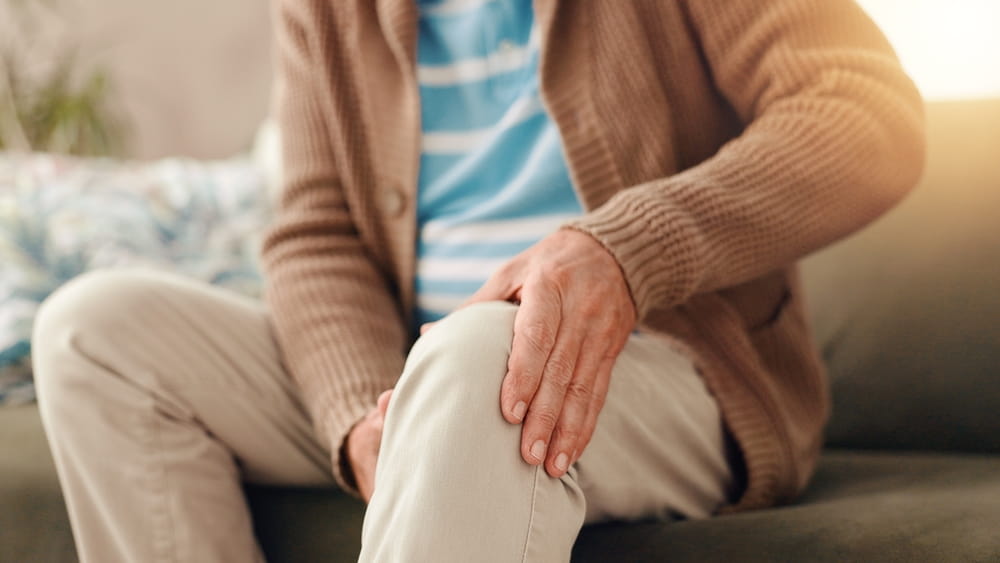
For many people, knee discomfort becomes most noticeable during everyday activities rather than exercise. One of the most common examples is walking down stairs. What seems like a simple movement can suddenly feel uncomfortable, unstable, or sharp in the knee joint.
Unlike walking on level ground, descending stairs places additional pressure on the knees. The joint must control body weight while bending and stabilizing with each step. When certain muscles, tendons, or joint surfaces are irritated, this movement can become noticeably more difficult.
Across Mansfield, Fort Worth, Burleson, and neighboring North Texas communities, people often notice this type of discomfort gradually developing during normal routines at home or work. Lone Star Orthopaedic and Spine Specialists, PLLC, frequently helps explain how everyday movement patterns and joint mechanics contribute to knee pain during stair use.
Why Stairs Place Extra Stress on the Knee
The knee is a weight-bearing joint designed to bend, straighten, and absorb force during movement. When going down stairs, the knee experiences greater pressure than it does during regular walking because the body must carefully lower itself against gravity.
This action relies heavily on the muscles surrounding the knee—particularly the quadriceps at the front of the thigh. These muscles help stabilize the joint and control movement as the knee bends.
At the same time, the kneecap moves along a groove at the end of the thigh bone. If movement in this area becomes irritated or unbalanced, discomfort may occur during stair activity.
Understanding the mechanics of the knee helps explain why stairs can sometimes reveal problems that are less noticeable during other activities.
Muscle Weakness and Joint Strain
Muscle strength plays an important role in protecting the knee joint. When the muscles around the hips, thighs, and lower legs are not supporting movement efficiently, the knee may absorb more stress during activity.
Weakness in the quadriceps can make it harder to control the body while descending stairs. As a result, more pressure may shift directly into the joint itself.
Hip muscles also influence knee alignment. If the hips are not stabilizing properly, the knee may move inward slightly during stair use, increasing strain on certain structures.
These movement patterns often develop gradually, especially after periods of inactivity or reduced exercise.
Irritation Around the Kneecap
Pain around or behind the kneecap is a common source of discomfort during stair use. This type of pain may occur when the kneecap does not move smoothly within its normal pathway.
Repeated bending of the knee during activities such as climbing stairs, squatting, or prolonged sitting may increase irritation in this area.
Because stair descent requires controlled bending under body weight, discomfort related to the kneecap often becomes more noticeable when going downstairs than when walking on flat surfaces.
Joint Stiffness and Reduced Mobility
Stiffness within the knee joint can also contribute to pain during stair activity. Limited flexibility may affect how smoothly the joint moves through its range of motion.
For example, tight muscles in the thighs or calves can alter movement patterns and place extra stress on the knee. Joint stiffness may also make it harder for the body to absorb force evenly while descending stairs.
Many people notice this stiffness after sitting for long periods or first thing in the morning, before movement increases circulation and flexibility.
The Influence of Repetitive Activity
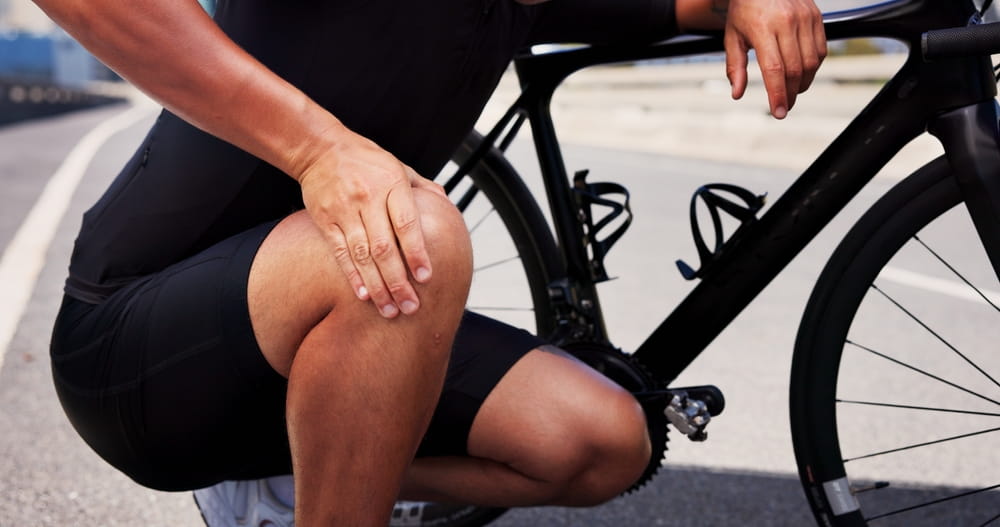
Repetitive movements can gradually increase stress on the knee over time. Activities such as running, frequent stair climbing, or prolonged standing may contribute to irritation in the tissues surrounding the joint.
This type of stress often develops slowly rather than after a single injury. Individuals may first notice mild discomfort that becomes more consistent with continued activity.
Because the knee is involved in nearly every step, repeated strain can affect both the joint surfaces and the surrounding tendons and muscles.
How Alignment Affects Stair Pain
The knee does not function in isolation. It works closely with the hips, ankles, and feet to support movement and balance.
Changes in foot mechanics or hip stability can alter how forces travel through the knee during stair use. For instance, reduced support from the feet or ankles may affect knee alignment during weight-bearing movements.
Learning about related areas such as ankle and foot care can help illustrate how lower-body alignment influences knee function.
These interconnected movement patterns are one reason knee discomfort may have multiple contributing factors.
Signs That Knee Pain May Be Movement-Related
Knee discomfort during stairs often follows recognizable patterns.
Common signs include:
- Pain when walking downstairs
- Discomfort around or behind the kneecap
- Stiffness after sitting for long periods
- Clicking or grinding sensations during movement
- Weakness or instability while descending steps
These symptoms may suggest that movement mechanics, muscle balance, or joint irritation are contributing to discomfort.
Supporting Knee Function Through Movement
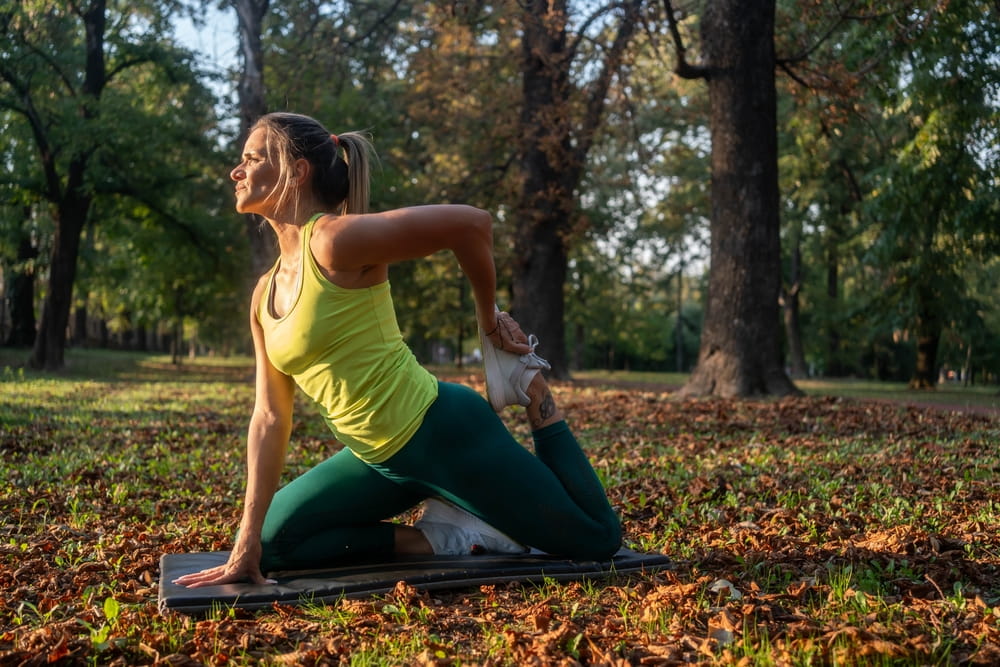
Movement and strengthening exercises often play an important role in supporting knee comfort. Strengthening the muscles surrounding the knee and hips may help improve stability and reduce stress on the joint.
Stretching exercises can also support flexibility in the legs, allowing the knee to move more efficiently during daily activities.
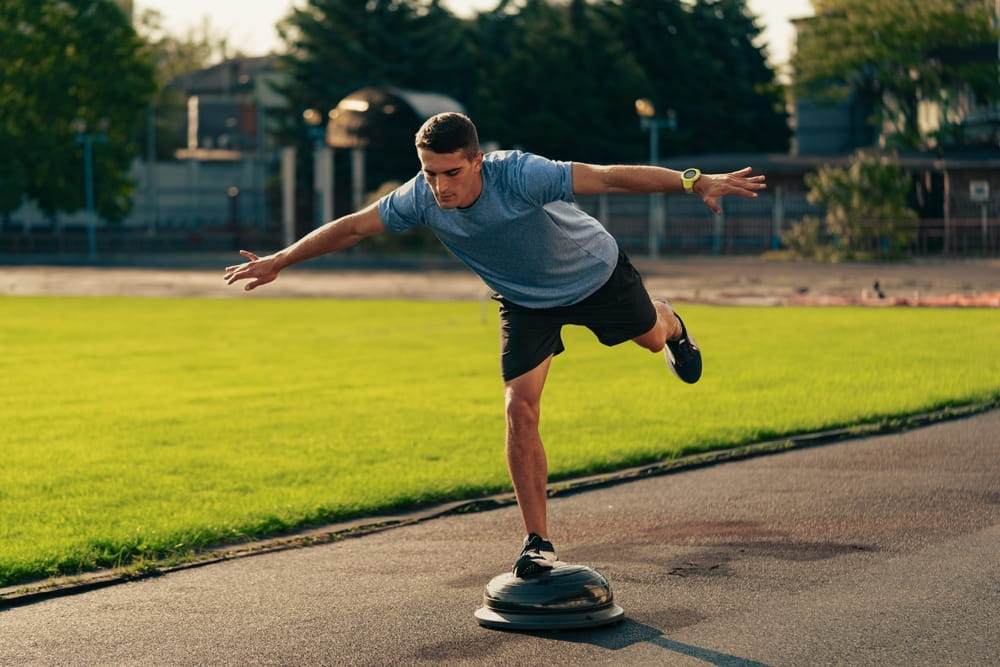
Some individuals benefit from structured movement programs focused on coordination, alignment, and lower-body strength. Physical therapy often emphasize exercises designed to support knee stability and movement quality.
Consistency with these approaches may help improve comfort during everyday activities like stair use.
Understanding Why Stairs Trigger Knee Pain
Heading down a flight of stairs calls for a fairly intricate mix of strength, balance, flexibility, and careful joint control. When any single piece of that system isn’t pulling its weight, the knee tends to pick up the slack by absorbing more stress through each step.
Knee pain that shows up on the stairs rarely traces back to one isolated problem. Far more often, it builds gradually through some blend of muscle weakness, irritation around the joint, stiffness, or subtle shifts in alignment that develop over the years.
What’s interesting is that these symptoms tend to surface during the most routine parts of the day rather than during sports or workouts. For residents in Burleson, Fort Worth, Mansfield, and other parts of North Texas, Lone Star Orthopaedic and Spine Specialists, PLLC works to draw the connection between these movement-related patterns and the underlying mechanics of the knee, offering perspective on why the discomfort sets in and how better movement support may go a long way toward improving long-term joint function.
Sources
Powers, C. M. (2010). The influence of abnormal hip mechanics on knee injury. Journal of Orthopaedic & Sports Physical Therapy.
Crossley, K. M., van Middelkoop, M., Callaghan, M. J., et al. (2016). Patellofemoral pain consensus statement. British Journal of Sports Medicine.
Neogi, T. (2013). The epidemiology and impact of pain in osteoarthritis. Osteoarthritis and Cartilage.