Staying active is one of the most important factors in maintaining independence and quality of life as we age. Movement supports physical health, mental well-being, balance, and confidence, yet many adults begin to limit activity due to joint pain, stiffness, or fear of injury. For individuals in Mansfield, Fort Worth, and Burleson, understanding how orthopaedic care supports active aging can help remove barriers to staying engaged in daily life. Lone Star Orthopaedic and Spine Specialists, PLLC, with clinics located in Texas, emphasizes education to help adults better understand how musculoskeletal health influences mobility at every stage of life. This article explains how orthopaedic principles support active aging and why proactive attention to joints and movement matters.
What Active Aging Really Means
Active aging does not require intense exercise or athletic performance. It refers to maintaining the ability to move comfortably, participate in meaningful activities, and adapt safely to physical changes over time. Walking, gardening, traveling, playing with grandchildren, and maintaining social connections all rely on healthy movement.
As the body ages, natural changes occur in joints, muscles, and bones. Cartilage may thin, muscles may lose strength, and balance may become less reliable. These changes are normal, but they do not mean activity must stop. Understanding how to support the musculoskeletal system allows adults to remain active while respecting the body’s evolving needs.
How Aging Affects Joints and Mobility
Joint health plays a central role in mobility. Over time, repeated use and natural wear can lead to stiffness, reduced flexibility, or discomfort in commonly used joints such as the knees, hips, shoulders, hands, and spine. Degenerative changes may make certain movements feel more difficult or less stable.
Muscle strength and coordination also change with age. Without regular use, muscles that support joints may weaken, increasing stress on joint surfaces. Balance and reaction time may decline as well, raising the risk of falls. These changes highlight why maintaining movement, strength, and coordination is so important for long-term independence.
The Role of Orthopaedic Care in Aging Well
Orthopaedic care focuses on understanding how bones, joints, muscles, and connective tissues work together to support movement. In the context of aging, this approach emphasizes preserving function, managing discomfort, and supporting safe activity rather than simply reacting to injury.
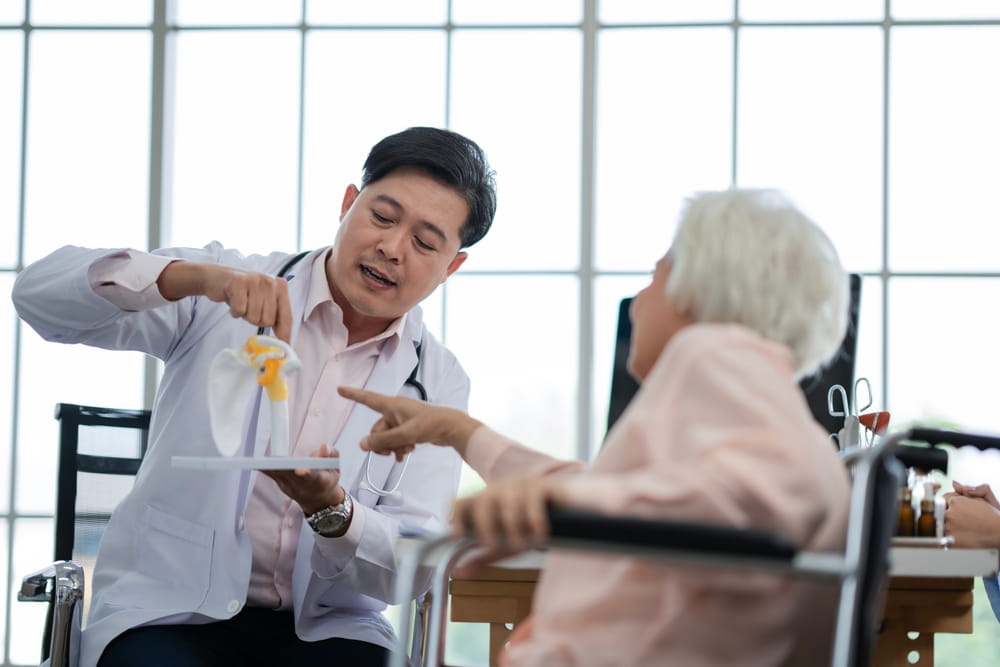
Education is a key component of orthopaedic care. Learning how posture, alignment, and movement patterns affect joint health helps individuals make informed choices about activity. Rather than avoiding movement altogether, orthopaedic principles encourage thoughtful, adaptive activity that supports long-term mobility.
Managing Pain Without Giving Up Activity
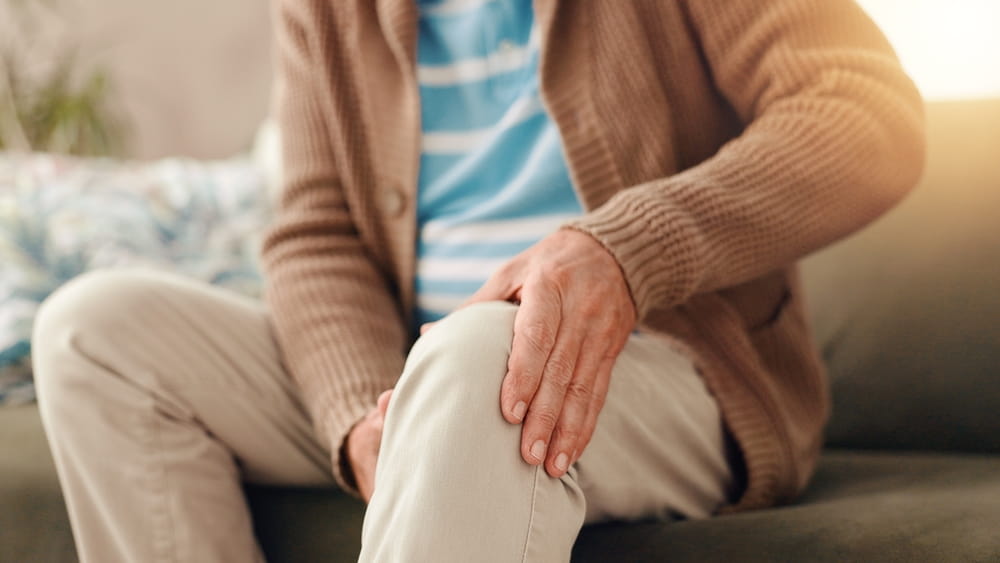
Pain is one of the most common reasons older adults reduce activity levels. Joint pain, back discomfort, or stiffness may lead people to stop walking, exercising, or participating in hobbies they enjoy. Unfortunately, reduced activity often worsens stiffness and weakness over time.
Understanding pain patterns helps distinguish between normal muscle soreness and symptoms that deserve closer attention. Managing pain through education, movement strategies, and joint protection allows individuals to remain active without pushing beyond safe limits. Staying informed helps prevent the cycle of pain, inactivity, and further decline.
Supporting Strength, Balance, and Stability
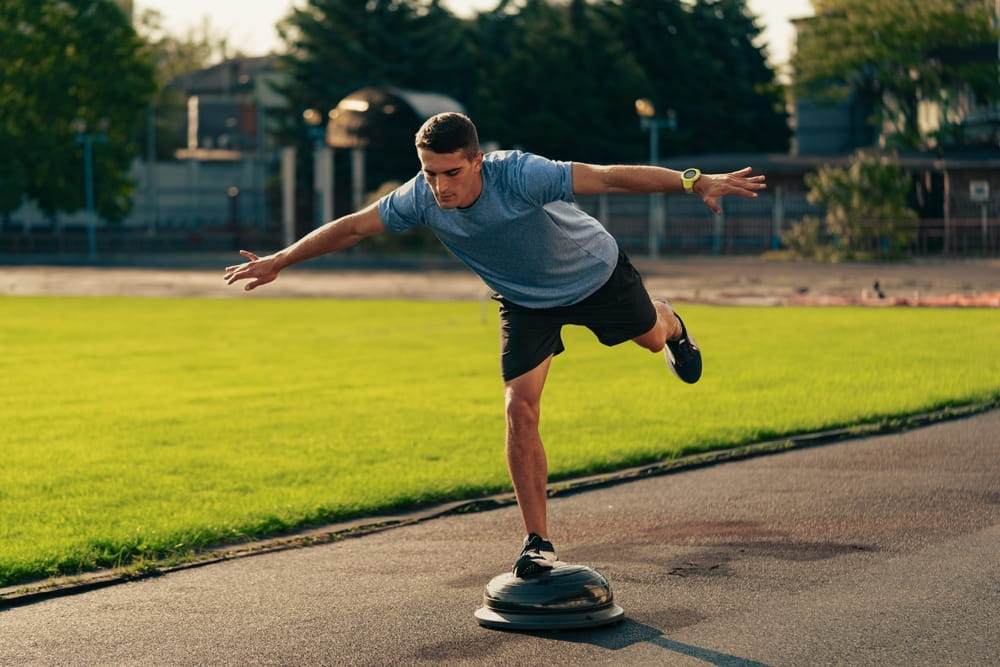
Strength and balance are foundational to active aging. Muscles help absorb impact, protect joints, and stabilize movement, while balance reduces the risk of falls. Orthopaedic care emphasizes maintaining these elements through appropriate, progressive activity.
As strength improves, joints experience less stress during daily tasks such as standing up, climbing stairs, or carrying groceries. Balance-focused movement supports confidence and reduces fear of falling, which is a common barrier to staying active later in life. Together, strength and balance help maintain independence.
Addressing Spine Health With Age
The spine plays a critical role in posture, balance, and overall movement. Age-related changes in spinal discs and joints may contribute to stiffness, reduced flexibility, or discomfort. Poor posture can further increase strain on spinal structures and surrounding muscles.
Understanding spinal mechanics helps adults make adjustments that support comfort, such as modifying sitting positions, lifting techniques, or daily movement habits. Supporting spinal health allows for better alignment, improved balance, and more efficient movement throughout the body.
Adapting Activities Instead of Avoiding Them
One of the most important concepts in active aging is adaptation. Activities may need to change over time, but they do not need to disappear entirely. Adjusting intensity, duration, or technique allows individuals to remain engaged while protecting joints.
For example, shorter walks taken more frequently may replace long distances, or low-impact activities may substitute for higher-impact ones. Adapting activities supports consistency, which is more beneficial for long-term health than occasional intense effort followed by long periods of inactivity.
Preventing Injuries Through Awareness and Preparation
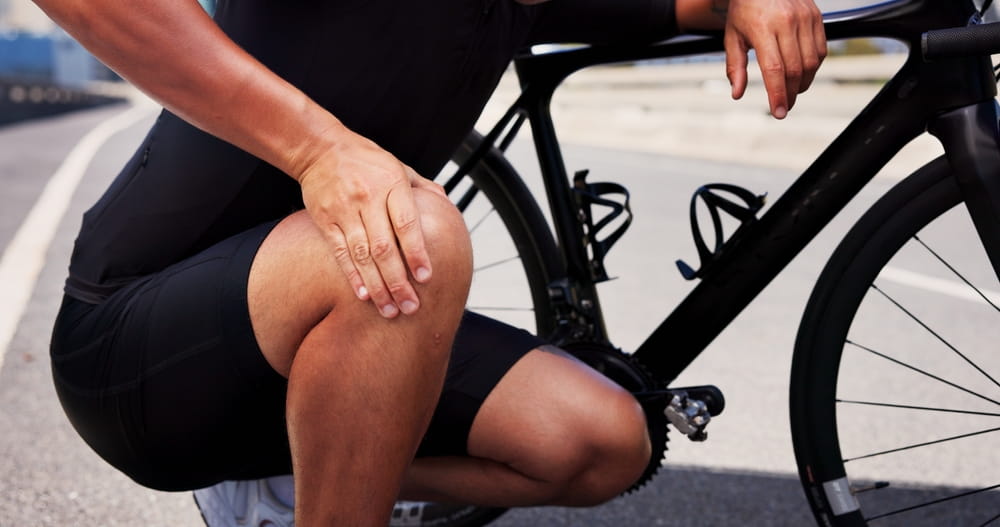
Injury prevention becomes increasingly important with age, as recovery times may lengthen. Awareness of body signals, proper warm-up, and gradual progression all help reduce injury risk. Orthopaedic education supports understanding of how everyday movements affect joint stress.
Falls are a particular concern for older adults. Maintaining leg strength, balance, and awareness of environmental hazards can significantly reduce fall risk. Injury prevention strategies support confidence and allow individuals to stay active without unnecessary fear.
The Connection Between Movement and Independence
Mobility is closely tied to independence. The ability to move comfortably supports self-care, social engagement, and emotional well-being. When movement becomes limited, individuals may rely more heavily on others, which can affect confidence and quality of life.
Orthopaedic principles support independence by helping individuals understand how to care for their joints and movement patterns over time. Proactive attention to musculoskeletal health allows adults to remain engaged in the activities that matter most to them.
Active Aging
Active aging is not about avoiding change, but about understanding it and responding thoughtfully. Orthopaedic care supports this process by emphasizing education, movement awareness, and long-term joint health. Knowledge empowers individuals to adapt safely while continuing to live full, active lives.
For adults in Mansfield, Fort Worth, and Burleson, Lone Star Orthopaedic and Spine Specialists, PLLC, with clinics located in Texas, remains committed to providing educational guidance that helps individuals understand how musculoskeletal health supports aging well. Staying informed about joint health, movement, and prevention strategies can help adults remain active, confident, and independent at any age.
Sources
Cruz-Jentoft, A. J., et al. (2019). Sarcopenia: Revised European consensus on definition and diagnosis. Age and Ageing.
Hunter, D. J., & Bierma-Zeinstra, S. (2019). Osteoarthritis. The Lancet.
Paterson, D. H., & Warburton, D. E. R. (2010). Physical activity and functional limitations in older adults. Canadian Journal of Applied Physiology.