Scheduling a first orthopaedic visit can feel unfamiliar, especially if pain, stiffness, or mobility concerns have started to affect daily life. Many people are unsure what will happen during the appointment or how to prepare, which can add unnecessary stress. For people in Mansfield, Fort Worth, and Burleson, TX, understanding what typically occurs during an initial orthopaedic visit can help set expectations and ease anxiety. Lone Star Orthopaedic and Spine Specialists, PLLC emphasizes patient education so individuals can feel informed and prepared when taking this important step in addressing musculoskeletal concerns.
The Purpose of an Initial Orthopaedic Visit
The first orthopaedic visit is focused on understanding the full picture of a patient’s symptoms and how they affect everyday function. Rather than concentrating only on where pain is felt, the visit looks at movement patterns, joint health, and how different areas of the body may be contributing to discomfort.
This appointment is as much about listening as it is about evaluation. The goal is to gather information, clarify concerns, and determine what factors may be influencing symptoms. A clear understanding at the outset supports more informed discussions about next steps.
Discussing Symptoms and Medical History
A detailed conversation is a key part of the first visit. Patients are typically asked to describe their symptoms, including when they began, what makes them better or worse, and how they affect daily activities such as walking, working, or sleeping. Sharing whether symptoms developed gradually or followed an injury can provide valuable context.
Medical history is also reviewed, including prior injuries, surgeries, or ongoing conditions that may influence musculoskeletal health. Medications, activity levels, and lifestyle factors may be discussed as well. This information helps place current symptoms within a broader health framework rather than viewing them in isolation.
The Physical Examination Process
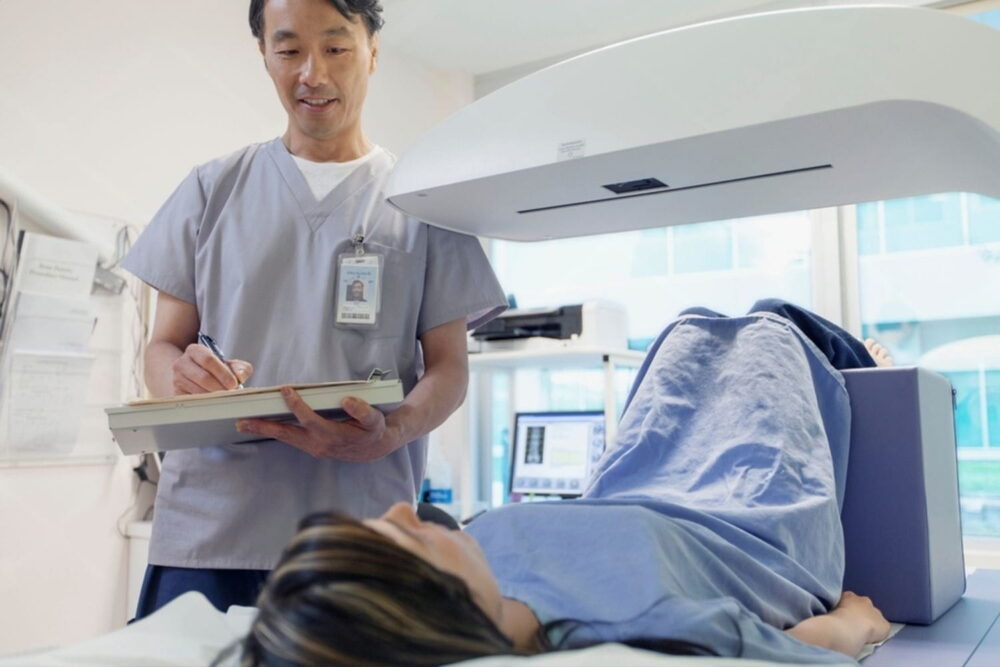
The physical examination allows specialists to observe how the body moves and responds. This may include evaluating posture, walking patterns, joint range of motion, strength, and flexibility. Gentle movements or specific tests help identify areas of tenderness, stiffness, or instability.
The examination is typically interactive. Patients may be asked to point out where pain occurs or perform simple movements that reproduce symptoms. This process helps differentiate between muscle, joint, tendon, or nerve-related issues and supports a more accurate understanding of what may be contributing to discomfort.
How Imaging and Testing May Be Used
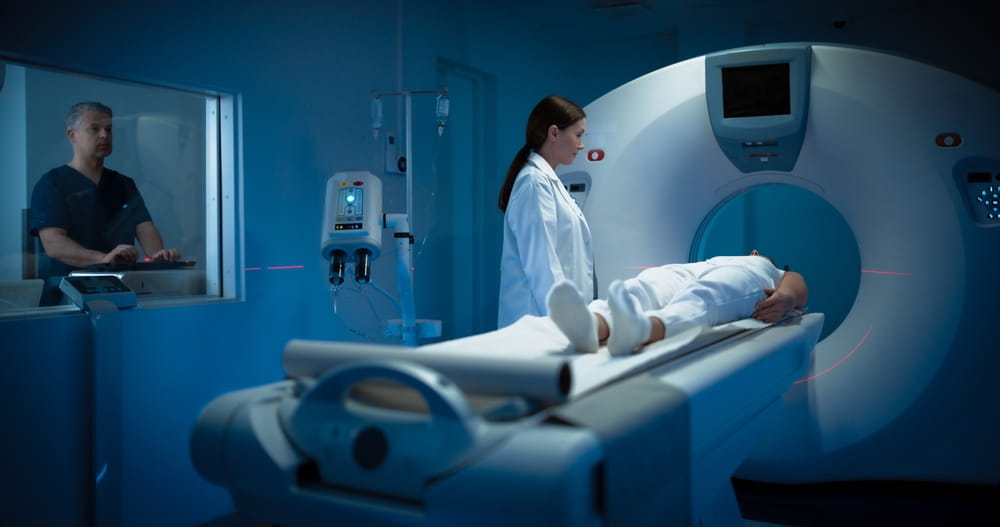
Imaging is not always part of the first visit, but it may be discussed if symptoms suggest deeper structural involvement. X-rays, MRI scans, or other imaging tools can provide additional information about bones, joints, or soft tissues when needed.
Testing is used thoughtfully rather than routinely. Decisions about imaging are based on symptom patterns, physical findings, and how long symptoms have been present. Understanding that imaging is one part of the evaluation process helps patients know why it may or may not be recommended right away.
Asking Questions and Sharing Concerns
The first orthopaedic visit is an opportunity for patients to ask questions and express concerns openly. Topics may include activity limitations, work demands, hobbies, or goals related to movement and comfort. Sharing what matters most helps guide conversations in a meaningful way.
Patients are encouraged to mention any worries about pain progression, mobility, or long-term impact. Open communication supports shared understanding and ensures that discussions are aligned with individual needs and priorities.
Discussing Possible Next Steps
After gathering information, the visit often concludes with a discussion about possible next steps. This may include additional evaluation, lifestyle adjustments, activity modification, or monitoring symptoms over time. In some cases, follow-up appointments or further testing may be suggested to gain clarity.
It is important to understand that a first visit does not always result in immediate answers or decisions. Sometimes, the goal is to gather enough information to determine the most appropriate path forward thoughtfully and safely.
What You Can Do to Prepare
Preparation can make the first orthopaedic visit more productive. Bringing relevant medical records, prior imaging reports, or a list of medications can help provide useful background. Writing down symptoms, questions, or concerns ahead of time may also be helpful.
Wearing comfortable clothing that allows easy movement can support the physical examination process. Being ready to discuss daily activities, work demands, and recreational interests helps provide context for how symptoms affect quality of life.
Managing Expectations About the First Visit
It is natural to hope for quick solutions, but orthopaedic evaluation often focuses on understanding patterns rather than rushing to conclusions. Some conditions require observation over time, while others benefit from gradual adjustments rather than immediate intervention.
Managing expectations helps reduce frustration and supports a more collaborative experience. Viewing the first visit as the beginning of a process rather than a single event encourages patience and engagement.
The Value of Early Evaluation
Seeking orthopaedic evaluation early can help prevent minor issues from becoming more limiting over time. Understanding movement patterns, joint mechanics, and contributing factors supports earlier awareness and informed decision-making.
Early evaluation also helps individuals avoid unnecessary compensation patterns that may strain other areas of the body. Knowledge gained during the first visit can support healthier movement habits moving forward.
Feeling Confident Moving Forward
A first orthopaedic visit is an important step toward understanding musculoskeletal health and addressing concerns thoughtfully. Knowing what to expect can help reduce uncertainty and allow patients to focus on clear communication and informed participation.
For Texas residents in the Mansfield, Fort Worth, and Burleson areas, Lone Star Orthopaedic and Spine Specialists, PLLC provides educational guidance that helps patients feel prepared and confident throughout the evaluation process. Understanding what happens during an initial orthopaedic visit supports informed choices, clearer expectations, and a more comfortable path forward.
Sources
Deyo, R. A., & Weinstein, J. N. (2001). Low back pain. New England Journal of Medicine.
Woolf, A. D., & Pfleger, B. (2003). Burden of major musculoskeletal conditions. Bulletin of the World Health Organization.
Hochberg, M. C., et al. (2012). American College of Rheumatology guidelines for the management of osteoarthritis. Arthritis Care & Research.