Maintaining balance and stability becomes increasingly important as people age or experience changes in mobility. Falls are one of the most common events that can disrupt independence, limit activity, and affect confidence in everyday movement. Because balance depends heavily on the strength and coordination of the musculoskeletal system, orthopaedic health plays a meaningful role in preventing these incidents.
Bones, joints, muscles, and connective tissues work together to help the body stay upright and responsive during movement. When these structures function efficiently, they allow a person to adjust quickly to uneven ground, shifting weight, or unexpected obstacles. When weakness, stiffness, or joint instability develops, everyday activities can become more challenging.
Educational insights from practices such as Lone Star Orthopaedic and Spine Specialists, PLLC in Texas highlight how maintaining musculoskeletal health can support stability and reduce fall risk. Understanding the relationship between joint function, muscle strength, and balance can help individuals make choices that protect long-term mobility.
The Connection Between Musculoskeletal Health and Balance
Balance relies on multiple body systems working together. The brain, inner ear, and visual system all contribute to spatial awareness, but the musculoskeletal system provides the structural support that allows these signals to translate into movement.
Strong muscles stabilize the joints and help the body respond quickly when balance shifts. Flexible joints allow the body to adapt to changes in surface height, direction, and posture. Without these physical capabilities, it becomes more difficult to maintain control during movement.
For example, when stepping on uneven pavement, the ankle and knee must adjust quickly to maintain balance. If the joints lack mobility or the surrounding muscles are weak, that adjustment may occur more slowly, increasing the likelihood of losing stability.
Resources discussing general orthopaedic care often highlight how maintaining joint mobility and muscular strength contributes to smoother, more confident movement in daily life.
The Role of Joint Health in Maintaining Stability
Joints act as the body’s mechanical connectors, allowing the limbs to move while supporting weight and maintaining alignment. Healthy joints move smoothly and help absorb impact during walking, standing, and climbing stairs.
When joint mobility becomes limited, movement patterns may change. A person might shorten their stride, shift their weight unevenly, or move more cautiously. These subtle adjustments can disrupt the body’s natural balance mechanisms.
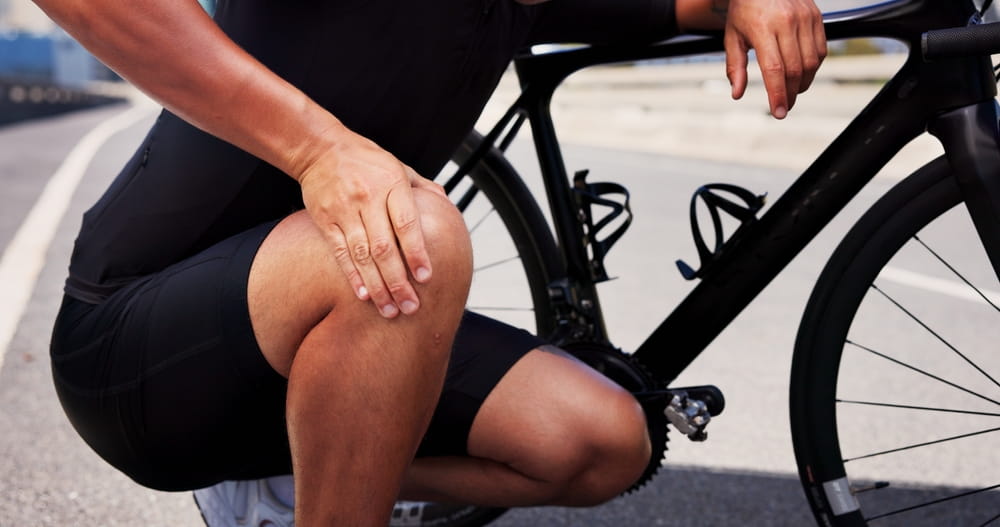
The knees and hips are particularly important for maintaining stability. They control how the body transfers weight during walking and help maintain upright posture. Weakness or discomfort in these areas may alter the way a person moves, potentially increasing fall risk.
Learning more about joint health, including the importance of maintaining strong and stable knee function, can provide helpful perspective on how orthopaedic care contributes to safe movement.
Muscle Strength and Its Impact on Fall Prevention
Muscles play an essential role in maintaining balance. They act as stabilizers that support joints and allow the body to react quickly to unexpected changes in movement.
The muscles surrounding the hips, thighs, and lower legs are especially important for balance. These muscle groups help control posture, guide walking patterns, and support transitions such as standing up or sitting down.
When muscles weaken, movements may become slower or less coordinated. The body may struggle to correct itself if balance shifts suddenly. Strengthening exercises can help restore this protective response by improving muscle control and endurance.
Movement-focused approaches often emphasize strengthening and flexibility as part of maintaining musculoskeletal health. Programs associated with physical therapy frequently focus on improving coordination, balance, and muscle stability.
Posture, Alignment, and Everyday Stability
Posture plays a surprisingly large role in balance. Proper alignment allows body weight to distribute evenly across the joints and muscles, making movement more efficient.
When posture shifts forward or becomes uneven, the body’s center of gravity changes. This altered positioning requires muscles to work harder to maintain stability, which can lead to fatigue and decreased coordination.
For instance, a forward-leaning posture may place additional strain on the hips and knees. Over time, these changes may influence walking patterns and increase the likelihood of losing balance.
Maintaining proper alignment helps the body move smoothly and respond more effectively to environmental changes. Simple habits such as standing upright, engaging core muscles, and maintaining awareness of posture can contribute to improved stability.
Lifestyle Habits That Help Reduce Fall Risk
Daily routines and lifestyle choices also influence fall risk. Simple adjustments in activity and environment can support musculoskeletal health and reinforce the body’s natural balance systems.
Some helpful habits include:
- Engaging in regular physical activity that strengthens the legs and core.
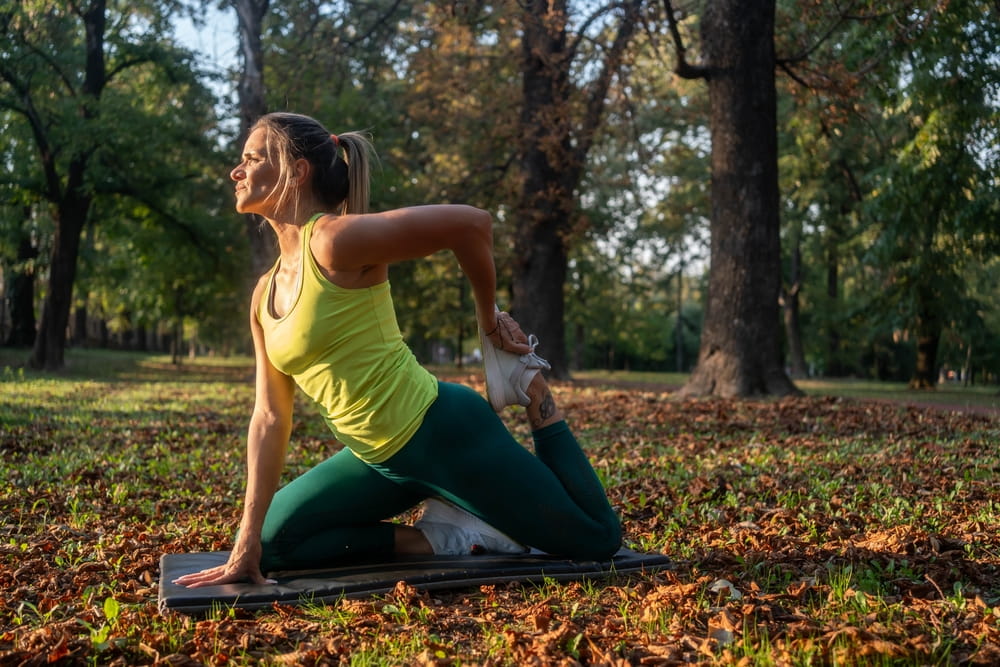
- Stretching muscles that support the ankles, hips, and calves.
- Wearing supportive shoes with good traction.
- Keeping living spaces free from clutter and trip hazards.
- Taking time to stand up slowly from seated positions.
These practices help maintain coordination and reduce situations that might challenge balance unnecessarily.
Confidence and Movement Go Hand in Hand
Confidence plays an often-overlooked role in preventing falls. When individuals feel secure in their ability to move safely, they are more likely to remain active.
Activity itself strengthens muscles, supports joint mobility, and reinforces coordination. Avoiding movement out of concern about falling can gradually lead to muscle weakness and stiffness, which may increase fall risk.
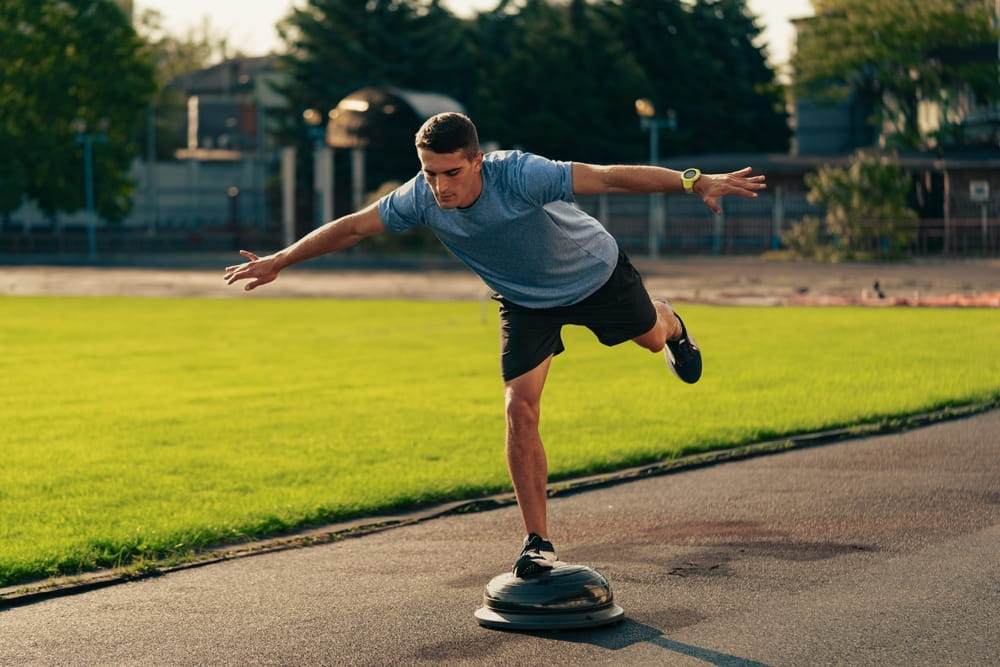
Engaging in safe physical activities such as walking, gentle stretching, and balance exercises can help maintain both physical and psychological confidence in movement.
Over time, these habits contribute to stronger muscles, improved coordination, and a greater sense of stability during daily activities.
Supporting Long-Term Stability
Fall prevention is closely connected to the health of the musculoskeletal system. Strong bones, flexible joints, and responsive muscles provide the physical foundation that allows the body to maintain balance.
Orthopaedic care focuses on preserving this foundation by emphasizing strength, mobility, and alignment. These elements work together to help individuals maintain confidence in everyday movements, from walking outdoors to navigating stairs at home.
For those in Texas, educational guidance from Lone Star Orthopaedic and Spine Specialists, PLLC encourages awareness of how joint and muscle health influences stability. By understanding how the body maintains balance and taking steps to support musculoskeletal wellness, individuals can help reduce fall risk and maintain active, independent lifestyles.
Sources
Ambrose, A. F., Paul, G., & Hausdorff, J. M. (2013). Risk factors for falls among older adults: A review of the literature. Maturitas.
Sherrington, C., Michaleff, Z. A., Fairhall, N., et al. (2017). Exercise to prevent falls in older adults: An updated systematic review and meta-analysis. British Journal of Sports Medicine.
Rubenstein, L. Z. (2006). Falls in older people: Epidemiology, risk factors and strategies for prevention. Age and Ageing.