Osteoporosis is often called a “silent condition” because bone loss can occur without noticeable symptoms until a fracture happens. For many adults, especially as they age, maintaining bone strength becomes essential to preserving mobility, independence, and quality of life. For individuals in Mansfield, Fort Worth, and Burleson, understanding how osteoporosis is managed can help reduce uncertainty and support proactive bone health decisions. Lone Star Orthopaedic and Spine Specialists, PLLC emphasizes education to Texas residents so individuals can better understand bone health, fracture risk, and long-term musculoskeletal resilience.
Understanding Osteoporosis and Bone Loss
Osteoporosis is a condition characterized by decreased bone density and changes in bone structure that make bones more fragile. Healthy bone is constantly being broken down and rebuilt, but as people age, this balance can shift. When bone breakdown occurs faster than bone formation, bones gradually lose strength.
This process often develops over many years. Because bone loss does not usually cause pain, individuals may be unaware of changes until a fracture occurs. Common fracture sites include the hip, spine, and wrist, all of which play critical roles in mobility and daily function. Understanding how osteoporosis develops helps explain why prevention and early management are so important.
Why Fracture Prevention Matters
Fractures related to osteoporosis can have lasting effects beyond the initial injury. A hip fracture, for example, may significantly affect walking ability and independence. Spinal compression fractures can lead to chronic pain, posture changes, and reduced lung capacity.
Preventing fractures helps protect overall health, not just bone integrity. Maintaining mobility supports cardiovascular health, balance, and mental well-being. Fracture prevention strategies focus on strengthening bones, reducing fall risk, and addressing factors that contribute to bone loss.
Risk Factors That Influence Bone Health
Several factors influence the likelihood of developing osteoporosis. Age is a major factor, as bone density naturally decreases over time. Hormonal changes, particularly after menopause, can accelerate bone loss. Family history, low body weight, and certain medical conditions may also increase risk.
Lifestyle factors play a role as well. Limited physical activity, poor nutrition, smoking, and excessive alcohol intake can negatively affect bone strength. Long-term use of certain medications may also influence bone density. Recognizing these factors helps individuals understand why bone health strategies are often personalized rather than one-size-fits-all.
How Osteoporosis Is Identified and Monitored
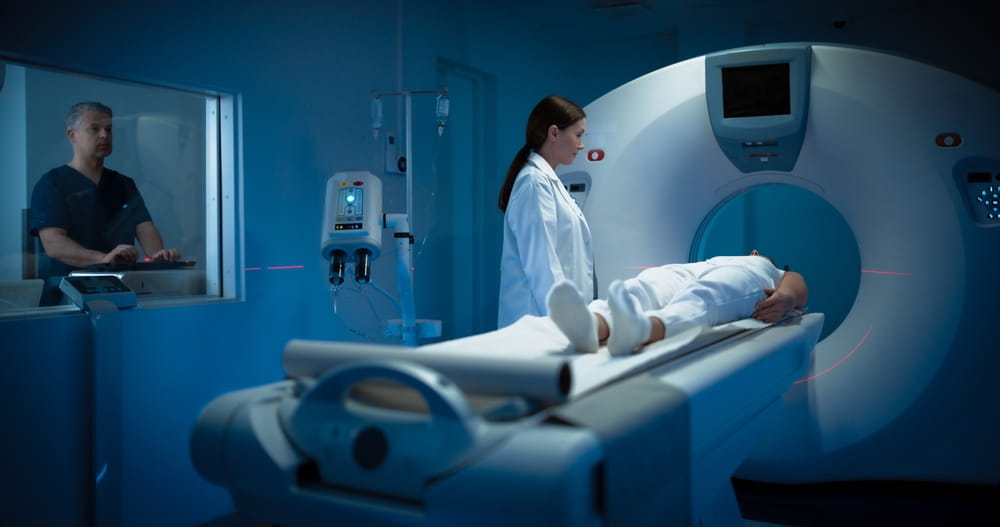
Bone density testing is commonly used to assess bone strength and fracture risk. These scans measure how dense bones are compared to expected values for age and sex. Results help identify osteoporosis or lower-than-normal bone density before fractures occur.
Monitoring bone density over time provides insight into how bone health changes and how effective management strategies may be. Educational information related to osteoporosis-focused care helps individuals understand how bone density results are interpreted and why regular monitoring may be recommended.
Lifestyle Strategies That Support Strong Bones
Lifestyle choices play a significant role in managing osteoporosis. Weight-bearing and resistance-based activities help stimulate bone formation by placing healthy stress on bones. Activities such as walking, strength training, and balance exercises support both bone strength and fall prevention.
Nutrition is equally important. Adequate intake of calcium and vitamin D supports bone structure and mineralization. Maintaining muscle strength through activity also helps protect bones by improving stability and reducing fall risk. These strategies work together to support overall skeletal health.
Reducing Fall Risk to Prevent Fractures
Falls are a leading cause of fractures in individuals with osteoporosis. Even minor falls can result in injury when bones are fragile. Fall prevention focuses on balance, strength, and environmental awareness.
Improving balance through targeted movement helps reduce instability. Ensuring proper footwear, adequate lighting, and clear walking paths at home also lowers fall risk. Attention to vision and reaction time further supports safety. Preventing falls is just as important as improving bone density when it comes to fracture prevention.
The Role of the Spine in Osteoporosis Management
The spine is particularly vulnerable to osteoporosis-related fractures. Compression fractures in the vertebrae may occur with minimal force and can lead to height loss or curvature changes over time. These changes may affect posture, balance, and breathing mechanics.
Understanding spinal health helps individuals recognize why posture awareness and core strength matter in osteoporosis management. Supporting spinal alignment reduces strain and helps protect vertebral structures during daily activities such as bending or lifting.
Managing Osteoporosis as a Long-Term Process
Osteoporosis management is not a short-term effort. Bone remodeling occurs slowly, and meaningful changes in bone density take time. Consistency with movement, nutrition, and monitoring supports gradual improvements or stabilization of bone loss.
Symptoms and fracture risk may fluctuate, making ongoing awareness important. Understanding that osteoporosis management is an ongoing process helps individuals stay engaged and realistic about expectations while focusing on long-term bone protection.
The Connection Between Bone Health and Overall Mobility
Strong bones support confident movement. When individuals feel secure in their balance and strength, they are more likely to stay active. Activity, in turn, supports muscle health, coordination, and joint stability, creating a positive cycle for overall mobility.
Conversely, fear of fractures may lead to reduced activity, which can accelerate muscle weakness and balance loss. Education helps individuals understand how safe, appropriate movement supports bone health rather than putting it at risk.
Osteoporosis Management
Managing osteoporosis effectively involves understanding bone health, recognizing risk factors, and supporting the body through consistent habits that protect strength and stability. Education empowers individuals to approach bone health proactively rather than reactively after injury.
For adults in Mansfield, Fort Worth, and Burleson, Lone Star Orthopaedic and Spine Specialists, PLLC, offers guidance to Texas patients and helps people understand osteoporosis and reduce fracture risk. Education on osteoporosis leads to stronger bones, improved confidence, and long-term mobility.
Sources
Kanis, J. A., et al. (2019). European guidance for the diagnosis and management of osteoporosis. Osteoporosis International.
Cosman, F., et al. (2014). Clinician’s guide to prevention and treatment of osteoporosis. Osteoporosis International.
Compston, J. E., McClung, M. R., & Leslie, W. D. (2019). Osteoporosis. The Lancet.