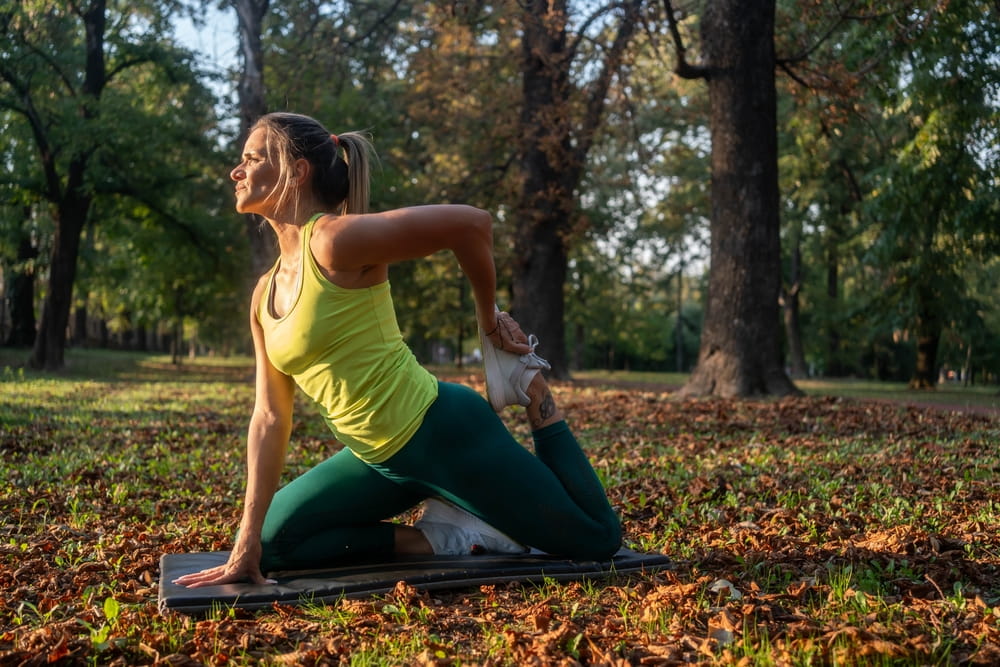
Hip tightness is something many people experience, whether they spend long hours sitting at a desk, participate in sports, or simply notice that certain movements no longer feel as comfortable as they once did. Often, the sensation develops gradually. A person may first notice stiffness when standing up after sitting, difficulty bending comfortably, or reduced flexibility during exercise.
Because the hips play a central role in nearly every movement involving the lower body, restrictions in this area can affect much more than flexibility alone. Tight hips may influence posture, walking mechanics, balance, and overall mobility. Over time, these changes can make everyday activities feel more demanding than they should.
Throughout Mansfield, Fort Worth, Burleson, and surrounding North Texas communities, hip stiffness is a common concern among both active individuals and those with more sedentary routines. Lone Star Orthopaedic and Spine Specialists, PLLC frequently helps patients understand how daily habits, movement patterns, and muscle function contribute to hip tightness and long-term mobility.
Why Hip Mobility Matters
The hips are among the largest and most important joints in the body. They support body weight, absorb force during movement, and allow the legs to move in multiple directions.
Healthy hip mobility helps support walking, climbing stairs, bending, lifting, and athletic activities. When the hips move efficiently, other areas of the body often experience less stress during movement.
Learning more about hip conditions and care helps illustrate why mobility in this joint plays such an important role in overall function.
Because the hips serve as a connection point between the upper and lower body, restrictions here may influence movement throughout the entire musculoskeletal system.
Prolonged Sitting and Hip Tightness
One of the most common contributors to hip tightness is prolonged sitting. Modern work environments, commuting, and screen-based activities often require people to remain seated for long periods.
When sitting, the hip flexor muscles remain in a shortened position. Over time, these muscles may become less flexible, making it more difficult to fully extend the hips during standing and walking.
Many people notice this effect when standing after sitting for an extended period. The hips may feel stiff or require a few moments of movement before feeling comfortable again.
Repeated day after day, prolonged sitting can contribute to long-term mobility limitations.
Muscle Imbalances and Movement Patterns
Hip tightness is not always caused by a lack of stretching. In many cases, muscle imbalances play a significant role.
Certain muscles may become overactive while others become weaker due to repetitive movement patterns or inactivity. As these imbalances develop, the body may rely more heavily on certain muscle groups to stabilize movement.
This can create feelings of tightness even when flexibility is not the primary issue. The body may be using muscle tension as a way to create stability.
Addressing movement quality often helps improve mobility more effectively than stretching alone.
Physical Activity Can Contribute Too
While inactivity is a common cause of tight hips, highly active individuals may also experience tightness.
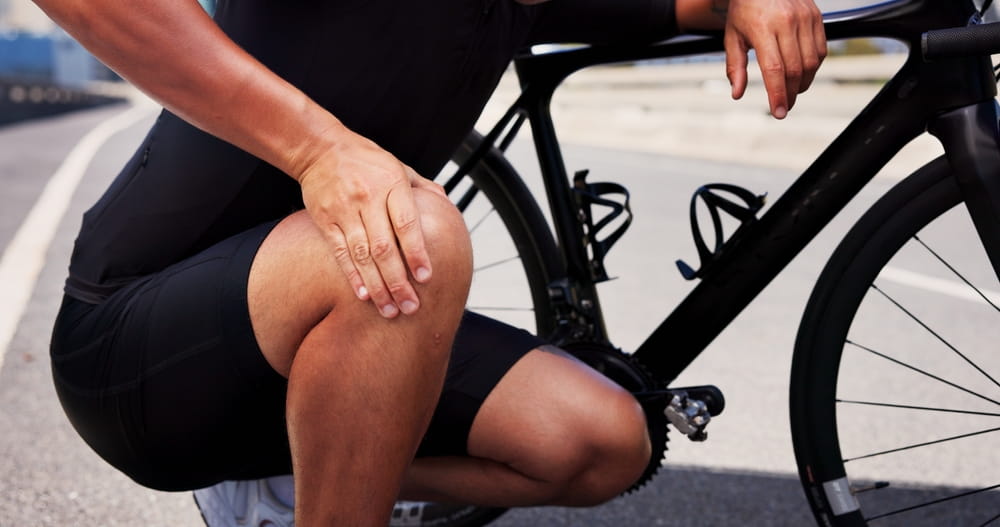
Sports that involve running, cycling, jumping, or repetitive lower-body movements place repeated demands on the hip muscles. Without adequate recovery and mobility work, these muscles may become tight over time.
Athletes often notice hip stiffness developing gradually, particularly during periods of increased training volume.
Balancing activity with recovery and flexibility work helps support healthy movement patterns.
How Tight Hips Affect Other Areas
The body functions as a connected system, which means hip mobility often influences surrounding joints and muscles.
When the hips cannot move efficiently, nearby structures may compensate. The lower back, knees, and even ankles may experience additional stress during everyday activities.
For example, limited hip mobility may alter walking mechanics or change how the body bends and lifts objects. Over time, these compensations can affect overall movement efficiency.
This is one reason why addressing hip mobility often benefits more than the hips alone.
The Connection Between Hip Tightness and Posture
Hip mobility plays an important role in posture. Tight hip flexors may contribute to changes in pelvic positioning, which can influence spinal alignment and overall body mechanics.
When the pelvis shifts, the lower back may compensate by increasing or decreasing its natural curve. These adjustments can affect how forces are distributed throughout the body.
Because posture reflects how multiple joints and muscles work together, improving hip mobility often supports better overall alignment.
Recognizing Signs of Limited Hip Mobility
Hip tightness often develops gradually rather than appearing suddenly.
Common signs may include:
- Stiffness after sitting for extended periods
- Difficulty bending or squatting comfortably
- Reduced flexibility during exercise
- Tightness in the front of the hips
- Changes in walking or movement patterns
Recognizing these patterns can help individuals better understand how mobility limitations may be affecting daily function.
Improving Hip Flexibility and Movement
Improving hip mobility generally involves a combination of movement, flexibility work, and muscle strengthening. Consistent activity helps maintain circulation and encourages joints to move through their intended range of motion.
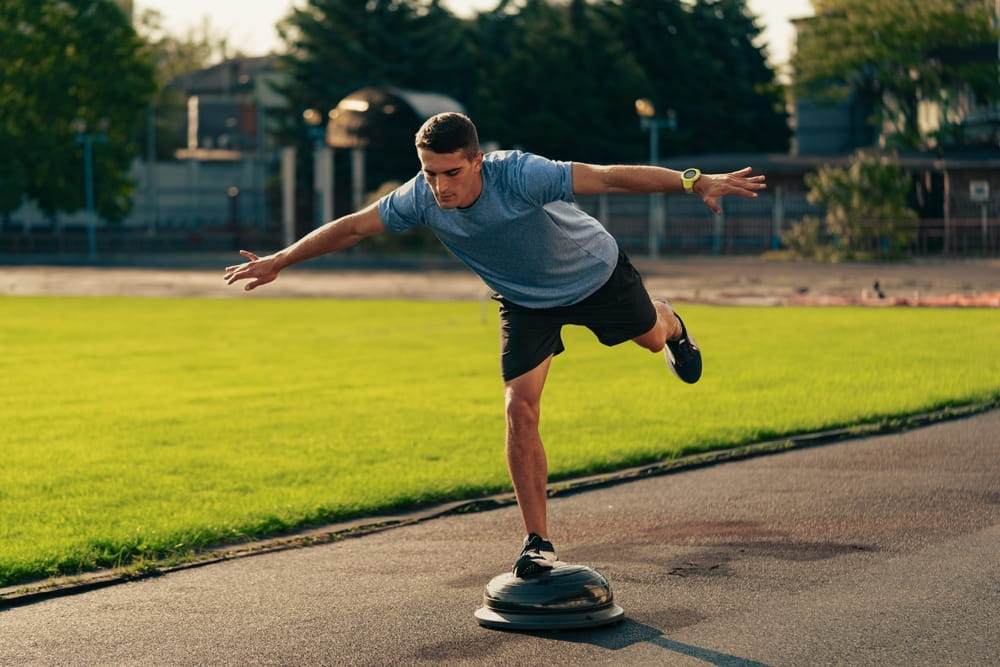
Gentle stretching can help improve flexibility, while strengthening exercises support stability and movement control. Both components are important because mobility depends on flexibility and strength working together.
Many individuals benefit from structured approaches that focus on movement quality and functional mobility. Resources related to physical therapy often emphasize exercises designed to improve flexibility, coordination, strength, and overall movement efficiency.
Lifestyle Habits Influence Long-Term Mobility
Daily routines have a significant impact on how the hips feel over time. Small habits repeated consistently often matter more than occasional stretching sessions.
Regular movement breaks, varied physical activity, and attention to posture can help support long-term mobility. Even simple actions such as standing more frequently throughout the day may help reduce the effects of prolonged sitting.
Resources related to lifestyle guidance often focus on sustainable habits that support overall musculoskeletal health and long-term mobility.
Why Healthy Hips Support Healthy Movement
Because tight hips can stem from sitting, training load, weakness, or imbalanced movement patterns, the solution is rarely just more stretching. Lasting improvement usually combines three ingredients: regular movement that keeps the joints working through their full range, targeted flexibility work for genuinely shortened muscles, and strengthening that gives the body stability it does not have to create through tension.
Consistency beats intensity here; a few minutes of daily attention outperforms an occasional ambitious session. And since hip mobility influences the back, knees, and overall posture, the benefits of that consistency tend to show up well beyond the hips themselves.
Helping people trace those connections is a regular part of the work at Lone Star Orthopaedic and Spine Specialists, PLLC, where patients across Mansfield, Fort Worth, and Burleson, TX, learn that freeing up the body’s central crossroads often improves how the whole system moves.
Sources
Neumann, D. A. (2017). Kinesiology of the Musculoskeletal System: Foundations for Rehabilitation. Elsevier.
Page, P. (2012). Current concepts in muscle stretching for exercise and rehabilitation. International Journal of Sports Physical Therapy.
McGill, S. M. (2015). Low Back Disorders: Evidence-Based Prevention and Rehabilitation. Human Kinetics.