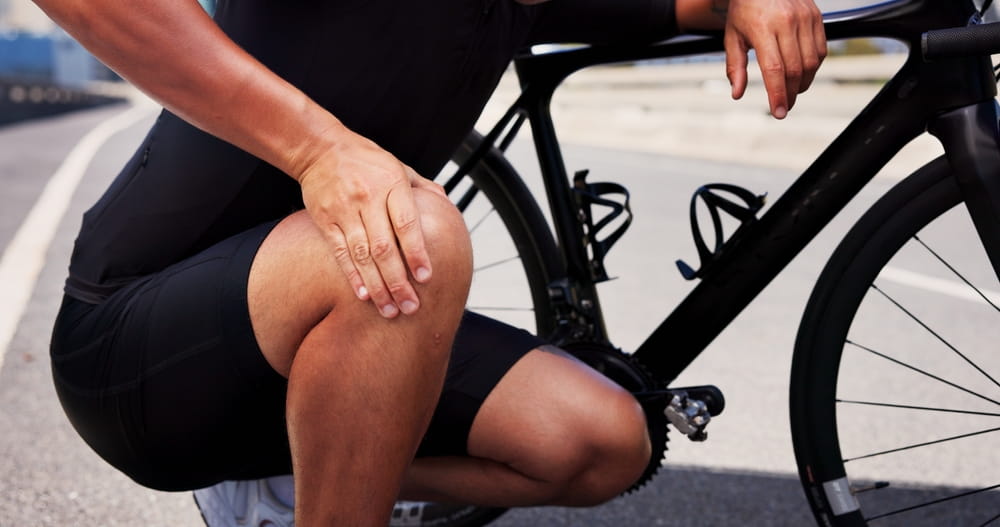
A familiar pattern shows up for many people whenever the thermometer drops. Joints start to feel stiffer, moving around becomes less comfortable, and old aches seem to make their presence known more than they usually do. From knees that feel tight first thing on a cold morning to hips that ache more through the colder stretches of the year, weather-related joint discomfort is something a lot of people can relate to.
Cold weather doesn’t directly bring on joint conditions, but shifts in temperature and atmospheric pressure may have an effect on how the body responds to stiffness or sensitivity that’s already there. Muscles can tighten up, joints may not feel as fluid, and overall movement can take on a heavier, more uncomfortable quality as the temperature falls.
Seasonal changes have a way of bringing joint discomfort into sharper focus for residents throughout the North Texas area. At its Fort Worth, Mansfield, and Burleson offices, Lone Star Orthopaedic and Spine Specialists, PLLC can help explain how colder weather can affect movement, circulation, and joint sensitivity as the months go by.
How Joints Function During Movement
Joints are designed to allow smooth movement between bones while also supporting body weight and absorbing force. Cartilage, ligaments, muscles, and synovial fluid all work together to help joints move efficiently.
Synovial fluid plays an especially important role because it lubricates the joint and reduces friction during movement. Muscles surrounding the joints also help provide stability and shock absorption.
When the body is warm and active, these structures generally move more freely. However, environmental changes—such as colder temperatures—may affect how flexible and responsive the surrounding tissues feel.
Learning more about areas like the hip and other weight-bearing joints helps illustrate why weather-related discomfort often becomes more noticeable during daily activity.
Why Cold Temperatures Can Increase Stiffness
Cold weather may affect muscles, tendons, and connective tissues by causing them to tighten slightly. This tightening can reduce flexibility and make movement feel more restricted.
When muscles are less flexible, joints may feel stiffer or require more effort to move comfortably. Many people notice this sensation most strongly first thing in the morning or after spending time outdoors in colder temperatures.
The body may also naturally reduce circulation to the extremities in colder conditions as it works to preserve core body temperature. Reduced circulation can contribute to feelings of tightness or stiffness in the joints and surrounding muscles.
The Role of Atmospheric Pressure
Some researchers believe changes in barometric pressure may also influence joint discomfort. Atmospheric pressure naturally shifts before weather changes, such as storms or colder fronts.
Lower barometric pressure may allow tissues surrounding the joints to expand slightly, which could increase sensitivity in already irritated joints. While the exact relationship is still being studied, many individuals consistently report noticing increased joint discomfort during weather changes.
This may help explain why symptoms sometimes worsen before cold or rainy weather arrives.
Why Weight-Bearing Joints Often Feel It Most
Weight-bearing joints tend to be especially sensitive during colder weather because they absorb significant force during everyday movement.
The knee joint, for example, handles substantial stress while walking, climbing stairs, or standing for extended periods. If the surrounding muscles become tight or the joint already has some degree of irritation, colder conditions may make those symptoms feel more noticeable.
Similarly, the hips and lower back may feel stiffer during colder months because they play such an important role in posture and movement.
Reduced Activity During Cold Weather
Another factor that may contribute to increased discomfort is reduced physical activity. During colder months, many people naturally become less active or spend more time indoors.
Less movement can lead to increased stiffness because joints and muscles benefit from regular activity to maintain flexibility and circulation.
When movement decreases, muscles may tighten and joints may become less mobile. This can create a cycle where stiffness discourages activity, which then contributes to additional stiffness over time.
Muscles and Joint Support
Strong muscles help support joints by distributing force more evenly during movement. When muscles become tight or fatigued, joints may absorb more stress directly.
Cold weather may affect how efficiently muscles warm up and move during activity. Without proper movement preparation, the body may feel stiffer and less responsive.
Gentle movement and stretching often help increase circulation and improve flexibility, making joints feel more comfortable during colder conditions.
Common Signs of Weather-Related Joint Discomfort
Joint sensitivity during cold weather often follows recognizable patterns.
Common experiences include:
- Increased stiffness in the morning
- Aching joints during colder temperatures
- Reduced flexibility after inactivity
- Greater discomfort before weather changes
- Tightness that improves with movement
These symptoms often fluctuate depending on activity level, temperature exposure, and overall joint health.
Supporting Joint Comfort During Colder Months
Maintaining movement is one of the most important ways to support joint comfort during colder weather. Gentle activity helps improve circulation and keeps muscles and joints more flexible.
Helpful strategies may include:
- Stretching regularly
- Staying physically active indoors or outdoors
- Dressing warmly to support muscle flexibility
- Performing light warm-up movements before activity
- Avoiding long periods of inactivity
These habits may help reduce stiffness and support smoother movement during colder conditions.
Some individuals also benefit from broader approaches focused on movement mechanics and flexibility. Resources related to physical therapy often emphasize exercises that support mobility and joint stability throughout seasonal changes.
Why Weather Can Change How Joints Feel
Cold weather does not necessarily create joint problems, but it can make existing stiffness or sensitivity more noticeable. Changes in muscle flexibility, circulation, activity levels, and atmospheric pressure may all influence how joints respond during colder conditions.
Because the body’s joints and muscles work together continuously throughout daily movement, even subtle environmental changes can affect overall comfort and mobility.
For those living across North Texas, including in Burleson, Fort Worth, and Mansfield, seasonal shifts tend to make themselves felt most during the simplest parts of the day, whether that’s walking around, standing for a stretch, or trying to get moving in the morning. Lone Star Orthopaedic and Spine Specialists, PLLC, takes a closer look at how these common experiences relate to the mechanics of joint function, sharing insight into why colder weather may have a hand in stiffness and how staying consistent with movement can contribute to long-term mobility and comfort.
Sources
Patberg, W. R., & Rasker, J. J. (2004). Weather effects in rheumatoid arthritis: From controversy to consensus. A review. Journal of Rheumatology.
McAlindon, T., Formica, M., Schmid, C. H., & Fletcher, J. (2007). Changes in barometric pressure and ambient temperature influence osteoarthritis pain. American Journal of Medicine.
Felson, D. T. (2006). Clinical practice: Osteoarthritis of the knee. New England Journal of Medicine.