Balance often seems like something controlled by the feet and ankles, but the hips play an equally important role. Every time you stand up, walk across an uneven surface, step off a curb, or recover from a stumble, the muscles around the hips help keep the pelvis steady and the body centered over the legs.
As hip strength decreases, it can become harder to control side-to-side movement, maintain a steady gait, or respond quickly when balance is challenged. This is especially relevant for older adults, people returning from injury, and anyone who has become less active over time.
Lone Star Orthopaedic and Spine Specialists, PLLC helps patients in Mansfield, Fort Worth, Burleson, and surrounding North Texas communities understand how strength, mobility, and movement patterns affect balance and everyday function.
Why the Hips Matter for Stability
The hip is a large ball-and-socket joint surrounded by powerful muscles. These muscles do much more than move the leg forward and backward.
The gluteal muscles, particularly the muscles along the side of the hip, help stabilize the pelvis when body weight shifts onto one leg. This happens with nearly every step.
If these muscles are weak or slow to respond, the pelvis may drop or shift. The trunk may lean to compensate, and the knees or ankles may have to work harder to maintain balance.
Through specialized hip care, clinicians can evaluate whether weakness, joint stiffness, arthritis, or another hip condition is affecting movement.
Balance Depends on Several Systems Working Together
Good balance requires coordination among the muscles, joints, nervous system, vision, and inner ear.
The brain constantly processes information about where the body is positioned and how the ground is moving beneath it. Muscles then make small adjustments to maintain stability.
Hip strength is one part of this system. Strong hip muscles help the body respond more effectively when weight shifts unexpectedly or when one foot leaves the ground.
This becomes especially important during walking, stair climbing, turning, and stepping around obstacles.
Single-Leg Support Happens All Day
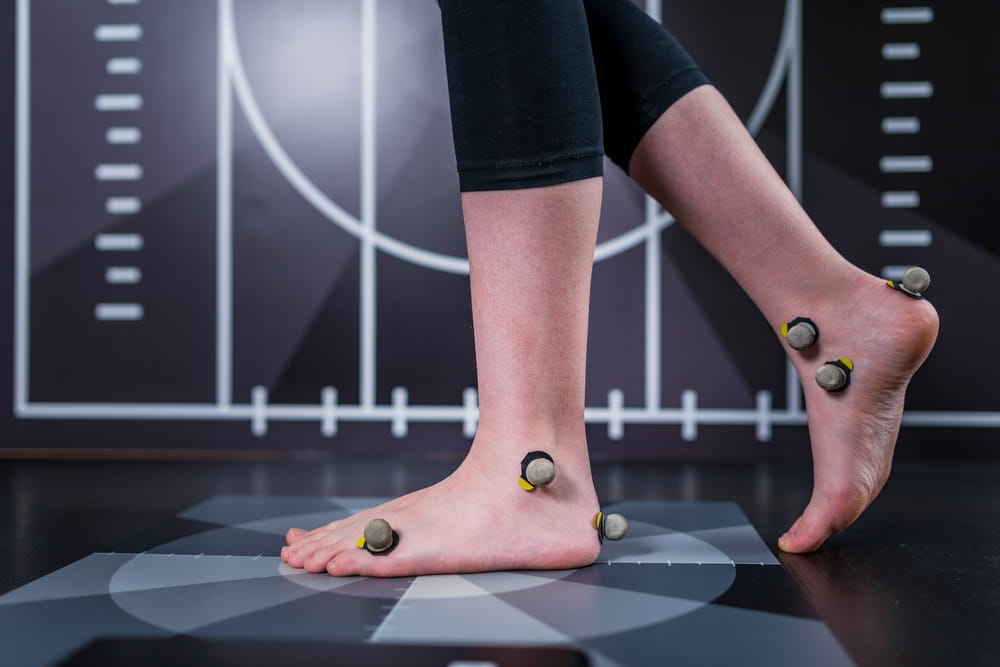
Walking is essentially a repeated series of brief single-leg stands. As one foot leaves the ground, the opposite leg must support the body.
The hip muscles on the standing side help keep the pelvis level and the trunk controlled. If those muscles fatigue quickly, walking may become less efficient.
A person may shorten their steps, widen their stance, lean to one side, or rely more heavily on handrails or furniture for support.
These changes can develop gradually, so some people do not notice them until they begin feeling less confident on stairs or uneven ground.
Hip Weakness Can Affect the Knees and Ankles
The lower body functions as a connected chain. Weakness at the hip may influence how the thigh, knee, and foot move during weight-bearing activities.
For example, reduced control of the hip can allow the thigh to rotate inward. The knee may follow this movement, which can affect alignment during walking, squatting, or stepping down.
The ankle may also have to make larger corrections when the hip is not adequately controlling the pelvis and upper leg.
This does not mean that every balance problem begins at the hip. It does show why treating balance often involves strengthening more than just the feet and ankles.
Age-Related Changes in Strength
Muscle mass and strength naturally tend to decline with age, particularly when activity levels decrease.
The hip muscles may lose strength gradually, making it harder to stand from a low chair, climb stairs, or recover from a misstep. These changes can reduce confidence and lead some people to avoid activity.
Unfortunately, becoming less active can contribute to further weakness.
Maintaining regular strength and balance exercise is one of the most effective ways to support mobility as people age. Even modest improvements in strength can make daily movements feel more controlled.
Signs Hip Weakness May Be Affecting Balance
Hip weakness can show up in subtle ways before a person experiences an actual fall.
Possible signs include:
- Difficulty standing on one leg
- Side-to-side swaying while walking
- Needing a handrail on stairs
- Trouble rising from a chair without using the arms
- Feeling unstable when turning quickly
- Fatigue around the hips after walking
- Avoiding uneven surfaces because of uncertainty
- Leaning the trunk noticeably to one side while walking
These signs can have many causes, so a professional evaluation is useful when balance changes become persistent.
The Role of Hip Abductors
The hip abductors are muscles that move the leg away from the body and help stabilize the pelvis.
The gluteus medius is particularly important during walking. When one foot leaves the ground, this muscle helps prevent the pelvis from dropping toward the unsupported side.
If the gluteus medius is weak, the body may compensate by leaning the trunk over the standing leg. This pattern can reduce stability and increase energy demands during walking.
Strengthening these muscles may improve control, especially when combined with balance and coordination exercises.
Mobility Matters Alongside Strength
Strong muscles are most useful when the joints can move comfortably through the range required for daily activities.
Hip stiffness can limit stride length, make stair climbing more difficult, and change the way a person transfers weight from one leg to the other.
Reduced hip mobility may also cause the lower back, knees, or ankles to compensate.
An effective plan often addresses both strength and mobility rather than focusing on one factor alone.
How Physical Therapy Can Help
Balance concerns often benefit from an individualized approach. Through physical therapy, patients may work on hip strength, leg strength, flexibility, coordination, and confidence during movement.
Exercises may begin with controlled movements while holding onto a stable surface. As strength and balance improve, the activities can become more challenging.
A therapist may also observe how a person walks, climbs stairs, stands from a chair, or responds to changes in direction.
The goal is not simply to perform exercises in a clinic. It is to improve movement in the situations that matter most in daily life.
Balance Training Should Be Progressive
Balance improves when the body is challenged appropriately.
Standing with the feet close together may be an initial exercise. Progressions might involve standing on one leg, reaching in different directions, stepping over objects, or moving across varying surfaces.
The challenge should increase gradually. Exercises that are too easy may not provide enough stimulus, while exercises that are too difficult can increase fall risk.
For this reason, people with significant balance problems should avoid attempting advanced exercises without proper support or supervision.
Strength Training Supports More Than Balance
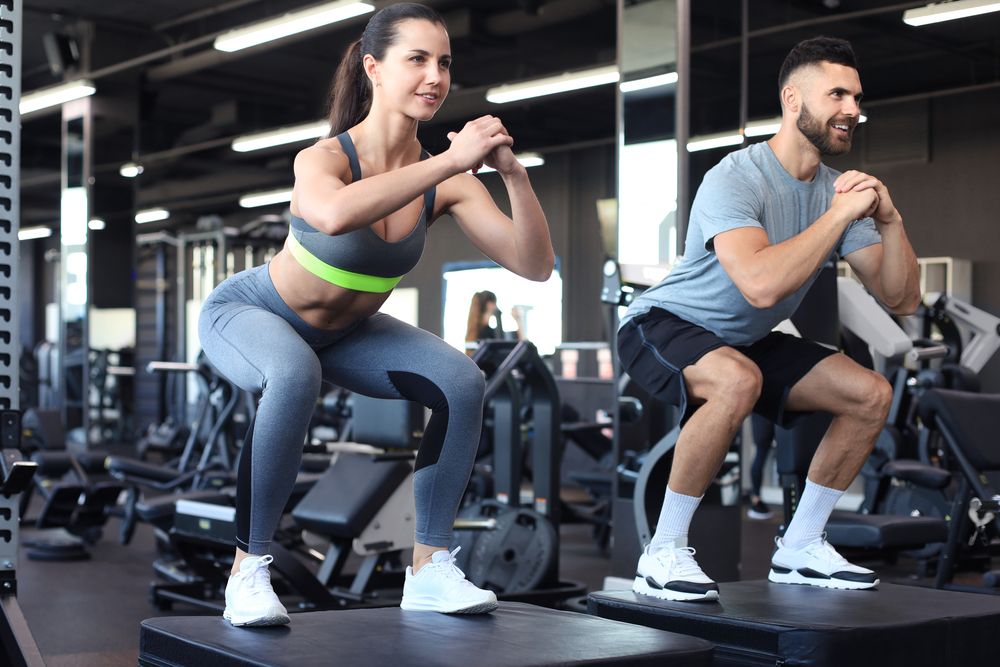
Improving hip strength can also benefit walking endurance, stair climbing, and general mobility.
Stronger muscles help absorb force and provide support during changes in direction. They may also reduce how quickly the legs fatigue during longer periods of activity.
For older adults, maintaining lower-body strength can support independence with tasks such as getting in and out of a car, carrying groceries, or standing from a seated position.
Strength training does not need to be extreme to be useful. Consistency and appropriate progression matter more than using heavy resistance.
Fall Risk Is Influenced by More Than Strength
Falls are complex and rarely have a single cause.
Vision changes, medications, blood pressure, neurological conditions, footwear, joint pain, home hazards, and inner-ear problems can all affect stability. Hip weakness is one possible contributor among many.
This means improving hip strength cannot guarantee that a fall will never occur. However, stronger lower-body muscles may improve the ability to respond when balance is challenged.
When someone has experienced repeated falls or sudden unexplained balance problems, a broader medical evaluation may be needed.
Everyday Habits Can Reinforce Strength
Formal exercise is helpful, but everyday movement also matters.
Regular walking, stair use when appropriate, standing from chairs without relying heavily on the arms, and safely participating in recreational activities can help maintain lower-body strength.
Long periods of inactivity may allow muscles to weaken more quickly.
People with hip pain or joint conditions should choose activities appropriate for their diagnosis and comfort level rather than pushing through significant pain.
When Hip Pain and Balance Problems Occur Together
Sometimes balance becomes worse because hip pain causes a person to avoid fully loading one leg.
Arthritis, tendon problems, bursitis, or previous injuries can change the way someone walks. A shorter step or persistent limp may gradually affect strength and coordination.
Treating the painful condition may therefore be an important part of improving balance.
An orthopaedic examination can help determine whether weakness is the primary problem or whether pain, stiffness, or structural joint changes are limiting movement.
Building a Steadier Foundation
Balance is a full-body skill, and the hips provide an important foundation for it. Strong hip muscles help stabilize the pelvis, control the legs, and make the small adjustments needed during walking, climbing stairs, and unexpected changes in direction.
When weakness develops, the body may compensate in ways that make movement feel less steady. Strengthening the hips, improving mobility, and practicing balance tasks can help many people move with greater control and confidence.
For patients across Fort Worth, Mansfield, Burleson, and the surrounding North Texas region, Lone Star Orthopaedic and Spine Specialists, PLLC provides evaluation and treatment for hip conditions and movement limitations that affect everyday stability. Addressing strength and mobility together can help support safer, more confident movement at any age.
Sources
Granacher, U., Gollhofer, A., Hortobágyi, T., Kressig, R. W., & Muehlbauer, T. (2013). The importance of trunk muscle strength for balance, functional performance, and fall prevention in seniors: A systematic review. Sports Medicine.
Horlings, C. G. C., van Engelen, B. G. M., Allum, J. H. J., & Bloem, B. R. (2008). A weak balance: The contribution of muscle weakness to postural instability and falls. Nature Clinical Practice Neurology.
Pijnappels, M., Reeves, N. D., Maganaris, C. N., & van Dieën, J. H. (2008). Tripping without falling: Lower limb strength, a limitation for balance recovery and a target for training in the elderly. Journal of Electromyography and Kinesiology.