Cervical myelopathy is a condition caused by compression of the spinal cord in the neck (cervical spine). This pressure or compression of the spinal cord can interfere with its ability to send signals between the brain and body, leading to a gradual loss of function and problems with balance, coordination, strength, sensation, and fine motor skills. Unlike a pinched nerve (radiculopathy), which affects specific limbs, myelopathy involves the central nervous system’s primary pathway. It can happen if an injury, tumor, or herniated disk puts pressure on that part of your spinal cord. Most commonly, it happens as you get older and your bones, disks, and ligaments become thinner or lose flexibility and strength.
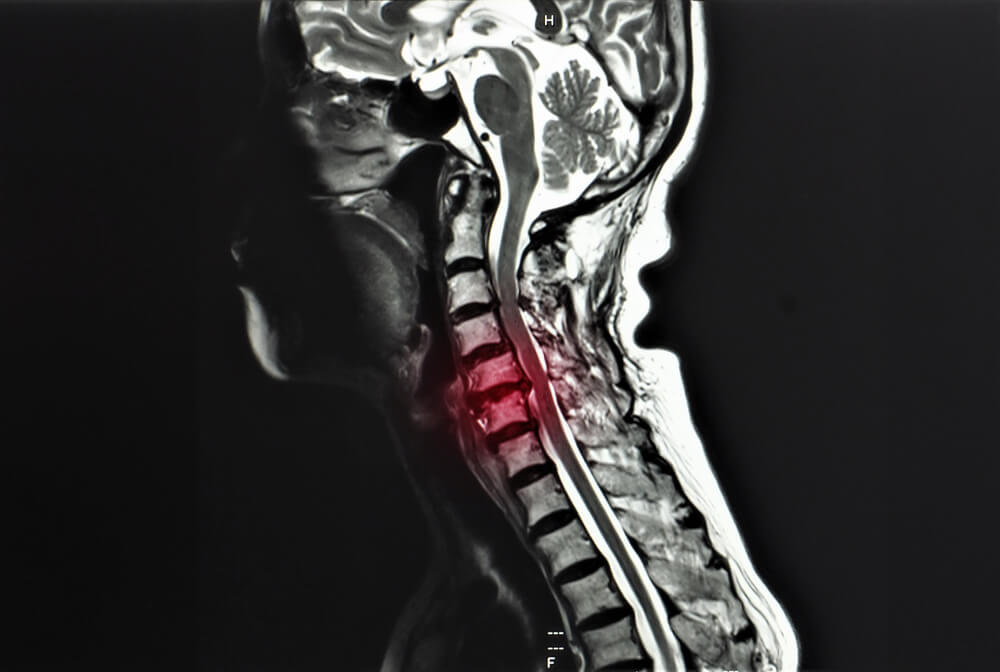
Numb hands? Unsteady walking? Weaknesses in arms and legs keep getting worse. Cervical myelopathy can quietly steal mobility and independence. Early detection can help protect your spinal cord and your quality of life.
Many patients maintain function with monitoring and therapy. However, symptoms may slowly progress over time, requiring reassessment. The first few weeks focus on initial rest, medication adjustments, and starting gentle physical therapy 2–3 times a week. After a month or two, many patients experience a gradual improvement in pain and stabilization of strength. Ongoing maintenance and close observation through follow-up exams and imaging continue for 3-6 months. Ongoing communication and management of symptoms is lifelong, as non-surgical treatments do not fix the structural narrowing of the spinal cord.
Most patients experience stabilization of symptoms. Many see meaningful improvement in balance, hand coordination, and strength over months. Prompt treatment often leads to better outcomes. Life after treatment, the provider focuses on safety and maintenance. Many patients regain a significant amount of their hand dexterity and walking balance, though some residual numbness or stiffness may remain if the nerve compression was long-standing. With proper care, most individuals successfully return to their daily routines with a renewed sense of stability and independence.
The information provided on www.lonestar-ortho.net is intended for general informational and educational purposes only. The content on this website is presented in summary form, general in nature, and should not be considered medical advice, diagnosis, or treatment recommendations.
The materials and information provided on this website are not intended to replace professional medical advice, care, or consultation with a qualified healthcare provider. Always seek the advice of your physician or another qualified healthcare professional regarding any medical condition, treatment option, or health concern.
Do not ignore professional medical advice or delay seeking care because of something you read on this website. If you think you may have a medical emergency, call 911 or seek immediate medical attention.
Your spinal cord is a vital link between your brain and nervous system. Over time, it can experience wear and tear from accidents, aging, or other changes, which may raise concerns about conditions like cervical myelopathy. Your body requires care and maintenance to function well, and evaluation and treatment of your spinal health is essential for your overall well-being and daily comfort. Do not delay any longer.