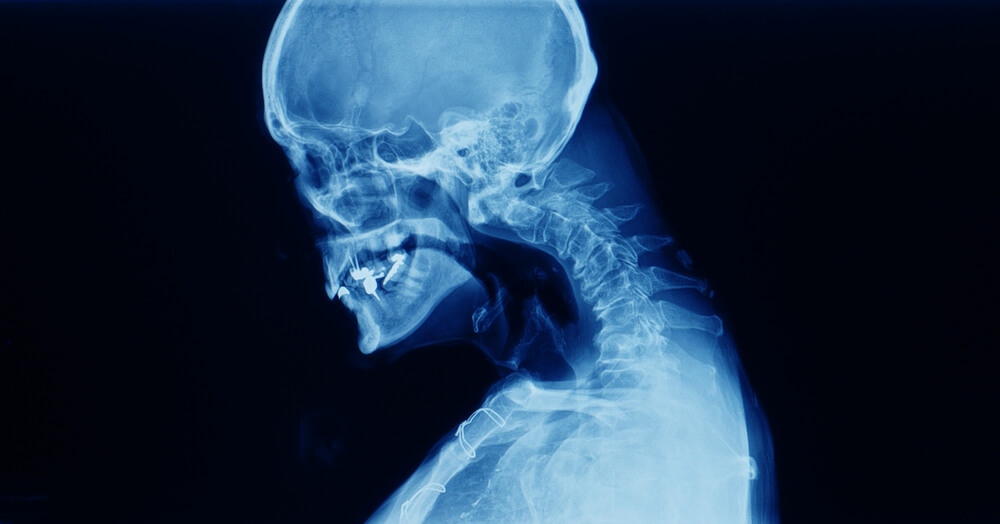
What is Cervical Disc Replacement?

Who is an ideal candidate for this treatment?

  • Pain caused by one or two symptomatic cervical discs suffering disc disease (herniation or degeneration).
  • Typically, individuals are in good overall health, with no signs of an active infection, a stable cervical spine, and no deformity or instability of the spine (scoliosis).
  • Good bone density (no signs of osteoporosis or advanced widespread cervical arthritis), and no significant facet joint disease or allergies to certain metals.
  • Continue to have symptoms despite conservative (non-surgical) treatments with no prior major surgery on the neck.

When a damaged disc in your neck presses on nearby nerves, even simple things can become painful and frustrating. Cervical Disc Replacement is an advanced spine treatment that relieves nerve pressure and pain without sacrificing movement. Schedule your cervical spine evaluation with one of our spine specialists and find out if Cervical Disc Replacement is right for you.

Book Now

Do I need help? Possible Signs

  • You may need help if neck pain is lasting, worsening, or spreading into the shoulder, arm, or hand, and can feel like a burning, electric, or shooting nerve pain.
  • Other signs include numbness and tingling in the arm, hand, and fingers that can interrupt sleep, such as trouble finding a comfortable position due to the feeling of “pins and needles”.
  • Weakness, reduced range of motion, and loss of dexterity in the arm and hand are making normal daily tasks more difficult and painful.
  • Symptoms interfere with work, driving, or daily routine, and symptoms return despite taking medication and attempting other non-surgical treatments.

Non-Surgical options

  • Activity Modification limits repetitive neck flexion, heavy lifting, and making shifts in ergonomic positions at work, home, and while sleeping.
  • Physical Therapy is targeted exercises to decrease mechanical stress on the cervical discs and improve posture, neck strength and support, flexibility, and muscular endurance to help acute and chronic neck pain.
  • Anti-inflammatory Medications or NSAIDS are given to patients to reduce inflammation of the irritated nerve and surrounding areas. Muscle Relaxers and Nerve Pain Medications can temporarily decrease muscular guarding and nerve sensitivity.
  • Injections (Cervical Epidural Steroid Injections) can provide short and long-term pain relief and reduce inflammation around the nerve root.

What to expect before surgery?

  • Compassionate Care
  • Thorough Examination (may include physical exam and imaging tests of your neck, like an X-ray, myelogram, or MRI) & Personalized Treatment Plan
  • Patient’s Goals Discussed & Straight Answers to Difficult Questions
  • Support You Can Count On

Surgical Procedure

  • Cervical disc replacement is a procedure where a surgeon removes the diseased disc, and an artificial implant replaces it. In most cases, surgeries take 2-3 hours. The surgical team delivers general anesthesia to the patient to keep them asleep during the procedure through an intravenous (IV) line to provide fluids and medication to keep them asleep. Most patients go home the same day or after one overnight observation.
  • First, the surgeon will make a 1–2-inch incision (surgical cut) in a cleaned area on the side or front of your neck. The exact location and length of your incision will vary based on your unique circumstances.
  • Second, the surgeon removes the entire problematic cervical disc and replaces it with an artificial disk. The surgeon will carefully move important structures of the neck to the side and insert/position the artificial disk using imaging guidance called a fluoroscopy (a series of X-rays shown in real time).
  • Third, the surgeon will move back into place the important structures of the neck and close the incision site with absorbable sutures (stitches) under the skin. The surgeon carefully closes the incision with sutures and then applies a dressing to the incision site to minimize scarring. The surgeon will place a rigid or soft neck collar around the patient’s neck to restrict motion.
  • In most cervical disk replacements, the entire disk is removed and replaced with an artificial disk of the same size and functions as a normal intervertebral disk. The artificial disk mimics the controlled disc movement, allowing the neck to flex, rotate, and extend more naturally.
  • The composition of the artificial disks varies, with certain disks entirely made of medical-grade metals such as cobalt chromium or titanium alloy. Other artificial disks combine metal and medical-grade plastic (polyethylene). The surgeon will talk with the patient about which disk design is best for them.

FAQs

Mobility

The surgeon encourages patients to take frequent short walks with a rigid or soft neck collar worn almost immediately (Day 1) after surgery. These walks promote circulation, prevent stiffness, and improve confidence with neck movement. Patients can return to activities of daily living, such as light chores or meal preparation, within a couple of days and move into light activity over the next few weeks.

Risk of Recurrence

Since the surgeon removes the entire diseased disc and replaces it with an artificial one, the risk of recurrence at that specific level is virtually zero. However, patients can still develop muscle-related neck discomfort, arthritis, and disc degeneration at other untreated levels. Cervical disc replacement aims to reduce stress on nearby spinal levels while maintaining their function, but it cannot prevent the natural aging process from affecting other areas.

Cosmetic Consideration

In a Cervical Disc Replacement surgery, the surgeon forms a small horizontal incision (1-2 inches) placed in a natural crease on the front of the neck. Once complete a “liquid stitch” or hidden sutures within a natural neck crease. Once healed, the scar is often nearly invisible or looks like a faint, natural line.

Recovery Timeline

  • 1 to 2 weeks: Soreness, stiffness, and fatigue are common as the incision heals. When taking short walks, patients may use a soft collar. Basic self-care increases gradually.
  • 2 to 6 weeks: Physical therapy begins as most nerve pain fades. Patients can return to light household tasks and more normal daily routines. It is during this period that patients can return to driving (typically 2-4 weeks), but the time varies by patient. Patients with remote or light desk work can return to work in 1–3 weeks, and patients with moderate labor in their daily work can return to work within 4–6 weeks, but their return to work can take as long as 12 weeks.
  • 6 to 12 weeks: Strength, comfort, and neck motion continue to improve; patients approach completing their functional recovery, and the surgeon gradually lifts restrictions. Patients with manual or heavy labor jobs can return to work.
  • 3 to 6 months: The bone-implant interface stabilizes, as most patients complete most of their recovery. Patients can return to almost all of their normal activities and recreational sports.
  • 6 to 9 months: Ongoing improvement in stamina, confidence, and neck strength and mechanics continue as well. The nerve tissue continues to heal, and hand and arm strength peak during this time.
  • 9-12 months: The patient achieves full recovery as the surgeon assesses long-term function and symptom control. Final imaging usually confirms the implant is perfectly integrated.

Considerations/Risks

Typical
  • Sore Throat: Temporary discomfort or difficulty swallowing (dysphagia).
  • Hoarseness: Mild voice changes due to retraction during surgery.
  • Expected Neck Pain, Soreness, and Stiffness for the first few weeks.
  • Temporary nerve irritation
  • Incision sensitivity and tenderness: Expected muscle soreness around the neck
  • Fatigue during the early weeks of healing.
Atypical
  • Wound infection.
  • Adjacent segment degeneration (ASD). This is degeneration that happens in the spinal segments next to (adjacent to) the replaced disk.
  • Nerve or Cord Injury: Standard but rare risk of any spinal surgery.
  • Artificial disk-related failures due to mechanical wear.
  • Heterotopic Ossification (HO): This happens when bone grows in tissues where it typically would not.
  • Implant Shifting or Migration: The prosthetic shifting out of its intended position.

Why Choose Lone Star?

  • Board-Certified Orthopaedic Surgeons with Exceptional Expertise
  • Advanced Surgical Techniques and Technology
  • Reputation for Patient-Centered Care and Results
  • Collaborative Care Team Approach

Disclaimers:

  • The information provided on www.lonestar-ortho.net is intended for general informational and educational purposes only. The content on this website is presented in summary form, general in nature, and should not be considered medical advice, diagnosis, or treatment recommendations.

  • The materials and information provided on this website are not intended to replace professional medical advice, care, or consultation with a qualified healthcare provider. Always seek the advice of your physician or another qualified healthcare professional regarding any medical condition, treatment option, or health concern.

  • Do not ignore professional medical advice or delay seeking care because of something you read on this website. If you think you may have a medical emergency, call 911 or seek immediate medical attention.

Book Your Appointment Today

When a damaged cervical disc compresses your nerves, the right treatment can do more than reduce pain. A Cervical Disc Replacement can restore function, confidence, and mobility. Take the first step to getting back your pain-free future.