What is Cervical Spondylosis?

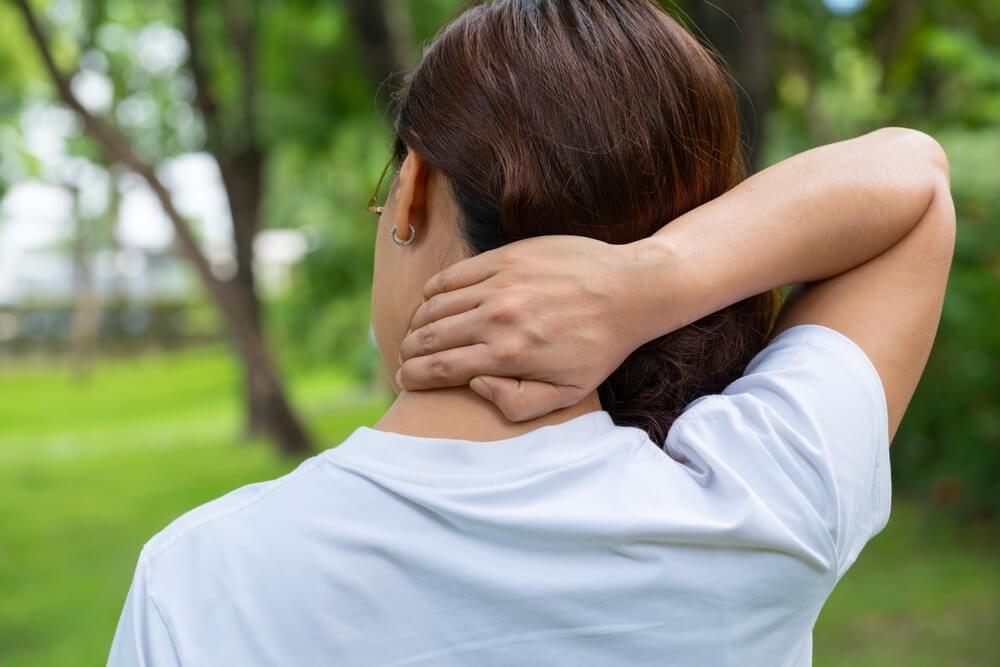
  • Cervical spondylosis, also known as arthritis of the neck, is the medical term for age-related wear, degeneration, and arthritic change affecting the discs, joints, bones, and ligaments of the neck (cervical spine). It is extremely common, affecting over 85% of people over sixty. Often causing stiffness, inflammation, painful movement, and sometimes nerve compression. There are a handful of different terms for Cervical Spondylosis.
  • Arthritis of the neck
  • Cervical/neck osteoarthritis
  • Degenerative neck arthritis

You may be experiencing cervical spondylosis or arthritis of the neck, which is progressive and can limit comfort, mobility, and quality of life. It is time to stop managing the pain and start treating the cause.

Book Now

How did this happen? Possible Causes and Risk Factors

  • Age: Cervical spondylosis is a common part of aging, beginning in the thirties.
  • Genetic factors. Individuals with a family history of the condition will experience more of these changes over time.
  • Lifestyle: Occupations that involve repetitive neck motions/awkward positioning, poor posture, or an inactive lifestyle, and smoking have been shown to increase neck pain.
  • Past injuries/trauma to the neck: Previous neck injuries accelerate the natural aging process of the cervical spine.
  • Dehydrated disks. By the age of forty, spinal disks begin drying out and shrinking. As the disks become smaller, there is more bone-on-bone contact between the vertebrae.
  • Herniated disks. Cracks also appear on the exterior of the spinal disks. The soft interior of a disk can squeeze through these cracks. Sometimes, pressing on nerve roots or on the spinal cord.
  • Bone spurs (Osteophytes): As the disks break down, the body can produce extra bone growth that forms to hold vertebrae together. These bone spurs can sometimes pinch the spinal cord and nerve roots.
  • Ligament Stiffness: The cords that connect your spinal bones can stiffen with age, making the neck feel tight and less flexible. Ligaments are tissue cords that connect bone to bone. Spinal ligaments can stiffen with age, making the neck less flexible.

Do I need help? Possible Signs

  • Neck stiffness and pain: A creaking, grinding, or popping sensation (can be accompanied by noise) when moving the neck.
  • Headaches: Located in the neck, usually starting at the base of the skull.
  • Muscle Spasms: Chronic tightness in the neck and shoulders that does not respond to simple stretching.
  • Radiating Numbness: Tingling, “pins and needles,” or weakness that travels down into your arms, hands, legs, or feet.
  • In severe cases, cervical spondylosis can cause spinal cord compression, which can lead to more urgent issues, such as walking due to imbalance, loss of hand dexterity, or bowel/bladder function changing.

How can we help? Possible Treatments

Non-Surgical (Mild Cases): 
  • Physical therapy (PT): PT is typically the first nonsurgical treatment doctors to recommend. Specific exercises in PT can relieve pain, strengthen, and stretch weakened or strained muscles.
  • Support: A soft neck collar is worn by the patient for short periods to limit neck motion and allow the muscles in the neck to rest.
  • Medications. During the first phase of treatment, your doctor may prescribe several medications to be used together (Acetaminophen, NSAIDS, oral corticosteroids, and/or muscle relaxants) to address both pain and inflammation.
  • Injections: Steroid-based injections such as cervical epidural block and cervical facet joint block are designed to reduce inflammation. In some cases, your doctor may use a medial branch block and radiofrequency ablation.
Surgical
  • Anterior Cervical Discectomy and Fusion (ACDF): Removing a problematic disc and stabilizing the area to relieve pressure on the spinal cord.
  • Artificial Cervical Disc Replacement: A modern alternative to fusion that replaces a worn disc with a prosthetic, preserving your neck’s natural range of motion.
  • Laminoplasty: A procedure that creates more “room” in the spinal canal for the spinal cord to travel through.
  • Posterior Cervical Decompression / Laminectomy: Used when arthritic overgrowth is compressing the spinal cord from behind.
  • Cervical Fusion: Used when instability or advanced degeneration makes motion painful.

Life after treatment

After Non-Surgical/Conservative Care
  • Weeks 1–4: The focus is on pain management, using NSAIDs, ice/heat therapy, and avoiding aggravating movements. A cervical collar may be used. By week two, most patients return to driving, and by week four, most patients can return to work and driving.
  • Weeks 5–10: The focus is on rehabilitation through targeted physical therapy to improve core strengthening, flexibility, range of motion, and posture.
  • Weeks 11–20: The focus is on strengthening the neck and scapular muscles and improving activity tolerance.
  • After Week 20: Regular exercise provides long-term maintenance and prevents recurrence.
Surgical Timeline differs depending on treatment, but here is a general timeline
  • Days 1–7: The initial recovery period, with post-surgical pain being the worst in the first 3-5 days, but most patients are off pain medication within a week.
  • Weeks 1–4: Early recovery involves resting and avoiding heavy lifting or neck movement, such as bending or twisting. Most surgeons’ clear patients to drive between 2-4 weeks.
  • Weeks 4-6: Most patients can return to work, especially if in a light-duty role.
  • Months 3–12: Full recovery and bone healing are achieved within 4-12 months.

Disclaimers:

  • The information provided on www.lonestar-ortho.net is intended for general informational and educational purposes only. The content on this website is presented in summary form, general in nature, and should not be considered medical advice, diagnosis, or treatment recommendations.

  • The materials and information provided on this website are not intended to replace professional medical advice, care, or consultation with a qualified healthcare provider. Always seek the advice of your physician or another qualified healthcare professional regarding any medical condition, treatment option, or health concern.

  • Do not ignore professional medical advice or delay seeking care because of something you read on this website. If you think you may have a medical emergency, call 911 or seek immediate medical attention.

Book Your Appointment Today

Find out whether cervical arthritis is causing your neck pain and learn how we can help you move with less pain and greater confidence.