What is Cervical Radiculopathy?

Cervical Radiculopathy, commonly known as a “pinched nerve”, occurs when a nerve root (the initial segment of a nerve that leaves your spinal cord) in the cervical spine becomes compressed, inflamed, or irritated as it exits the spinal canal. It damages the nerves attached to the nerve root and disrupts nerve function, the vital communication between your brain and your upper extremities.
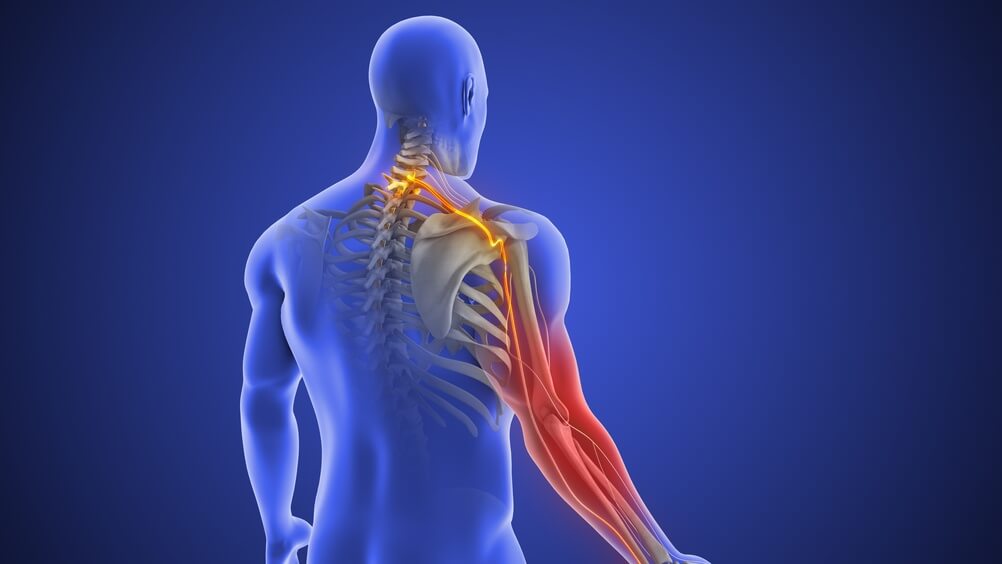
Do not ignore shooting pain, weakness, or numbness radiating down your arm. In most cases, you can find lasting relief without surgery through expert conservative care, which allows you to return to an active lifestyle with the people you love.

Book Now

How did this happen? Possible Causes and Risk Factors

  • Age: Normal wear and tear cause discs to lose height and narrow the nerve passageways, with symptoms commonly occurring in a patient’s 40s-50s.
  • Lifestyle Choices: Patients having poor posture, a sedentary lifestyle, or who smoke regularly may increase the likelihood of cervical radiculopathy.
  • Occupation: Patients with jobs that require repetitive or strenuous work through lifting and overhead motions are at greater risk.
  • Previous Trauma: Those with recent or old neck trauma or injuries are more likely to experience cervical radiculopathy.
  • Existing or Previous Cervical/Neck Conditions: If you have been or are currently being treated for a neck condition, you are at greater risk of developing cervical radiculopathy. Neck conditions include the following:

Do I need help? Possible Signs

  • Radiating Pain: Sharp, burning, or electrical shock-like pain that radiates from the neck and travels down your shoulder, arm, or fingers. Typically, cervical radiculopathy only affects one side of your body, for example, your right arm, not both arms, and symptoms can worsen with certain neck movements.
  • Loss of coordination or fine motor control: Difficulty lifting objects or performing daily tasks due to muscle weakness in the arm or hand grip.
  • Positional Relief: Pain that worsens when you turn your head, but eases when you rest your arm on top of your head.

How can we help? Possible Treatments

Non-Surgical
  • Activity modification: Posture correction, ergonomics, and modifying activities to avoid excessive neck bending or twisting.
  • Physical Therapy: Designed in-person and at-home exercises and stretches to increase neck flexibility by strengthening the neck muscles. Typically, the provider encourages using heat and ice at home to ease inflammation.
  • Cervical Collars: Your provider may briefly use collars to limit motion and reduce irritation.
  • Anti-inflammatory medications (NSAIDs): The provider can encourage patients to take specific over the counter and prescribed oral medications, including anti-inflammatories, muscle relaxants, or nerve pain medications, to manage discomfort, pain, and inflammation.
  • Cervical epidural steroid injections: These injections deliver potent anti-inflammatory medication directly into the space around the spinal nerves to provide relief.

Life after treatment

Conservative/Non-surgical Treatment

Non-Surgical Treatment: Most patients who detect their symptoms early and receive targeted non-surgical treatment show signs of significant improvement within 6-12 weeks.

Surgical Treatment

While recovery varies, many patients experience significant pain relief immediately after surgery, with full rehabilitation (including return to normal daily activities, restored function, reduced pain, and improved strength) within several weeks to a few months. Once the nerve compression is relieved, most patients experience a complete return to their favorite activities, hobbies, and pain-free sleep. Long-term spine health depends on posture, conditioning, and activity modification.

Disclaimers:

  • The information provided on www.lonestar-ortho.net is intended for general informational and educational purposes only. The content on this website is presented in summary form, general in nature, and should not be considered medical advice, diagnosis, or treatment recommendations.

  • The materials and information provided on this website are not intended to replace professional medical advice, care, or consultation with a qualified healthcare provider. Always seek the advice of your physician or another qualified healthcare professional regarding any medical condition, treatment option, or health concern.

  • Do not ignore professional medical advice or delay seeking care because of something you read on this website. If you think you may have a medical emergency, call 911 or seek immediate medical attention.

Book Your Appointment Today

Neck and arm pain should not keep you from living fully. Relief can start with one conversation with our specialists. Early detection and treatment can help you live pain-free and regain function, without surgery.