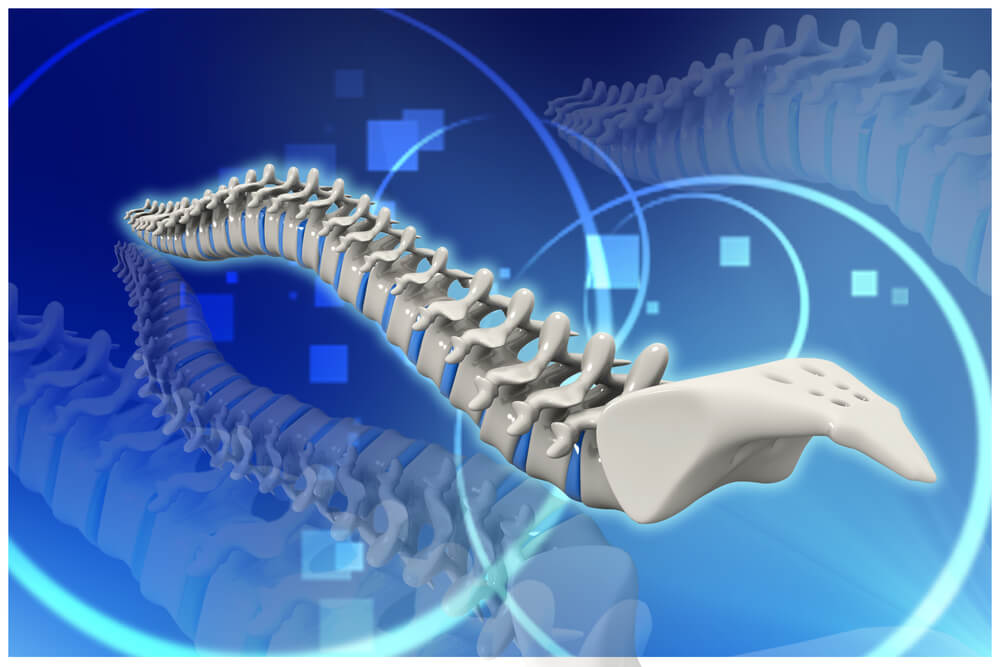
What is Spinal Fusion?

Who is an ideal candidate for this treatment?

  • Patients with persistent nerve compression caused by collapsing spinal structures experience chronic pain that worsens with motion.
  • Recommended for patients with Spinal Instability and structural problems such as severe degenerative disc disease(hyperlink), recurrent disc problems, and advanced spinal deformity.
  • NOT for patients who have suffered from severe osteoporosis, uncontrolled medical conditions, active infection, or pain without a clear structural cause.
  • Patients with spinal stenosis, scoliosis, spondylolisthesis, fracture, instability, or a herniated disc who are seeking a more durable structural solution rather than temporary symptom management.
  • Patients who have failed prior decompression surgery and exhausted conservative treatments continue to have symptoms and lose quality of life.

Don’t let chronic pain dictate your movement. Spinal fusion transforms an unstable spine into a solid foundation. Schedule a spine evaluation today.

Book Now

Do I need help? Possible Signs

  • Chronic neck or back pain that does not stay controlled, and you notice your posture has shifted significantly to one side to compensate for pain.
  • Deep aching pain that has lasted longer than a few months and worsens with movement such as standing, walking, bending, or twisting, but improves with absolute rest.
  • Persistent or radiating nerve pain traveling into the arms or legs that can feel like numbness, tingling, burning, or “electric shocks” across your arms or legs.
  • Weakness, instability, or other balance trouble, including the “Giving Way” Sensation, where you feel like your back might “snap” or fail during routine movements or feeling that the spine “shifts,” “catches,” or “locks.”
  • Pain and symptoms limit the quality of your life and keep returning despite exhausting non-surgical attempts at treatment.
  • In rare cases, patients may experience sudden loss of bladder or bowel control. If this occurs, seek immediate medical attention.

Non-Surgical options

  • Activity Modification: Limiting repetitive bending, lifting, twisting, or prolonged standing. Weight loss is encouraged to help reduce the load on the spine.
  • Physical Therapy is targeted exercises to strengthen surrounding muscles to better support the spine.
  • Anti-inflammatory Medications or NSAIDS are given to patients to reduce inflammation of the irritated nerve and surrounding areas. Muscle Relaxers and Nerve Pain Medications can temporarily decrease muscular guarding and nerve sensitivity.
  • Ablation: Some specialists may recommend the patient try ablation to help temporarily “turn off” pain signals from arthritic joints.
  • Injections (Epidural Steroid Injections) can provide short and long-term pain relief and reduce inflammation around the nerve root.

What to expect before surgery?

  • Compassionate Care
  • Thorough Examination & Personalized Treatment Plan
  • Patient’s Goals Discussed & Straight Answers to Difficult Questions
  • Support You Can Count On

Surgical Procedure

Spinal fusion is a surgical “welding” process that permanently joins two or more vertebrae together, so they heal into one solid unit. This solidified segment should hopefully eliminate the pain when moving or motion and restore stability to the spine. 

The surgeon begins by accessing the damaged spinal level through an incision. The surgeon will remove the damaged disc and any surrounding arthritic material. A bone graft, screws, rods, cages, or other hardware structural spacers are used to hold the spine in place until it fuses together. The fixation hardware can be made of synthetic medical-grade material, given by a donor, or even from the patient’s own body, and placed between the vertebrae. Once proper alignment and height are restored the incision is closed and the bone-healing process begins, with the goal to stop painful motion, stabilize the spine, and protect the patient’s nerves.

There are several different techniques to fuse the spine, and many ways the surgeon can take to reach the spine. The surgery itself can last anywhere from one to five hours, depending on the patient’s specific situation and needs. The provider will communicate what to expect with the patient, and if the patient has any questions, they should be directed to the provider.

FAQs

Mobility

The surgeon encourages short walks as early as the day of or the day after surgery. Short walks help with circulation and promote the healing process. Typically, patients can return to light daily activities within a couple of days and move into light activity over the next few weeks.

Risk of Recurrence

The fusion segment stabilizes the treated area and cannot herniate or slip again, making the risk of recurrence nominal. Since the spine continues to age, adjacent areas can begin to show symptoms, or new symptoms in other areas may arise.

Cosmetic Consideration

The appearance and length of any scarring vary based on spinal location, surgical approach, and number of fused levels. Surgeons typically identify front neck creases as in cervical procedures and use a layered closure approach to optimize scar healing. Most patients are thankful they prioritized structural spine relief and pain reduction in their daily lives over any cosmetic impact.

Recovery Timeline

  • 1–2 Weeks: Focus on pain management and incision care, but short frequent walks around the house are encouraged almost immediately after surgery. Pain, swelling, and fatigue are common during the first few weeks of recovery.
  • 2–4 Weeks: The incision healing progresses as most surgical soreness subsides and pain medication decreases. Patients are still told no “BLT” (Bending, Lifting, Twisting), by the specialist, but physical therapy begins.
  • 4-6 Weeks: Patients can return to light desk work, and can begin driving, permitted they have stopped taking narcotic pain meds and are comfortable with the motions and reaction times associated with driving. Many patients become more independent with daily activities, but with limited bending, lifting, and twisting.
  • 6–12 Weeks: The bone fusion starts to solidify, as many patients experience significant increases in strength, stamina, movement, and activity.
  • 3–6 Months: Imaging often confirms the spinal fusion is maturing and once confirmed most patients can return to light exercise and most hobbies. During this time most patients experience a massive pain reduction and an increase in activity. Physical therapy focuses on rebuilding muscular strength and improved function.
  • 6–9 Months: Typically, the bone graft is fully incorporated and the patient’s independence, confidence, and strength return to near normal levels. The patient with heavy manual labor can usually return to work and patients are clear to engage in some higher-impact activities and normal life tasks.
  • 9-12 Months: The final imaging long-term recovery assessment usually shows a solid fusion and healing near completion or complete. Full function is typically achieved, and with clearance from the surgeon the patient is clear to return to all high-impact activities. The fusing one or two levels rarely greatly impacts overall range of motion.

Considerations/Risks

Typical
  • Infection and/or bleeding: Additional antibiotics may be required to lessen the risk of infections. A certain amount of bleeding is expected, but this is not typically significant.
  • Post-surgical pain, soreness, stiffness/reduced motion, and fatigue are expected and gradually diminishes after first few weeks.
  • Temporary hoarseness is typical for neck fusions
  • Hardware Irritation: Some patients experience temporary feeling of the hardware (screws or rods) under the skin.
  • Adjacent Segment Disease: Over time, there is a chance for increased wear on the discs directly above or below the area where the fusion took place.
Atypical
  • This is a condition in which there is not enough bone formation to create a solid fusion. The risk is much higher for smokers.
  • Nerve Damage/Injury: Exceptionally rare, but it is possible that nerves or blood vessels may be injured during the spinal fusion.
  • Pain at graft site. A small percentage of patients will experience persistent pain at the bone graft site
  • Hardware Failure: A screw or rod breaking before the bone has finished fusing, that may require revision surgery.

Why Choose Lone Star?

  • Board-Certified Orthopaedic Surgeons with Exceptional Expertise
  • Advanced Surgical Techniques and Technology
  • Reputation for Patient-Centered Care and Results
  • Collaborative Care Team Approach

Disclaimers:

  • The information provided on www.lonestar-ortho.net is intended for general informational and educational purposes only. The content on this website is presented in summary form, general in nature, and should not be considered medical advice, diagnosis, or treatment recommendations.

  • The materials and information provided on this website are not intended to replace professional medical advice, care, or consultation with a qualified healthcare provider. Always seek the advice of your physician or another qualified healthcare professional regarding any medical condition, treatment option, or health concern.

  • Do not ignore professional medical advice or delay seeking care because of something you read on this website. If you think you may have a medical emergency, call 911 or seek immediate medical attention.

Book Your Appointment Today

When your spine no longer provides support, it should, every day starts revolving around your pain and the limitations it creates. Spinal fusion provides the structural integrity you need to stop surviving and start thriving. Start your journey to wellness today.