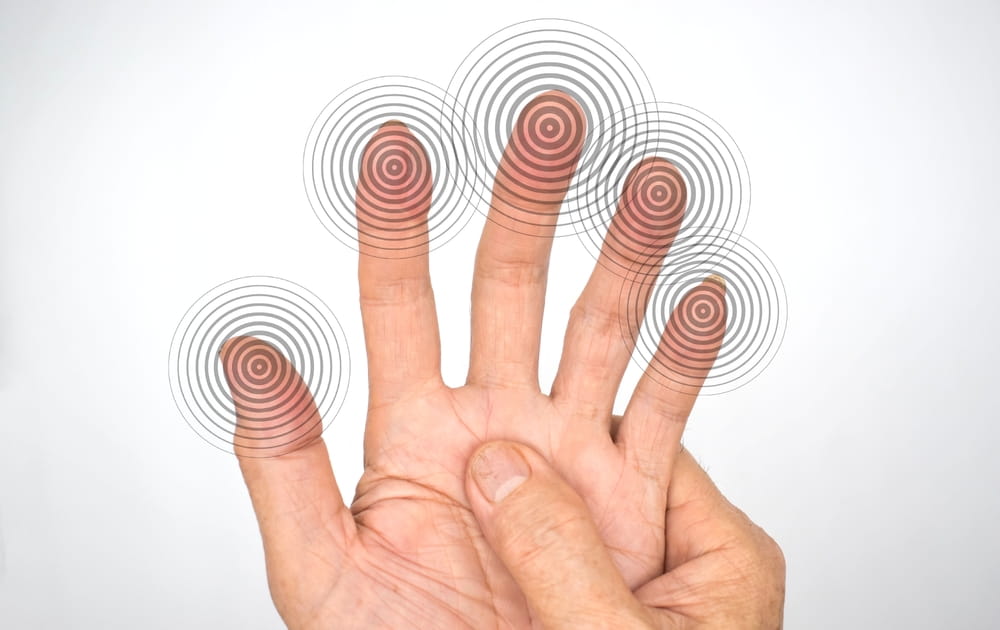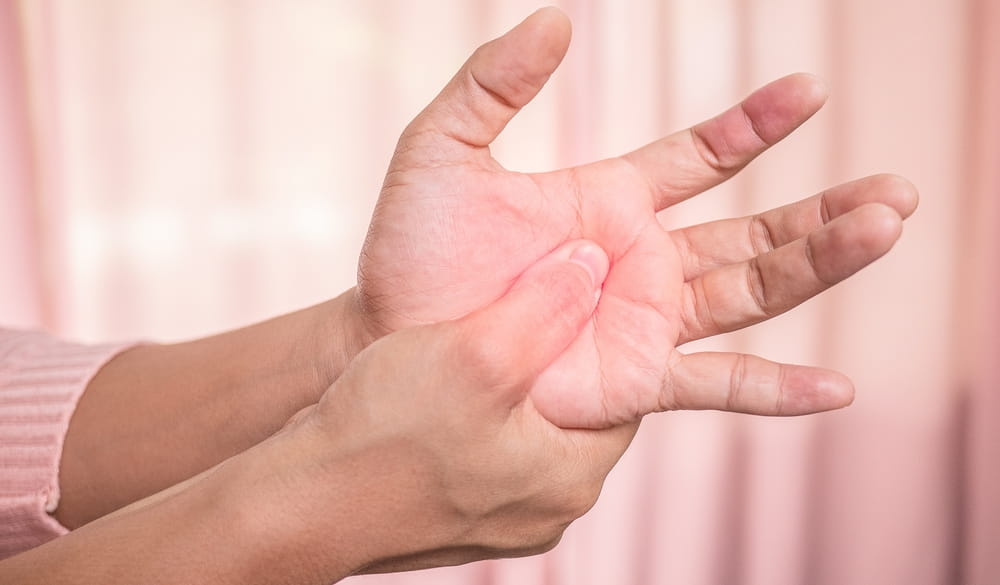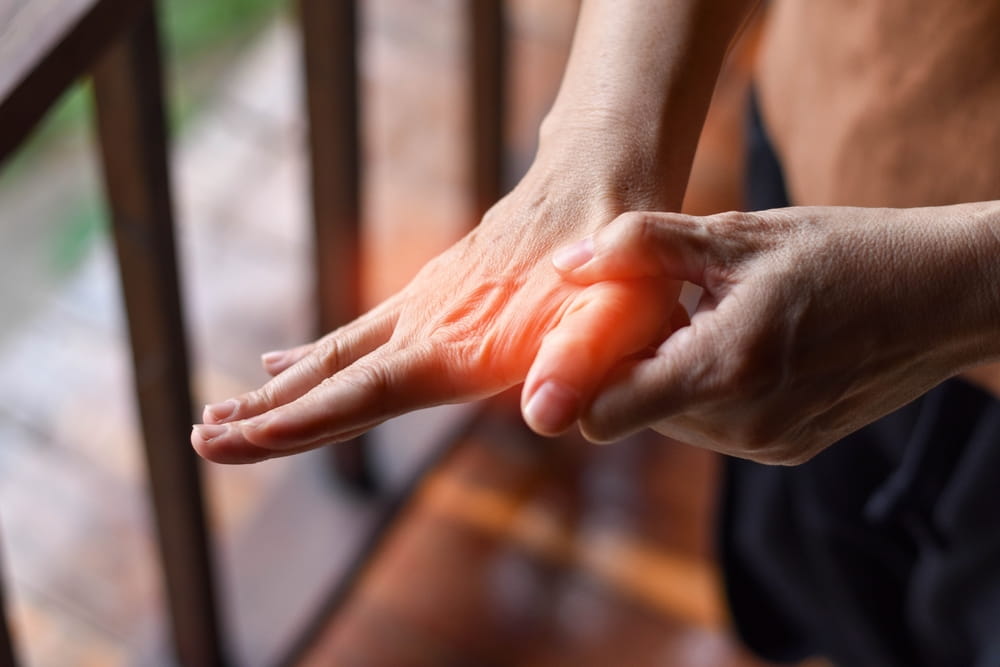
Hand fatigue often develops quietly. At first, it may simply feel like your hands tire more quickly than they used to. Tasks like typing, cooking, gripping tools, or even holding a phone for extended periods may leave the hands feeling sore, weak, or overworked.
Because the hands are constantly active throughout the day, repetitive strain can gradually build without drawing much attention at first. Over time, however, the muscles and tendons that support movement may become less efficient at handling repeated activity, leading to noticeable fatigue during routine tasks.
Across Mansfield, Fort Worth, Burleson, and nearby North Texas communities, many people experience these symptoms during work, hobbies, or everyday routines that require repetitive hand use. Lone Star Orthopaedic and Spine Specialists, PLLC, frequently helps explain how repetitive movement patterns and muscle strain contribute to ongoing hand fatigue.
How the Hands Handle Repetitive Movement
The hands are highly complex structures made up of muscles, tendons, joints, ligaments, and nerves working together in coordination. Although the fingers perform the visible movements, many of the muscles responsible for hand function actually originate in the forearm.
These muscles pull on tendons that travel through the wrist and into the fingers, allowing the hand to grip, pinch, and manipulate objects. During repetitive tasks, these structures must continuously generate force and maintain precision.
When movements are repeated for long periods without enough recovery, the muscles and tendons may become fatigued. This can reduce endurance and make even simple tasks feel more physically demanding.
Learning more about conditions involving the wrist and hand helps illustrate how repeated strain affects overall hand function.
Muscle Fatigue and Overuse
Muscle fatigue occurs when muscles can no longer perform efficiently after extended activity. In the hands, this often happens during repetitive gripping, typing, lifting, or fine motor tasks.
As muscles tire, they may become less coordinated and less capable of generating force. This can lead to sensations of weakness, aching, or heaviness in the hands and forearms.
Unlike sudden injuries, overuse-related fatigue usually develops gradually. Many people notice symptoms worsening throughout the day, especially during activities requiring repetitive finger or wrist motion.
Tendon Strain During Repetitive Tasks
Tendons play a critical role in transferring force from muscles to the fingers and wrist. Repetitive movements can place ongoing stress on these connective tissues, particularly when tasks involve sustained gripping or awkward wrist positions.
Over time, irritated tendons may not glide as smoothly during movement. This can increase effort during routine activities and contribute to fatigue or stiffness in the hands.
Tasks that combine repetition with force—such as tool use, assembly work, or prolonged computer use—often place additional demands on these structures.
The Impact of Grip Force
Many daily tasks require constant grip pressure, even when the effort seems minor. Holding a steering wheel, carrying bags, or using handheld devices all require the hand muscles to stay engaged continuously.
Over long periods, sustained gripping may reduce circulation within the muscles and increase overall fatigue. The harder the muscles must work to maintain grip, the more quickly fatigue may develop.
In some cases, people unconsciously grip objects more tightly than necessary, further increasing strain on the hands and forearms.
Wrist Position and Hand Strain
The position of the wrist significantly affects how efficiently the hand muscles function. When the wrist remains bent or unsupported during repetitive tasks, the muscles and tendons may need to work harder.
Poor wrist positioning can also increase pressure on nearby nerves and soft tissues, contributing to discomfort or reduced endurance.
Workstation setup, typing posture, and repetitive handheld activities can all influence how much strain the wrist experiences throughout the day.
Nerve Involvement and Hand Fatigue
Nerves help coordinate muscle activity and sensation throughout the hands. When nerves become irritated or compressed, the muscles they control may fatigue more easily.
This can sometimes lead to symptoms such as tingling, weakness, or reduced grip endurance during activity.
Because nerve pathways travel from the neck into the arms and hands, issues involving posture or spinal alignment may occasionally contribute to hand fatigue as well.
Understanding how nerves support hand function helps explain why fatigue may sometimes occur alongside numbness or discomfort.
Common Signs of Hand Fatigue
Hand fatigue often follows recognizable patterns, especially during repetitive activities.
Common signs include:
- Aching or heaviness in the hands or forearms
- Reduced grip endurance during tasks
- Cramping or tightness with repetitive motion
- Difficulty maintaining hand strength throughout the day
- Increased discomfort after typing, gripping, or lifting
These symptoms may gradually become more noticeable when repetitive strain continues without enough recovery.
The Importance of Recovery and Movement Balance
Just like larger muscle groups, the muscles of the hands benefit from regular recovery periods. Short breaks during repetitive tasks can help reduce ongoing strain and allow muscles to recover.
Stretching the fingers, wrists, and forearms may also help maintain flexibility and reduce muscle tightness. Alternating activities throughout the day can further reduce continuous stress on the same movement patterns.
Some individuals benefit from structured movement programs focused on coordination, flexibility, and strength. Resources related to physical therapy often emphasize exercises and ergonomic strategies that support healthier hand function during repetitive activity.
Why Small Movements Add Up Over Time
Hand fatigue rarely develops because of a single event. More often, it reflects how the body responds to repeated stress accumulated through work, hobbies, and everyday routines.
Because the hands are constantly active, even minor inefficiencies in posture, grip, or movement patterns can gradually contribute to strain over time. The effects may seem subtle at first, but become more noticeable as fatigue builds day after day.
Hand fatigue often has more to do with repetitive daily habits than with any major injury. Serving patients across North Texas, including those in Fort Worth, Burleson, and Mansfield, Lone Star Orthopaedic and Spine Specialists, PLLC explores how these everyday patterns relate to the mechanics of hand movement, sharing insight into why fatigue tends to set in and how supportive movement habits may contribute to better hand comfort and function over the long term.
Sources
Armstrong, T. J., Buckle, P., Fine, L. J., et al. (1993). A conceptual model for work-related neck and upper-limb musculoskeletal disorders. Scandinavian Journal of Work, Environment & Health.
Rempel, D., Gerr, F., Harris-Adamson, C., et al. (2015). Personal and workplace factors and median nerve function in a pooled study of US workers. Journal of Occupational and Environmental Medicine.
Fess, E. E. (1992). Grip strength. American Society of Hand Therapists.