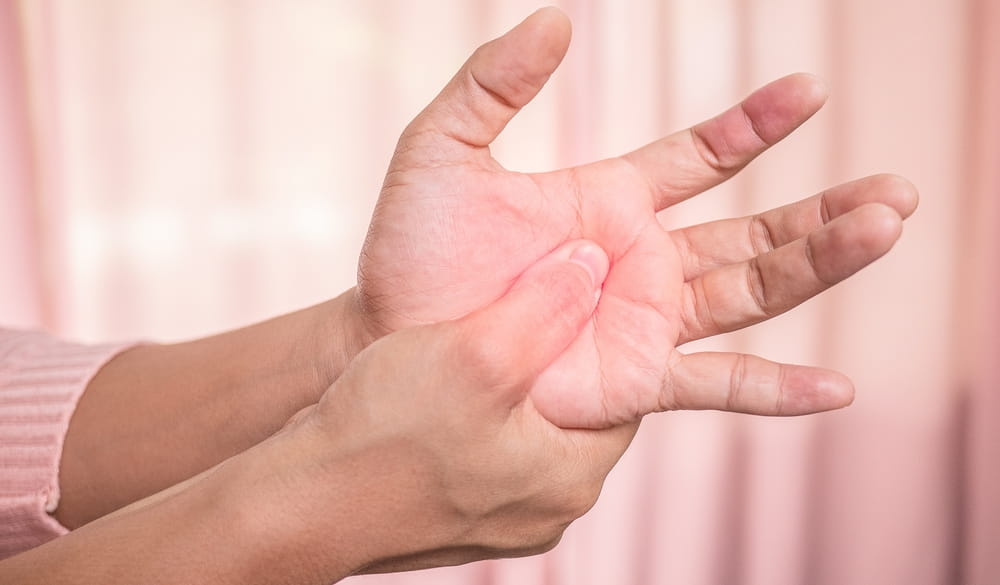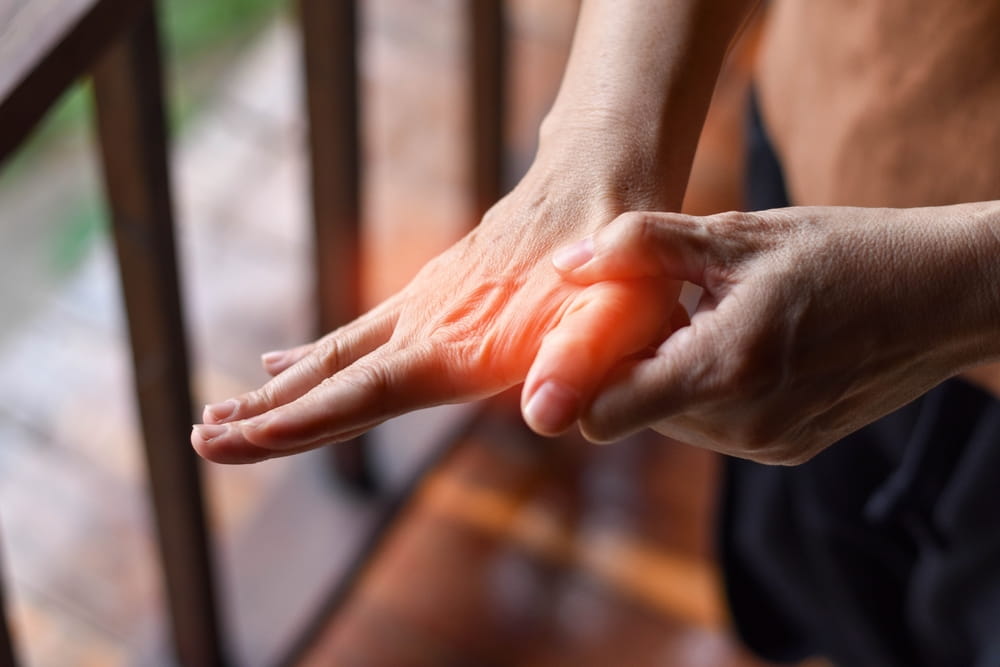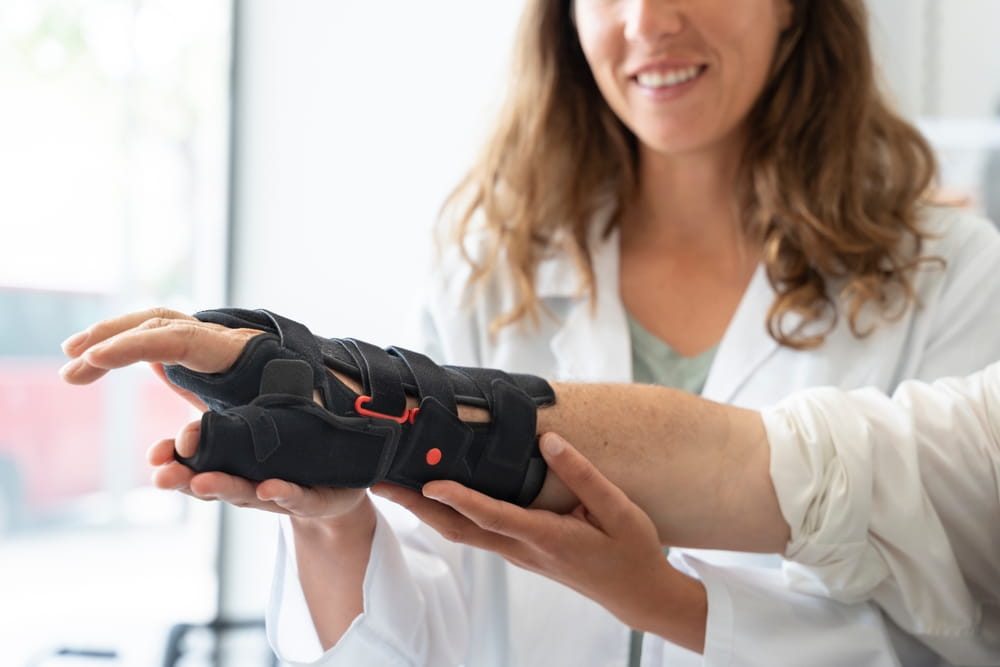
Hand and wrist injuries are among the most common musculoskeletal concerns for people of all ages. Whether caused by repetitive motions at work, sudden impacts during sports, or gradual strain over time, these injuries can significantly affect daily activities and independence. For individuals living and working in Mansfield, Fort Worth, and Burleson, TX, understanding how hand and wrist injuries occur and how they differ is an important step toward protecting long-term function. Lone Star Orthopaedic and Spine Specialists, PLLC emphasizes education to help individuals recognize early symptoms and better understand injury patterns affecting the hands and wrists. It’s key to note the most frequent injuries linked to occupational tasks and athletic activities that may influence recovery.
Why the Hands and Wrists Are Vulnerable
The hands and wrists are complex structures made up of small bones, joints, tendons, ligaments, and nerves working together to perform precise movements. Everyday tasks such as typing, lifting, gripping tools, or participating in sports place repeated stress on these structures. Because the hands and wrists are constantly in use, even minor strain can accumulate over time and lead to chronic discomfort or injury.
Unlike larger joints, the wrist relies heavily on soft tissue support and coordinated movement. Sudden force, awkward positioning, or prolonged repetition can disrupt this balance. Injuries may develop gradually, such as overuse conditions, or occur suddenly during a fall, collision, or improper lifting technique. Understanding this vulnerability helps explain why hand and wrist injuries are so common across both work and recreational settings.
Overuse Injuries in the Workplace
Many hand and wrist injuries stem from repetitive tasks performed over long periods. Office workers, tradespeople, healthcare professionals, and factory employees may all experience strain related to their daily responsibilities. Repeated gripping, typing, or tool use can irritate tendons and compress nerves, leading to pain and functional limitations.
One well-known overuse condition is carpal tunnel syndrome, which occurs when the median nerve is compressed as it passes through the wrist. Symptoms may include numbness, tingling, or weakness in the hand, particularly during repetitive activities or at night. Tendinitis is another frequent issue, involving inflammation of the tendons that control finger and wrist movement. These conditions often begin subtly and worsen if repetitive stress continues without adequate rest or ergonomic adjustments.
Sports-Related Hand and Wrist Injuries
Athletic activities expose the hands and wrists to different types of stress, often involving impact or sudden force. Sports such as basketball, football, gymnastics, tennis, and weightlifting place high demands on wrist stability and grip strength. Falls onto an outstretched hand are a common cause of acute injuries, particularly wrist sprains or fractures.
Ligament sprains occur when the wrist is forced beyond its normal range of motion, stretching or tearing supportive tissues. Fractures of the small wrist bones, such as the scaphoid, may result from direct impact and can be difficult to recognize initially. Athletes may also experience tendon irritation or nerve symptoms related to repetitive gripping or high-impact movements. Learning about hand and wrist health can help individuals better understand how these injuries develop and why proper technique and recovery time are important.
Common Symptoms and How They Present
Hand and wrist injuries can present in a variety of ways depending on the structures involved. Pain may be sharp and immediate following an injury or dull and aching when related to overuse. Swelling, stiffness, or reduced range of motion are common signs of soft tissue involvement. Some individuals notice weakness when gripping objects or difficulty performing fine motor tasks.
Nerve-related symptoms deserve particular attention. Tingling, numbness, or a burning sensation in the fingers may indicate nerve compression or irritation. These sensations can extend into the forearm or worsen with specific movements or activities. Because the nerves of the hand originate in the cervical spine, symptoms may sometimes overlap with neck or upper back discomfort, highlighting the interconnected nature of the musculoskeletal system.
How Specialists Evaluate Hand and Wrist Injuries
Differentiating between minor strain and more complex injury involves careful assessment of symptoms, activity history, and physical findings. Evaluation often focuses on joint stability, tendon function, nerve sensation, and strength. Observing how pain changes with movement or rest can provide important clues about the underlying cause.
In some cases, imaging studies help clarify whether bones, ligaments, or soft tissues are involved. Understanding how the wrist functions in coordination with the elbow, shoulder, and spine is also important. Educational resources related to general orthopaedic principles can help explain how upper extremity alignment and movement patterns influence injury risk and recovery.
The Importance of Early Attention
One of the most significant factors affecting hand and wrist outcomes is timing. Early recognition of symptoms allows individuals to modify activities, reduce strain, and seek appropriate evaluation when needed. Ignoring discomfort and continuing repetitive tasks or athletic activity can allow minor issues to progress into more persistent conditions.
Early attention is especially important for fractures and nerve-related injuries, which may not always cause severe pain initially. Delayed recognition can prolong recovery and increase the risk of stiffness or functional limitation. Education helps individuals understand when symptoms are part of normal muscle fatigue versus signs of deeper structural involvement.
Supporting Recovery and Prevention
Although not all injuries can be prevented, certain habits support hand and wrist health in both work and sports environments. Ergonomic adjustments, proper technique, and gradual increases in activity help reduce unnecessary stress on delicate structures. Allowing adequate recovery time between repetitive tasks or intense training sessions is equally important.
Helpful prevention-focused strategies include:
- Using ergonomic tools and maintaining neutral wrist positions
- Taking frequent breaks from repetitive hand activities
- Warming up before sports or physically demanding tasks
- Strengthening forearm and hand muscles to support joint stability
- Wearing protective gear or braces when appropriate
Because hand and wrist injuries may coexist with neck or spine strain, learning about neck and spine health can provide additional insight into how posture and alignment influence upper extremity function.
When Symptoms Extend Beyond the Wrist
In some cases, hand and wrist pain is part of a broader pattern involving the upper limb or spine. Nerve irritation in the cervical region can produce symptoms in the hands, even when the wrist itself is not the primary source. Understanding this connection can prevent confusion when symptoms do not match a single injury site.
Educational information related to spine anatomy and function helps illustrate how nerve pathways travel from the neck into the arms and hands. Recognizing these relationships reinforces the importance of evaluating symptoms in context rather than focusing on one area alone.
Staying Educated on Hand and Wrist Health
Hand and wrist injuries from work and sports are common, but they should not be dismissed as unavoidable. Understanding how these injuries occur, what symptoms suggest, and why early attention matters empowers individuals to protect their mobility and independence. Education supports informed decision-making and encourages thoughtful responses to discomfort rather than delay.
For those living in Mansfield, Fort Worth, and Burleson, Lone Star Orthopaedic and Spine Specialists, PLLC remains committed to providing educational resources that help individuals better understand musculoskeletal health. Recognizing common hand and wrist injuries and responding early can support long-term comfort, function, and confidence in daily activities.
Sources
Palmer, K. T., Harris, E. C., & Coggon, D. (2007). Carpal tunnel syndrome and its relation to occupation. Occupational Medicine.
O’Connor, D., & Marshall, S. (2003). Hand and wrist injuries in sports. British Journal of Sports Medicine.
Walker-Bone, K., & Cooper, C. (2005). Hard work never hurt anyone: Occupational activities and musculoskeletal disorders. Annals of the Rheumatic Diseases.