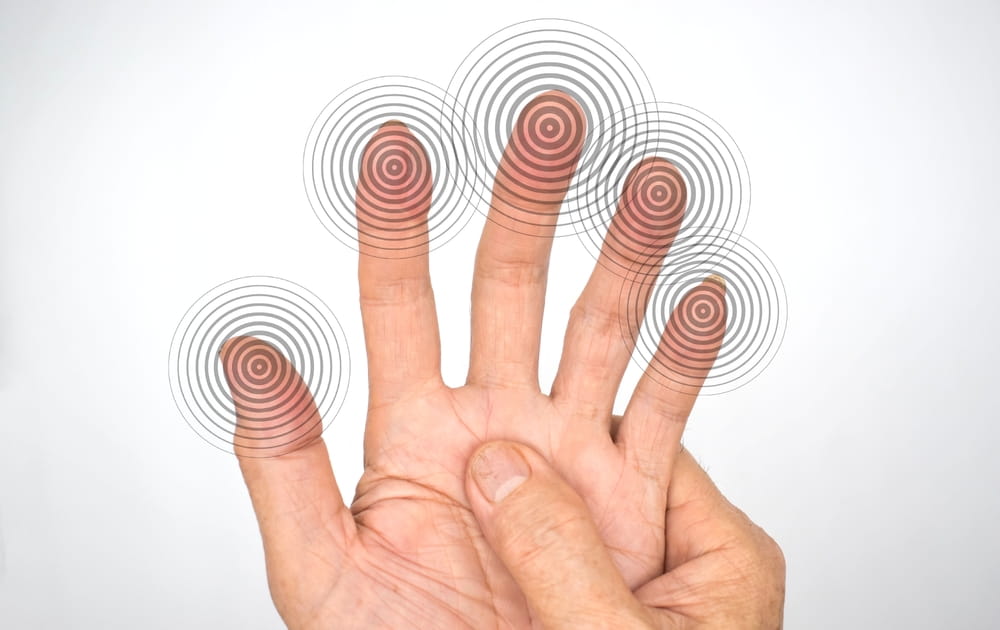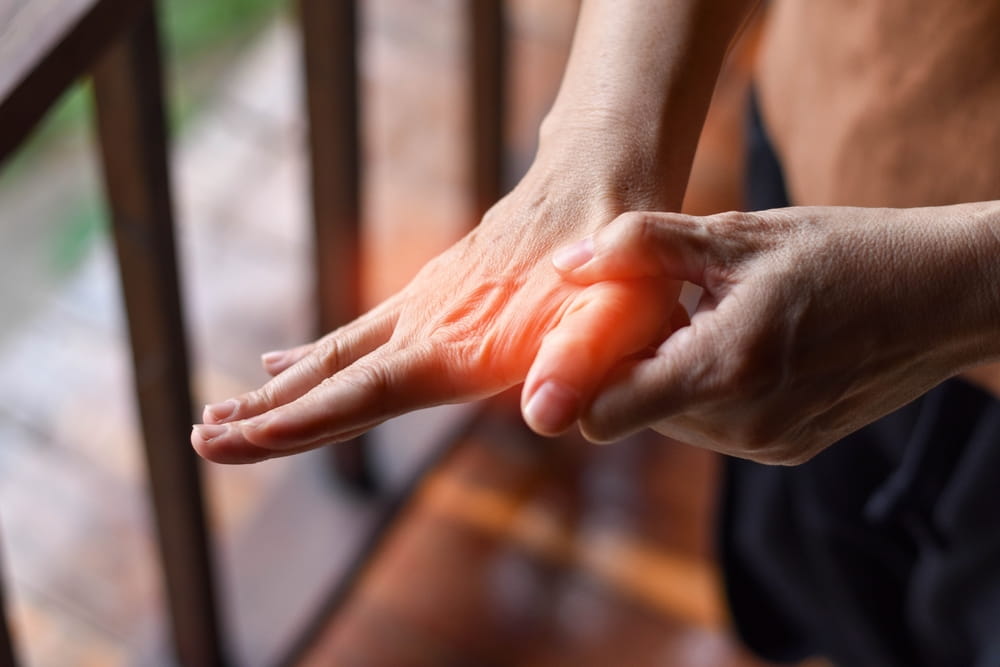
Finger swelling can be one of those changes that’s hard to ignore. Rings may feel tighter than usual, hands may look slightly puffier, or simple movements like bending the fingers may feel restricted. Sometimes it happens suddenly, but more often it develops gradually, without a clear reason why.
Because the hands are constantly in use, even small changes in comfort or mobility tend to stand out quickly. Swelling and stiffness can affect everything from typing and writing to gripping objects or performing routine tasks. For many people living in Mansfield, Fort Worth, Burleson, and across the surrounding North Texas area, these symptoms often appear during everyday routines rather than after a specific injury.
Lone Star Orthopaedic and Spine Specialists, PLLC frequently sees how these subtle shifts in hand function connect back to underlying changes in joints, tendons, or circulation—factors that may not be obvious at first but play a key role in how the fingers feel and move.
How the Fingers Function
Each finger contains multiple small joints, supported by ligaments, tendons, and surrounding soft tissues. These structures allow the fingers to bend, straighten, and perform precise movements while also generating enough force for gripping.
Synovial fluid within the joints helps reduce friction and supports smooth motion. Tendons connect muscles in the forearm to the bones of the fingers, enabling controlled movement.
When everything is working together properly, these systems allow the hand to move efficiently. However, even minor disruptions—such as fluid buildup, inflammation, or tissue irritation—can affect how the fingers function.
Exploring conditions related to the wrist and hand can provide helpful context for understanding how these structures contribute to swelling and stiffness.
Fluid Retention and Temporary Swelling
One of the more common reasons for finger swelling is fluid retention. This can occur when excess fluid accumulates in the tissues, often influenced by factors such as activity level, temperature, or even dietary habits.
For example, fingers may swell slightly after prolonged periods of inactivity or during warmer weather. In these cases, the swelling is usually temporary and may resolve as circulation improves.
Fluid-related swelling may also be more noticeable at certain times of day, such as in the morning or after long periods of sitting or standing.
Joint-Related Changes and Stiffness
The joints in the fingers are particularly sensitive to changes in mobility and inflammation. When joint structures become irritated or stiff, movement may feel more restricted.
This stiffness is often most noticeable after periods of rest. The fingers may feel tight or difficult to move at first, gradually loosening as activity increases.
Joint-related stiffness can also affect grip strength and dexterity. Tasks that require fine motor control—such as buttoning a shirt or holding small objects—may feel more challenging.
Because the fingers rely on multiple joints working together, even slight stiffness can influence overall hand function.
Tendon Irritation and Limited Movement
Tendons play a critical role in finger movement, and irritation in these structures can contribute to both swelling and stiffness. Repetitive hand use—such as typing, gripping tools, or performing manual tasks—can place strain on tendons over time.
When tendons become irritated, they may not glide as smoothly through their surrounding tissues. This can lead to a sensation of tightness or resistance when bending or straightening the fingers.
In some cases, this may also contribute to localized swelling around the affected area, further limiting movement.
The Role of Inflammation
Inflammation is a natural response to stress or irritation in the body, but when it affects the joints or soft tissues of the fingers, it can lead to noticeable swelling and stiffness.
Inflammation may cause tissues to become more sensitive and may increase fluid accumulation within the joint. This combination can make movement feel restricted or uncomfortable.
While inflammation is often part of the body’s response to activity or strain, persistent inflammation may contribute to ongoing symptoms.
Circulation and Temperature Effects
Circulation plays an important role in how the hands feel throughout the day. Changes in blood flow can influence both swelling and stiffness in the fingers.
Warm temperatures may cause blood vessels to expand, leading to increased fluid in the tissues and a feeling of swelling. On the other hand, cold temperatures may cause stiffness as tissues become less flexible.
These environmental factors can affect how the fingers respond during daily activities, particularly when combined with prolonged positioning or repetitive use.
Connections to Other Areas of the Body
The hands are part of a larger system that includes the wrists, arms, and even the spine. Changes in one area can influence how others function.
For example, nerve pathways extend from the neck down into the hands. When these pathways are affected, it may contribute to symptoms such as stiffness, weakness, or altered sensation in the fingers.
Similarly, the way the wrist moves and supports the hand can influence how pressure is distributed across the fingers during activity.
Understanding these connections helps explain why finger symptoms may not always originate in the hand alone.
Recognizing Patterns in Swelling and Stiffness
Finger swelling and stiffness often follow certain patterns that can provide clues about what’s contributing to the symptoms.
Common observations include:
- Swelling that appears at certain times of day
- Stiffness that improves with movement
- Difficulty bending or straightening the fingers
- A feeling of tightness around rings or joints
- Reduced flexibility during repetitive tasks
Noticing when and how these symptoms occur can help identify potential contributing factors.
Supporting Hand Mobility and Comfort
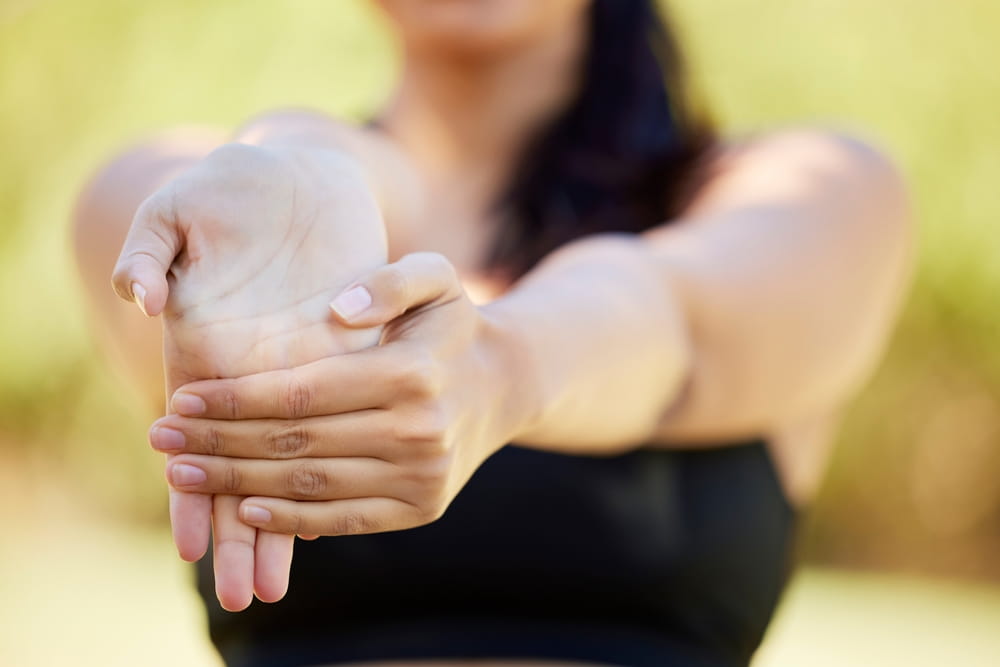
Maintaining flexibility and movement in the hands can help support overall function. Gentle stretching and regular use of the fingers encourage circulation and help keep joints mobile.
Simple movements—such as opening and closing the hand, stretching the fingers, or performing light grip exercises—can help reduce stiffness over time.
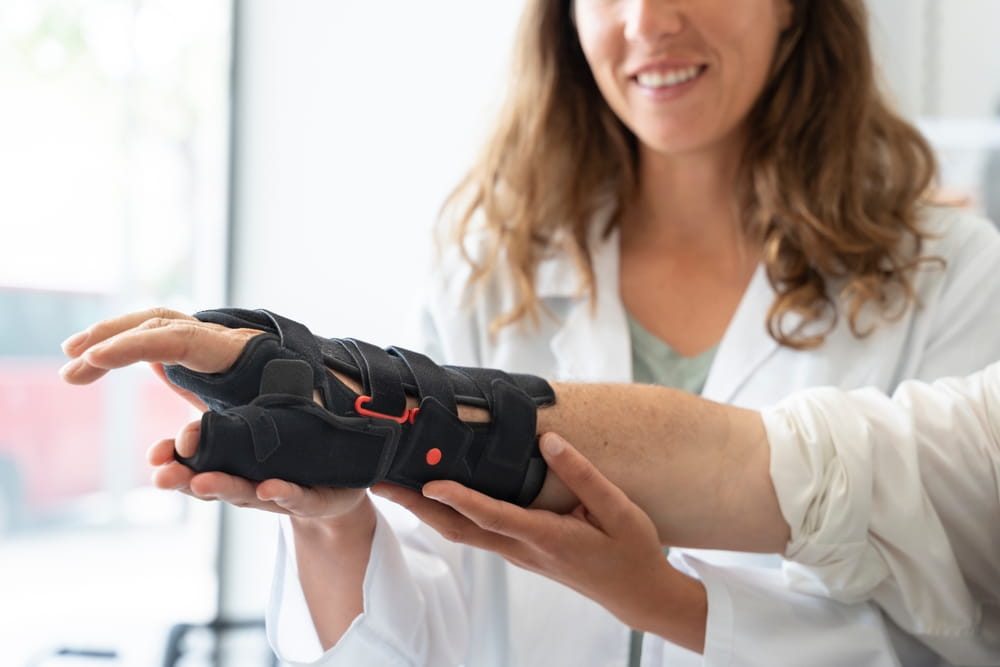
For some individuals, structured approaches like physical therapy may provide guidance on improving coordination, strength, and mobility in the hands and fingers.
Consistency with these practices can help support long-term comfort and function.
Understanding Why Finger Symptoms Develop
Swelling and stiffness in the fingers often reflect how the body responds to daily use, environmental factors, and subtle changes in joint or soft tissue function. Rather than being tied to a single cause, these symptoms typically develop through a combination of influences over time.
Looking at patterns—how the fingers feel during different activities or times of day—can offer useful insight into what may be contributing to the discomfort. These symptoms are often part of everyday life rather than isolated events.
For those living in Mansfield, Fort Worth, Burleson, and the surrounding North Texas region, Lone Star Orthopaedic and Spine Specialists, PLLC can offer a clearer understanding of how to support hand mobility and overall function.
Sources
Mody, G. M., & Brooks, P. M. (1996). Improving musculoskeletal health: Global issues. Best Practice & Research Clinical Rheumatology.
Padua, L., Coraci, D., Erra, C., et al. (2016). Carpal tunnel syndrome: Clinical features, diagnosis, and management. The Lancet Neurology.
Wolfe, S. W., Hotchkiss, R. N., Pederson, W. C., & Kozin, S. H. (2011). Green’s Operative Hand Surgery. Elsevier.