Hand cramps often seem to appear without warning. One moment you’re typing, cooking, writing, or gripping a tool, and the next your fingers tighten unexpectedly or your hand suddenly locks into an uncomfortable position. While these episodes are usually brief, they can interfere with everyday activities and leave the hand feeling sore or fatigued afterward.
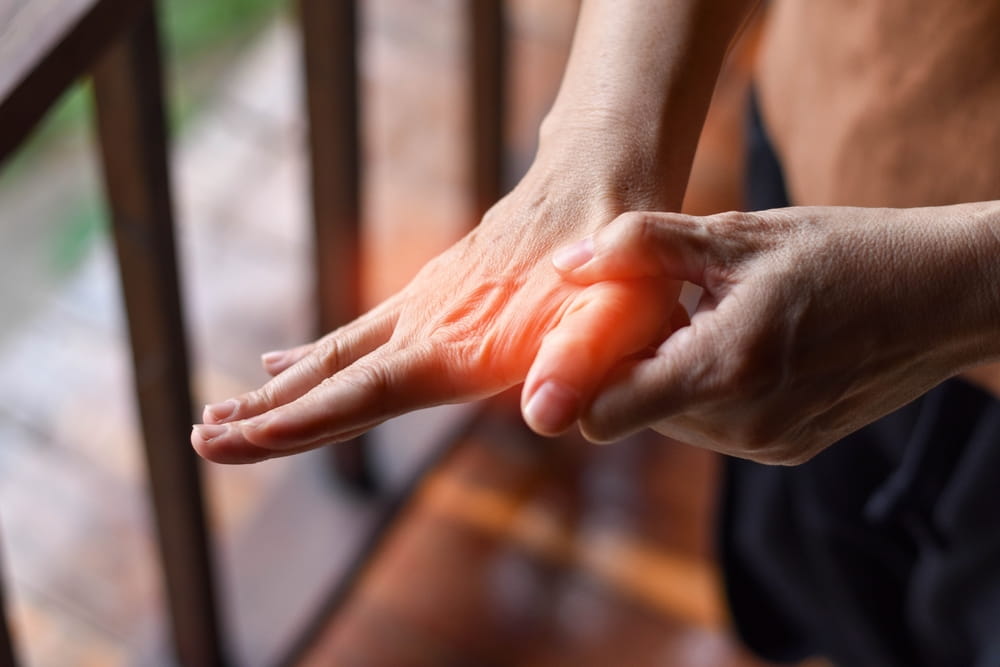
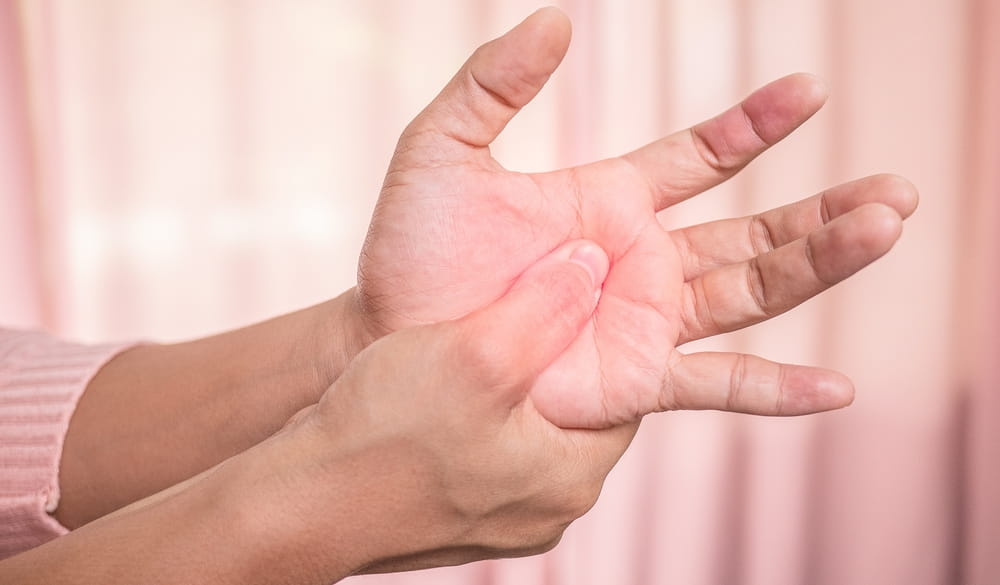
Occasional hand cramping is common and may result from temporary muscle fatigue or repetitive use. However, recurring cramps can sometimes reflect how the muscles, tendons, nerves, and joints of the hand respond to repeated movement and daily demands. Understanding what contributes to hand cramping can help explain why these episodes occur and how healthy movement habits support long-term hand function.
Throughout Mansfield, Fort Worth, Burleson, and surrounding North Texas communities, people rely on their hands for work, hobbies, exercise, and countless daily tasks. Lone Star Orthopaedic and Spine Specialists, PLLC frequently helps individuals better understand how hand mechanics influence comfort, endurance, and overall upper-extremity function.
How the Hand’s Muscles Work Together
Although the fingers perform the visible movements, many of the muscles responsible for hand function actually begin in the forearm. Tendons connect these muscles to the fingers and thumb, allowing the hand to grip, pinch, and perform precise movements.
For these movements to occur smoothly, muscles must repeatedly contract and relax in a coordinated manner. When that balance is temporarily disrupted, a muscle may tighten involuntarily, resulting in a cramp or spasm.
Learning more about wrist and hand care helps illustrate how these structures work together to support everyday movement.
Muscle Fatigue from Repetitive Activities
One of the most common reasons people experience hand cramping is muscle fatigue. Repetitive activities such as typing, gardening, knitting, using hand tools, or playing musical instruments place continuous demands on the muscles that control the fingers and wrist.
As muscles work repeatedly without sufficient recovery, they may become less efficient. Fatigued muscles are sometimes more prone to involuntary contractions, leading to temporary cramping or tightness.
Many people notice these symptoms toward the end of a workday or after extended periods of repetitive hand use.
Grip Intensity Can Make a Difference
The amount of force used during daily tasks also affects the muscles of the hand. Many individuals unknowingly grip tools, steering wheels, sports equipment, or phones more tightly than necessary.
Maintaining a strong grip for prolonged periods increases muscle workload and may contribute to fatigue over time. The longer muscles remain contracted, the more likely they are to feel tired or begin cramping.
Using only the amount of grip force needed for a task can help reduce unnecessary strain on the hand.
Hydration and Muscle Function
Healthy muscle function depends on many factors, including proper hydration. Muscles rely on fluid balance to contract and relax efficiently during movement.
When hydration decreases, muscles throughout the body—including those in the hands—may become more susceptible to fatigue and cramping, particularly during exercise or prolonged physical activity.
While hydration is only one potential contributor, maintaining adequate fluid intake supports overall muscle performance.
The Role of Nerves
The nerves that travel from the neck through the arm coordinate movement and sensation throughout the hand. When these nerves function efficiently, muscles receive the signals needed for smooth, coordinated movement.
Occasionally, irritation or compression affecting these nerve pathways may influence how the muscles respond during activity.
Because the hand depends on both muscular and neurological coordination, cramps sometimes occur alongside other symptoms such as temporary weakness or altered sensation.
Joint Stiffness and Movement Patterns
Healthy joints allow muscles and tendons to move efficiently. When joints become stiff, surrounding muscles may need to work harder to accomplish routine tasks.
Over time, these altered movement patterns can contribute to muscle fatigue and increased effort during gripping or fine motor activities.
Maintaining mobility throughout the wrist, fingers, and forearm helps support smoother movement and may reduce unnecessary strain.
Everyday Habits Influence Hand Function
The hands rarely work in isolation. Daily routines, workstation setup, posture, and repetitive movement habits all influence how efficiently the upper extremities function.
Simple adjustments such as taking regular breaks during repetitive activities, varying hand positions, and avoiding prolonged gripping can reduce ongoing stress on the muscles.
Resources related to lifestyle guidance often emphasize movement habits and ergonomic strategies that support healthy joint and muscle function during everyday activities.
Signs That May Accompany Hand Cramping
Hand cramps may occur in different ways depending on the individual and the activity being performed.
Common experiences include:
- Sudden tightening of the fingers or hand muscles
- Temporary muscle spasms during gripping activities
- Fatigue after repetitive hand movements
- Stiffness that improves after resting or stretching
- Difficulty maintaining grip during prolonged tasks
These symptoms often reflect how the muscles are responding to repeated demands throughout the day.
Supporting Healthy Hand Function
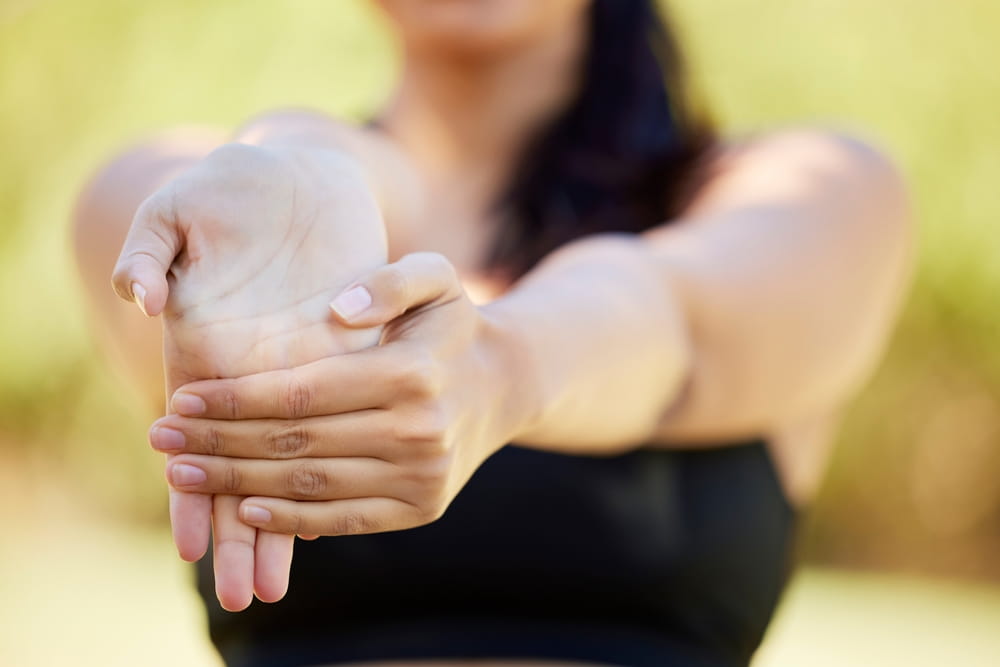
Healthy hand function depends on a balance of strength, flexibility, coordination, and recovery. Regular movement, stretching, and allowing the hands periodic rest during repetitive activities help support muscle performance.
Paying attention to posture and workstation ergonomics may also reduce unnecessary strain on the wrists and forearms. Small adjustments repeated consistently often have a greater long-term impact than occasional large changes.
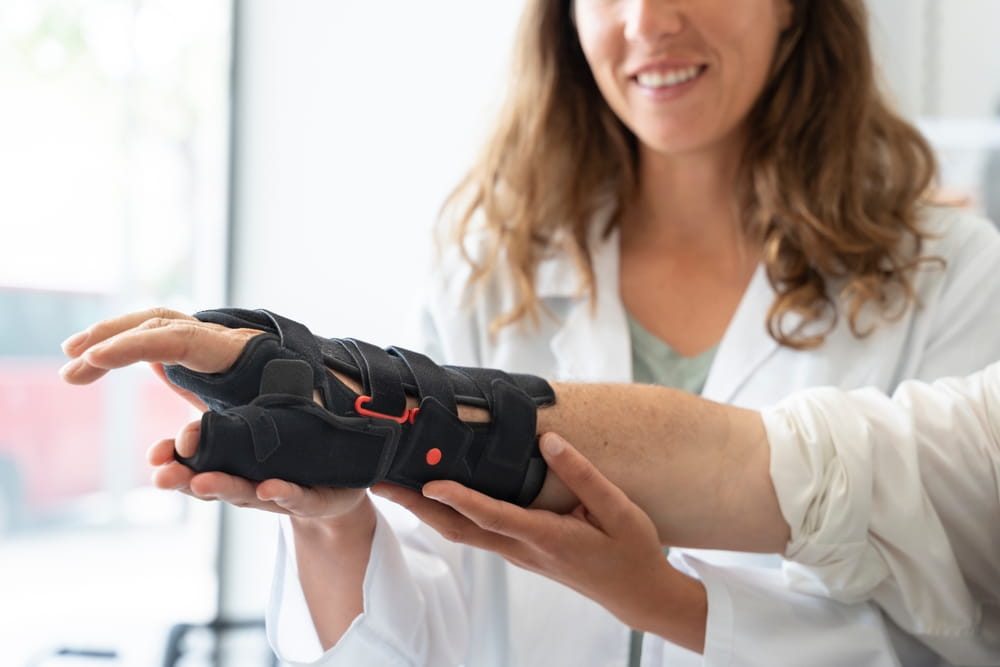
Some individuals also benefit from physical therapy, which frequently focuses on flexibility, strength, coordination, and movement mechanics that support long-term hand and wrist function.
Keeping Your Hands Moving Comfortably
Because the hands perform thousands of movements every day, it is not surprising that they occasionally become fatigued or cramped. Most episodes are temporary and related to the demands placed on the muscles during everyday activities. Understanding how movement, repetition, hydration, and recovery influence hand function can help people better recognize the factors contributing to these uncomfortable moments.
For individuals throughout Mansfield, Fort Worth, Burleson, and the surrounding North Texas region, healthy hand function plays an important role in both work and daily life. Lone Star Orthopaedic and Spine Specialists, PLLC helps connect these common symptoms to the mechanics of hand movement, providing insight into how healthy habits and efficient movement patterns can support long-term comfort and function.
Sources
American Society of Hand Therapists. Clinical Assessment Recommendations. 3rd ed.
Fess, E. E. (1992). Grip strength. American Society of Hand Therapists.
Armstrong, T. J., Buckle, P., Fine, L. J., et al. (1993). A conceptual model for work-related neck and upper-limb musculoskeletal disorders. Scandinavian Journal of Work, Environment & Health.