An ACL tear is an injury, usually a partial or complete rupture of tissue to the anterior cruciate ligament (ACL). The ACL is one of the primary ligaments that stabilize your knee joint. It runs diagonally through the center of the knee, connecting the thigh bone (femur) to the shin bone (tibia). It acts as a type of “seatbelt” that normally prevents excessive forward movement and rotational stability of the knee.
ACL injuries are rarely the result of direct contact, and instead occur most often in “non-contact” athletic injuries such as:
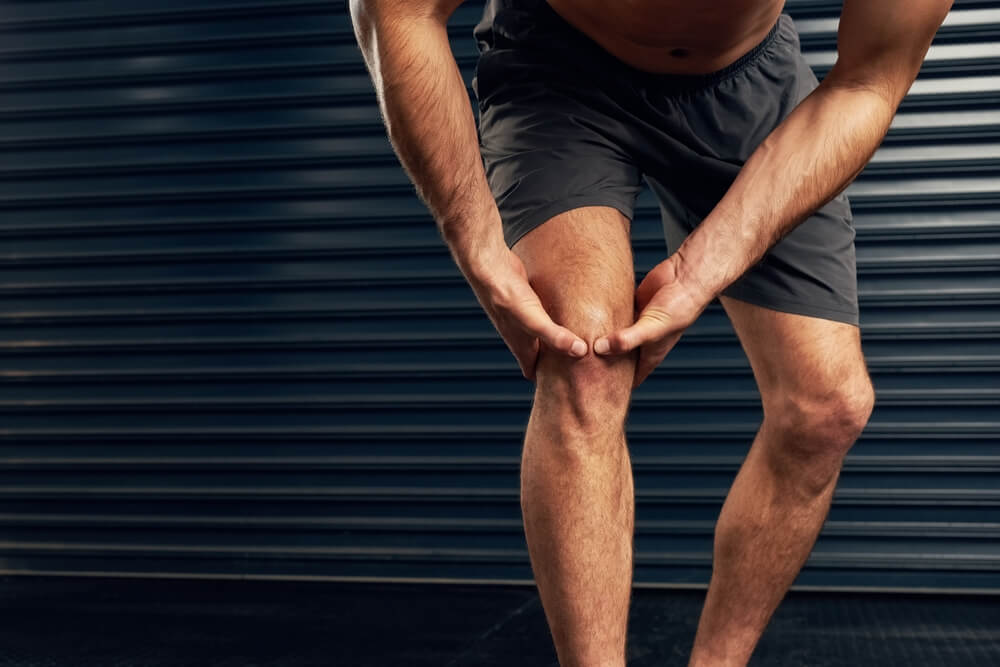
As a weekend warrior or committed athlete you should not ignore knee pain. Get it evaluated, and get off the sidelines, and begin the journey to reclaim your mobility by calling (817) 926-BONE (2663).
If you’ve suffered an ACL tear, you will likely notice:
The right choice for treatment for an ACL Tear depends entirely on your age, activity level, and the stability of your knee. Our providers will always walk you through the different treatment options and what will be best for you.
Best for: less active individuals, partial tears, or those willing to modify activity. Focus on restoring and strengthening the muscles around the knee to compensate for the lost ligament. The goal is to restore function and stability without surgery, but this can put you at a higher risk for meniscus tears and early arthritis down the road.
This is typically done using a variety of methods including:
In both surgical and non-surgical treatments, you can expect stronger, more stable knees that should improve daily activities.
The information provided on www.lonestar-ortho.net is intended for general informational and educational purposes only. The content on this website is presented in summary form, general in nature, and should not be considered medical advice, diagnosis, or treatment recommendations.
The materials and information provided on this website are not intended to replace professional medical advice, care, or consultation with a qualified healthcare provider. Always seek the advice of your physician or another qualified healthcare professional regarding any medical condition, treatment option, or health concern.
Do not ignore professional medical advice or delay seeking care because of something you read on this website. If you think you may have a medical emergency, call 911 or seek immediate medical attention.
We have helped hundreds of athletes and active individuals navigate this exact injury, and we know how overwhelming the choices can be. We can help by making your path simple and our focus on returning you to the activities you enjoy with the people you love. Book Your Appointment Today (817) 926 – BONE (2663).