Most candidates will be between 50 and 80 years old. The “ideal” candidate for a Total knee replacement (TKR) or knee arthroplasty isn’t defined by age, but by pain and its limitations on daily activities, work, or personal recreation. Ideal patients sometimes have knee deformity, joint damage/deformity, or a bone-on-bone knee joint caused by other conditions like Osteoarthritis, Rheumatoid arthritis, or previous injury.
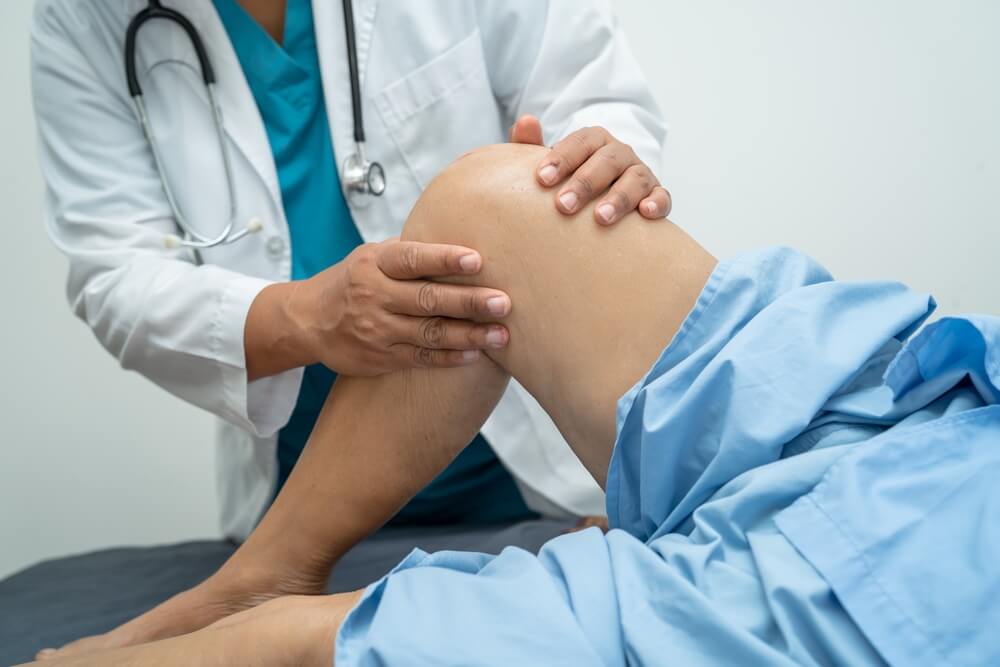
Get Back on Your Feet. Book your knee evaluation by calling
(817) 926-BONE (2663)
In TKR, may feel more mechanical at first, but most patients experience significant improvement in mobility and return to normal walking and activities within 6 to 12 weeks. High-impact activities such as running or jumping may be discouraged to protect the longevity of the implant; however, patients can usually return to low-impact activities without pain once healing is complete.
Technically, no, for those who have had total knee replacement, because the damaged joint surfaces are replaced with artificial components. Arthritis does not return, but knee replacements have a lifespan of typically 15-20 years, potentially requiring a “revision” surgery
For total knee replacements, surgeons typically aim to place the 6-10 inch incision on the front of the knee in a way that allows it to heal as discreetly as possible. A scar will remain but will fade significantly over time and become less noticeable with proper healing and scar care
Keep moving with regular physical therapy exercises. Icing, elevate, and take prescribed medications to control swelling and pain in the first month. Avoid high-impact sports or activities that stress the knee and could cause complications.
The information provided on www.lonestar-ortho.net is intended for general informational and educational purposes only. The content on this website is presented in summary form, general in nature, and should not be considered medical advice, diagnosis, or treatment recommendations.
The materials and information provided on this website are not intended to replace professional medical advice, care, or consultation with a qualified healthcare provider. Always seek the advice of your physician or another qualified healthcare professional regarding any medical condition, treatment option, or health concern.
Do not ignore professional medical advice or delay seeking care because of something you read on this website. If you think you may have a medical emergency, call 911 or seek immediate medical attention.
Are you missing out on the moments that matter? Call (817) 926-BONE (2663) and explore your options with our orthopaedic specialists. We can help you walk again without pain.